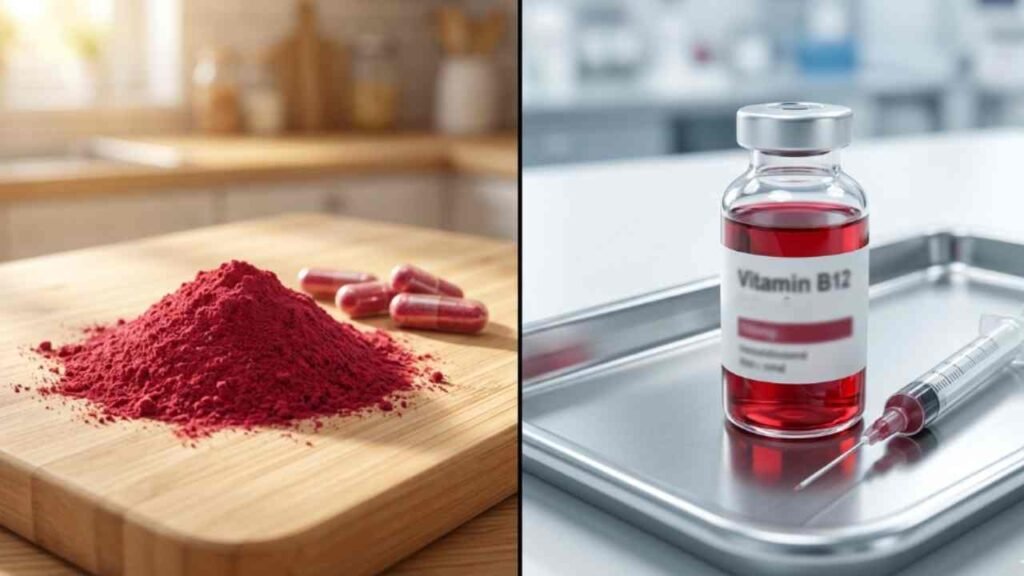
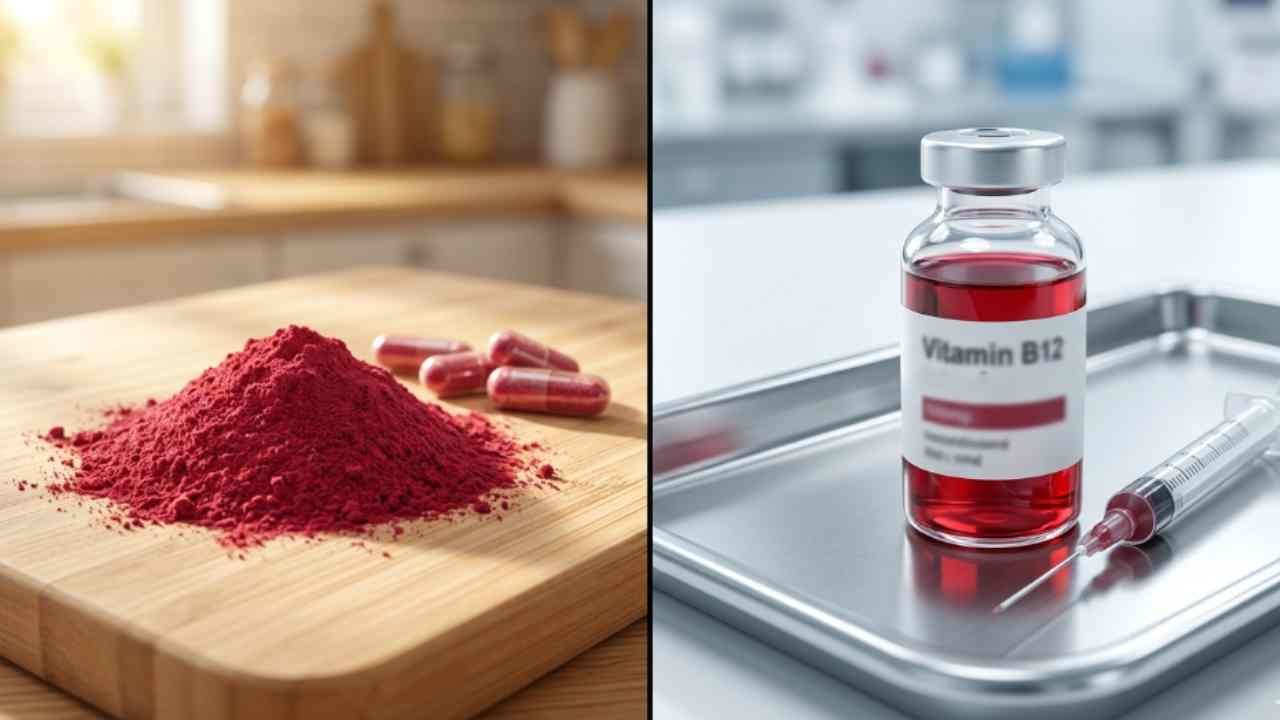
Buying the wrong grade of Vitamin B12 leads to legal fines or production failures. This mistake wastes your money. I explain the differences to protect your procurement strategy.
The main differences between food grade and pharma grade Vitamin B12 lie in purity levels and certification standards. Food grade typically meets USP/FCC standards with ~98.5% purity. Pharma grade requires >99% purity, strict GMP compliance, and low microbial limits for injectable and clinical applications.
I manage factory selection and quality oversight for my B2B clients at FINETECH. I want to explain the technical facts about these grades to help you choose the right material for your business needs.
What purity levels define Vitamin B12 (Cobalamin) grades?
Inconsistent purity causes dosage errors and failed lab tests. This uncertainty ruins your brand trust. I identify the exact purity standards for each grade to ensure your compliance.
Purity levels are defined by the "Assay" percentage on the Certificate of Analysis (COA). Pharma-grade Vitamin B12 must achieve 99% to 102% purity. Food-grade material usually falls between 98.5% and 99.5%. Feed-grade is often sold as 1% or 0.1% dilutions on carriers.
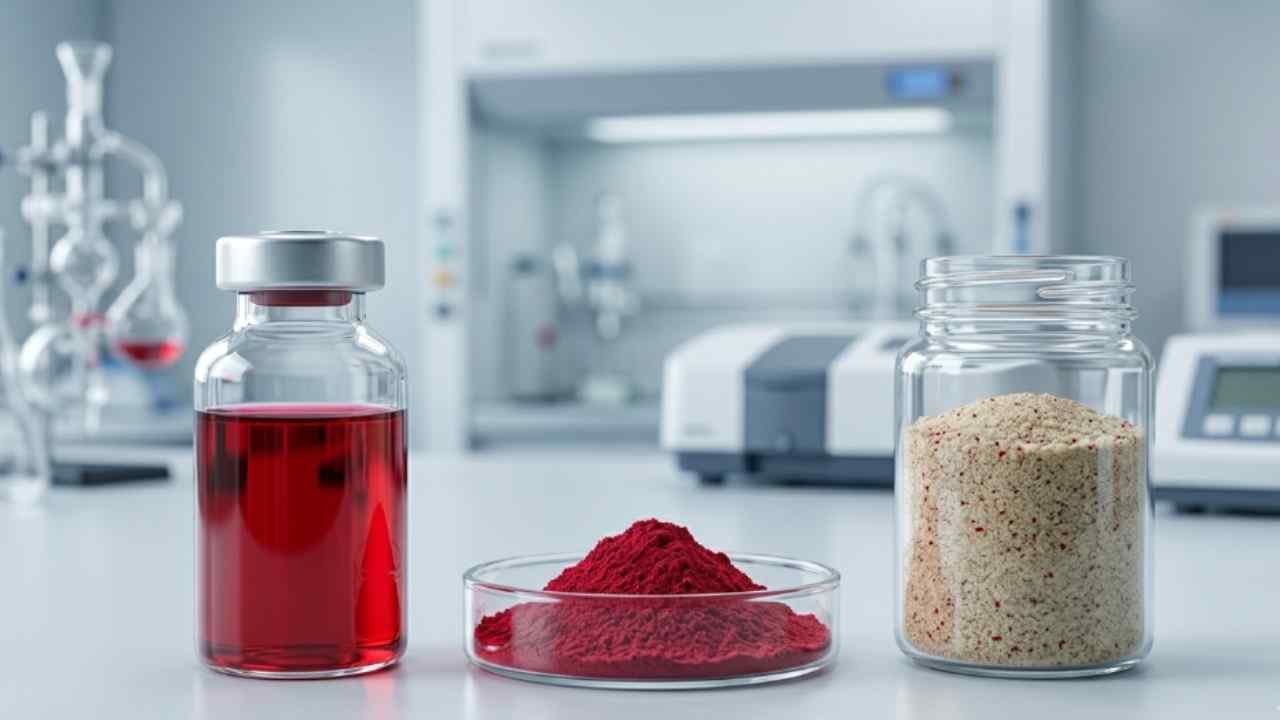
The Technical Meaning of Assay and Purity
I see that purity is the most important number on your document. In the vitamin industry, we use High-Performance Liquid Chromatography (HPLC) to find this number. For pure Cyanocobalamin, the pharma grade is very strict. It must be at least 99.0% pure. This means there is almost no room for chemical waste or bacterial residues from the fermentation process. I check these HPLC charts for my clients in Europe and Russia. I look for a clean, sharp peak on the graph. This peak proves the material is high-purity. If the assay is lower than 98.5%, it cannot be called food grade in many markets. This purity ensures that your final product has the exact dosage you promise on your label.
I also observe the difference in dilutions. Many buyers in the feed industry do not need 99% pure crystals. They buy Vitamin B12 1% or 0.1%. This is a technical choice for mixing. If you try to mix 1 gram of pure B12 into a ton of chicken feed, it will not work. You will have "hot spots" where some animals get too much and others get nothing. So, factories mix the pure vitamin with a carrier like cornstarch or calcium carbonate. This dilution makes the product easier to handle. I visit the factories in China to check the "Homogeneity1" of these mixes. I ensure the 1% is exactly 1% in every part of the drum. This level of detail prevents nutrient deficiencies in the animals. Understanding these purity levels helps you avoid overpaying for purity you do not need. Plus, it ensures your manufacturing process stays efficient and reliable.
Vitamin B12 Purity and Grade Comparison
| Grade Category | Purity (Assay) | Common Standards | Visual Appearance |
|---|---|---|---|
| Pharma Grade | 99.0% - 102.0% | USP / BP / EP | Dark Red Crystals |
| Food Grade | 98.5% - 99.5% | FCC / USP | Dark Red Powder |
| Feed Grade (1%) | 1.0% | FAMI-QS | Light Pink Powder |
| Feed Grade (0.1%) | 0.1% | Agricultural | Light Pink / Beige |
| Methylcobalamin | 98.0% + | Dietary Supplement | Deep Red Crystalline |
How do regulations differ for Vitamin B12 (Cobalamin) applications?
Ignoring regional regulations leads to customs seizures and supply delays. This administrative failure stops your sales. I oversee regulatory compliance to keep your international trade moving smoothly.
Regulations differ based on end-use. Food grade must follow FDA or EFSA food additive rules and FCC standards. Pharma grade requires GMP manufacturing, CEP or DMF documentation, and strict pharmacopeia (USP/BP/EP) compliance. Feed grade must meet FAMI-QS or local agricultural safety standards.
Navigating the Documentation Maze
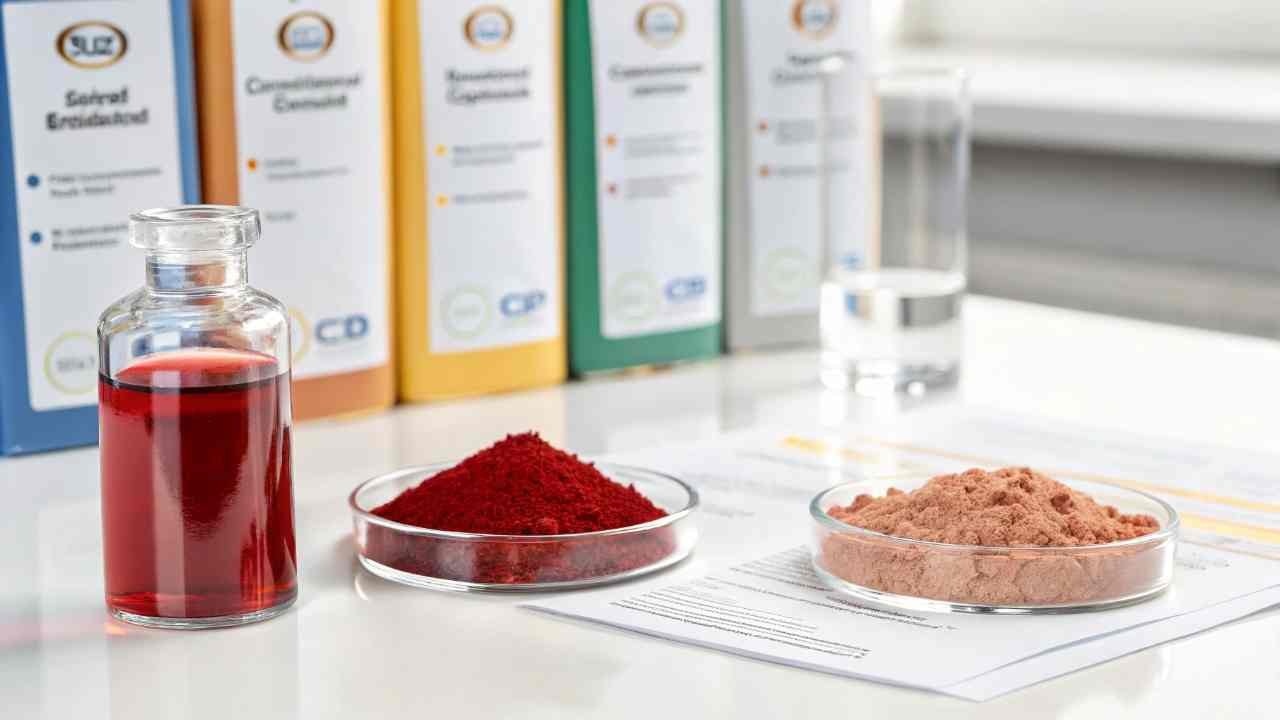
I see that documents are as important as the vitamin itself. If you buy pharma-grade B12, you must have a Drug Master File (DMF)2 or a Certificate of Suitability (CEP). These documents tell the government exactly how the vitamin was made. They prove the factory follows the highest safety rules. I manage these documents for my buyers in the Middle East and Southeast Asia. I ensure the batch number on the DMF matches your shipment. Without these papers, your container will sit at the port for weeks. I act as your office in China to check every word on every certificate before the ship leaves the port. This prevents expensive delays.
Food-grade regulations focus on safety and contaminants. I check that our partners follow ISO 220003 and HACCP standards. These are the international rules for food safety. Also, I look for religious certifications like HALAL and KOSHER. Many markets like Saudi Arabia or Indonesia require these. I visit the issuing bodies to verify that the certificates are authentic and not expired. For feed grade, the rules are about preventing cross-contamination in the feed chain. FAMI-QS is the main standard here. I audit the factory's storage area to ensure feed vitamins are kept away from harmful chemicals. This professional oversight is how I protect your business from legal risks and port delays. I make sure every document is ready for your local customs officer.
Regulatory Requirements per Industry
| Application | Required Certifications | Quality Standard | Key Regulator |
|---|---|---|---|
| Clinical / Medicine | GMP, CEP, DMF | USP / BP / EP | FDA / EMA |
| Food Fortification | ISO 22000, HACCP | FCC / USP | EFSA / Local Health |
| Supplements | HALAL, KOSHER | USP / FCC | Consumer Safety Dept |
| Animal Feed | FAMI-QS, ISO 9001 | Feed Grade | Dept of Agriculture |
| Infant Formula | Ultra-Pure GMP | Specific Internal | Health Ministry |
Why is pharma-grade Vitamin B12 (Cobalamin) more expensive?
High prices for pharma-grade B12 can drain your project budget. You might wonder if the cost is justified. I explain the technical expenses behind high-purity production to help you budget.
Pharma-grade is more expensive because of advanced purification steps like column chromatography and multi-step crystallization. It also carries high compliance costs for sterile cleanrooms, third-party audits, and the maintenance of pharmaceutical certifications like GMP and DMF registration in multiple countries.
The Cost of Ultra-Purity and Compliance
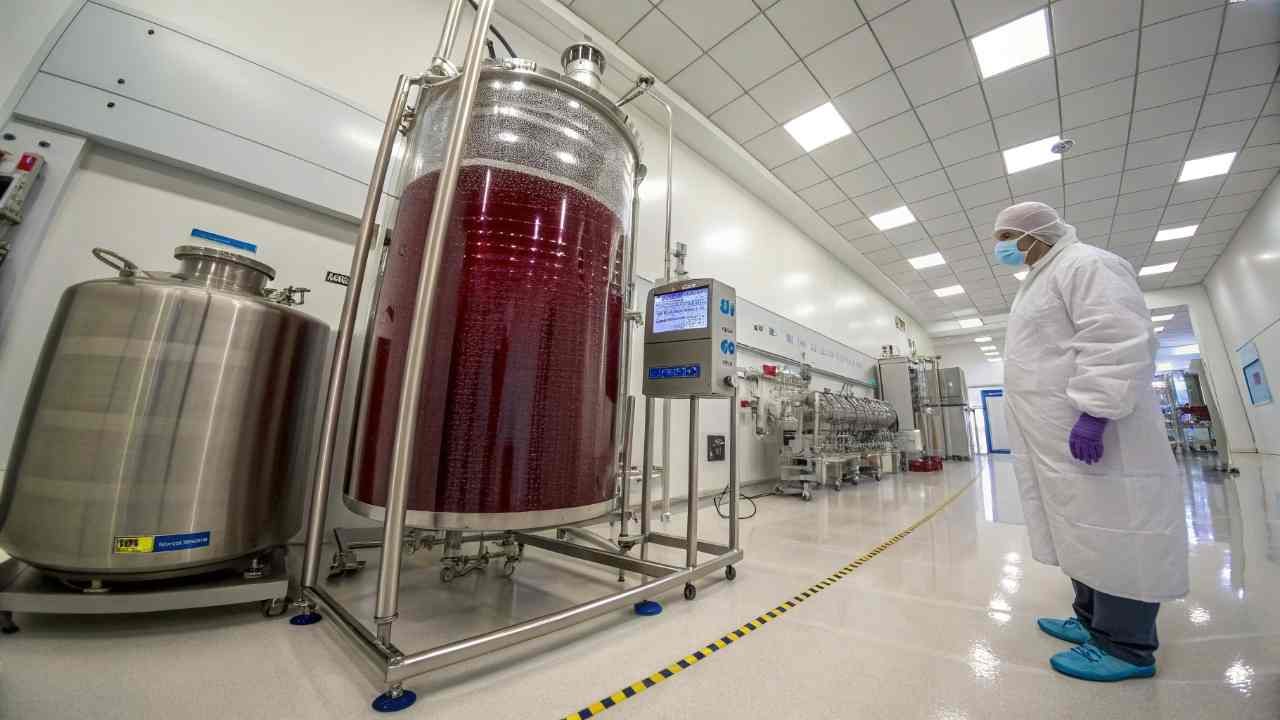
I want you to know that the high price of pharma-grade B12 comes from two places: the lab and the cleanroom. In the factory, making 98.5% food-grade material is relatively simple. But to reach 99.5% or 99.9%, the factory must use extra steps. They use column chromatography with expensive resins to catch every tiny impurity. Then, they perform multiple crystallization steps. Each step loses some of the vitamin, which raises the cost. I visit these purification rooms to see the equipment. I prioritize factories that use automated systems to reduce waste. This efficiency is how I get a competitive price for my high-end buyers. But high purity always has a price.
Compliance is the other big cost. A pharma-grade factory must have a "Class 100,000" cleanroom for packing. This room has special air filters and strict cleaning rules. The workers must wear full protective suits. Also, the factory must pay for regular external audits to keep their GMP4 and CEP status. These audits can cost thousands of dollars every year. I also check the testing costs. Pharma-grade material is tested for "Related Substances" and "Endotoxins." These tests require expensive machines and skilled scientists. I ensure that these costs are included in the value of the product. When you buy pharma-grade, you are paying for the total safety of the patient. I help you understand this value so you can justify the price to your clients. Quality at this level requires constant investment.
Price Drivers Comparison
| Cost Factor | Food Grade | Pharma Grade | Impact on Price |
|---|---|---|---|
| Purification | Standard Filters | Column Chromatography | High |
| Crystallization | Single Step | Multi-Step | Moderate |
| Cleanroom Class | Standard ISO | Class 100,000 GMP | High |
| Lab Testing | Basic Assay | Full Impurity Profile | Moderate |
| Documentation | COA / Health Cert | DMF / CEP / GMP | High |
| Batch Size | Large | Small / Dedicated | Moderate |
Which industries require high-purity Vitamin B12 (Cobalamin)?
Using low-grade additives in sensitive products leads to recalls and safety risks. This risk endangers your consumers. I identify which industries must prioritize high-purity B12 for safety.
High-purity pharma-grade Vitamin B12 is required for pharmaceuticals (injections, neuropathy treatments) and premium dietary supplements. High-end food fortification and infant formula also demand 99%+ purity to ensure total safety and meet strict regulatory limits for heavy metals and impurities.
Critical Sectors and Safety Limits
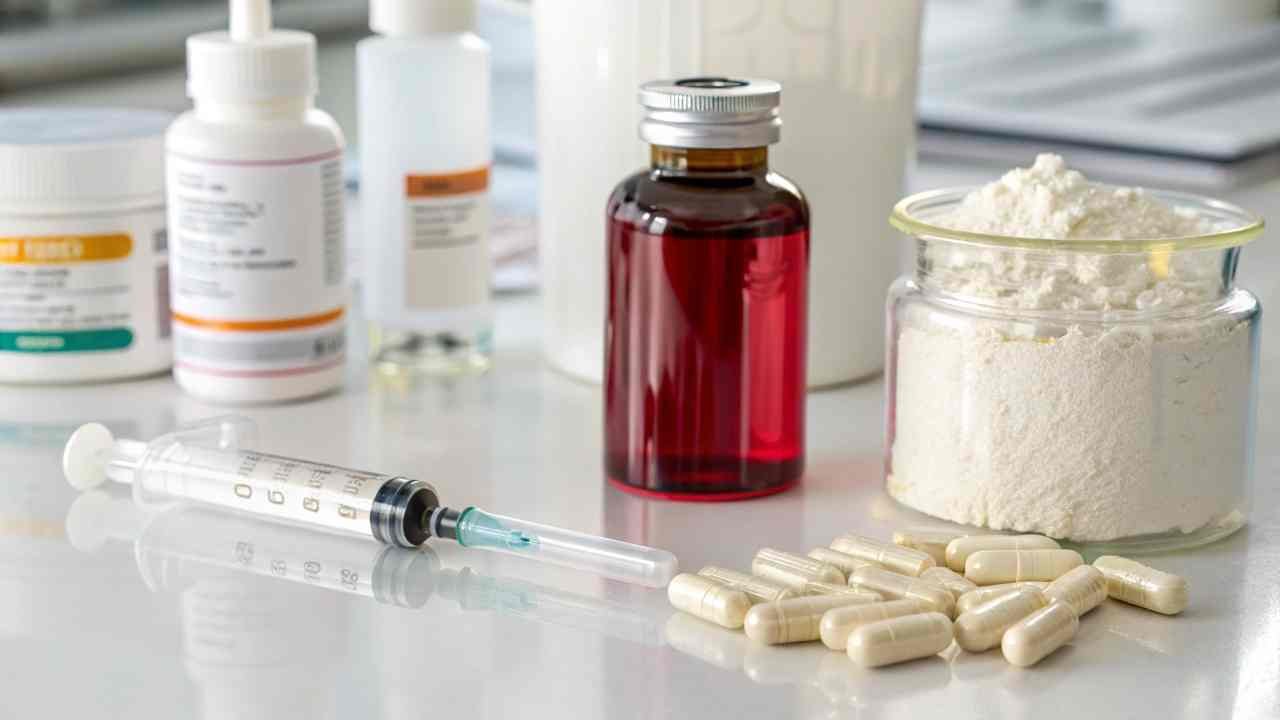
I see that the pharmaceutical industry is the biggest user of ultra-pure B12. They make injections for people with severe anemia or nerve damage. For an injection, the product must be 100% sterile and free from endotoxins. If you use food-grade material in an injection, the patient could have a dangerous reaction. I supply this 99% pure Cyanocobalamin to medical companies in Europe and the UAE. I ensure the material comes from a GMP-certified line. I also check the heavy metal5 levels. For pharma use, Lead and Arsenic must be extremely low, often below 1 ppm. This level of purity is a technical requirement for human life.
The infant formula industry is another sensitive sector. Babies are very vulnerable to impurities. I help my clients in Southeast Asia source B12 that meets the strictest "Infant Grade" rules. These rules are even tougher than standard food grade. The powder must be very fine (100 mesh) so it dissolves instantly in water. I also see growth in the premium supplement market. Many consumers now look for "Clean Label" products. They want a vitamin with no residual solvents. I select factories that use vacuum drying to remove all traces of acetone or alcohols. This prevents any bad smell or taste. By knowing which industry you are in, I can suggest the right purity level. This ensures you are not taking risks with your brand's reputation. I focus on these safety facts for every shipment.
| Industry Sector | Recommended Grade | Primary Reason | Specific Standard |
|---|---|---|---|
| Medical (Injection) | Pharma Grade (Sterile) | Direct blood entry | BP / EP / USP |
| Clinical (Tablets) | Pharma Grade | High potency needs | USP / GMP |
| Infant Formula | High-Purity Food | Baby safety / Solubility | Specific Health Law |
| Energy Drinks | Food Grade | Stable fortification | FCC / USP |
| Animal Nutrition | Feed Grade (Dilution) | Easy mixing / Cost | FAMI-QS |
How to choose the correct grade of Vitamin B12 (Cobalamin)?
Selecting the wrong grade wastes your capital on unnecessary purity or risks product failure. This inefficiency hurts your margins. I provide a selection framework to help you choose the right material.
Choose the correct grade by evaluating your application and local laws. For animal nutrition, use 1% feed-grade dilutions. For fortified foods, select 98.5%+ food-grade powder. For clinical medical products, only use 99%+ pharma-grade material with full DMF or CEP documentation for legal compliance.
A Framework for Procurement Success
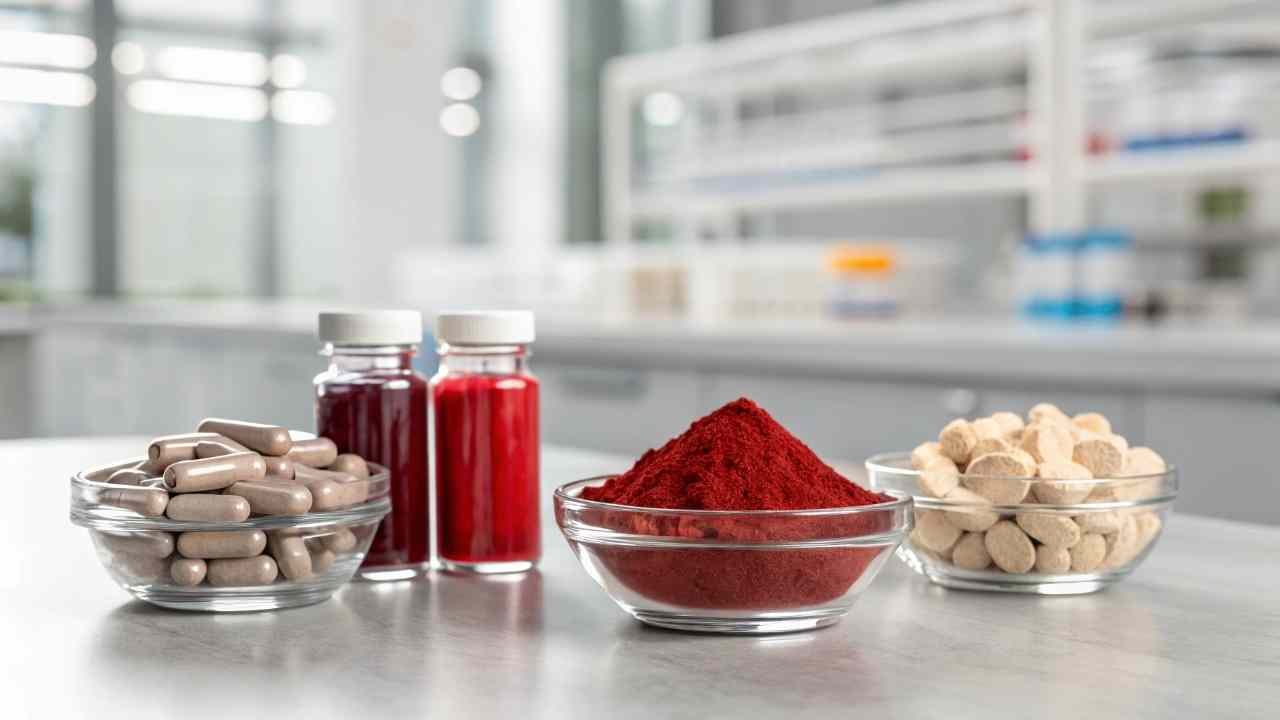
I want to help you simplify your buying process. Start with the "End Use." If you are selling to a feed mill, the answer is always feed grade. Do not buy pure crystals for feed. It is too hard to mix and too expensive. For my buyers in the livestock sector, I suggest 1% Cyanocobalamin. It is the most stable and cost-effective choice. If you are a food trader, ask your customer if they need USP or FCC standards. Most flour fortification programs use USP-grade food B12. I check the mesh size for you. For flour, you need a fine powder that will not settle at the bottom of the bag. This technical match is how I ensure your success.
The second step is checking your "Local Regulations." Some countries have very specific rules for what can be added to energy drinks or supplements. I help my clients check these rules before we ship. I provide pre-shipment samples so your lab can test the material first. If you are making a premium "Bioactive" supplement, I suggest Methylcobalamin6. It is more expensive than standard Cyanocobalamin, but it is the active form that consumers want. I visit the factories to ensure they produce both forms under the same high-quality systems. By following this framework, you save money and reduce your risk. I act as your strategic partner to optimize your total procurement cost. Plus, I manage the logistics to ensure timely delivery.
| Buying Question | Goal | Best Grade Choice | Strategy Tip |
|---|---|---|---|
| Is it for animals? | Cost & Mixing | Feed Grade (1%) | Check carrier type |
| Is it for flour? | Fortification | Food Grade (USP) | 100 Mesh is best |
| Is it for an injection? | Safety & Purity | Pharma Grade (GMP) | Ask for DMF / CEP |
| Is it a high-end pill? | Bioactivity | Methylcobalamin | Check solvent residue |
| Is it for energy drinks? | Solubility | Food Grade (FCC) | Verify color stability |
Conclusion
The main differences between food and pharma-grade Vitamin B12 involve purity, certification, and manufacturing complexity. I manage these technical choices at FINETECH to ensure your procurement remains safe, compliant, and cost-effective.
-
Feed Strategy – Technical article explaining the importance of mixing homogeneity in animal feed production and nutrient distribution. ↩
-
FDA – Detailed explanation of Drug Master Files (DMF) and their regulatory role in the pharmaceutical ingredient submission process. ↩
-
ISO – Official guide to the ISO 22000 standard for food safety management systems in the global supply chain. ↩
-
ISPE – Global resources for Good Manufacturing Practice (GMP) standards ensuring pharmaceutical quality and safety compliance. ↩
-
FDA – Regulatory information regarding lead and heavy metal limits in dietary supplements to ensure consumer safety. ↩
-
Healthline – A comparative analysis of Methylcobalamin versus Cyanocobalamin, focusing on absorption and biological activity. ↩