

Unstable raw material costs and changing food laws disrupt your supply chain. These shifts make budget planning difficult and risky. You need clear market insights to stay competitive and profitable.
The future Sodium Erythorbate market shows a steady 3-5% annual growth driven by meat processing and clean-label food trends. Prices will fluctuate based on corn costs and energy policies in China. New uses in cosmetics and industrial rust prevention are also expanding the global market demand.
I help my clients understand these changes by monitoring production daily in China. Knowing these trends will help you plan your bulk purchases for the next several years.
How Will Global Demand for Sodium Erythorbate Change?
Traditional preservatives face more pressure from health-conscious consumers. This shift creates uncertainty for your current product formulas and stock levels. You must adapt to these changes to keep your market share.
Global demand for Sodium Erythorbate will increase because it is a safe and affordable antioxidant. The meat and beverage industries are the main drivers of this growth. More brands are replacing older chemicals with Sodium Erythorbate to meet clean-label requirements and maintain product freshness.

Growth in Food and Beverage Sectors
The demand for Sodium Erythorbate is linked to the processed meat industry1. I see more meat producers in Europe and the Middle East using it to keep product color stable. This is a cost-effective way to extend shelf life. It keeps meat looking fresh and pink for a longer time. This factor is vital for consumer choice2 in modern supermarkets. As global meat consumption rises, the need for this antioxidant grows.
The beverage industry also drives demand. Many juice and soda brands use Sodium Erythorbate to prevent flavor loss. The "clean label" trend3 supports this growth. Consumers and regulators view Sodium Erythorbate as a safer additive than many older chemicals. I expect this trend to continue as food safety laws become stricter. Large food companies prefer it because it works well and costs less than natural alternatives like Vitamin C.
Consumption Distribution by Sector
The table below shows how Sodium Erythorbate is used across different global industries.
| Industry | Usage Share | Key Driver |
|---|---|---|
| Meat Processing | 65% | Color retention |
| Beverages | 20% | Flavor stability |
| Seafood | 10% | Preventing oxidation |
| Other Uses | 5% | Industrial applications |
Which Regions Are Seeing the Fastest Growth in Sodium Erythorbate?
Fast-growing markets often suffer from supply chain gaps. This leads to stockouts and lost revenue in emerging economies. You must identify these high-growth regions to expand your wholesale business.
Southeast Asia and the Middle East are the fastest-growing regions for Sodium Erythorbate. Rapid urbanization and the expansion of food processing in Indonesia, Vietnam, and Saudi Arabia drive this trend. European markets also show stable demand for high-purity antioxidants in meat production.

Expansion in Developing Economies
I export many containers of Sodium Erythorbate to Southeast Asia. Countries like Indonesia and Vietnam have a growing middle class. These people buy more packaged food and drinks. This creates a large demand for food additives. Wholesalers in these areas need reliable Chinese suppliers to keep their inventory full. China is close to these markets. This makes shipping fast and affordable. I see new food plants opening often in this region.
In the Middle East, the food sector is modernizing. Countries like Saudi Arabia and the UAE require high-quality antioxidants with HALAL certificates. I make sure our Sodium Erythorbate meets these religious and safety rules. The demand here is very stable. It peaks before holidays when meat consumption is highest. This regional growth is a great chance for distributors who can secure a steady supply.
Market Maturity in Europe and Russia
European markets like Germany have strict safety rules. They want high-purity Sodium Erythorbate. This market is mature but still grows slowly. The focus is on replacing old preservatives. In Russia, the meat industry is very large. They use a lot of Sodium Erythorbate for sausages. I see constant demand from Russian wholesalers who want top quality and fast delivery.
| Region | Expected Growth | Main Market Driver |
|---|---|---|
| Southeast Asia | 5 - 7% | Packaged food demand |
| Middle East | 4 - 6% | Modern food processing |
| Europe | 2 - 3% | Regulatory changes |
| Russia | 3 - 5% | Meat industry scale |
How Do Raw Material Costs Affect Sodium Erythorbate Prices?
Unstable raw material costs make long-term budgeting very difficult. These price changes can wipe out your profit margins on large orders. You must track these cost factors to protect your business profits.
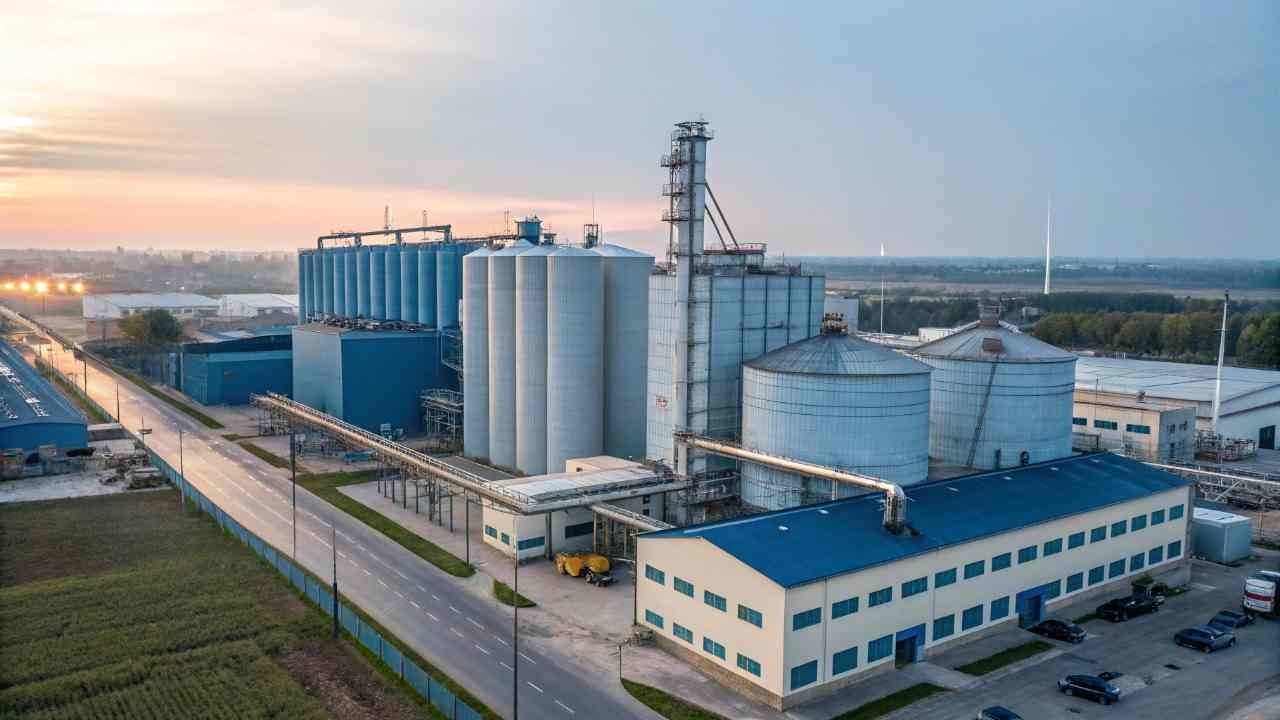
Sodium Erythorbate prices are tied to the cost of corn and energy in China. Fluctuations in corn harvests and changes in industrial power rates impact factory costs. Buyers who understand these cycles can time their orders to avoid price peaks and save money.
The Link Between Corn and Production
Factories produce Sodium Erythorbate through fermentation. This process uses glucose as the main raw material. In China, glucose comes from corn. So when corn prices rise, Sodium Erythorbate prices follow. I monitor corn harvest data in China closely. If a harvest is bad, I know prices will rise in a few months. This data is vital for my clients to plan their bulk procurement4.
The fermentation process also uses a lot of energy. China has strict energy and environmental policies. If the government limits power for factories, production slows down. This reduces supply and increases prices. Environmental checks can also close factories for a short time. This causes sudden price spikes. I stay in touch with production teams at the factory. I get this information early. This allows me to warn my food industry clients5 before the market changes.
Breakdown of Production Costs
Knowing the cost structure helps you negotiate better prices. The table below shows a typical cost breakdown for a factory in China.
| Component | Cost Share | Primary Influence |
|---|---|---|
| Corn / Glucose | 55% | Agriculture market |
| Energy / Steam | 25% | Government policy |
| Labor | 10% | Wage trends |
| Logistics | 10% | Transport costs |
What Are the Emerging Applications of Sodium Erythorbate?
Relying on only one industry increases your business risk. If meat demand falls, your sales will suffer. You should find new industrial uses to diversify your products and reach more customers.
Emerging uses for Sodium Erythorbate include cosmetics for skin care and industrial coatings to stop rust. It is also used in oil drilling as an oxygen scavenger. these new applications expand demand beyond the traditional food and beverage sectors.

New Use in Cosmetics and Energy
I see more interest in Sodium Erythorbate from the cosmetics sector. It is a safe antioxidant for skin creams. It helps keep the formula stable and prevents color changes. Some brands use it in skin-brightening products. This is a new market for many food additive distributors6. It requires high purity and clear documents. I help more clients explore this area to grow their sales.
In the industrial sector, Sodium Erythorbate is a popular oxygen scavenger. Oil drilling teams add it to fluids to stop pipes from rusting. Oxygen in water causes deep corrosion in wells. Sodium Erythorbate removes this oxygen safely. It is also used in water treatment for industrial boilers. These uses need large volumes of material. This is a good sector for wholesalers who sell to heavy industries.
Comparing Traditional and New Uses
The table below compares the old and new ways industries use Sodium Erythorbate.
| Application | Primary Function | Grade Needed |
|---|---|---|
| Food (Old) | Meat and juice stability | Food Grade |
| Cosmetics (New) | Antioxidant for skin | High Purity |
| Oil Drilling (New) | Rust prevention | Technical Grade |
| Water Treatment | Oxygen removal | Technical Grade |
How Can Buyers Prepare for Sodium Erythorbate Market Fluctuations?
Market volatility causes supply chain breaks and money loss. Without a plan, you are vulnerable to price hikes and stock shortages. Strategic planning is the only way to protect your factory operations.
Buyers prepare for fluctuations by keeping safety stock and signing long-term contracts. Monitoring Chinese production trends and using different shipping routes also helps. A data-driven strategy ensures you have stock during high demand or price spikes.

Using Contracts and Safety Stock
I suggest that large buyers avoid "spot buying." When the price is low, sign a 6-month or 12-month contract. This locks in your price. It also ensures the factory saves a production slot for you. This is the best way to avoid the stress of sudden price increases. I prioritize my long-term partners when the market is tight. This gives them an advantage over competitors who wait until the last minute.
Having a buffer in your warehouse is also essential. I recommend keeping one month of extra stock. This protects you if there is a shipping delay or a factory shutdown in China. You should also watch market data. I send regular updates to my clients about prices and production status. If you see a signal that prices might rise, increase your order size immediately. Data-driven buying is much safer than guessing.
Risk Management Strategies
The table below shows the best ways to protect your business from market changes.
| Strategy | Action Step | Expected Result |
|---|---|---|
| Bulk Contracts | Sign 6-12 month deals | Stable budget |
| Safety Stock | Keep 20% extra stock | No downtime |
| Market Tracking | Follow corn and energy news | Better timing |
| Partnerships | Use a reliable exporter | Priority supply |
Conclusion
Future market trends for Sodium Erythorbate show steady growth and new uses. I help you track prices and supply chains to keep your business successful and stable.
-
The processed meat industry is a primary consumer of Sodium Erythorbate for color retention and shelf-life extension. ↩
-
Consumer choice in supermarkets is influenced by product appearance, freshness, and perceived safety. ↩
-
The "clean label" trend emphasizes safer, recognizable ingredients that attract health-conscious consumers. ↩
-
Bulk procurement helps buyers reduce cost per unit and secure supply during peak demand. ↩
-
Food industry clients rely on timely market updates to make informed purchasing decisions. ↩
-
Food additive distributors manage logistics and sales for multiple markets, including emerging sectors like cosmetics. ↩