
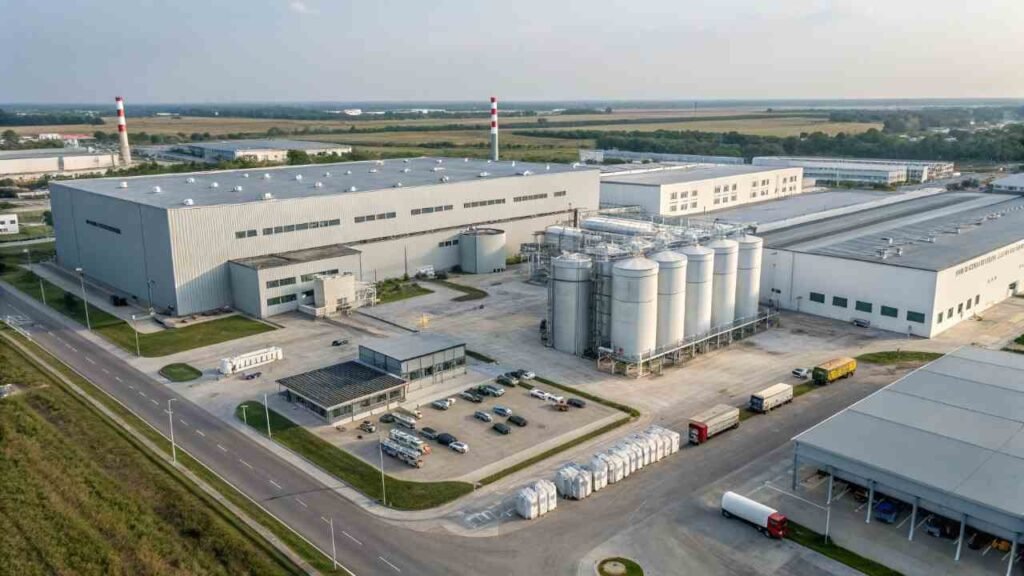
Ignoring emerging shift dynamics in the chemical bioeconomy causes buyers to overpay for outdated processing forms and miss supply chain cost reductions. Obsolete strategies limit growth. Tracking future shifts secures margins.
The amino acid series market is evolving through advanced synthetic biology and metabolic engineering, the rapid transition to non-animal plant fermentation, rising precision nutrition demands in global feed and food sectors, and the consolidation of China’s high-volume bioeconomy infrastructure.
Successfully planning bulk procurement programs requires a forward-looking analysis of biotechnology and international manufacturing scales. Sourcing managers must evaluate future industry trends to protect their raw material pipelines. Sourcing partners like FINETECH simplify factory checks, verify production compliance, and secure competitive pricing directly in China to guarantee bulk deliveries. This guide analyzes the key trends shaping the amino acid market.
How Will Global Demand Change the Amino Acid Series Market?
Sourcing high-volume active amino acids during unexpected global demand shifts leads to supply bottlenecks, delayed product releases, and increased procurement costs. Volatile demand threatens stable planning. Forecasting consumption trends secures supply.
Global demand is changing the market as the total valuation scales past thirty-four billion dollars, driven by the massive expansion of feed-grade precision nutrition and high-purity pharmaceutical-grade ingredients for therapeutic compounding.
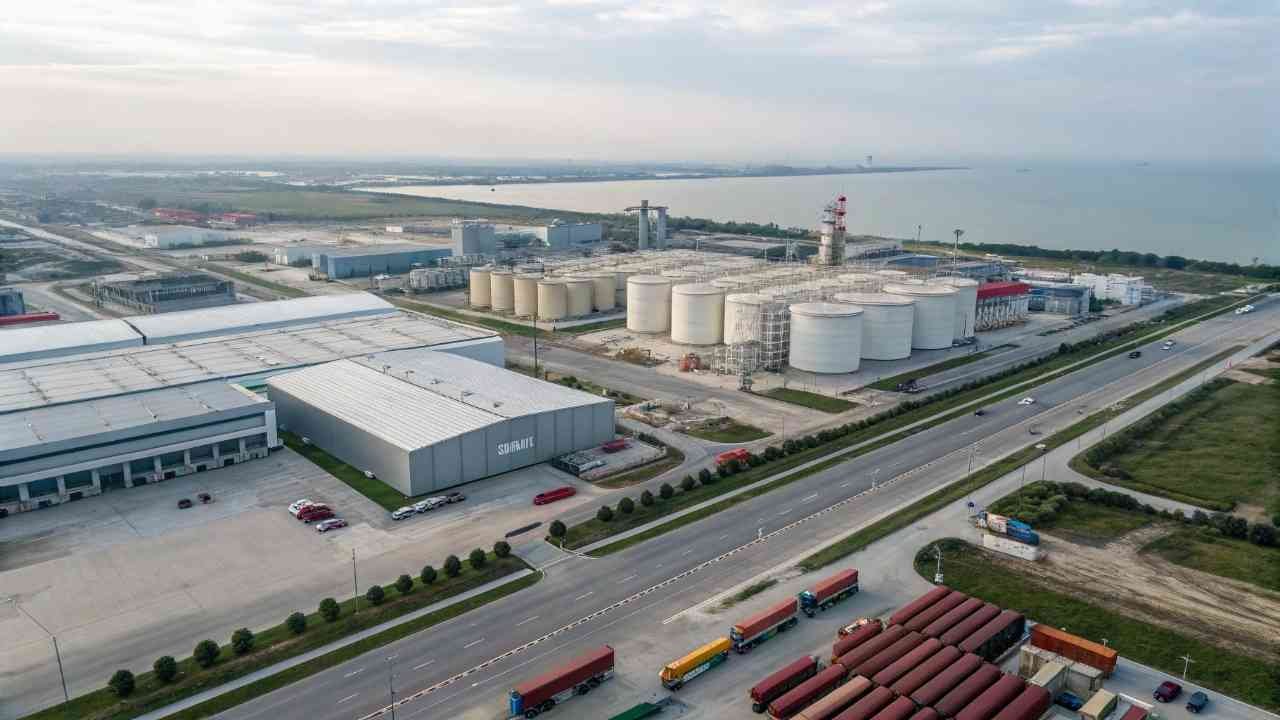
Dive Deeper into Market Projections and Feed-Grade Scaling
The global amino acid series market is undergoing a significant expansion, with the total valuation estimated to surpass thirty-four billion dollars in 2026. This continuous growth is driven by structural shifts in global livestock production and sports nutrition. In the animal feed industry, the market is transitioning from general feed volume supplementation toward high-precision nutrition. Livestock producers increasingly rely on crystalline amino acids—such as L-Lysine, L-Threonine, DL-Methionine1, and L-Tryptophan—to maximize feed efficiency, control production costs, and reduce nitrogen emissions in intensive farming operations.
Additionally, the human nutrition sector is experiencing a surge in demand. Consumers are highly educated on the muscle-retaining, metabolic, and cardiovascular benefits of free-form amino acids, driving the adoption of Branched-Chain Amino Acids (BCAAs) and essential amino acid (EAA) mixes in sports recovery beverages. Pharmaceutical-grade demand is also scaling rapidly as drug developers utilize pure crystalline structures for parenteral nutrition, clinical medical diets, and drug synthesis. Sourcing partners like FINETECH monitor these macro consumption shifts, helping international buyers understand how surging demand affects regional Chinese production capacities, allowing them to book bulk shipments before local factory queues extend.
| Demand Sector | Projected Market Driver | Key Amino Acid Products | Strategic Sourcing Focus |
|---|---|---|---|
| Animal Feed | Precision livestock nutrition | L-Lysine, DL-Methionine | Secure large-scale contract reserves |
| Human Nutrition | Sports recovery & anti-aging | BCAAs, L-Glutamine, EAAs | Target instant-dissolving vegan grades |
| Pharmaceuticals | Parenteral diets, therapeutic use | L-Cysteine, L-Arginine, L-Valine | Verify strict USP/EP/AJI monographs |
| Cosmetics | Moisture retention, hair health | L-Glycine, L-Alanine, Proline | Assess compatibility in lipid bases |
What New Opportunities Are Emerging for Amino Acid Series Products?
Formulating standard products with animal-extracted compounds risks immediate consumer pushback and exclusion from premium, allergen-free retail spaces. Outdated formulations limit expansion. Embracing plant-based fermentation opens high-value niches.
New opportunities are emerging in the plant-based and vegan segments, driven by consumer demand for non-animal-derived amino acids and the rapid expansion of customized amino acid pre-blends for personalized wellness products.
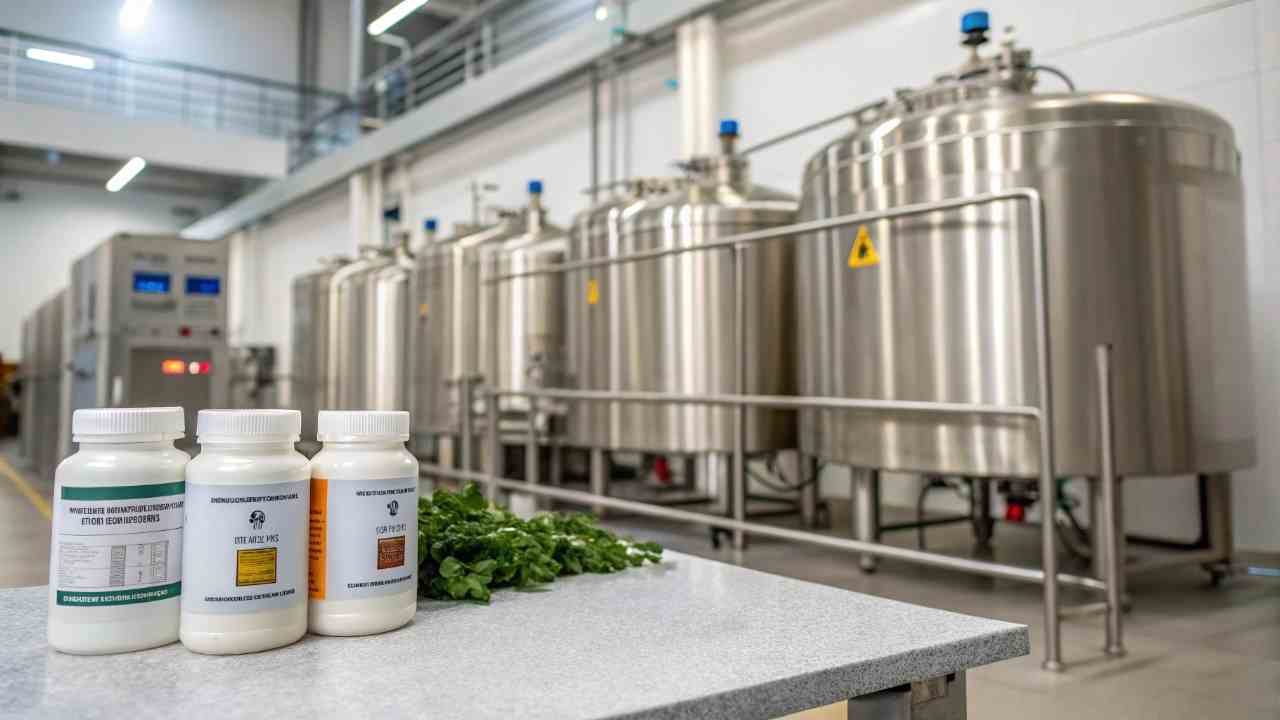
Dive Deeper into Vegan Fermentation and Custom Pre-Blends
The evolution of consumer preferences is opening highly profitable opportunities for innovative product developers. The most prominent trend is the rising demand for plant-based, non-animal-derived amino acids. Historically, several key amino acids, including L-Cysteine, were derived from animal tissues like feathers or hair. Today, strict vegan, clean-label, Kosher, and Halal standards require manufacturers to transition to microbial fermentation2 utilizing non-GMO vegetable feedstocks, such as corn starch or sugarcane molasses. Products derived from these vegetable fermentation processes command a premium in Western nutraceutical and personal care markets.
Another emerging opportunity is the rise of personalized nutrition. Food and supplement brands are increasingly formulating custom amino acid pre-blends tailored to individual genetic profiles, athletic demands, or senior metabolic needs. This shift requires suppliers to offer pre-blended, dust-free granulated formulations that simplify manufacturing and ensure homogeneous mixing in final dry powder lines. Sourcing partners like FINETECH help B2B buyers capture these emerging market opportunities. They identify and audit Chinese factories that specialize in non-soy, vegan-fermentation bases and custom-tailored particle sizes, ensuring that the imported raw materials comply with the highest international clean-label certifications.
| Emerging Opportunity | Market Trend Driver | Required Sourcing Grade | Expected Profit Margin |
|---|---|---|---|
| Vegan-Grade Amino Acids | Cruelty-free & Halal labels | Non-animal vegetable fermentation | High, premium price point |
| Customized Pre-Blends | Personalized wellness demands | Dust-free granulated mixtures | High, added-value margins |
| Cosmetic Bio-Actives | Clean-beauty hair and skin | High-purity, low-impurity crystals | Moderate to high premium |
| Eco-Friendly Feeds | Lower nitrogen waste limits | Specialized feed-grade matrices | Stable, high-volume demand |
How Is Technology Improving Amino Acid Series Production?
Relying on old-fashioned fermentation methods keeps production yields low and leaves your supply chain vulnerable to environmental penalties. Outdated biotechnology inflates manufacturing fees. Advanced metabolic engineering stabilizes costs.
Technology is improving production by utilizing advanced synthetic biology, CRISPR gene editing, and metabolic pathway modeling to optimize bacterial strain fermentation yields, reducing processing cycle times and minimizing wastewater emissions.
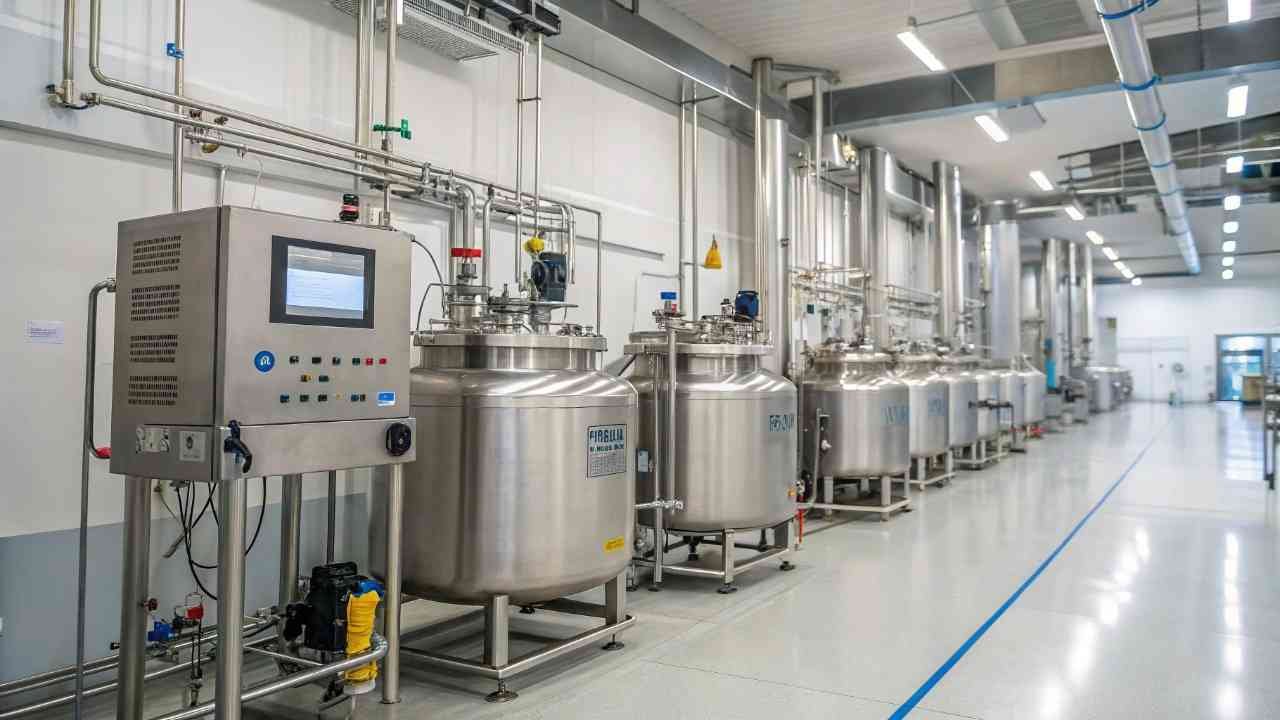
Dive Deeper into Synthetic Biology and Genome Breeding
Technological innovation is fundamentally reshaping the economics and environmental footprints of global amino acid manufacturing. Historically, classical strain mutagenesis was the primary method used to increase bacterial productivity, a process that was slow, labor-intensive, and highly unpredictable. Today, industrial bio-manufacturers utilize advanced synthetic biology, CRISPR gene editing, and metabolic engineering to optimize host organisms like Corynebacterium glutamicum3 and Escherichia coli. By modifying metabolic pathways and removing feedback inhibition, scientists can redirect cellular resources toward the synthesis of specific target compounds.
These advances in genome breeding and systems biology allow modern cell factories to produce L-Lysine and L-Glutamate at high concentrations. This increase in yield directly lowers raw material feedstock usage, reduces energy overheads, and cuts production costs. Furthermore, synthetic biology enables the utilize of alternative carbon sources—such as agricultural waste or industrial byproducts—to support circular economy4 goals. Sourcing partners like FINETECH bridge the technical gap for international buyers, identifying forward-looking Chinese manufacturers that implement these advanced bio-technologies. This ensures that buyers secure cost-effective, high-quality ingredients from facilities that operate with superior energy efficiency.
| Technological Advance | Applied Biological Method | Production Cost Impact | Sourcing Sustainability Benefit |
|---|---|---|---|
| CRISPR Gene Editing | Modifying cell host genes | High yield, shorter cycles | Minimizes production waste |
| Metabolic Pathway Design | Removing feedback loops | Increases output per batch | Reduces starch feedstock usage |
| Alternative Feedstocks | Agricultural waste use | Lowers baseline material costs | Supports circular economy goals |
| Intracellular Sensors | Real-time monitoring | Eliminates batch failures | Guarantees consistent quality |
Which Markets Show Strong Growth Potential for Amino Acid Series?
Focusing procurement resources on static or saturated regions restricts sales expansion and leads to intense margin-squeezing price wars. Saturated markets stunt growth. Targeting emerging economic zones accelerates revenues.
The Asia-Pacific region exhibits the strongest growth potential due to expanding livestock industries, rising disposable incomes, and regulatory approvals, while North America and Europe remain high-value centers for premium pharmaceutical grades.

Dive Deeper into Regional Expansions and Regulatory Clearances
Analyzing geographic consumption patterns reveals a significant shift in market growth toward developing economic regions. Saturated Western markets, including the United States, Canada, Germany, and France, maintain stable purchasing volumes, with demand concentrated on premium, pharma-grade amino acids and non-GMO vegan formulations. However, the fastest growth is occurring in the Asia-Pacific region, led by China, India, and Southeast Asian nations. This rapid expansion is driven by a combination of economic growth, rising disposable incomes, and a major shift toward high-protein diets.
To support this surging demand for animal protein, commercial feed mills across China and India are rapidly adopting precision nutrition practices. Local food safety administrations have also issued new regulatory clearances, permitting the utilize of specific amino acids in everyday food fortification5 and baby formulas. Since China controls over seventy percent of the world’s fermentation capacity, domestic buyers enjoy direct logistics access to manufacturing plants. Sourcing partners like FINETECH help international importers navigate this regional dynamic. They provide on-the-ground support in China, auditing factories to verify that export batches comply with destination-market certifications, helping buyers tap into highly competitive Asian supply chains.
| Geographic Region | Current Demand Status | Primary Growth Driver | Key Sourcing Requirement |
|---|---|---|---|
| Asia-Pacific | Largest & fastest growth | Livestock expansion, food use | Volume contracts with direct plants |
| North America | Large, high-value market | Sports recovery, pharma R&D | Strict USP monographs & certifications |
| Europe | Moderate growth, high value | Non-animal, vegan demands | Non-GMO allergen-free IP status |
| Latin America | Emerging market segment | Poultry feed, protein exports | Cost-effective synthetic formulations |
How Can Suppliers Prepare for Future Amino Acid Series Demand?
Failing to upgrade manufacturing plants to meet strict environmental and cleanroom standards can lead to sudden, government-mandated factory shutdowns and costly cargo losses. Outdated facilities risk supply breaks. Modernizing operations secures future orders.
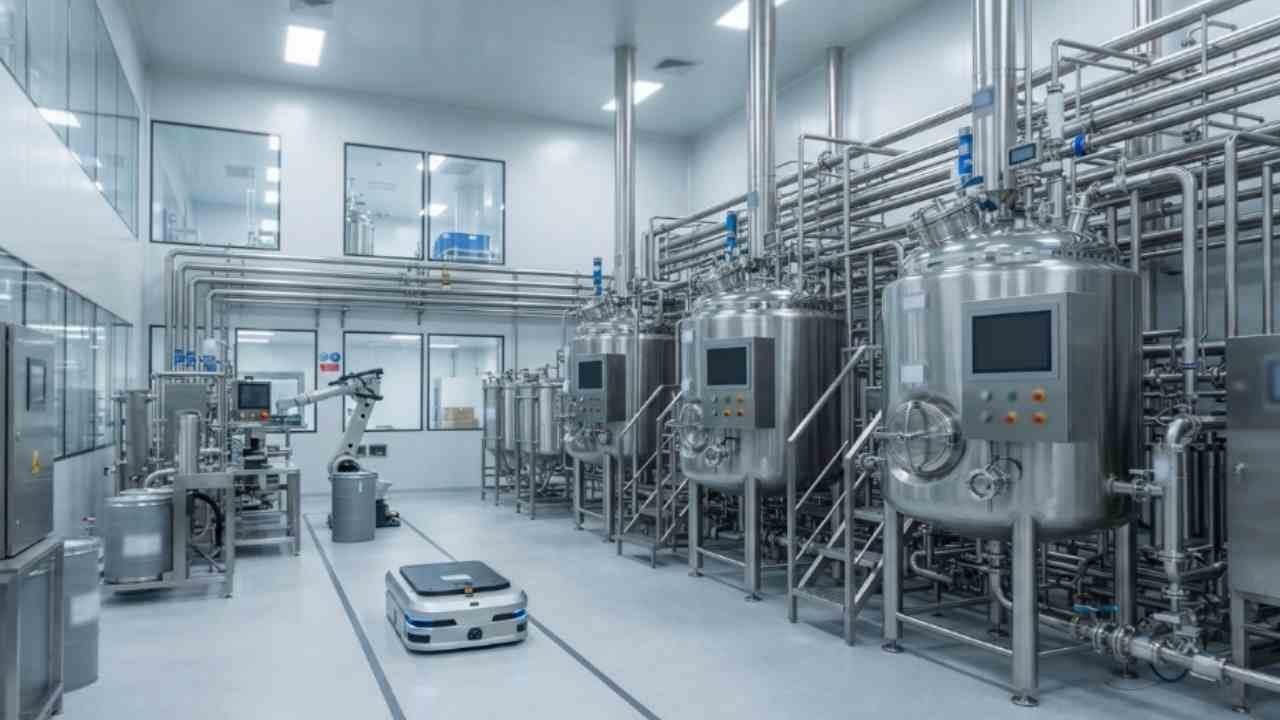
Suppliers can prepare for future demand by upgrading to automated, GMP-compliant cleanrooms, integrating circular wastewater treatment systems to ensure environmental compliance, and acquiring global certifications such as FAMI-QS, FSSC 22000, and Kosher.
Dive Deeper into Plant Upgrades and Certification Alignment
Securing a reliable, long-term share of the global amino acid market requires manufacturers to upgrade their facilities to meet strict international standards. The first priority is upgrading physical cleanrooms and packing zones to meet GMP standards. This process ensures that drying, sieving, and packaging stages occur in climate-controlled environments with high-efficiency particulate air (HEPA) filtration, preventing batch-to-batch cross-contamination and microbial pollution.
Equally critical is the implementation of circular water treatment and energy recovery systems. Because bioreactors generate large volumes of organic waste, factories that operate high-efficiency biological water treatment plants avoid the risk of sudden environmental shutdowns during local regulatory audits. Furthermore, suppliers must align their operations with globally recognized certification schemes, including FAMI-QS for feed-grade mixtures, FSSC 22000 for food safety, and Halal or Kosher standards for dietary access. Sourcing partners like FINETECH manage these strategic preparations for international buyers. They audit Chinese factories, verify certificate validity dates, and inspect the physical cleanrooms, ensuring that buyers only partner with forward-looking suppliers that can guarantee consistent quality, environmental compliance, and steady deliveries for years of commercial cooperation.
| Supplier Preparation | Technical Sourcing Action | Sourcing Operational Value | Expected Quality Outcome |
|---|---|---|---|
| GMP Cleanrooms | Upgrade drying and packing zones | Prevents microbial pollution | High purity, low pathogen counts |
| Circular Filtration | Install advanced waste treatment | Eliminates regulatory shutdowns | Guaranteed, year-round deliveries |
| Global Certificates | Renew FAMI-QS / FSSC 22000 | Assures fast import customs | Seamless border clearance |
| On-the-ground Audits | Partner with firms like FINETECH | Inspects physical operations | Verification of batch consistency |
Conclusion
The future of the amino acid series market is driven by precision fermentation, advanced synthetic biology, a shift toward non-animal plant-based sources, and automated, environmentally compliant manufacturing technologies.
-
This section of the US eCFR (Title 21, Part 172) lists the direct food additive standards and Food Chemicals Codex specifications for amino acids, including DL-methionine, permitted in human food. ↩
-
This peer-reviewed PMC research paper reviews metabolic engineering and industrial microbial fermentation strategies for optimized high-yield production of commercial amino acids. ↩
-
A comprehensive review in Portland Press detailing engineering advancements in Corynebacterium glutamicum to optimize cell factories for high-yield industrial food and feed additive synthesis. ↩
-
A scientific paper in Frontiers in Bioengineering and Biotechnology analyzing the valorization of non-food agricultural waste as alternative carbon substrates in circular bio-manufacturing. ↩
-
Official regulatory guidance from the FDA providing answers on fortification policy, which governs safe practices for adding amino acids and other nutrients to foods. ↩