Ignoring macro shift dynamics in the chemical bioeconomy causes buyers to overpay for outdated processing forms and miss supply chain cost reductions. Obsolete strategies limit growth. Tracking future shifts secures margins.
The global DL-Methionine market is evolving through rising demands for precision animal nutrition, green chemistry manufacturing upgrades, major capacity expansions in the Asia-Pacific region, and the emerging transition from solid to liquid delivery formats.
Successfully planning bulk procurement programs requires a forward-looking analysis of biotechnology and international manufacturing scales. Sourcing managers must evaluate future industry trends to protect their raw material pipelines. Sourcing partners like FINETECH simplify factory checks, verify production compliance, and secure competitive pricing directly in China to guarantee bulk deliveries. This guide analyzes the key trends shaping the DL-Methionine market.
What Is Driving Future Demand for DL-Methionine?
Sourcing high-volume active amino acids during unexpected global demand shifts leads to supply bottlenecks, delayed product releases, and increased procurement costs. Volatile demand threatens stable planning. Forecasting consumption trends secures supply.
Future demand is driven by the global expansion of poultry and swine farming, the need to improve feed conversion ratios, rising consumer protein consumption, and strict environmental regulations requiring the reduction of nitrogen emissions in animal manure.
Dive Deeper into Protein Optimization and Environmental Reductions
The future global demand for DL-Methionine is primarily driven by the structural modernization of the animal nutrition and feed additives industry. As the world's population increases, livestock producers face immense pressure to produce greater yields of high-quality poultry, swine, and seafood. DL-Methionine is critical to this optimization process because it acts as a limiting amino acid that triggers cellular protein synthesis, improving weight gain and egg-laying efficiency while optimizing the overall feed conversion ratio1.
Additionally, environmental regulatory frameworks are playing a major role in driving consumption. Traditional feed formulations often rely on excess crude protein, such as soybean meal, which results in elevated nitrogen excretion in animal waste, leading to soil and water pollution. By formulating feeds with precise levels of synthetic DL-Methionine, feed mills can reduce total crude protein levels by several percentage points while maintaining target animal growth rates. This reduction in crude protein lowers nitrogen emissions2 in livestock manure, helping commercial farms meet strict environmental targets. The rising global demand for sustainably produced meat products ensures that DL-Methionine remains a central component of modern, eco-friendly precision livestock nutrition strategies.
| Demand Driver | Target Industry Segment | Chemical Role in Formulation | Expected Market Impact |
|---|---|---|---|
| Poultry Broilers | Commercial poultry feed | 1st limiting amino acid | High, consistent volume demand |
| Swine Nutrition | Swine production | Improves lean muscle building | Steady, year-round purchasing |
| Aquaculture | Aquafeed formulations | Replaces marine fishmeal | Rapidly growing specialty sector |
| Environmental Rules | Intensive livestock farming | Lowers total crude protein | Reduces nitrogen waste emissions |
How Is Production Technology Improving DL-Methionine?
Relying on old-fashioned production methods keeps manufacturing yields low and leaves your supply chain vulnerable to environmental penalties. Outdated biotechnology inflates fees. Advanced green chemistry engineering stabilizes costs.
Production technology is improving through the utilization of advanced green chemistry synthesis pathways, real-time automated process controls, and environmental innovations designed to reduce greenhouse gas emissions and minimize chemical byproducts.
Dive Deeper into Green Chemistry Synthesis and Precursor Optimization
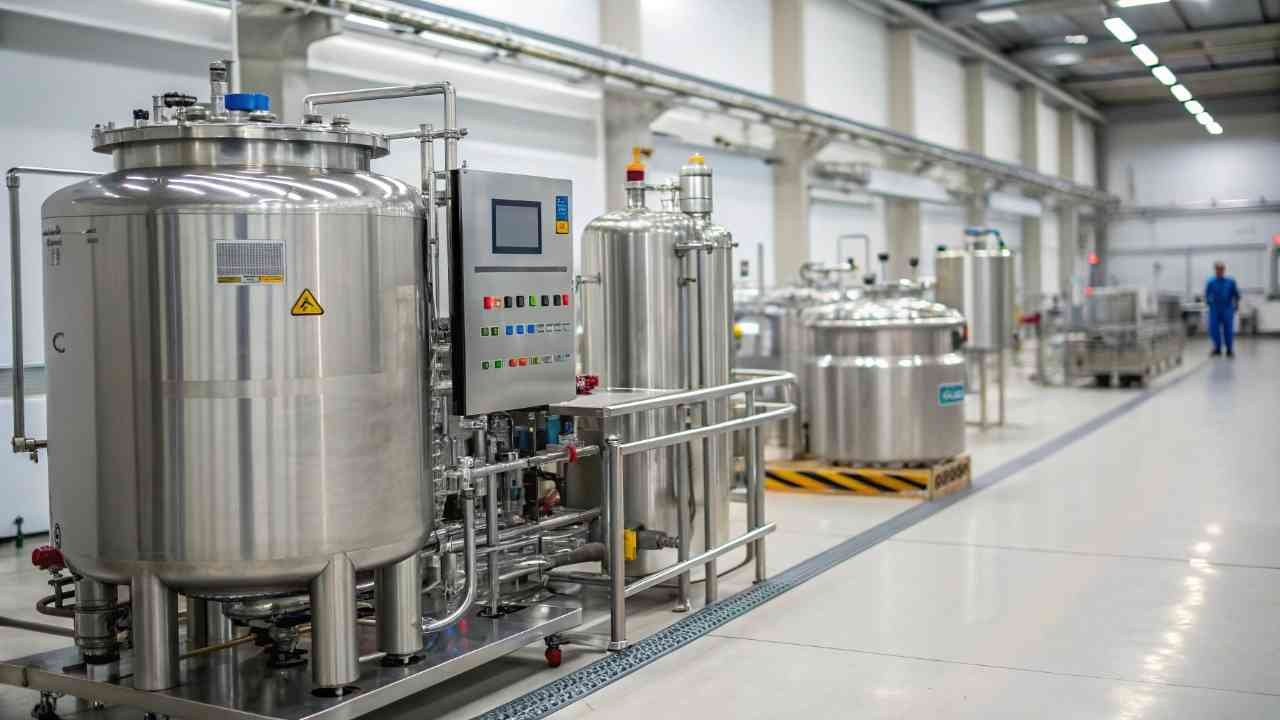
Technological advancements in the manufacturing of DL-Methionine are focused on improving chemical synthesis pathways, lowering energy consumption, and reducing the environmental footprint of production facilities. Because DL-Methionine has historically been produced through a complex multi-step chemical synthesis relying on hazardous petrochemical precursors—specifically methyl mercaptan, acrolein, and hydrogen cyanide—modern plant designs focus heavily on green chemistry innovations. Leading chemical companies are investing in advanced catalytic systems that allow for cleaner synthesis loops, reducing hazardous byproducts and optimizing raw material conversion rates.
Furthermore, automation and process integration are driving down utility costs. Modern facilities implement distributed control systems (DCS) that monitor chemical reaction parameters, temperature, and pressure in real time, preventing batch failures and ensuring uniform crystallization. To support circular economy initiatives, manufacturers are also developing methods to utilize bio-based methanol and circular sulfur sources, reducing the carbon intensity of the production process. While biosynthetic and precision fermentation routes for L-Methionine3 are emerging as premium alternatives, chemical synthesis technology for racemic DL-Methionine continues to advance, ensuring that the solid and liquid formats remain the most cost-effective and chemically stable options for large-scale agricultural operations.
| Technological Advance | Applied Chemical Method | Production Cost Impact | Sourcing Sustainability Benefit |
|---|---|---|---|
| Green Catalysts | Advanced synthesis loops | High yield, shorter cycles | Minimizes chemical process waste |
| Process Integration | DCS real-time sensor checks | Increases output per batch | Reduces energy and utility overheads |
| Circular Feedstocks | Bio-based methanol use | Lowers baseline material costs | Supports greenhouse gas reduction |
| Precursor Safety | Enclosed gas capture units | Eliminates accidental releases | Enhances local safety compliance |
Which Regions Will Lead DL-Methionine Market Growth?
Focusing procurement resources on static or saturated regions restricts sales expansion and leads to intense margin-squeezing price wars. Saturated markets stunt growth. Targeting emerging economic zones accelerates revenues.
The Asia-Pacific region will lead global growth due to expanding livestock industries, rising disposable incomes, and the consolidation of China's production capacity, while North America and Europe remain high-value centers for premium grades.
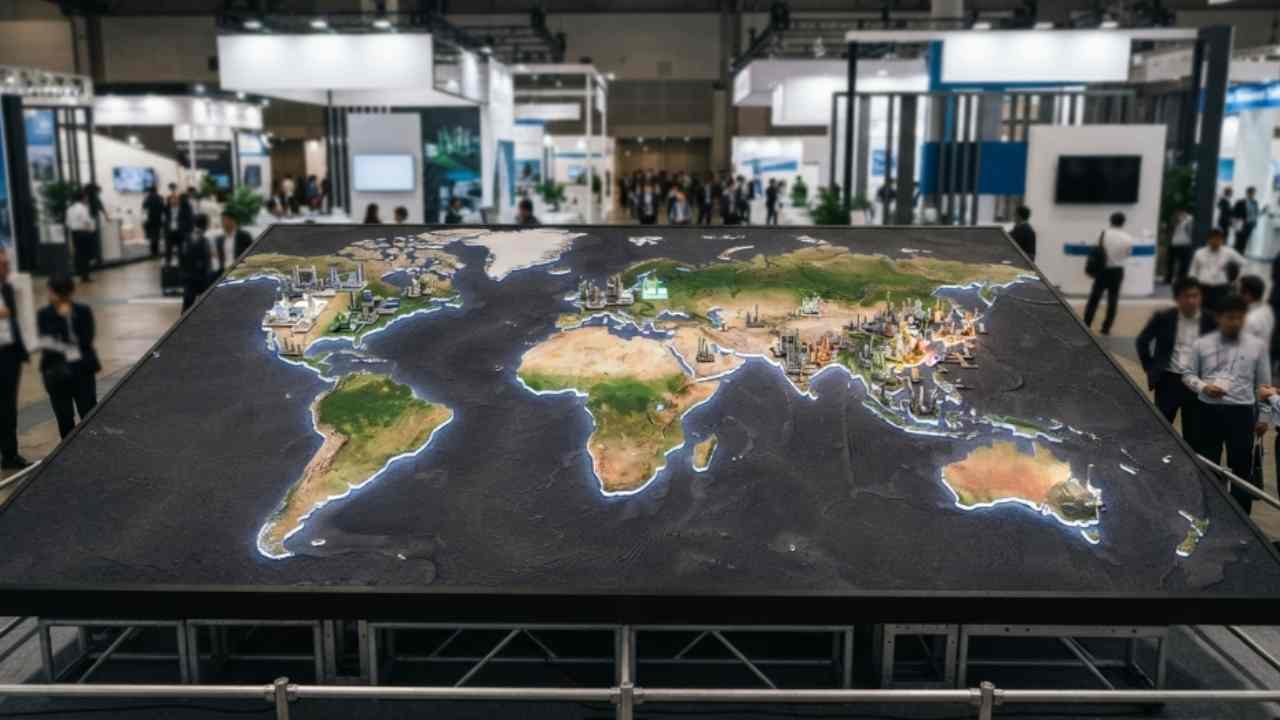
Dive Deeper into Asia-Pacific Sourcing and Western Market Dynamics
Analyzing the geographic distribution of the DL-Methionine market reveals a distinct shift in both consumption growth and manufacturing capacity toward the Asia-Pacific region. Led by China, India, and Southeast Asian nations like Vietnam, the Asia-Pacific region represents the fastest-growing market. This growth is driven by rapid urbanization, rising disposable incomes, and a major dietary transition toward animal-based protein consumption. Additionally, the region hosts a rapidly expanding aquaculture4 sector, where feed-grade DL-Methionine is widely used to replace expensive, scarce marine fishmeal in fish and shrimp feeds.
On the production side, China has consolidated its position as the largest manufacturing base, now controlling approximately forty percent of global DL-Methionine capacity. Major integrated producers continue to scale their facilities in Chinese petrochemical zones to utilize low-cost local feedstocks and energy utilities. While North America and Europe remain mature, high-value markets for premium pharmaceutical-grade methionine and certified sustainable feed additives, their growth rates are lower than those in emerging Asian economies. Sourcing partners like FINETECH help international importers navigate this regional market, managing direct relationships with leading Chinese producers to secure priority volume allocations and organize compliant ocean shipping routes to Western ports.
| Geographic Region | Current Demand Status | Primary Growth Driver | Key Sourcing Requirement |
|---|---|---|---|
| Asia-Pacific | Largest & fastest growth | Livestock expansion, food use | Volume contracts with direct plants |
| North America | Large, high-value market | Sports recovery, pharma R&D | Strict USP monographs & certifications |
| Europe | Moderate growth, high value | Non-animal, vegan demands | Non-GMO allergen-free IP status |
| Latin America | Emerging market segment | Poultry feed, protein exports | Cost-effective synthetic formulations |
What Opportunities Are Emerging in the DL-Methionine Industry?
Failing to utilize emerging chemical delivery formats can limit your product's processing efficiency and drive up packaging disposal overheads. Rigid formulations slow growth. Adopting fluid delivery systems reduces costs.
Emerging opportunities are driven by the growing transition from solid to liquid methionine, pet food premiumization requiring high-purity food-grade additives, and the utilize of customized amino acid pre-blends for precision animal nutrition.
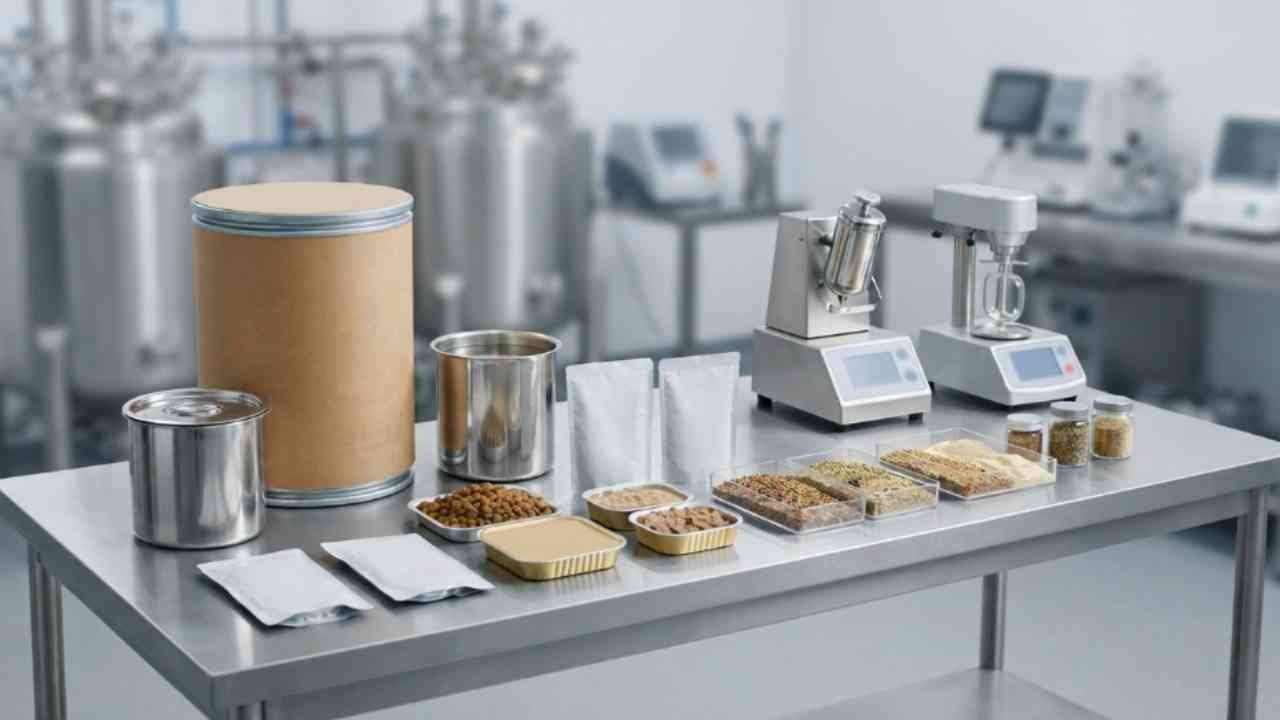
Dive Deeper into Liquid Methionine and Pet Food Premiumization
The evolution of the DL-Methionine industry is creating new commercial opportunities for both product developers and procurement managers. One of the most significant opportunities is the rapid transition from standard solid powder to liquid methionine, specifically methionine hydroxy analogue (MHA-FA)5. Large-scale, automated feed mills increasingly favor liquid formats because they can be sprayed directly into mixers, reducing dust explosion hazards, lowering packaging disposal costs, and streamlining automated bulk handling. This technical transition has prompted major chemical manufacturers to expand their liquid methionine production capacities in European and Asian hubs.
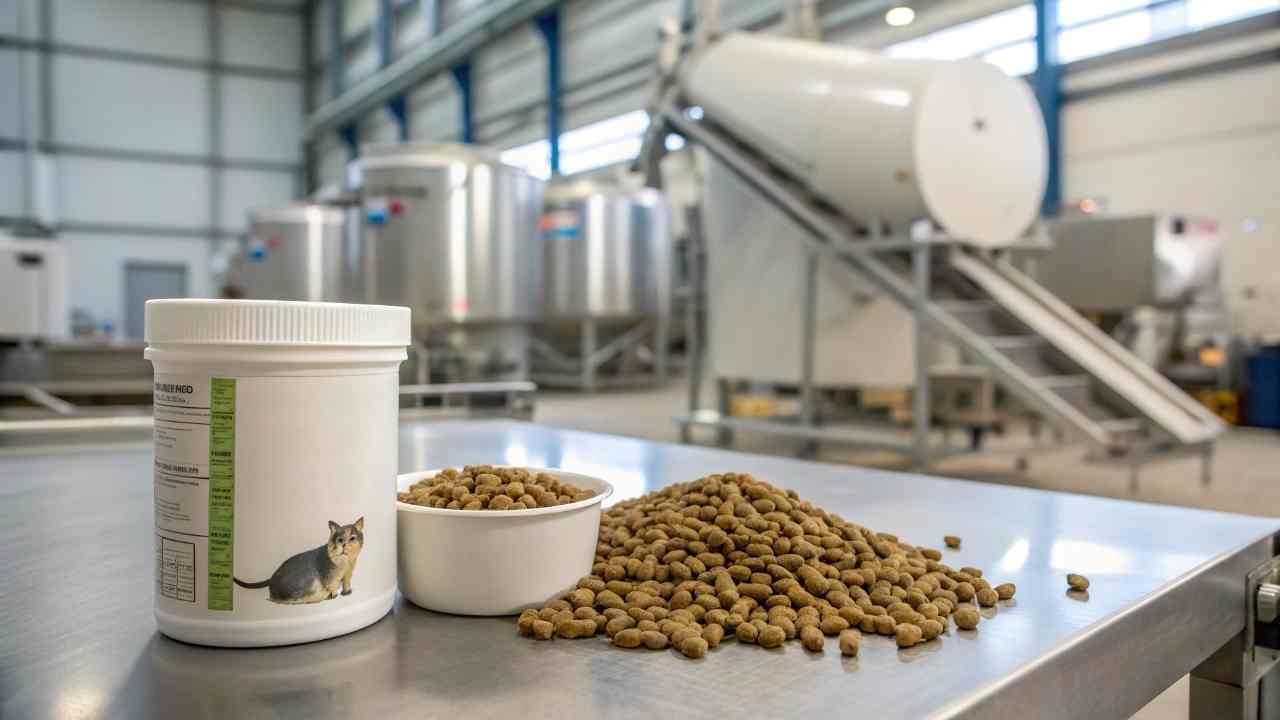
Another lucrative segment is the premiumization of the global pet food industry. Domestic pets require balanced levels of sulfur amino acids for metabolic health, dense coat growth, and urinary tract health. Pet food brands are increasingly fortifying cat and dog kibble with high-purity, food-grade DL-Methionine to prevent urinary stone formation by regulating urine acidity. Additionally, customized amino acid pre-blends are gaining traction in personalized animal nutrition, allowing feed blenders to order tailored combinations of methionine, lysine, and threonine. Sourcing partners like FINETECH help buyers utilize these emerging opportunities by sourcing specialized solid, liquid, and customized pre-blend grades from certified Chinese factories.
| Emerging Opportunity | Market Trend Driver | Required Sourcing Grade | Expected Profit Margin |
|---|---|---|---|
| Liquid Methionine | Automated feed-mill handling | Liquid MHA-FA solution | Lowers packaging & handling overheads |
| Pet Food Premiumization | Clean-beauty hair and skin | Food-grade active crystals | High, premium price points |
| Customized Pre-Blends | Precision animal nutrition | Dust-free granulated mixtures | High, added-value margins |
| Cosmetic Bio-Actives | Anti-aging skincare formulas | High-purity pharma grade | High, premium formulation margins |
How Can Buyers Prepare for Future DL-Methionine Market Changes?
Purchasing bulk chemical compounds strictly on the spot market exposes your supply chain to extreme price volatility and unexpected inventory shortages. Spot buys increase cost risks. Implementing strategic purchasing controls protects margins.
Buyers can prepare for market changes by implementing multi-source supplier approval plans, signing annual volume frame agreements with index-pricing formulas, and partnering with local sourcing agents to monitor factory outputs and logistics.

Dive Deeper into Strategic Multi-Sourcing and Price Hedging
Securing a stable, cost-effective raw material supply chain in a volatile chemical market requires buyers to transition from short-term spot purchasing to structured strategic sourcing. Because the DL-Methionine market is highly consolidated and dominated by a few global chemical giants, any unexpected regional plant shutdown, logistics bottleneck, or raw material shortage can quickly restrict global spot availability and drive prices upward. To mitigate these risks, buyers must implement a multi-source supplier approval plan, qualifying and approving alternative factories across different geographic regions to ensure supply continuity.
Furthermore, buyers can stabilize their purchasing costs by signing annual volume frame agreements with pricing formulas linked to transparent feedstock and energy indexes. Sharing rolling demand forecasts with suppliers also ensures that raw material safety stocks are pre-allocated during high-demand seasons, preventing sudden winter stockouts. Working with an experienced local sourcing partner is equally critical to manage these market shifts. Sourcing partners like FINETECH provide direct on-the-ground representation in China. They monitor local factory maintenance schedules, evaluate environmental compliance records, verify active certificates, and manage pre-shipment quality checks, protecting buyers from unexpected market disruptions and ensuring consistent delivery quality.
| Sourcing Cost Control | Technical Sourcing Action | Sourcing Operational Benefit | Expected Quality Outcome |
|---|---|---|---|
| Annual Frame Contracts | Lock in volume allocations | Stabilizes prices against spikes | Consistent supply security |
| Multi-Sourcing Plans | Qualify backup factories | Eliminates single-source failures | Continuous production stability |
| Bulk Packaging | Use 1 MT jumbo bags | Reduces packing labor fees | Free-flowing, low-loss dry powder |
| Local Sourcing Experts | Partner with firms like FINETECH | Bypasses trading broker markups | Direct-from-factory pricing and safety |
Conclusion
Preparing for future DL-Methionine trends requires tracking regional demand shifts, utilizing advanced production technologies like liquid formats, diversifying supplier networks, and partnering with local sourcing experts in China.
-
A peer-reviewed scientific paper published in MDPI Animals evaluating the performance, carcass yield, and optimization of the feed conversion ratio in poultry fed diets supplemented with varying levels of DL-methionine. ↩
-
A classic research study in the Journal of Dairy Science demonstrating how feed crude protein reductions combined with synthetic methionine supplementation substantially decrease nitrogen emissions and ammonia volatilization from slurry. ↩
-
A comprehensive review paper in Biotechnology Advances detailing recent developments in the microbial production and systems metabolic engineering of L-methionine cell factories as a green alternative to petrochemical synthesis. ↩
-
A peer-reviewed scientific study in MDPI Animals investigating fishmeal replacement in whiteleg shrimp (Penaeus vannamei) aquaculture, demonstrating that DL-methionine supplementation successfully offsets fishmeal withdrawal while ensuring economic efficiency. ↩
-
A peer-reviewed 2026 study in MDPI Animals evaluating the relative bioefficacy, growth performance, and carcass yield of broilers supplemented with liquid methionine hydroxy analogue-free acid (MHA-FA) versus dry DL-methionine. ↩