

Is your entire production plan dependent on a single supplier? A single unexpected factory shutdown, price spike, or shipping delay can halt your business, a risk you cannot afford.
The key risks in Sucralose procurement are supply disruptions from factory shutdowns, price volatility driven by raw materials, and logistical delays. These are mitigated by building a resilient supply chain through supplier diversification, long-term contracts, and holding strategic safety stock.
A professional buyer's main job is not just to find the lowest price, but to manage risk. For a Purchasing Director, an empty warehouse is far more costly than paying a fair price for a reliable supply. A professional procurement strategy is a defensive one—it is about anticipating problems and building a supply chain strong enough to withstand them.
What supply risks affect Sucralose availability?
Are you 100% dependent on a single factory? What happens to your business if that factory has a fire or is shut down by new regulations tomorrow?
The main supply risks are factory shutdowns due to accidents or regulations, raw material shortages, and geopolitical disruptions. Because global Sucralose production is highly concentrated in China, any of these events can have an immediate and severe impact on global availability.
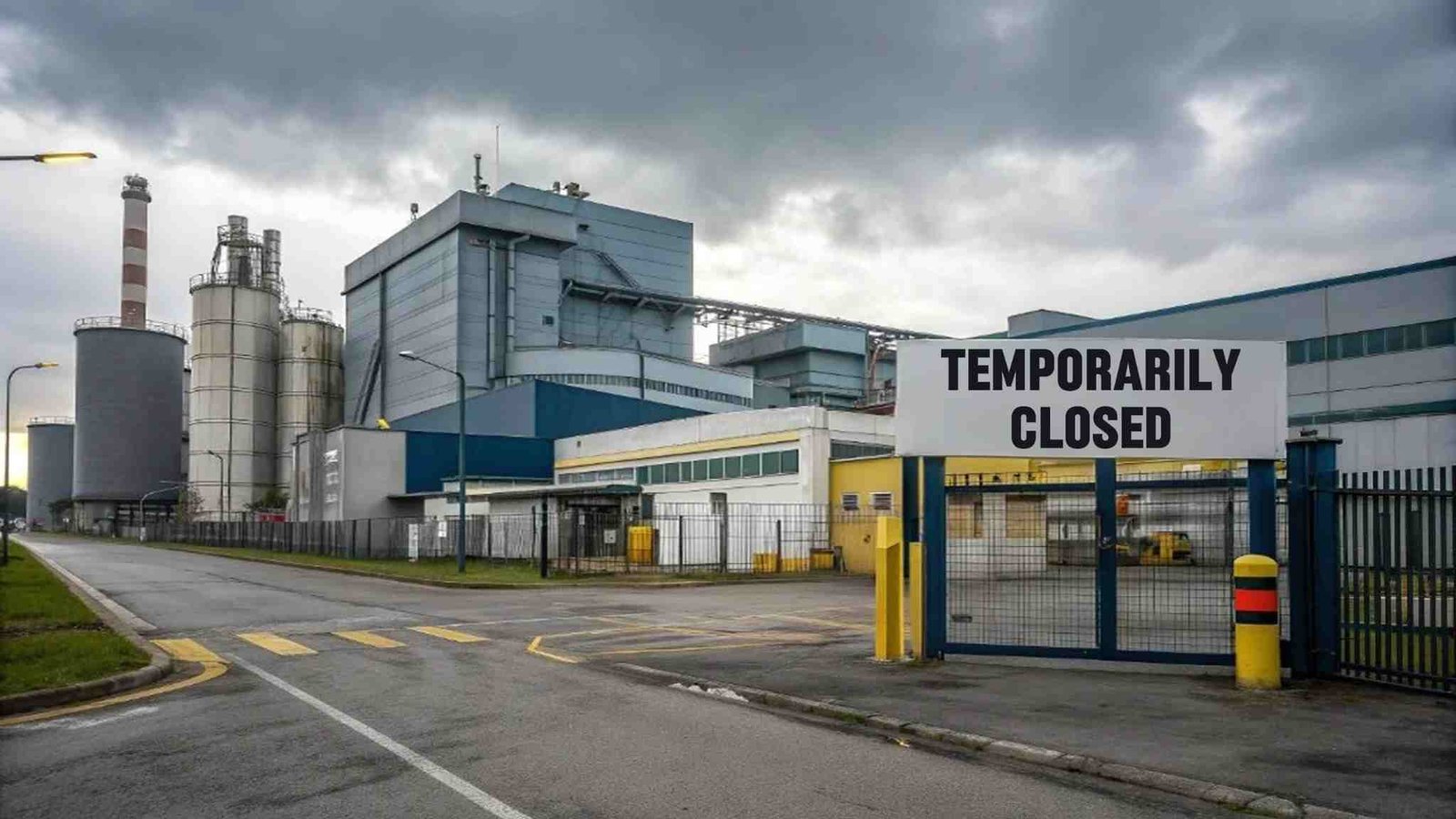
The main supply risk stems from production concentration1 in China. Any major event in the region can tighten the global supply. The most severe risk is an unplanned factory shutdown2 at your single supplier due to an accident or force majeure. This would immediately stop your supply. Additionally, shortages or price spikes in raw materials like sugar or petrochemicals can lead to production cuts and impact availability.
Key Supply Risks Overview:
| Risk Type | Example Event | Impact on a Buyer Dependent on a Single Supplier |
|---|---|---|
| Geographic Concentration | New environmental regulations in China. | Market-wide price increases and tighter supply. |
| Factory Shutdown | A fire or accident at your supplier's factory. | A complete, immediate stop to your supply. |
| Raw Material Shortage | A global spike in sugar or oil prices. | Significant price increases passed on from the factory. |
How do price changes impact Sucralose procurement?
Is it impossible to create an accurate annual budget for Sucralose? The price seems to change with every order, making financial planning a constant guessing game.
Price changes create significant budget uncertainty for Sucralose buyers. Sudden price spikes, driven by raw material costs or supply shocks, can destroy a product's profit margin and make long-term financial planning extremely difficult. Volatility is a direct financial risk.

Price volatility is a major financial risk. A sudden price spike can directly destroy your product's profit margins, as you often cannot pass the increase on to your customers immediately. This also makes budgeting and long-term financial planning3 incredibly difficult and inaccurate. For a professional buyer, the predictability of a stable price is often more valuable than the potential savings of a volatile spot market.
Impact of Pricing Models on Business Planning:
| Pricing Model | Impact on Budgeting | Impact on Profit Margins | Business Stress Level |
|---|---|---|---|
| Volatile Spot Price | Difficult and inaccurate. | Unpredictable and at risk. | High |
| Stable Contract Price | Easy, accurate, and predictable. | Protected and stable. | Low |
How can buyers reduce risk with multiple Sucralose suppliers?
Do you feel trapped by your relationship with your single supplier? Their price increases are your price increases. Their production delays are your production delays.
Using at least two qualified suppliers is the most effective strategy to reduce risk. This diversification creates supply chain redundancy, ensuring a problem at one factory does not stop your business. It also promotes healthy competition, which ensures you always get fair market pricing.

Relying on a single source is a gamble. The professional strategy is supplier diversification4. By having at least two qualified suppliers, you create redundancy. If your primary supplier has a problem, you can immediately increase volume with your secondary supplier, turning a crisis into a simple administrative task. A common approach is the 80/20 allocation strategy5: give 80% of your business to your main partner and 20% to your backup. This gives you a strong partnership and a fully functional insurance policy.
Single vs. Dual Supplier Strategy:
| Factor | Single Supplier Strategy | Dual Supplier Strategy (80/20) |
|---|---|---|
| Supply Security | Very High Risk. Single point of failure. | Low Risk. Redundancy is built-in. |
| Price Leverage | Low. The supplier has all the power. | High. You have a real-time market benchmark. |
| Relationship | Can be strong, but you are dependent. | Can build a strong strategic partnership with the primary. |
How can contracts secure long-term Sucralose supply?
Are you tired of negotiating the price and terms for every single shipment? This constant back-and-forth is inefficient and exposes you to every short-term market fluctuation.
A long-term contract is a powerful risk management tool. It legally secures a specific volume of Sucralose over a 6 to 12-month period and locks in a fixed price, which protects the buyer from both supply shortages and price volatility.

A contract is a strategic decision to prioritize stability. It gives you two powerful protections. First, it secures your volume. In any market shortage, contract customers are legally required to be served first. Second, it eliminates price volatility6 by locking in a fixed price for the year. This gives you absolute budget certainty and protects your profit margins. A contract transforms your procurement from a transactional, reactive process into a stable, strategic partnership.
Spot Buying vs. Contract Buying:
| Feature | Spot Buying | Long-Term Contract |
|---|---|---|
| Supply Guarantee | None. First-come, first-served. | Legally Guaranteed. Contract customers are served first. |
| Price Stability | None. Subject to 100% market volatility. | Complete. The price is fixed for the contract term. |
| Budgeting | Difficult and unpredictable. | Simple and predictable. |
| Relationship | Transactional. | Strategic Partnership. |
How can buyers plan for Sucralose emergencies?
A global pandemic, a war, a natural disaster... major disruptions are becoming more common. If your supply chain breaks down, what is your plan B?
Buyers plan for emergencies by holding a strategic safety stock. This on-site inventory acts as a critical buffer, insulating production from unexpected delays. Maintaining a fully qualified secondary supplier and having an open communication plan are also essential components.
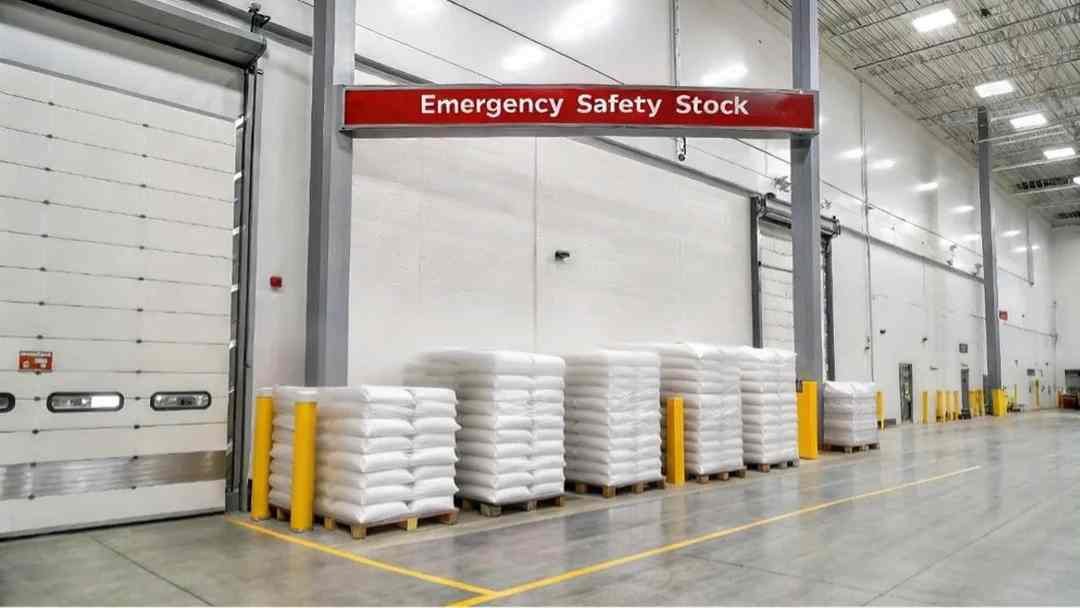
A professional buyer has an emergency plan. The most important element is a safety stock. This is a reserve inventory (e.g., 4-6 weeks of supply) that acts as a buffer, making your production immune to short-term delays. Your second line of defense is your qualified secondary supplier. In a prolonged crisis, they are your active backup. The key is to have this supplier already qualified before an emergency happens.
Emergency Planning Checklist:
| Plan Component | Action | Purpose |
|---|---|---|
| Safety Stock | Determine and hold 4-6 weeks of inventory as a reserve. | Provides an immediate buffer against any sudden disruption. |
| Secondary Supplier | Qualify and maintain an active relationship with a backup supplier. | Provides a long-term alternative source in a major crisis. |
| Communication Plan | Establish clear emergency contacts with your key partners. | Ensures you get fast, accurate information to make decisions. |
Conclusion
Risk is a part of global trade. A professional procurement strategy is about actively managing it through supplier diversification, long-term contracts, and robust emergency planning.
-
Understanding the risks of production concentration can help businesses mitigate supply chain vulnerabilities. ↩
-
Exploring causes and prevention strategies for unplanned factory shutdowns can enhance operational resilience. ↩
-
Exploring this topic can provide insights into effective financial strategies amidst market fluctuations. ↩
-
Explore this link to understand how supplier diversification can mitigate risks and enhance your supply chain resilience. ↩
-
Learn about the 80/20 allocation strategy to optimize your supplier relationships and improve operational efficiency. ↩
-
Exploring the impact of price stability on budgeting and profit margins can enhance your financial strategies. ↩