
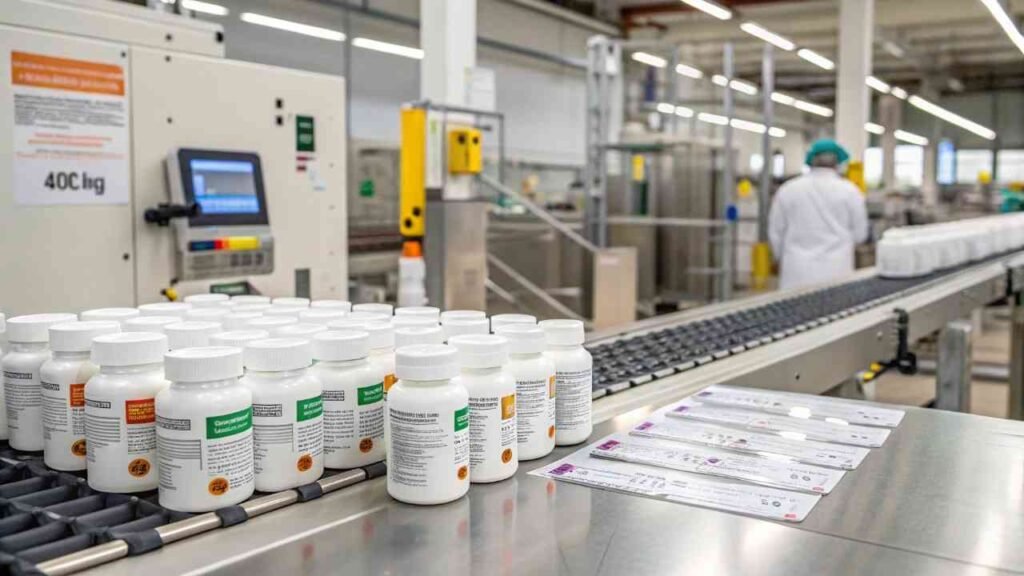
Changing consumer behaviors and supply line disruptions make planning Vitamin B inventory difficult. Outdated purchasing strategies cause budget overruns and missed sales. Examining market trends resolves this uncertainty.
The Vitamin B series market is shaped by expanding food fortification programs, rising demand for active bioavailable forms like methylcobalamin, rapid growth in the Asia-Pacific nutraceutical sector, and ongoing supply challenges related to trade tariffs and production consolidation in China.
Successful global procurement operations depend on thorough supplier auditing and strict quality verification. Importers must look beyond basic commercial pricing to verify regulatory and technical alignment. Sourcing partners like FINETECH simplify this process by choosing qualified factories, managing strict production checks, and organizing secure delivery schedules. This comprehensive guide outlines the strategic trends shaping the Vitamin B series market.
What Industries Drive Demand for Vitamin B Series?
Relying on a single market sector leaves your raw material sales vulnerable to sudden industry downturns. Unmonitored industry shifts create commercial risks. Examining the primary drivers of demand secures business plans.
The primary industries driving demand for the Vitamin B series are animal feed, human dietary supplements, pharmaceuticals, fortified food and beverages, and personal care. These diverse applications ensure steady, year-round demand for different vitamin grades.
Dive Deeper into Key Industrial Verticals
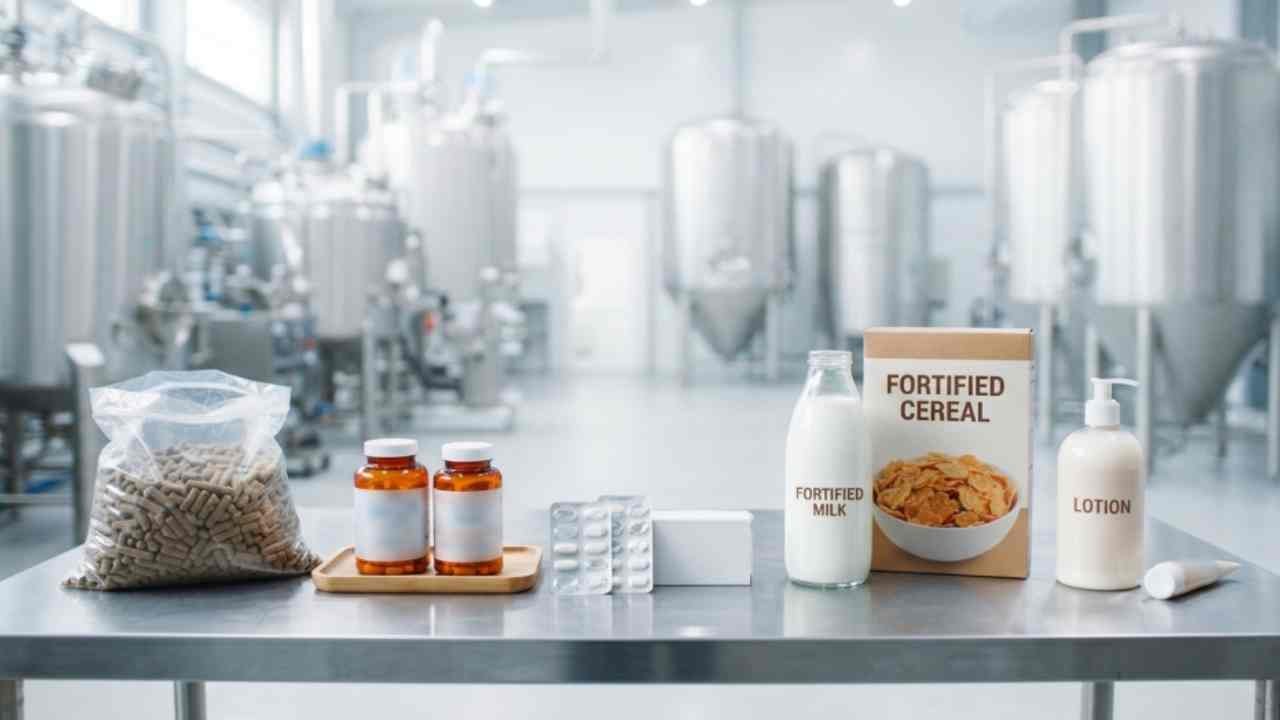
The demand for the Vitamin B series spans multiple massive global industries. The animal feed sector is historically the largest consumer by volume, utilizing vitamins B2, B5, and B12 as essential additives in swine, poultry, and aquaculture feeds. These nutrients are critical for maintaining livestock health and growth rates. In the food and beverage industry, the expansion of staple food fortification1 drives steady bulk demand. Governments in developing regions rely on Vitamin B1, B3, and B9 to enrich wheat flour, rice, and cereals, addressing public health deficiencies.
Additionally, the human dietary supplement and pharmaceutical sectors drive high-value growth. Modern consumers utilize B-vitamins for cognitive support, stress management, and energy metabolism, with demand accelerating across wellness brands. Finally, the personal care and cosmetics sector has emerged as a high-growth vertical. Vitamin B3 (niacinamide2) and Vitamin B5 (panthenol) are highly sought after by skincare brands for their skin-barrier repair and anti-aging benefits. Sourcing managers must evaluate which grade matches their target industry. This differentiation ensures that raw material purchases align with regional food, feed, or cosmetic standards.
| Industrial Sector | Primary Vitamin Used | Key Application Purpose | Sourcing Grade Requirement |
|---|---|---|---|
| Animal Feed | Vitamin B2, B5, B12 | Promotes livestock growth and health | Feed-grade bulk powders |
| Dietary Supplements | Vitamin B12, B6, B9 | Cognitive support and energy | High-purity, active USP/EP grades |
| Food & Beverage | Vitamin B1, B3, B9 | Staple food fortification programs | Food-grade water-dispersible powders |
| Cosmetics | Vitamin B3 (Niacinamide) | Skin barrier repair and anti-aging | Cosmetic-grade high-purity powders |
Which Regions Are Showing Strong Growth in Vitamin B Series Consumption?
Sourcing from countries with fragile logistics networks risks late shipments and port demurrage charges. Concentrated export hubs create regional supply risks. Evaluating top exporting countries secures transport routes.
North America is currently the largest regional market, while the Asia-Pacific region is experiencing the fastest growth in consumption. This growth is driven by rising health awareness, increasing disposable incomes, and expanding nutraceutical manufacturing in China and India.
Dive Deeper into Regional Growth Dynamics
The global consumption of the Vitamin B series demonstrates distinct regional trends. North America currently commands the largest market share, driven by well-established healthcare infrastructures and high consumer spending on premium wellness supplements. The region's consumers are highly aware of the benefits of active B-complex formulas, maintaining a stable, mature demand profile. Similarly, Germany and other European nations maintain strong regulatory standards and are home to major production facilities, such as BASF3, which support both domestic consumption and export channels.
However, the fastest growth is occurring in the Asia-Pacific region. Rapid urbanization, rising middle-class disposable incomes, and an expanding inclination toward preventive healthcare are fueling consumption in China, India, and Japan. Furthermore, the Asia-Pacific region is rapidly developing into a global hub for nutraceutical manufacturing. Local manufacturers are expanding their capacity to produce finished supplements, increasing their bulk imports of B-vitamins. In emerging markets across the Middle East and Africa, demand is also rising, primarily driven by state-sponsored flour and staple food fortification programs. Sourcing partners like FINETECH analyze these regional flows, helping buyers select export origins that optimize transit times and import duties.
| Region | Current Market Role | Growth Rate | Key Driver |
|---|---|---|---|
| North America | Largest consumption market | Stable / Moderate | Robust supplement and wellness sector |
| Asia-Pacific | Fastest growing region | Rapid / High | Expanding nutraceutical manufacturing |
| Europe | Major production and trade hub | Steady / Moderate | High regulatory and safety standards |
| Middle East/Africa | Emerging import market | Steady | Government staple food fortification |
How Is the Functional Nutrition Market Affecting Vitamin B Series Demand?
Relying on traditional vitamin forms can leave your product line outdated as consumer preferences shift toward higher efficacy. Unprepared brands lose market share. Analyzing functional nutrition trends aligns product development.
The functional nutrition market is driving demand for active, highly bioavailable forms of Vitamin B, such as methylcobalamin and active folates. It is also driving innovations in convenient delivery systems like sublingual sprays and functional beverages.
Dive Deeper into Active Forms and Delivery Innovations
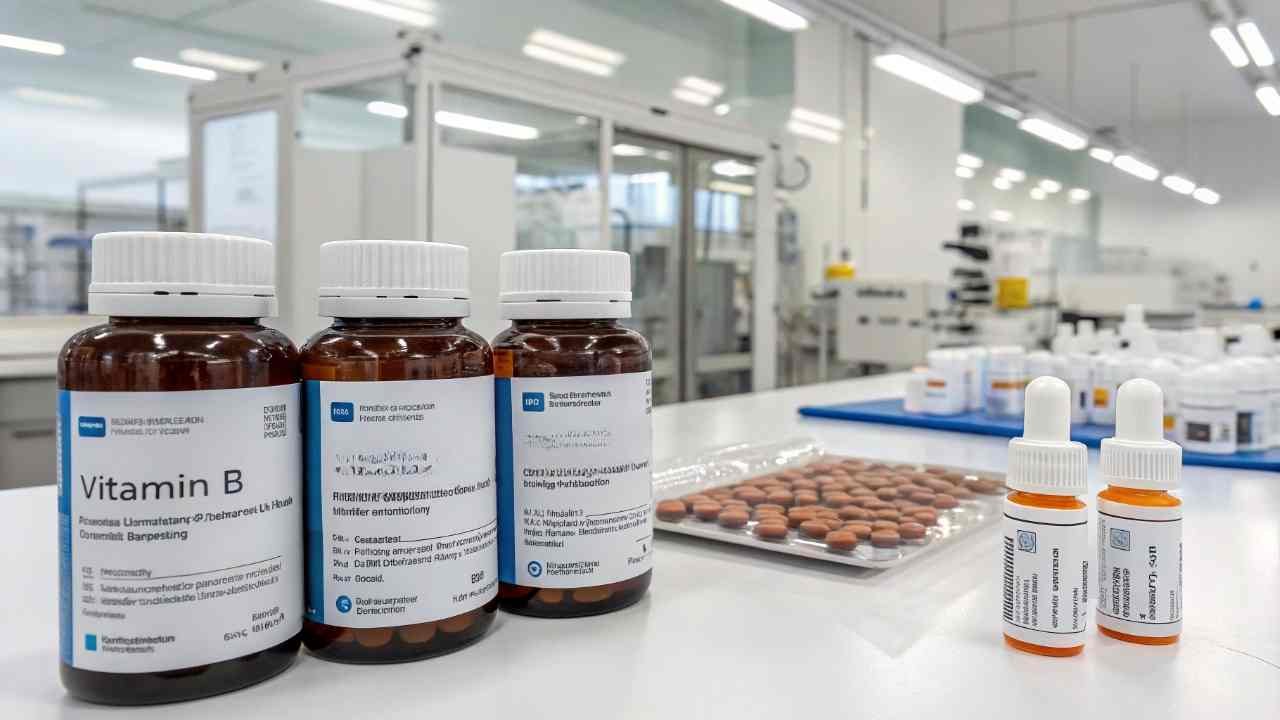
The functional nutrition market is undergoing a major shift toward high-efficacy, premium formulations. Historically, manufacturers relied on standard synthetic forms of B-vitamins, such as cyanocobalamin for Vitamin B12 or folic acid for Vitamin B9. However, modern consumers are highly educated about bioavailability. This awareness has forced nutraceutical brands to reformulate their products using active and bioavailable forms, such as methylcobalamin, adenosylcobalamin, and active L-methylfolate4. These active forms do not require complex conversion steps in the human body, providing superior physiological absorption.
Additionally, innovations in delivery systems are transforming the market landscape. Traditional tablets and capsules are facing competition from sublingual liquids, chewable gummies, intranasal sprays, and functional beverages. These innovative delivery methods bypass the digestive tract to enhance absorption rates while offering superior user convenience. For food and beverage processors, this trend requires utilizing highly stable, water-dispersible cold-water-soluble (CWS) vitamin powders. These specialized raw materials must disperse smoothly without altering the beverage's clarity or taste. Sourcing partners like FINETECH verify that partner factories utilize advanced microencapsulation5 technologies, helping B2B buyers meet the strict stability demands of the functional beverage sector.
| Vitamin Type | Traditional Synthetic Form | Premium Active Form | Target Functional Benefit |
|---|---|---|---|
| Vitamin B12 | Cyanocobalamin | Methylcobalamin | Higher physiological absorption |
| Vitamin B9 | Folic Acid | Active L-Methylfolate | Direct utilization, bypasses conversion |
| Vitamin B6 | Pyridoxine Hydrochloride | Pyridoxal-5-Phosphate | Advanced cognitive brain supplements |
| Vitamin B5 | Calcium Pantothenate | D-Panthenol | High-stability liquid formulations |
What Challenges Are Facing Vitamin B Series Suppliers?
Ignoring supply disruptions and environmental audits can catch you unprepared when raw material prices suddenly surge. Unprepared buyers face unexpected cost increases. Examining supplier challenges helps predict market movements.
Vitamin B series suppliers face challenges including high production consolidation in China, strict environmental regulations, rising energy costs, and fluctuating international trade tariffs, which put upward pressure on manufacturing costs and export logistics.
Dive Deeper into Supply Chain and Regulatory Barriers
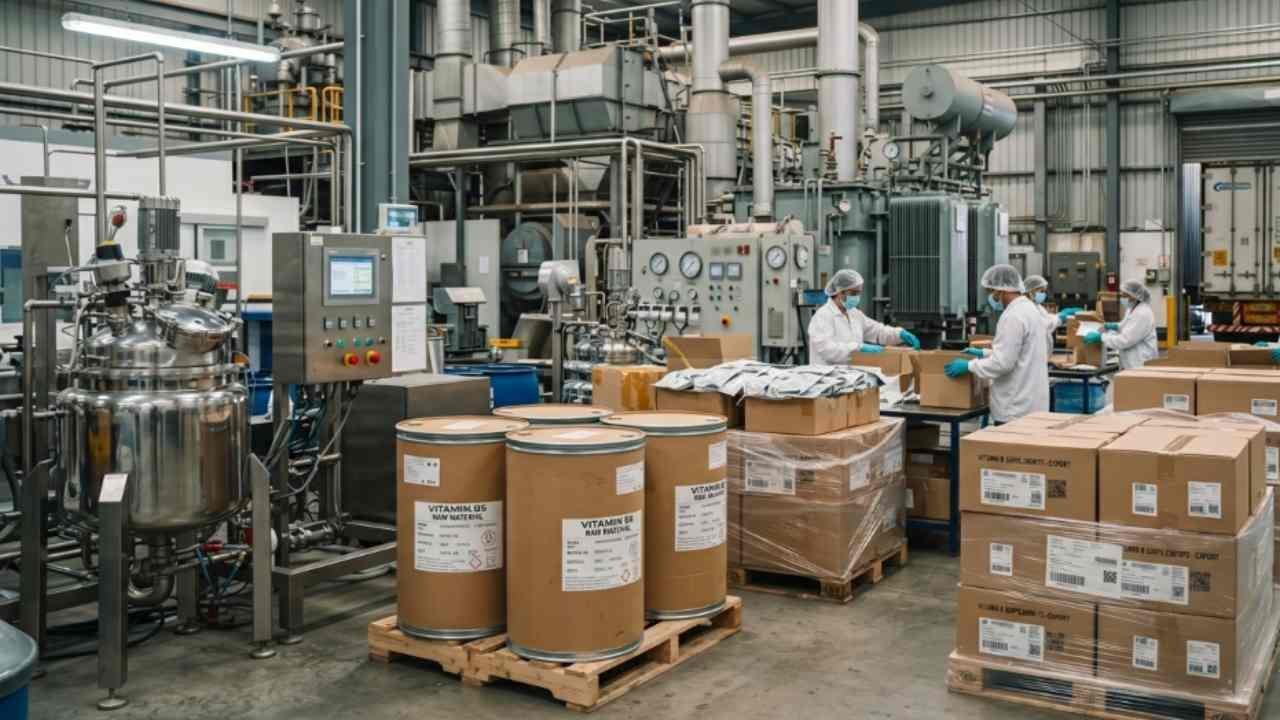
While global demand for the Vitamin B series remains strong, suppliers and importers face several complex operational challenges. The primary challenge is the high geographic concentration of raw material manufacturing. With China producing approximately eighty percent of the global supply, the entire market is vulnerable to Chinese environmental audits and regional power regulations. During national inspection periods, factories must curtail production, causing sudden global volume contractions. Additionally, trade policies and tariff increases heavily influence pricing. In North America, tariffs on Chinese chemicals raise landed import costs, putting margin pressures on smaller supplement brands.
Furthermore, post-pandemic oversupply has forced manufacturers to prioritize value over volume. After a phase of aggressive destocking in late 2025, producers are actively adjusting their output to stabilize prices. Suppliers must also navigate strict compliance requirements, such as REACH registration in Europe and FDA facility registration in the United States. Sourcing managers must conduct thorough supplier audits to ensure that their manufacturing partners comply with these complex rules. Working with an experienced sourcing team allows importers to bypass these regulatory barriers and secure a stable supply of fully certified raw materials.
| Sourcing Challenge | Primary Cause | Operational Impact | Strategic Mitigation |
|---|---|---|---|
| Supply Concentration | 80% production in China | Vulnerability to local shutdowns | Establish alternative sourcing origins |
| Trade Tariffs | US/EU import tax policies | Increases final landed cargo costs | Negotiate favorable contract trade terms |
| Energy Volatility | High utility costs in Europe | Inflates bio-fermentation expenses | Monitor natural gas price fluctuations |
| Compliance Audits | REACH and FDA registrations | Delays border customs clearances | Audit supplier certificates before shipping |
What Opportunities Exist in the Future Vitamin B Series Market?
Missing out on premium specialty vitamin lines can limit your business growth and keep your margins low. Relying on basic commodities limits profitability. Identifying future market opportunities expands commercial success.
The future Vitamin B series market offers significant opportunities in the premiumization of bioavailable active forms, the expansion of vegan-friendly fortified foods, and the growth of e-commerce channels for specialized health supplements.
Dive Deeper into Emerging Market Outlooks
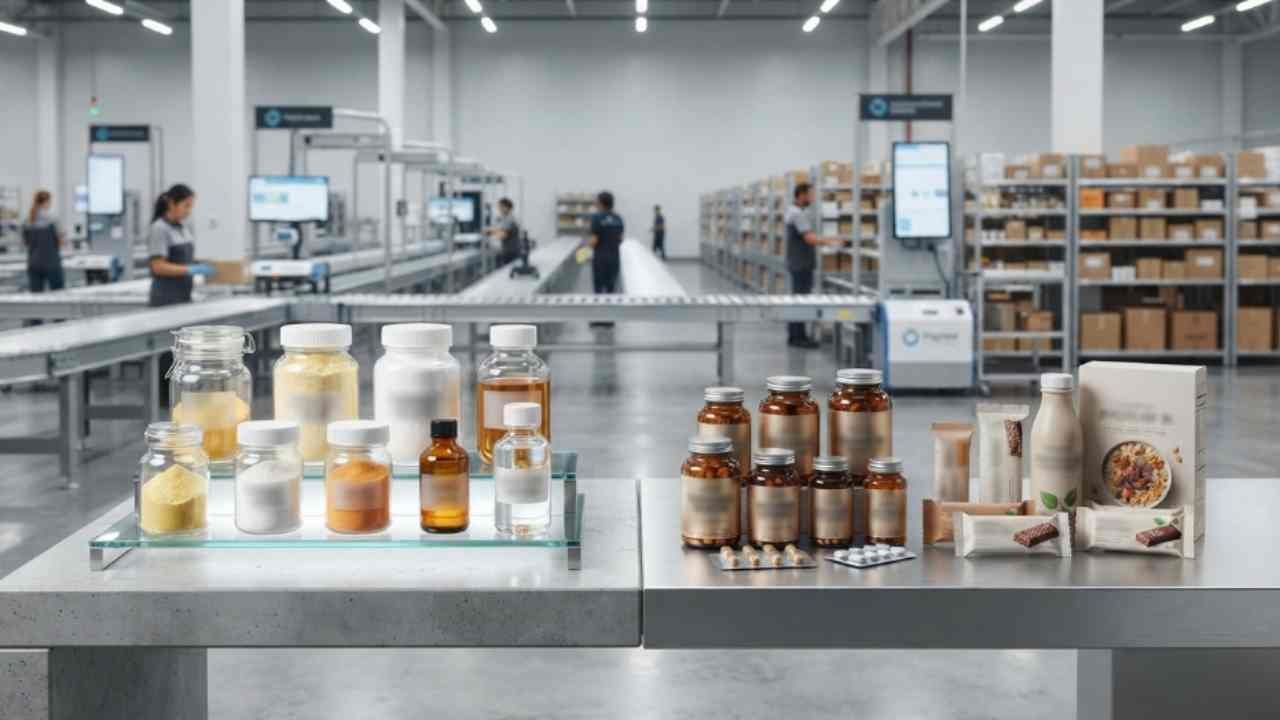
Despite ongoing supply chain challenges, the future Vitamin B series market presents significant commercial opportunities. The first major opportunity lies in the premiumization of active vitamin ingredients. Because nutraceutical brands are willing to pay a premium for highly bioavailable forms like methylcobalamin or active B6 (pyridoxal-5-phosphate), suppliers with advanced biochemical synthesis or fermentation capabilities can expand their profit margins. This shift toward high-margin specialty chemicals represents a valuable growth channel for forward-thinking manufacturers.
The second opportunity is the expansion of functional foods. Incorporating Vitamin B complexes into everyday items like plant-based milks, meat alternatives, and sports drinks is gaining massive momentum. These products cater to vegan and vegetarian consumers who are naturally prone to B-vitamin deficiencies. Sourcing partners like FINETECH help B2B buyers capitalize on these trends. They streamline factory audits, oversee production, guarantee strict quality controls, and secure competitive pricing with low MOQs. This support allows buyers to purchase fresh, high-quality, and stabilized raw materials in smaller batches, reducing inventory storage risks while keeping pace with the rapid innovations in the functional food sector.
| Future Opportunity | Target Consumer Trend | Affected Formulation | Sourcing Best Practice |
|---|---|---|---|
| Specialty Premiumization | Consumer demand for efficacy | Active bioavailable isomers | Focus on methylcobalamin and active folates |
| Functional Foods | Rise in plant-based diets | Fortified dairy and meats | Settle CWS and microencapsulated grades |
| E-Commerce Growth | Online supplement sales | Customized vitamin blends | Consolidate shipping with low MOQ contracts |
| Preventive Wellness | Aging global population | Brain and cardiac health mixes | Secure stable, multi-year supply volumes |
Conclusion
The Vitamin B market is shaped by expanding food fortification, rising demand for active forms, and supply consolidation. Partnering with a reliable sourcing team keeps supply consistent, safe, and highly cost-effective.
-
World Health Organization (WHO) – Official dietary and health resource defining food fortification guidelines, policies, and its role in preventing global micronutrient deficiencies. ↩
-
PubMed Central (PMC) – Scientific study published in Nature Scientific Reports evaluating how niacinamide influences the molecular organization, hydration, and lipid matrix structure of the skin barrier. ↩
-
BASF Nutrition – Official global human nutrition directory outlining BASF's vitamin and carotenoid manufacturing capabilities, quality FSSC 22000 audits, and formulation support services. ↩
-
Frontiers in Nutrition – Clinical trial from 2026 demonstrating how substituting active L-methylfolate (6S-5-MTHF) for folic acid preserves maternal folate status while reducing circulating unmetabolized folic acid. ↩
-
ScienceDirect – Technical chemistry resource explaining the advanced materials, processing techniques, and release-control applications of microencapsulation in food science. ↩