
Relying on outdated protein ingredients makes your products uncompetitive. Global markets are shifting fast, and missing these trends will destroy your profit margins. I show you how to stay ahead.
The global Isolated Soy Protein market is evolving through advanced enzyme biotechnology, high-protein plant-based meat growth, and sustainable "Clean Label" production. Key trends include expansion in Southeast Asia and the Middle East, alongside innovations in solubility for dairy-free beverages and texturized protein for meat analogues to meet consumer demand.
I manage factory selection and oversee production for my B2B clients at FINETECH. I visit Chinese plants to audit their labs because your brand safety depends on technical accuracy. I want to share the technical facts about the latest Isolated Soy Protein (ISP) trends so you can secure your supply chain and grow your brand.
How is biotechnology improving Isolated soy protein production efficiency?
Traditional extraction methods are slow and waste valuable protein. High energy costs are eating your budget right now. Biotechnology offers the technical solution to maximize your yield and lower costs.
Biotechnology improves Isolated Soy Protein efficiency by using targeted enzymes during extraction. These enzymes break down soy carbohydrates and cell walls more effectively. This results in higher protein purity (90%+), better solubility, and reduced water and energy consumption during the spray-drying process compared to traditional chemical methods.

Dive Deeper into Extraction Technology
I see that "Enzyme Technology" is changing how we manufacture ISP in China. In the past, factories used simple acid-base precipitation. This worked but it was not very efficient. Now, I prioritize factories that use enzymatic hydrolysis1. These enzymes act like tiny scissors. They cut the protein away from the soy fiber very precisely. I visit the control rooms to check the enzyme dosage logs. This technical change allows the factory to get more protein out of every ton of soy meal. For a wholesale buyer, this means the price stays stable even when raw material costs go up.
Efficiency also means "Waste Reduction." Modern biotechnology allows us to recycle the water used in the factory. I act as your technical eyes to check these water treatment systems. If a factory is efficient with water, they have lower overhead costs. I pass these savings to you. We also use membrane filtration. This is a cold process that saves a lot of electricity. Traditional heat-based evaporation is too expensive today. I oversee these technical audits to ensure the factory uses the newest "Low-Energy" membranes. This biotechnology does not just save money. It also keeps the protein "Natural." It does not damage the amino acids with high heat. I use these markers to pick the best high-tech factories for my clients in Europe and Southeast Asia.
Biotechnology vs. Traditional Extraction
| Feature | Traditional Method | Biotech / Enzyme Method | FINETECH's Technical View |
|---|---|---|---|
| Protein Recovery | 75% - 80% | 85% - 92% | Higher yield reduces unit cost |
| Energy Use | High (Heat-based) | Low (Cold membrane) | Protects protein from damage |
| Chemical Use | High acid/alkali | Minimal / Targeted | Results in a "Cleaner" label |
| Solubility (NSI) | 60% - 75% | 85% - 95% | Better for drink applications |
| Purity Control | Manual / Variable | Automated / Precise | Ensures consistent 90% assay |
| Water Waste | High | Low (Recycled) | Better for long-term supply |
Which regions are showing the fastest growth in Isolated soy protein demand?
Looking at the wrong markets wastes your marketing budget. Global demand is moving toward specific emerging economies. I identify the high-growth regions you need to target for wholesale success.
Southeast Asia and the Middle East are the fastest-growing regions for Isolated Soy Protein. Countries like Indonesia, Vietnam, Saudi Arabia, and the UAE are seeing a surge in demand due to rising health awareness, growing middle-class populations, and the expansion of local plant-based food manufacturing centers.

Dive Deeper into Regional Market Shifts
I see that Southeast Asia is the "New Frontier" for my business. In Indonesia and Vietnam, the middle class is buying more processed food than ever before. But they want healthy options. I act as your strategic office to manage exports to these regions. We use "Form E" certificates to save on import taxes for ASEAN countries. I visit my clients in Jakarta and Ho Chi Minh City to see how they use ISP. They use it in vegan fish balls and high-protein noodles. The growth here is driven by "Flexitarianism." People still eat meat, but they want plant-based options for health and price. I help you find the right "Functional Grades" for these specific regional recipes.
The Middle East is also changing fast. In Saudi Arabia and the UAE, the government is investing in "Food Security2." They want to build local factories so they do not rely on imported finished goods. This means they need bulk Isolated Soy Protein. I manage the supply for several large distributors in Dubai. They need high-quality ISP that is 100% Halal. I visit the Chinese factories to verify their Halal certificates and lab safety logs. The demand in this region is for "Meat Extenders." They add ISP to beef and chicken products to keep the price affordable for the workers. I monitor these regional trends to help you time your bulk purchases. By knowing where the demand is, I help you stay profitable in a competitive global market.
Regional Growth Benchmarks
| Region | Growth Rate (Est.) | Primary Driver | FINETECH's Strategy |
|---|---|---|---|
| Southeast Asia | 7% - 9% | Middle-class health | Use Form E for tax savings |
| Middle East | 6% - 8% | Food security / Halal | Focus on Halal meat grades |
| Europe | 4% - 5% | Vegan / Non-GMO | Audit IP Non-GMO certificates |
| Russia | 5% - 6% | Meat processing | Optimize rail logistics |
| Central Asia | 4% - 6% | Local manufacturing | Focus on stable lead times |
| North America | 3% - 4% | Sports nutrition | Target high-solubility grades |
How are sustainability trends influencing the Isolated soy protein industry?
Modern consumers reject brands that ignore environmental impact. If your supply chain is not sustainable, your customers will leave. I explain how "Green" production is becoming a mandatory technical standard.
Sustainability trends are driving manufacturers to adopt water-recycling systems and eco-friendly soy sourcing. Buyers now demand "Non-GMO" Identity Preservation (IP) and carbon-neutral processing. These standards are no longer optional but are technical requirements for entering the European and North American retail markets today.

Dive Deeper into Sustainable Sourcing
I see that "Sustainability" is moving from a marketing word to a technical requirement. For my clients in Germany and Greece, I must provide the "Identity Preservation" (IP) paperwork. This proves that the soy was not grown on deforested land and is 100% Non-GMO. I visit the soy crushing plants in Northeast China to audit their raw material sources. I act as your technical coordinator to ensure these documents are perfect. If one link in the chain is broken, you cannot sell your product as "Sustainable." I oversee the DNA testing in the lab to prove the Non-GMO status. This technical rigor protects your brand from environmental scandals.
Energy efficiency in the factory is the second part of this trend. Traditional spray-drying uses a lot of natural gas. I prioritize factories that use "Waste Heat Recovery" systems. These systems capture the heat from the exhaust and use it to pre-heat the incoming air. I check these engineering logs during my factory visits. It reduces the "Carbon Footprint3" of every ton of protein. Also, many of my partner factories are moving toward "Zero-Waste" production. They take the soy fiber and minerals left over from ISP production and sell them as animal feed or fertilizer. This "Circular Economy" approach is very important for my B2B clients who have their own ESG goals. I provide the data you need to show your customers that your supply chain is green and responsible.
| Sustainability Goal | Technical Solution | FINETECH's Verification Role |
|---|---|---|
| Non-GMO Status | Identity Preservation (IP) | Audit PCR (DNA) lab reports |
| Water Saving | Closed-loop recycling | Inspect water treatment plant |
| Carbon Reduction | Waste heat recovery | Review energy consumption logs |
| Chemical Safety | Solvent-free extraction | Verify MSDS of all additives |
| Waste Management | By-product upcycling | Check fiber disposal records |
| Sustainable Sourcing | Eco-friendly farm logs | Verify soybean origin papers |
What innovations are expanding future Isolated soy protein applications?
Limited ingredient applications restrict your market reach. If you only use ISP for meat, you are missing huge profits. New technical innovations are opening doors to massive new food categories.
Innovations like "Instant" solubility and high-gel texturization are expanding ISP into vegan dairy, sports nutrition, and high-protein snacks. Advances in flavor-masking technology allow ISP to be used in delicate recipes like ice cream and yogurts without a bitter "beany" aftertaste or gritty mouthfeel.
Dive Deeper into Product Innovation
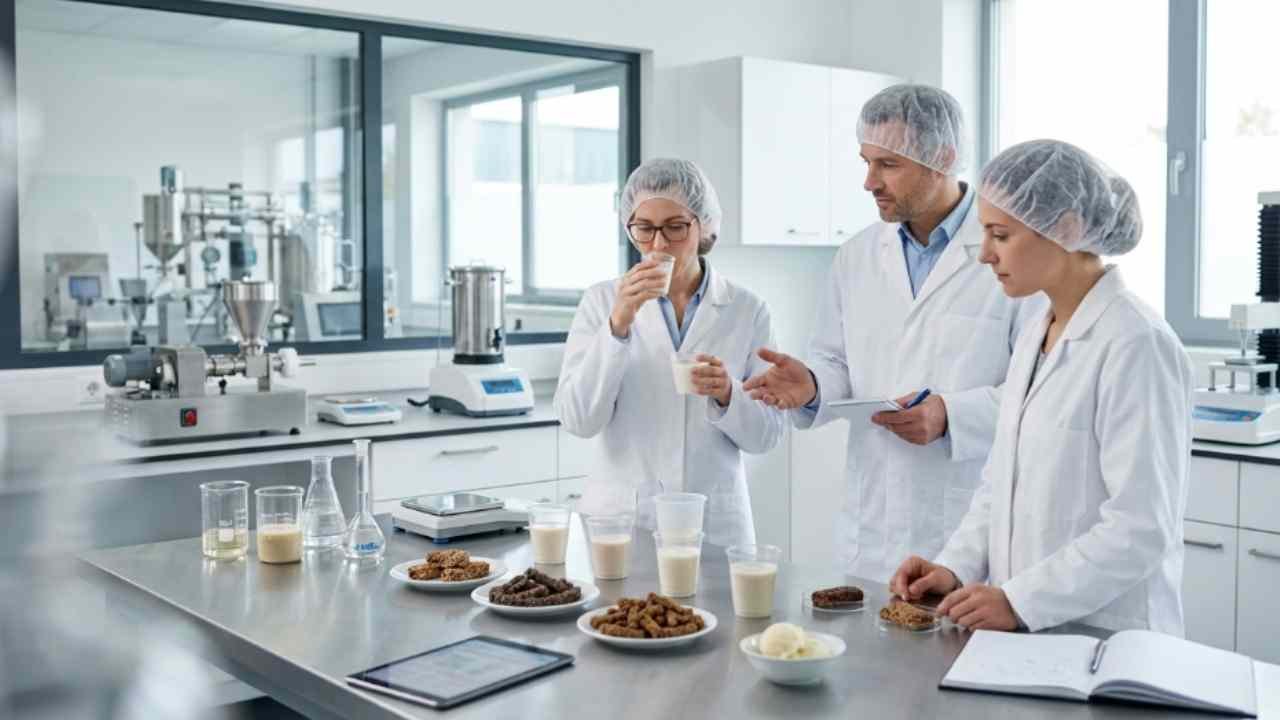
I see that "Flavor Masking" is the biggest technical breakthrough. In the past, soy protein had a strong "beany" smell. You could only use it in spicy meats or chocolate drinks. Now, I work with factories that use "Flash Evaporation4." This process removes the volatile odors from the soy milk before it becomes powder. I act as your technical eyes to check these machines. This innovation allows my clients to make vegan yogurt and vanilla-flavored protein shakes. I oversee the sensory tests to ensure the flavor is neutral. This "Clean Taste" allows you to use less sugar and less flavoring in your recipe. It saves you money and makes your label healthier.
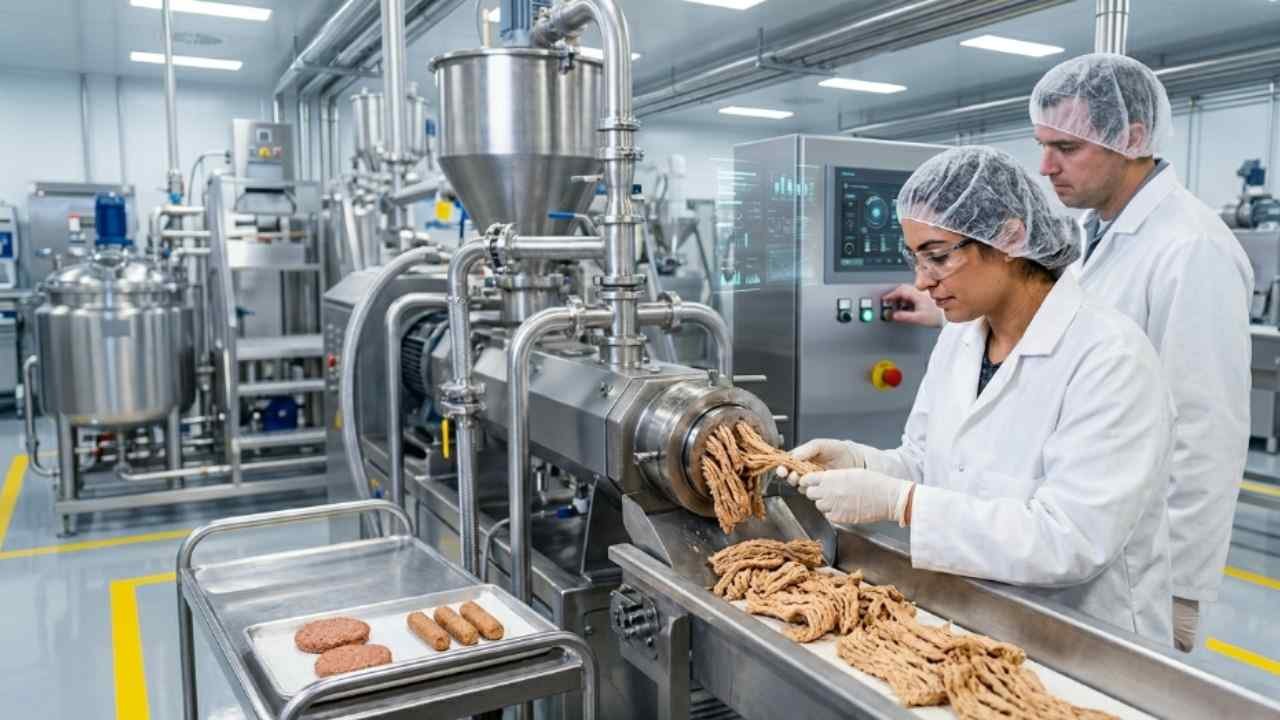
High-gel texturization is the second innovation. We now have ISP that can withstand "High Moisture Extrusion" (HMEC). This creates a structure that feels exactly like a chicken breast or a piece of pork. It is much better than the old "Dry Extrusion" which felt like a sponge. I prioritize factories that produce these specific "Texturizing Grades." I visit their R&D centers to see the texture analyzer results. I want to see a "Fibrous" structure under the microscope. For my wholesale clients, this opens up the premium "Whole-Cut" meat alternative market. We also have "Instantized" ISP. This powder has a tiny bit of lecithin added so it dissolves in cold water instantly. This is a game-changer for the sports nutrition market. I help you pick these innovative grades so you can lead your local market.
| ISP Innovation | Technical Method | New Application |
|---|---|---|
| Flavor Masking | Flash Evaporation | Vegan yogurt, Ice cream |
| Instantization | Lecithination | Cold-mix protein shakes |
| HMEC Grades | High-moisture extrusion | Whole-cut meat analogues |
| Micro-milling | Ultra-fine grinding | Smooth dairy-free milk |
| Enzymatic Modification | Bio-active peptides | Sports recovery supplements |
| Low-Sodium ISP | Ion exchange | Heart-healthy food products |
Why are plant-based protein products driving Isolated soy protein growth?
The decline of traditional meat consumption is a massive threat to old business models. You must adapt to the plant-based revolution to survive. I explain why ISP is the core of this growth.
Plant-based protein products drive ISP growth because it is the most cost-effective "Complete Protein" available. Its ability to mimic meat fibers through extrusion and provide 90% protein content makes it the primary ingredient for the booming vegan burger, sausage, and dairy-free markets worldwide.
Dive Deeper into the Plant-Based Boom
I see that "Cost Efficiency" is why ISP is winning the plant-based war. Other proteins like pea or mung bean are very expensive. They also have supply chain problems. But Isolated Soy Protein has a massive global supply chain. I act as your technical partner to ensure you get the best "Price-to-Performance" ratio. For a vegan burger, you need a high protein content to get the right nutritional label. ISP gives you 90% protein. Pea protein is often only 80%. This means you can use less ISP and more water in your recipe. This technical advantage significantly improves your profit margins. I visit the plants to ensure the protein assay is always above 90.5%.
The amino acid profile is the second reason for growth. ISP is one of the only plant proteins that is "Complete." It has all nine essential amino acids5 that humans need. For my clients in the "Meal Replacement" industry, this is a technical requirement. You cannot make a "Healthy" shake with a protein that is missing amino acids. I provide the full lab reports showing the amino acid levels for every batch. Also, the "Mouthfeel" of ISP is better for large-scale production. It flows well in the pipes and does not clog the spray nozzles. I oversee these physical property tests. This reliability is why large brands are launching more soy-based products. I help you join this growth by securing a stable, high-quality supply from China's best factories.
| Protein Source | Protein Content | Amino Acid Profile | Cost Efficiency | FINETECH's View |
|---|---|---|---|---|
| Isolated Soy (ISP) | 90% | Complete | Highest | Best for bulk wholesale |
| Pea Protein | 80% | Incomplete | Moderate | Good for soy-free niche |
| Rice Protein | 80% | Incomplete | Moderate | Best for hypo-allergenic |
| Whey Protein | 80-90% | Complete | Low | Becoming too expensive |
| Wheat Gluten | 75% | Incomplete | High | Only for "Seitan" texture |
| Mung Bean | 80% | Incomplete | Lowest | Too expensive for mass market |
Conclusion
Global ISP trends focus on biotech efficiency, regional growth, and sustainable innovation. I manage these standards at FINETECH to keep your supply chain modern, reliable, and highly profitable.
-
ScienceDirect – Academic overview of enzymatic hydrolysis, exploring enzyme kinetics and biochemical applications in refining food-grade proteins. ↩
-
The World Bank – Policy update analyzing global food security challenges, import dependency risks, and national agricultural strategies. ↩
-
Our World in Data – Statistical breakdown of product-specific carbon footprint metrics, comparing greenhouse gas emission impacts of plant-based and animal-derived proteins. ↩
-
Wikipedia – Technical overview of flash evaporation thermodynamic principles, detailing liquid-vapor separation processes used to eliminate volatile off-odor compounds. ↩
-
MedlinePlus (NIH) – Medical reference explaining essential amino acids, outlining nutritional requirements, metabolic functions, and dietary significance. ↩