
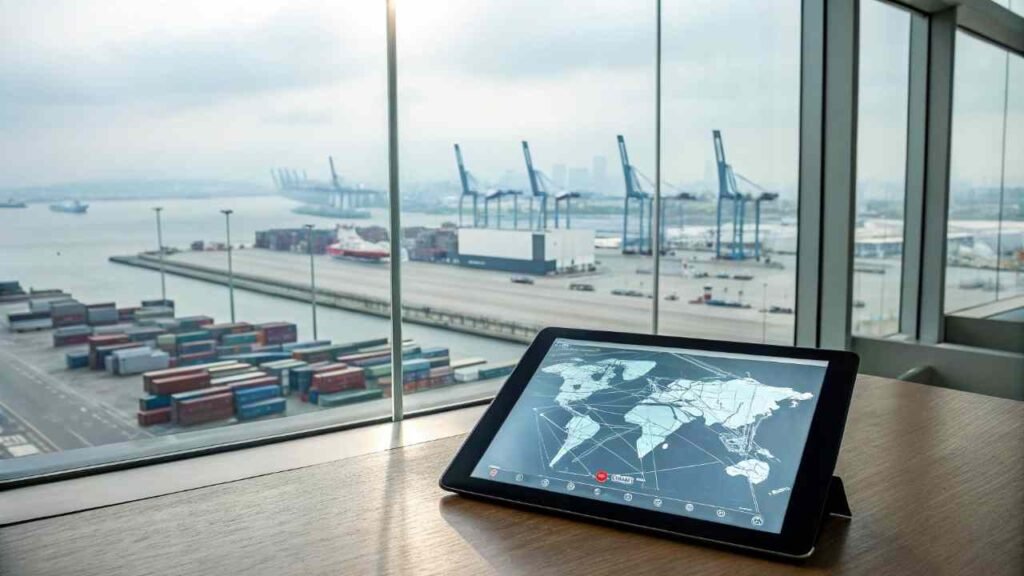
Logistics delays and damaged Vitamin B12 ruin your production schedule and profits. This failure wastes your capital and damages your reputation. I provide strategic shipping solutions to protect your supply chain.
Logistics challenges for Vitamin B12 include moisture-induced degradation, heat sensitivity, and port congestion. To ensure stability, buyers use air freight for pure Cobalamin or Full Container Loads (FCL) for dilutions. Proper documentation and moisture-proof packaging are essential to prevent customs delays and product loss in international trade.
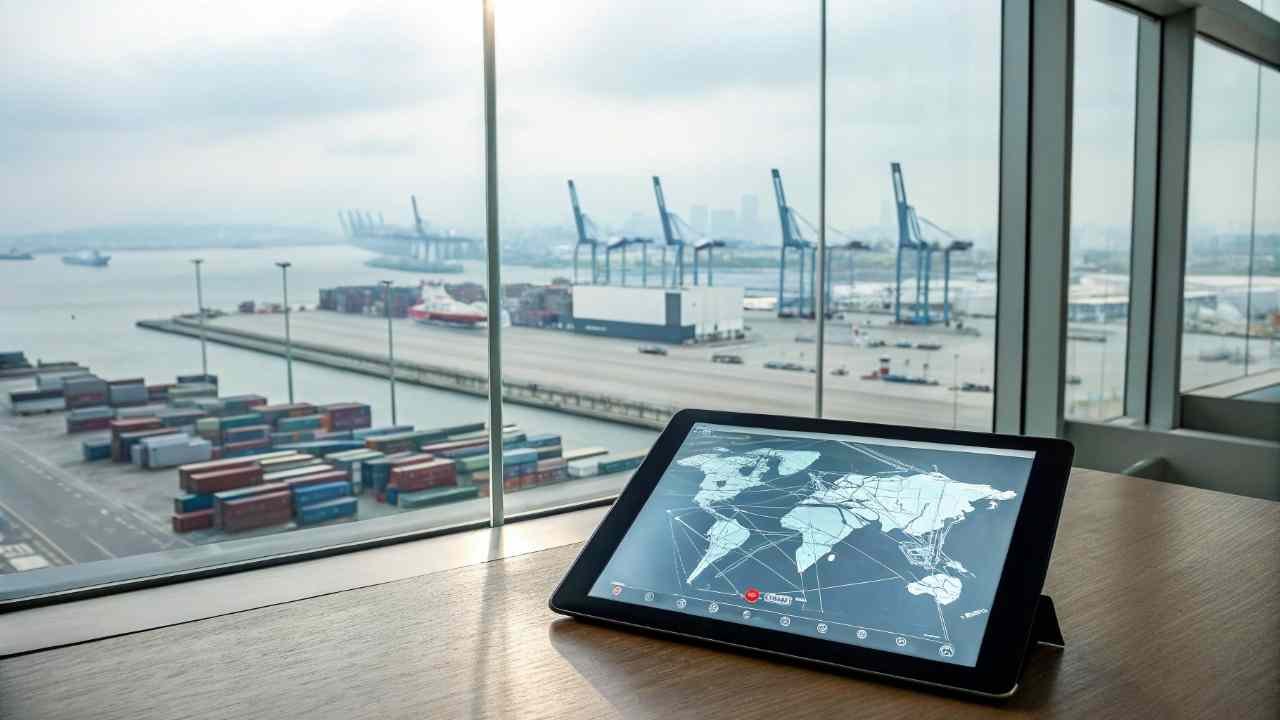
I manage factory selection and logistics oversight for my B2B clients in China. I want to explain the technical facts about shipping Vitamin B12 to help you lower your landed costs and ensure a steady supply for your business.
How to ensure timely delivery of Vitamin B12 (Cobalamin)?
Late shipments leave your production lines idle and cost thousands in downtime. This failure hurts your bottom line and customer trust. I manage schedules to ensure your B12 arrives on time.
Ensure timely delivery by booking vessel space 2-3 weeks in advance and choosing direct shipping routes. Using a managed exporter in China allows for better coordination between factory production and vessel schedules, minimizing delays at major ports like Shanghai or Qingdao for international wholesale orders.
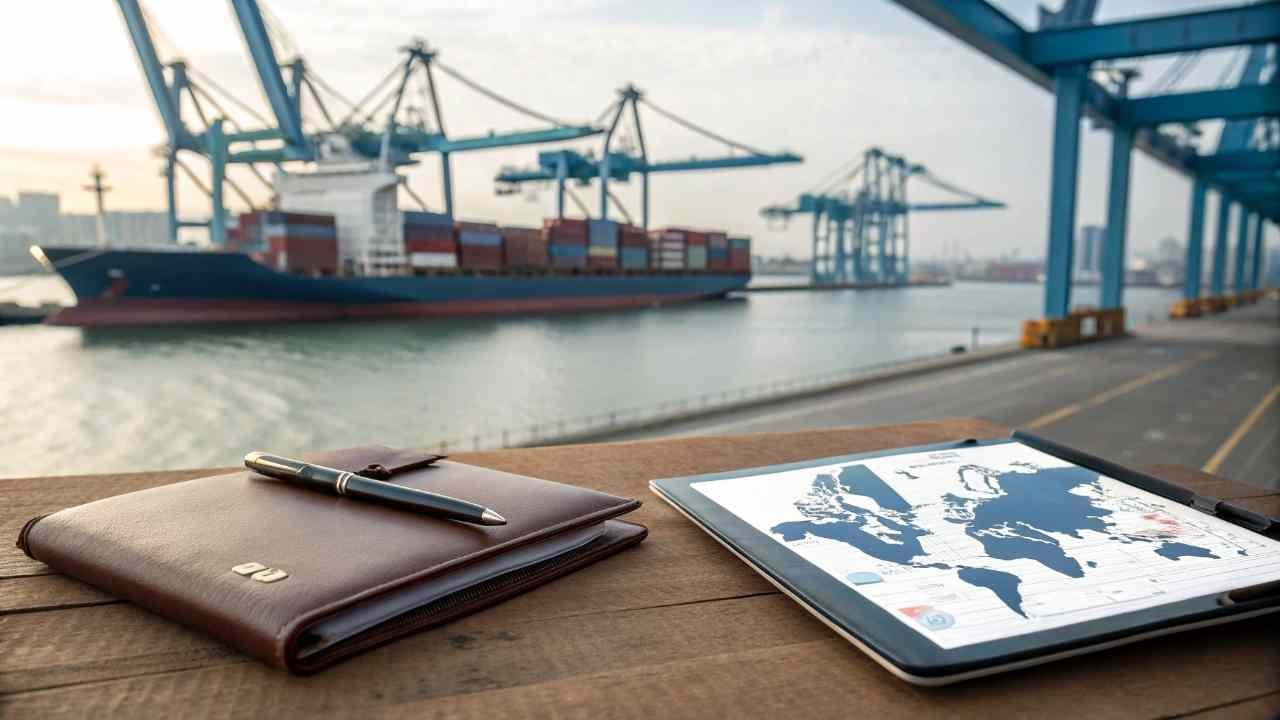
Lead Time Management and Factory Coordination
I see that "Time" is the most expensive variable in your supply chain. Timely delivery starts at the factory gate. I coordinate with our partner factories in China to match their production cycles with the shipping schedule. If a factory finishes a batch on Friday, I ensure the truck is there on Saturday to move the goods to the port. This prevents the cargo from sitting in a warehouse where humidity is not controlled. I prioritize direct vessels for my clients in the Middle East and Southeast Asia. Direct ships have fewer stops and a lower risk of the container being left behind at a transshipment port like Singapore or Colombo.
I also track the "Production Lead Time" very closely. Vitamin B12 fermentation takes time. It is not a product you can buy off the shelf in 10-ton quantities every day. I help my buyers plan their orders 4 to 6 weeks in advance. This gives the factory time to schedule the fermentation and the lab to release the Certificate of Analysis (COA)1. If you wait until your warehouse is empty, you are already too late. I act as your strategic office in China to look ahead. We look at the "ETD" (Estimated Time of Departure) and "ETA" (Estimated Time of Arrival) every week. This data-driven approach is how I keep your factory running without interruptions.
Delivery Timeline Components
| Phase | Activity | Typical Duration | FINETECH's Role |
|---|---|---|---|
| Production | Fermentation & Purification | 14 - 21 Days | Monitor batch progress |
| Lab Testing | HPLC & Microbial checks | 3 - 5 Days | Review COA for accuracy |
| Inland Transit | Factory to Port (China) | 1 - 2 Days | Coordinate trucking |
| Port Handling | Customs & Loading | 3 - 5 Days | Manage export papers |
| Ocean Transit | Sea Freight (Global) | 15 - 35 Days | Track vessel location |
| Local Port | Customs & Unloading | 3 - 7 Days | Negotiate free time |
What are common shipping risks for Vitamin B12 (Cobalamin)?
Rough handling and poor storage during transit cause drum breakage and contamination. This waste ruins your inventory and profit. I identify shipping risks to help you protect your high-value cargo.
Common risks include moisture ingress, UV light exposure, and mechanical damage to fiber drums. Improper palletization can lead to collapsed stacks in containers. Using double-layer PE liners and stretch wrapping is critical to prevent degradation and physical loss during long-distance ocean freight to global markets.
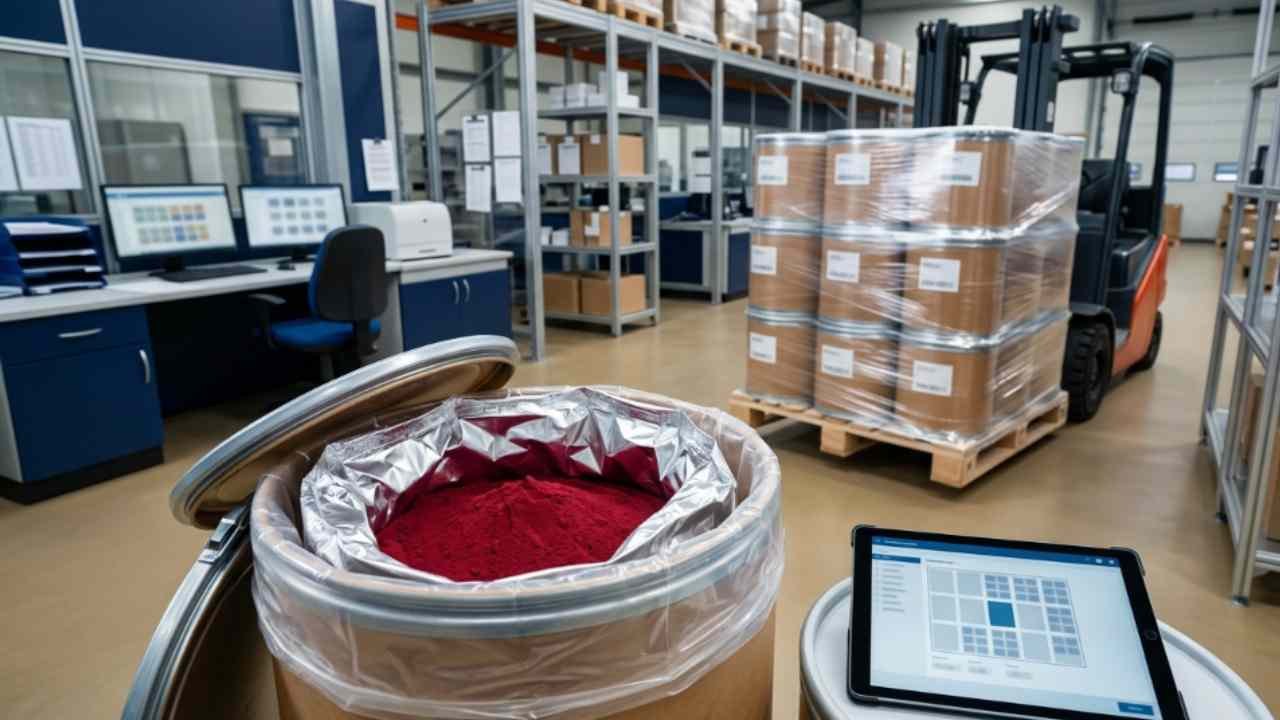
Physical Integrity and Contamination Prevention
I want you to know that the physical safety of your cargo is my priority. Vitamin B12 is often packed in 25kg fiber drums. These drums are strong, but they can be damaged if the container is handled roughly at the port. If a drum cracks, the vitamin is exposed to the air. This causes oxidation and reduces the assay level. I visit the loading sites to ensure the workers use high-quality pallets2. We use plastic pallets or heat-treated wooden pallets. We do not stack the drums too high. Stacking more than two layers high can crush the bottom drums. I ensure every pallet is wrapped in thick "Stretch Film" to keep the drums together.
Contamination is another technical risk. Vitamin B12 is a food additive. It must not be shipped with toxic chemicals or strong-smelling goods. I ensure the container is "Food Grade" clean. I check for smells of oil or old chemicals before we load the cargo. I also look for holes in the container roof. Even a tiny hole can let in rain or seawater. Seawater is very corrosive to vitamins. I use "Container Desiccants" inside the container. These silica gel bags catch the "container rain" that happens when the temperature changes. This oversight is how I protect your financial investment. You receive a clean, dry, and professional product every time.
Shipping Risk Mitigation Table
| Risk Factor | Possible Damage | Preventive Measure | FINETECH's Verification |
|---|---|---|---|
| Mechanical | Drum breakage / Leaking | Palletization & Wrapping | Loading site audit |
| Light | UV Degradation | Opaque bags & Opaque drums | Check packaging specs |
| Moisture | Clumping / Mold | Double PE liners & Desiccant | Verify moisture levels |
| Theft | Lost high-value cargo | Bolt seals on container | Log seal numbers |
| Temperature | Assay loss | Direct routes / Shade storage | Review shipping route |
| Cross-Contam | Odor / Chemical residue | Food-grade container only | Physical container check |
How do temperature and humidity affect Vitamin B12 (Cobalamin)?
Extreme heat and moisture degrade Vitamin B12 potency rapidly. This technical failure results in rejected batches at your lab. I manage environmental controls to keep your vitamin stable during the journey.
Temperature above 25°C and high humidity cause Vitamin B12 to lose assay levels and clump. Moisture leads to bacterial growth in dilutions. Opaque, moisture-proof packaging is mandatory. For pure crystals, temperature-controlled storage or fast air freight is often preferred to maintain the 99% purity standard.
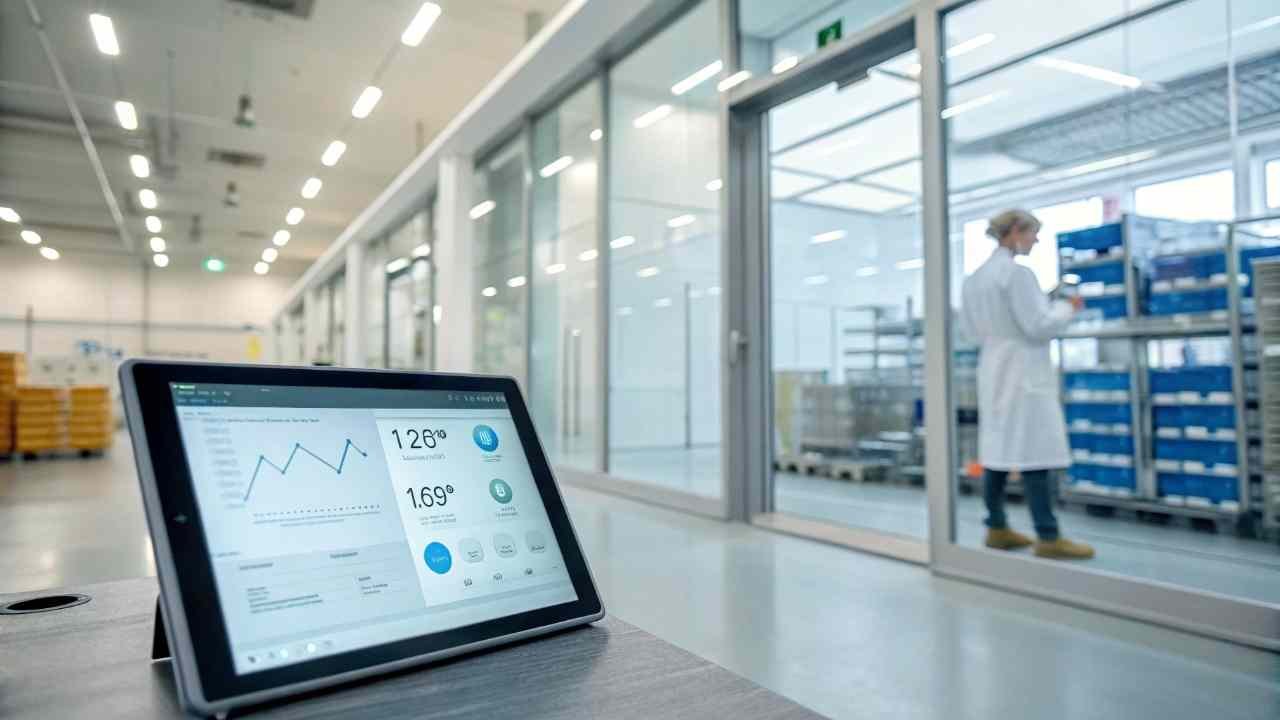
The Science of Stability in Transit
I see that "Stability" is a technical battle during shipping. Vitamin B12 is a complex molecule. If the temperature in a shipping container reaches 50°C at a port in the Middle East, the vitamin starts to break down. This is why I suggest direct shipping routes to minimize the time the container sits on a hot dock. I also check the "Loss on Drying" (LOD) on the COA. For pure Cyanocobalamin, the LOD must be below 12%. If the moisture is too high, the powder will clump into hard balls. This clumping makes it very hard for you to mix the vitamin into your feed or food recipes. It can also cause "hot spots" where the concentration is too high.
Humidity is the second enemy. I use double-layer PE liners inside the fiber drums. We tie each bag individually. This creates an airtight seal. For 1% or 0.1% dilutions, we often use aluminum foil bags. Aluminum is a better barrier than plastic for moisture. It also blocks 100% of the light. I advise my buyers in Southeast Asia, like Indonesia and Malaysia, to use these foil bags. The humidity there is often 90%. Without a moisture barrier, the vitamin will degrade in weeks. I track the weather at the transshipment ports. If I see a heatwave, I suggest my clients use air freight for their most expensive 99% pure B12. This proactive management keeps your quality high.
Environmental Factors vs. B12 Stability
| Factor | Critical Level | Effect on Vitamin B12 | Packaging Solution |
|---|---|---|---|
| Temperature | > 25°C | Assay loss / Darkening | Shade storage / Air freight |
| Humidity | > 60% RH | Clumping / Bacterial growth | Double PE / Foil bags |
| UV Light | Direct Sunlight | Molecule breakdown | Opaque fiber drums |
| Oxygen | High exposure | Oxidation / Purity loss | Vacuum sealing / PE ties |
| Time | > 36 Months | Natural degradation | FIFO inventory management |
What are the best shipping methods for Vitamin B12 (Cobalamin)?
Choosing the wrong shipping method raises your costs and increases damage risks. This inefficiency reduces your market competitiveness. I select the most efficient routes to lower your total landed costs.
The best shipping methods are Air Freight for small, high-purity (99%) orders to ensure speed and stability. For bulk 1% or 0.1% dilutions, Full Container Load (FCL) sea freight is the most cost-effective. FCL provides better security and reduces handling compared to shared LCL shipments.
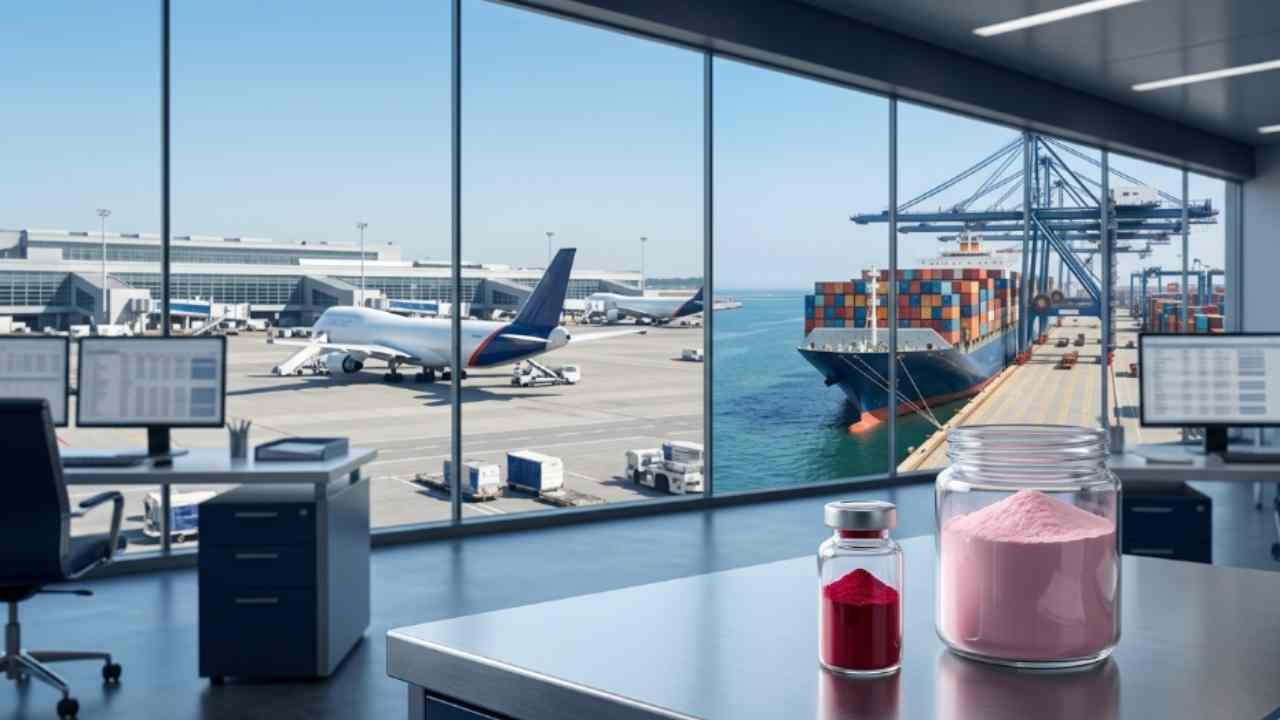
Comparing Air, Sea, and Mixed FCL
I want you to know that the right shipping method depends on the "Value-to-Weight" ratio. Pure Vitamin B12 crystals are very expensive. 100kg can be worth thousands of dollars. For this high value, air freight3 is the best choice. It is fast (3-7 days) and the environment is controlled. You save money on inventory costs and reduce the risk of degradation. I work with major airlines to get the best rates for my buyers in Europe and Russia. For lower purity products like 1% B12 for animal feed, sea freight is the only way to stay competitive. The weight is high, but the price per kilogram is low. Sea freight takes longer but the cost is 10 times lower than air.
I also suggest "Mixed FCL" for my distributors. If you do not need 20 tons of Vitamin B12, you can combine it with other food additives4. You can put B12, Vitamin B9, and Citric Acid in one container. This allows you to get the "Full Container" price. FCL is safer than LCL (Less than Container Load). In LCL, your drums are mixed with other people's cargo. They might be loaded next to leaking chemicals or heavy machines. FCL means you own the whole container. It is sealed at the factory and opened at your warehouse. This "Direct Path" reduces handling and prevents damage. I act as your logistics partner to plan these mixed loads and maximize your profit.
Shipping Method Comparison Table
| Method | Best Used For | Cost Level | Speed | Risk Level |
|---|---|---|---|---|
| Air Freight | 99% Pure B12 / Samples | High | 3 - 7 Days | Lowest |
| Sea FCL | Bulk 1% / 0.1% B12 | Lowest | 20 - 45 Days | Low |
| Sea LCL | Small B2B orders | Moderate | 25 - 50 Days | Moderate |
| Mixed FCL | Multi-product orders | Low | 20 - 45 Days | Low |
| Rail Freight | Russia / Central Asia | Moderate | 15 - 20 Days | Moderate |
How to reduce delays in international Vitamin B12 (Cobalamin) trade?
Missing paperwork and customs questions stop your cargo for weeks at the port. This administrative failure costs you demurrage fees and lost sales. I oversee all documents for smooth clearance.
Reduce delays by preparing accurate COAs, Health Certificates, and Packing Lists before the ship sails. Using the correct HS code (293626) and providing electronic documents to local customs agents early ensures fast clearance. Managed exporters coordinate these steps to avoid expensive port storage fees.
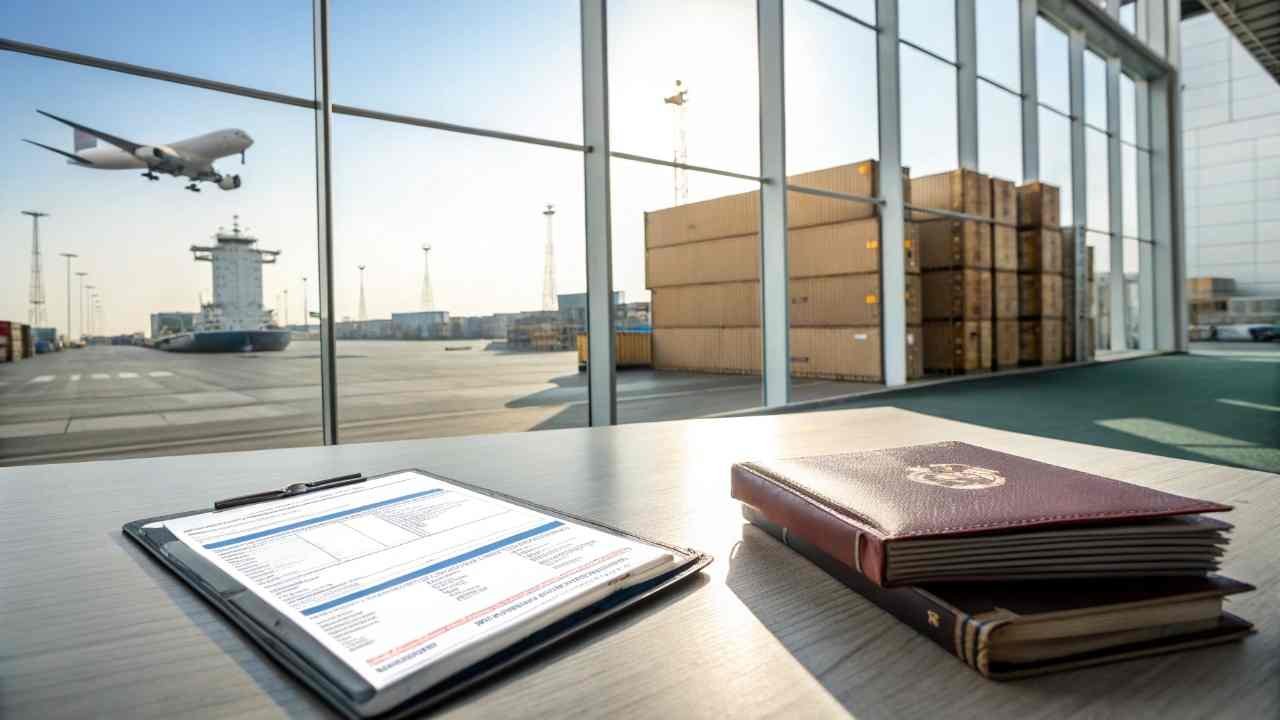
Documentation Accuracy and Customs Liaison
I see that "Paperwork" is the biggest cause of delays in international trade. If the HS code is wrong, the customs officer will stop the container. For Vitamin B12, the international HS code is 293626. I ensure this code is on the Commercial Invoice, the Packing List, and the Certificate of Origin. I also check the batch number on the Health Certificate. It must match the batch number on the COA and the drums exactly. If there is one typo, the port will charge you "Demurrage" fees. These fees can be $100 per day. I act as your office in China to check every word on every paper before the ship leaves the port.
I also manage the "Free Time" at the destination port. I negotiate with the shipping lines to give my clients 14 or 21 days of free storage. Standard free time is only 7 days. If your bank is slow with the documents, 7 days is not enough. With 21 days, you have a safe buffer. This prevents high port costs. I also send the "Original Documents" via DHL as soon as the ship sails. Or I use "Telex Release" to make it faster. Telex release means we use digital copies to pick up the goods. This is very popular for my buyers in Southeast Asia. Proper document management is a technical skill that keeps your Demurrage5 cost low and your supply stable.
Delay Prevention Checklist
| Step | Action Item | FINETECH's Verification | Impact on Delay |
|---|---|---|---|
| HS Code | Use 293626 on all papers | Match with local laws | High (Clearance) |
| Health Cert | Apply through GACC | Verify batch numbers | High (Food safety) |
| COA | Match HPLC with sample | Review lab results | Moderate (Quality) |
| Free Time | Request 14-21 days | Negotiate with carrier | High (Cost saving) |
| Tracking | Monitor daily vessel moves | Update buyer weekly | Low (Planning) |
| Origin Cert | Form E / Form A | Check for tax benefits | Moderate (Duty cost) |
Conclusion
Vitamin B12 logistics requires environmental control, proper documentation, and strategic shipping methods. I handle these technical challenges at FINETECH to ensure your business receives a safe and timely supply.
-
U.S. Pharmacopeia (USP) – Independent scientific organization that sets global quality standards for medicines, food ingredients, and dietary supplements. ↩
-
IPPC – International Plant Protection Convention standards for wood packaging materials (ISPM 15) to prevent the spread of pests in international trade. ↩
-
IATA – The International Air Transport Association's cargo programs, which define the standards for shipping high-value and sensitive goods by air. ↩
-
Codex Alimentarius – International food standards and guidelines established by the FAO and WHO to ensure food safety and fair trade. ↩
-
Maritime Executive – Leading news source for the maritime and shipping industry, providing insights into port operations and logistics management. ↩