

Launching functional food products with poor nutritional profiles or flat sensory appeal leads to low consumer adoption and failed retail launches. Stagnant formulation designs limit growth. Integrating precise amino acids secures market success.
The amino acid series is widely used in the food industry to fortify functional foods, boost sports nutrition supplements, enhance savory umami flavor profiles in processed categories, improve bakery dough elasticity, and optimize plant-based protein alternatives.
Successful commercial food manufacturing requires a clear understanding of bioactive ingredients and functional compounds. Product developers must select high-purity chemical inputs to meet both nutritional goals and regulatory criteria. Sourcing partners like FINETECH simplify factory checks, verify production compliance, and secure competitive pricing directly in China to guarantee bulk deliveries. This guide details the primary applications of the amino acid series.
How Is Amino Acid Series Used in Functional Food Production?
Formulating energy drinks or recovery snacks without active cognitive or physiological benefits results in weak product claims and poor retail sales. Generic ingredients limit market appeal. Bioactive amino acids drive functionality.
Functional food production utilizes specialized amino acids like L-Theanine for stress relief and focus, L-Arginine for cardiovascular blood flow, and L-Glutamine to support intestinal barrier integrity in everyday consumer food formats.

Dive Deeper into Cognitive Wellness and Metabolic Support
The integration of amino acids into functional foods represents a rapidly expanding segment of the global food manufacturing industry. Modern consumers look beyond basic calories and demand foods that actively support cognitive performance, stress reduction, and physical recovery. To meet these demands, food scientists incorporate neuro-active amino acids like L-Theanine1, typically derived from green tea leaves, into functional relaxation beverages and evening wellness gummies. L-Theanine crosses the blood-brain barrier to promote alpha brain wave activity, helping consumers relax without feeling drowsy.
In addition to cognitive support, functional foods utilize amino acids to improve metabolic and physical health. For example, L-Arginine2 is added to pre-workout bars and cardiovascular wellness shakes due to its role as a biological precursor to nitric oxide, which helps dilate blood vessels and improve oxygen delivery to muscles. L-Glutamine is frequently added to breakfast oats and digestive health powders to support the cellular lining of the digestive tract and aid immune function. Sourcing partners like FINETECH assist functional food manufacturers by auditing production facilities to verify that these raw materials meet strict food-grade compliance, ensuring that final consumer items contain pure, active, and bioavailable compounds.
| Active Amino Acid | Target Functional Food | Key Health Benefit | Primary Biological Mechanism |
|---|---|---|---|
| L-Theanine | Relaxation tea, brain gummies | Stress relief, mental focus | Enhances alpha brain waves |
| L-Arginine | Pre-workout bars, shakes | Vascular blood flow | Precursor to nitric oxide |
| L-Glutamine | Digestive oats, gut powders | Intestinal barrier support | Fuel source for mucosal cells |
| L-Carnitine | Weight management drinks | Energy production, fat burn | Transports fatty acids to cells |
Why Is Amino Acid Series Popular in Nutrition and Supplement Products?
Supplying protein powders with incomplete essential amino acid profiles results in poor athletic recovery and low consumer brand loyalty. Low-quality formulas stunt retail growth. Sourcing high-purity crystalline powders optimizes efficacy.
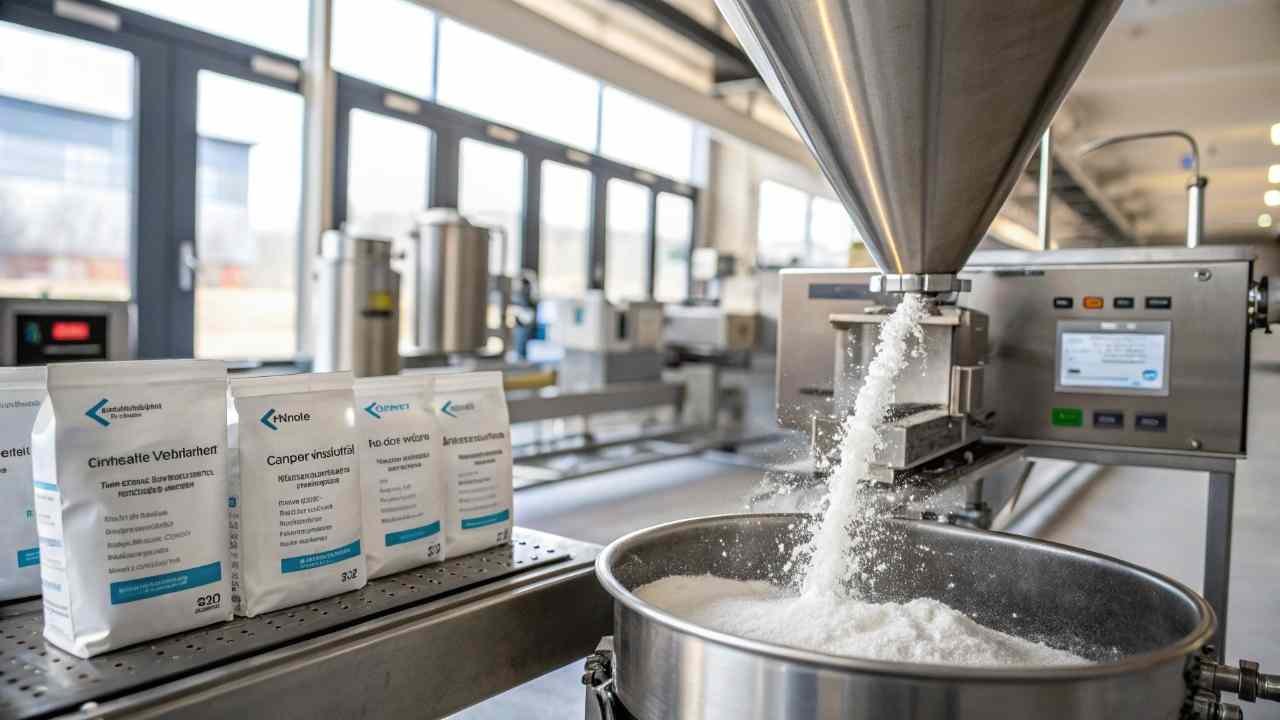
Amino acids are highly popular in sports nutrition supplements because free-form crystalline amino acids bypass complex digestion, absorbing rapidly to stimulate muscle protein synthesis and accelerate post-exercise tissue repair.
Dive Deeper into Muscle Protein Synthesis and Rapid Absorption
The popularity of the amino acid series in sports nutrition is driven by how the human body processes free-form crystalline nutrients compared to whole proteins. When an athlete consumes a standard whey or soy protein shake, the body must first break the peptide bonds down into individual peptides and amino acids, a process that can take several hours. In contrast, free-form Branched-Chain Amino Acids (BCAAs)—consisting of L-Leucine, L-Isoleucine, and L-Valine—bypass complex enzymatic digestion in the stomach. They are absorbed directly through the intestinal wall into the bloodstream, reaching depleted muscle tissues quickly after intense exercise.
Within this recovery process, L-Leucine acts as a critical nutritional signal. It activates the mammalian target of rapamycin (mTOR) pathway, which triggers muscle protein synthesis and accelerates the repair of microscopic muscle tears. Furthermore, essential amino acid (EAA) blends containing all nine vital compounds are widely used to prevent muscle wasting during calorie-restricted diets. Sourcing partners like FINETECH help supplement brands maintain competitive advantages by verifying that Chinese manufacturers supply non-GMO, vegan-fermented crystalline BCAAs and EAAs that dissolve instantly in water without leaving a bitter, chalky residue.
| Supplement Category | Primary Amino Acid Input | Functional Role | Sourcing Quality Benefit |
|---|---|---|---|
| BCAA Powders | L-Leucine, Isoleucine, Valine | Triggers mTOR pathway | Fast-dissolving vegan grades |
| EAA Blends | All 9 Essential Amino Acids | Muscle retention & repair | Complete, balanced profile |
| Pre-Workouts | Beta-Alanine, L-Citrulline | Delays fatigue, pumps | Ultra-pure crystalline powder |
| Intra-Workouts | L-Glutamine, Taurine | Electrolyte, cell hydration | Low-odor, neutral-taste grades |
Which Food Categories Commonly Use Amino Acid Series Ingredients?
Formulating processed food lines without utilizing targeted amino acids can lead to flat flavor profiles and quick staling in bakery products. Poor shelf-life limits market reach. Utilizing specific amino acids resolves technical flaws.
The amino acid series is used across multiple food categories, including savory foods for umami taste enhancement, bakery items for dough conditioning, dairy products for fortification, and beverages for recovery hydration.

Dive Deeper into Savory Umami and Bakery Dough Conditioning
The utilization of the amino acid series extends across diverse food processing sectors, each utilizing specific chemical properties to solve unique technical challenges. In the savory food category, L-Glutamic acid and its sodium salt (Monosodium Glutamate3) are the primary ingredients used to deliver the umami taste profile. This compound binds to specific receptors on the human tongue, intensifying the savory flavor of broths, sauces, snack seasonings, and processed meat products.
In the commercial baking sector, L-Cysteine is widely used as a natural dough conditioner. L-Cysteine acts as a reducing agent by breaking down disulfide bonds within the wheat gluten matrix. This process relaxes the dough, reducing mixing time, improving elasticity, and preventing shrinkage in automated pizza crust and tortilla extrusion lines. In the beverage and dairy industries, liquid formulas are fortified with L-Lysine and L-Methionine to improve the nutritional profile of dairy alternatives, such as oat and almond milks, which naturally lack complete protein structures. Sourcing partners like FINETECH help buyers navigate these different food categories, qualifying suitable suppliers that deliver FCC-compliant ingredients to match specific physical and chemical standards.
| Food Category | Primary Amino Acid | Specific Ingredient Role | Quality Target Parameter |
|---|---|---|---|
| Savory & Soups | L-Glutamic acid / MSG | Umami flavor enhancement | High-clarity crystalline form |
| Industrial Baking | L-Cysteine Hydrochloride | Dough relaxant, reducer | Meets FCC / food safety standards |
| Plant-Based Dairy | L-Lysine, L-Methionine | Nutritional fortification | Non-GMO fermentation origin |
| Sports Beverages | L-Carnitine, L-Glutamine | Active recovery, hydration | Clear solubility, low turbidity |
How Does Amino Acid Series Improve Food Product Development?
Creating plant-based meat alternatives that lack realistic meat flavors and complete protein structures results in disappointed consumers and poor sales. Incomplete profiles limit appeal. Amino acids optimize sensory qualities.
Amino acids improve product development by enabling the Maillard reaction to create realistic cooked-meat flavors in plant-based proteins, while also optimizing protein quality indexes to match the nutritional value of real meat.

Dive Deeper into the Maillard Reaction and Nutritional Optimization
The utilization of amino acids is a key tool for modern food product developers, particularly in the rapid development of plant-based meat and dairy alternatives. One of the main challenges in formulating vegan meats is replicating the complex, savory flavor profile of cooked beef, chicken, or pork. To solve this, developers utilize L-Cysteine and L-Methionine as precursors in the Maillard reaction. When these sulfur-containing amino acids are heated alongside reducing sugars like glucose or fructose, they undergo a series of chemical rearrangements that produce volatile aroma compounds, replicating realistic roasted and grilled meat flavors.
Beyond sensory attributes, amino acids are essential to improve the nutritional profile of plant-based proteins. Many vegetarian proteins, such as pea, soy, or wheat gluten, have limiting amino acids—meaning they lack sufficient levels of one or more essential amino acids. By adding precise amounts of crystalline L-Lysine or L-Threonine, developers can optimize the Protein Digestibility-Corrected Amino Acid Score (PDCAAS4) to match the high nutritional value of animal proteins. Sourcing partners like FINETECH assist food R&D teams by sourcing high-purity, allergen-free amino acids that integrate smoothly into extrusion cooking lines without degrading under high-heat processing conditions.
| Product Development Task | Target Amino Acid Input | Food Chemistry Action | Sourcing Outcome |
|---|---|---|---|
| Meat-Flavor Replication | L-Cysteine, L-Methionine | Thermal Maillard reaction | Creates authentic meat aromas |
| Protein Optimization | L-Lysine, L-Threonine | Fills limiting amino acid gaps | Raises PDCAAS / DIAAS scores |
| Sweetness Modification | L-Glycine, L-Alanine | Mild natural sweetening | Masking bitter botanical notes |
| Dough Relaxation | L-Cysteine Hydrochloride | Reduces gluten disulfide bonds | Enhances automated processing |
What Future Applications Are Expected for Amino Acid Series?
Failing to prepare for clean-label regulations and synthetic biology innovations can leave your food brand dependent on obsolete and expensive raw materials. Outdated formulations slow growth. Embracing future trends ensures longevity.
Future applications of the amino acid series are driven by precision-fermentation vegan-grade amino acids for clean-label plant foods, personalized nutrition wellness blends, and neuro-nutritional foods targeting focus and sleep enhancement.
Dive Deeper into Precision Fermentation and Personalized Nutrition
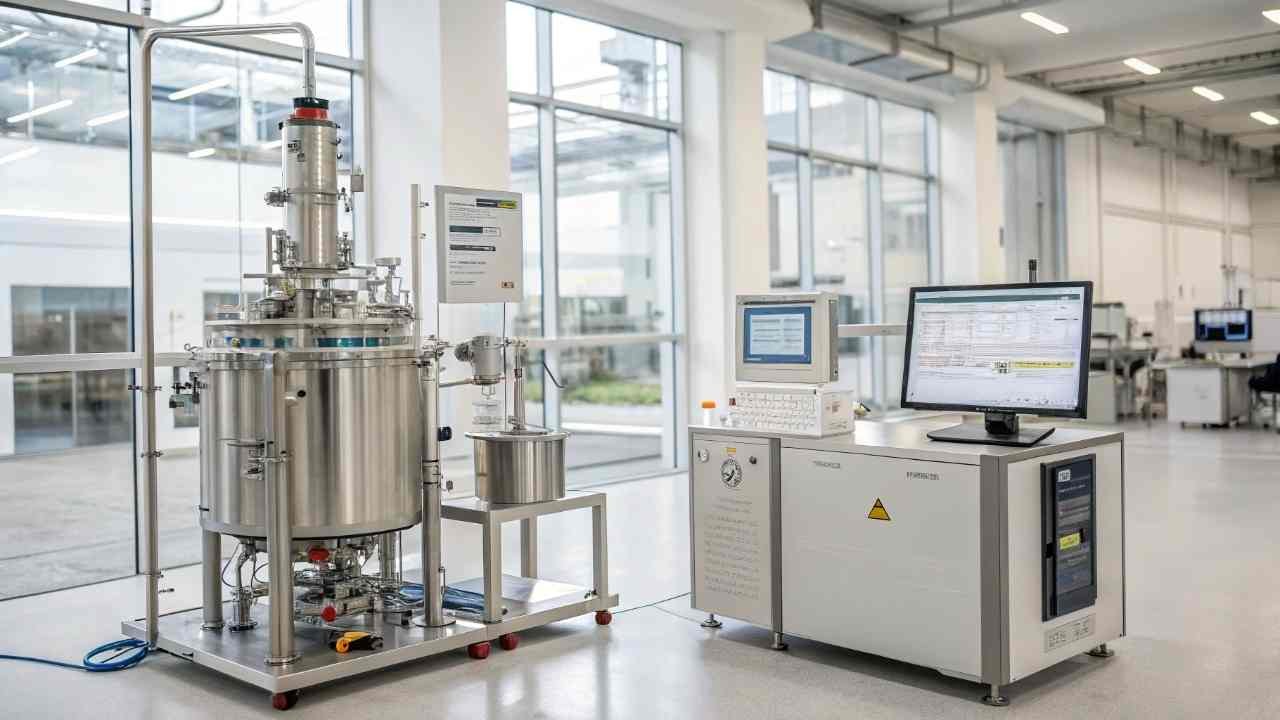
As food technology advances, several key trends are shaping the future applications of the amino acid series. The most significant shift is the rapid rise of precision fermentation5. By utilizing genetically optimized microbial strains, bio-manufacturers can produce high-purity, vegan-grade amino acids with significantly higher yields and lower environmental footprints. This technology reduces production costs, making premium, non-soy, and allergen-free amino acids highly accessible for mass-market plant-based foods.
Another major trend is the expansion of personalized nutrition. With rising consumer interest in DNA-based diets and customized health profiles, food manufacturers are developing customized food products containing tailored amino acid ratios to support individual muscle recovery, cardiovascular health, or cognitive focus. Furthermore, neuro-nutritional applications are growing, with amino acids like L-Tryptophan and L-Theanine being incorporated into sleep-aid functional foods and stress-relief dairy drinks. Sourcing partners like FINETECH simplify these strategic transitions. They help B2B buyers find forward-looking manufacturers in China that specialize in precision fermentation and customized blending, securing a reliable, future-proof raw material supply chain that satisfies evolving global clean-label standards.
| Future Food Trend | Sourcing Specification Shift | Primary Technical Driver | Strategic Purchasing Value |
|---|---|---|---|
| Clean-Label Fermentation | Non-soy, non-animal bases | Precision biotechnology | Accesses premium vegan segments |
| Personalized Nutrition | Customized powder pre-blends | Algorithmic diet customization | Simplifies retail manufacturing |
| Neuro-Nutritive Foods | L-Tryptophan, L-Theanine | Cognitive focus & sleep demands | Captures wellness beverage market |
| Active Aging Foods | L-Leucine, L-Glutamine | Sarcopenia prevention trends | Expands senior-living food lines |
Conclusion
The amino acid series is essential for modern food manufacturing, supporting sports nutrition, functional wellness, sensory development in plant-based proteins, and sustainable precision fermentation technologies.
-
This peer-reviewed clinical trial published in MDPI's Nutrients evaluates the physiological anti-stress and cognitive effects of L-theanine ingestion, demonstrating how it crosses the blood-brain barrier and modulates brain activity. ↩
-
A comprehensive scientific review in Frontiers in Pharmacology detailing the biochemical pathways of L-arginine's conversion to nitric oxide and its physiological impacts on blood flow. ↩
-
The official US Food and Drug Administration (FDA) regulatory portal on monosodium glutamate (MSG), detailing its historical origins, food applications, safety consensus, and sensory properties. ↩
-
An official FAO chapter explaining the parameters, calculation methods, and food-quality evaluation methodologies of the Protein Digestibility-Corrected Amino Acid Score (PDCAAS). ↩
-
An analytical resource by The Good Food Institute detailing the science, upstream bioprocesses, and cell-factory applications of precision fermentation in the alternative protein and food ingredient industries. ↩