
Unstable pH and flavor loss ruin your food brand. These quality failures lead to costly recalls and lost trust. I explain how food-grade phosphoric acid solves these critical production problems for you.
Phosphoric acid is primarily used as an acidulant, preservative, and pH regulator in the food industry. It provides the sharp tang in colas, prevents bacterial growth in jams, and stabilizes proteins in processed meats and cheeses. It ensures product safety and consistent quality throughout the shelf life.
I manage factory selection and oversee production for my B2B clients at FINETECH. I want to share the technical facts about phosphoric acid applications so you can optimize your procurement and food formulas.
Why is Phosphoric Acid used in beverages?
Bland beverages lose customers to your competitors. This flavor gap kills your sales growth and market share. I show you how phosphoric acid adds that essential sharp taste to your drinks.
In beverages, phosphoric acid acts as a powerful acidulant that adds a tart or sour flavor profile, specifically in colas. It also inhibits the growth of microorganisms like mold and bacteria. This helps to maintain freshness and flavor stability in large-scale beverage production.
The Technical Role in Beverage Formulation
I see that the beverage industry1 is the biggest consumer of food-grade phosphoric acid2. Most colas use it to get that signature "bite." Without it, the drink would just taste like flat sugar water. I prioritize sourcing 85% high-purity acid for my clients in the Middle East and Southeast Asia. This concentration is the industry standard for soft drinks. But the role is not just about taste. It also helps with the clarity of the drink. It prevents minerals from precipitating out of the liquid. This keeps the beverage looking clear and professional on the shelf.
I also monitor the heavy metal3 levels very closely. For beverages, lead and arsenic must be extremely low. I visit the factories in China to check their purification towers. High-purity acid ensures that there is no metallic aftertaste in the soda. Compared to citric acid, phosphoric acid is much stronger and cheaper. This is why large-scale bottlers prefer it. It lowers the cost per liter while providing a more intense tartness. I act as your technical gatekeeper to ensure the acid you buy meets these strict sensory and safety requirements. This level of detail protects your brand from customer complaints.
Beverage Application Comparison
| Feature | Phosphoric Acid | Citric Acid | FINETECH's Technical Insight |
|---|---|---|---|
| Flavor Profile | Sharp, biting, clean | Fruity, mild, tart | Best for colas and root beers |
| Acid Strength | Very High | Moderate | Uses less volume to reach target pH |
| Cost per Unit | Lower | Higher | Best for high-volume wholesale |
| Microbial Control | Excellent | Good | Keeps sodas shelf-stable longer |
| Clarity | High | High | Prevents cloudiness in clear drinks |
| Main Usage | Dark sodas / Dairy | Fruit juices / Clear sodas | 85% concentration is standard |
How does Phosphoric Acid act as a preservative?
Rapid spoilage destroys your inventory and your reputation. This waste costs you thousands of dollars in lost profit. I explain the technical ways phosphoric acid extends the shelf life of your food products.
Phosphoric acid acts as a preservative by lowering the pH of food. This creates an acidic environment where bacteria and mold cannot survive. It is very effective in high-sugar products like jams, jellies, and syrups. It ensures long-term microbial stability and food safety.
Microbial Inhibition and Shelf Life Extension
I see that food safety4 is a major worry for my B2B buyers. Phosphoric acid is a technical solution for this. Most spoilage bacteria need a neutral pH to grow. When we add phosphoric acid, the pH drops below 4.5. This "acidification" stops most pathogens from multiplying. I check the lab reports from the factories to ensure the acid is free from any organic contaminants. Pure acid is better for preservation. In the jam and jelly industry, it also helps the pectin set correctly. This gives the product the right texture while keeping it safe from mold.
I also look at how it works in sauces and dressings. In these products, phosphoric acid prevents the growth of yeast and mold. This is critical for products that sit in a warm warehouse or on a kitchen counter. For my clients in Russia and Europe, I suggest using phosphoric acid in meat brines. It helps the meat stay fresh during transport. It is a very stable chemical. It does not break down easily under heat or light. This means the preservative effect lasts for the whole shelf life of the product. I act as your strategic partner to find the most stable acid sources in China. This ensures your inventory stays fresh until it reaches the final consumer.
Preservative Effectiveness by Food Type
| Food Category | pH Range | Primary Risk | Preservation Role |
|---|---|---|---|
| Jams / Jellies | 3.0 - 3.5 | Mold / Yeast | Lowers pH to stop fungal growth |
| Syrups | 2.5 - 4.0 | Fermentation | Stabilizes sugar against bacteria |
| Canned Veggies | 4.0 - 4.6 | Botulism | Acidifies the brine for safety |
| Meat Brines | 5.5 - 6.0 | Spoilage bacteria | Inhibits surface microbial growth |
| Dressings | 3.5 - 4.2 | Bacterial rot | Maintains acidic barrier |
| Baked Goods | 5.0 - 7.0 | Mold | Controls dough acidity |
What role does Phosphoric Acid play in processed foods?
Dry, crumbly meat products drive away wholesale buyers. This texture failure ruins your business reputation. I show how phosphoric acid and its salts improve moisture retention and protein stability in processed foods.
In processed foods, phosphoric acid and its derivatives act as emulsifiers and moisture-retaining agents. It improves the texture of sausages and deli meats by binding water to proteins. It also prevents discoloration in pre-cut potatoes and frozen vegetables by inhibiting oxidation.
Texturizing and Color Stabilization
I see that texture is a technical requirement for high-end processed meats. When factories make sausages or ham, they often lose water during cooking. This makes the meat dry and tough. Phosphoric acid and its salts (phosphates) change the protein structure. They allow the meat to hold more water. This makes the final product juicy and increases the "yield" for the factory. Higher yield means more profit for you. I audit the factories to ensure our acid has no impurities that could affect the binding process. Good acid leads to a perfect emulsion in the meat.
I also manage supply for the vegetable processing industry. Have you noticed that frozen potatoes stay white? This is often because they are treated with a dilute solution of phosphoric acid. It stops the enzymes from turning the potatoes brown. This "anti-browning" effect is very important for visual appeal in the supermarket. For my clients in Southeast Asia, I provide acid for the dairy industry too. It helps stabilize milk proteins during high-heat treatment (UHT). This prevents the milk from curdling. I act as your technical gatekeeper to ensure you get the right grade for these complex food systems. Consistency in the acid means consistency in your food texture.
Functionality in Processed Foods
| Application | Technical Role | Benefit to Manufacturer | FINETECH's Quality Check |
|---|---|---|---|
| Processed Meat | Water binding | Increases yield / Better bite | Test for residual minerals |
| Frozen Veggies | Anti-oxidation | Prevents browning / Fresh look | Check clarity of acid |
| Dairy / Cheese | Emulsification | Smooth texture / No separation | Audit heavy metal logs |
| Bakery | Leavening acid | Controlled dough rise | Verify 85% concentration |
| Pet Food | Palatability | Better taste for animals | Non-GMO status check |
| Vegetable Oils | Degumming | Removes impurities | Check acid purity |
How does Phosphoric Acid control pH in food products?
Fluctuating acidity leads to inconsistent food batches. This inconsistency ruins your brand promise and wastes money. I explain why precise pH control is a technical requirement for your factory’s success.
Phosphoric acid controls pH by acting as a buffering agent, maintaining the desired acidity level during processing and storage. This stability is critical for the activation of enzymes, the setting of pectins in jellies, and the microbial safety of canned and bottled goods.
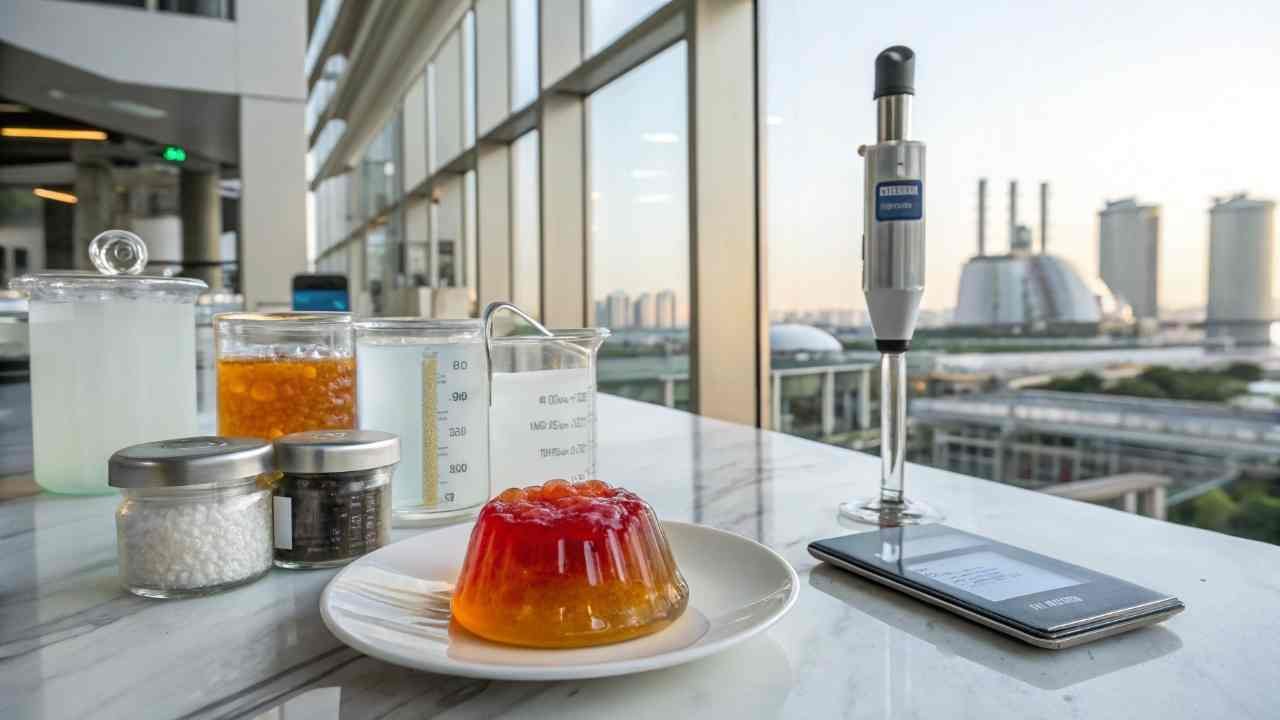
Buffering and Enzymatic Control
I see that pH control is the most "Scientific" part of food production. Many food processes depend on a very narrow pH range. For example, in the brewing industry, enzymes need a specific pH to turn starch into sugar. Phosphoric acid is used to adjust the water pH before mashing. It is very precise. You only need a small amount to make a big change. I visit the factories in China to check their "Buffer Capacity" tests. A good acid provides a stable pH that does not drift over time. This ensures every batch of your product tastes and looks exactly the same.
In the dairy industry, pH control is about safety and texture. When making processed cheese, phosphoric acid helps balance the salts. This keeps the cheese from becoming too hard or too soft. It also helps in the "Degumming" of vegetable oils. By adjusting the pH, the impurities separate from the oil more easily. This makes the oil clearer and healthier. I act as your strategic partner to manage these specifications. I provide the COA (Certificate of Analysis) for every batch. This document proves the acid has the correct strength for your pH meters. Stable pH leads to a stable business.
pH Targets in Industrial Food Production
| Process / Product | Target pH Range | Role of Phosphoric Acid | FINETECH's Role |
|---|---|---|---|
| Beer Brewing | 5.2 - 5.5 | Water acidification | Supply high-purity acid |
| Cheese Making | 5.0 - 5.8 | Protein stabilization | Audit lab protocols |
| Soft Drinks | 2.5 - 3.5 | Tangy flavor / Preservation | Check 85% assay |
| Vegetable Brine | < 4.6 | Botulism prevention | Verify heavy metal limits |
| Sugar Refining | 7.0 (Neutral) | Clarification aid | Manage fast delivery |
| Yeast Growth | 4.0 - 5.0 | Nutrient / pH adjust | Coordinate Low MOQ |
Which industries drive demand for Phosphoric Acid?
Missing out on high-growth sectors limits your wholesale volume. This narrow focus kills your profits and your expansion. I identify the major industries that consume bulk food-grade phosphoric acid today.
The soft drink, processed meat, and dairy industries are the primary drivers of phosphoric acid demand. Growing sectors like pet food, ready-to-eat meals, and industrial food-grade cleaning also require high-purity acid for flavor, preservation, and sanitation, creating new opportunities for global traders.
Emerging Markets and Industrial Growth
I see that the demand for phosphoric acid is growing in new places. In the Middle East (Saudi Arabia, UAE), there is a big push for local food manufacturing. They are building new factories for snacks and beverages. These factories need a steady supply of top-quality acid. I act as their strategic office in China. I manage the logistics and the factory selection for them. Another big driver is the "Ready-to-Eat" (RTE) meal industry in Europe and Southeast Asia. These meals need phosphoric acid to stay fresh during freezing and reheating. This is a high-volume market for wholesale traders.
The pet food industry is also becoming a major player. Pet owners want high-quality food for their animals. Phosphoric acid is used to make the food taste better for cats and dogs. It also helps preserve the nutrients. I see more orders coming from pet food wholesalers in Russia and Korea. Also, do not forget the "Food Equipment Cleaning" industry. Factories use food-grade phosphoric acid to remove mineral scales from their machines. This is called "CIP5" (Cleaning In Place). It must be food-grade to ensure no toxic chemicals touch the food. I act as your strategic partner to find the best wholesale deals for these different industries. By diversifying your clients, you grow your business safely.
Market Demand Drivers
| Industry | Demand Driver | Required Feature | FINETECH's Advantage |
|---|---|---|---|
| Soft Drinks | Global cola consumption | High purity / 85% | Competitive Price |
| Meat Processing | Ready-to-eat meals | Moisture binding | Top Quality |
| Dairy | UHT milk / Processed cheese | Protein stability | Fast Delivery |
| Pet Food | Premium pet treats | Flavor enhancement | Low MOQ |
| Agrochemical | Liquid fertilizers | Nutrient source | Bulk Supply |
| Food Service | CIP cleaning agents | Scale removal | Secure Packaging |
Conclusion
Phosphoric acid is essential for flavor, preservation, and texture across the beverage, meat, and dairy industries. I manage the supply of top-quality acid at FINETECH to keep your production stable and profitable.
-
Beverage Digest – A professional platform providing news, data, and analysis on the global non-alcoholic beverage market trends. ↩
-
PubChem – Comprehensive chemical database detailing the properties, molecular structure, and safety data of Phosphoric Acid. ↩
-
World Health Organization – Fact sheets regarding food safety, including the health risks posed by heavy metal contaminants. ↩
-
FoodSafety.gov – Official U.S. government resource providing comprehensive standards for food safety and the use of additives. ↩
-
Food Quality & Safety – Technical essentials and best practices for implementing effective Cleaning In Place (CIP) systems in food processing facilities. ↩