
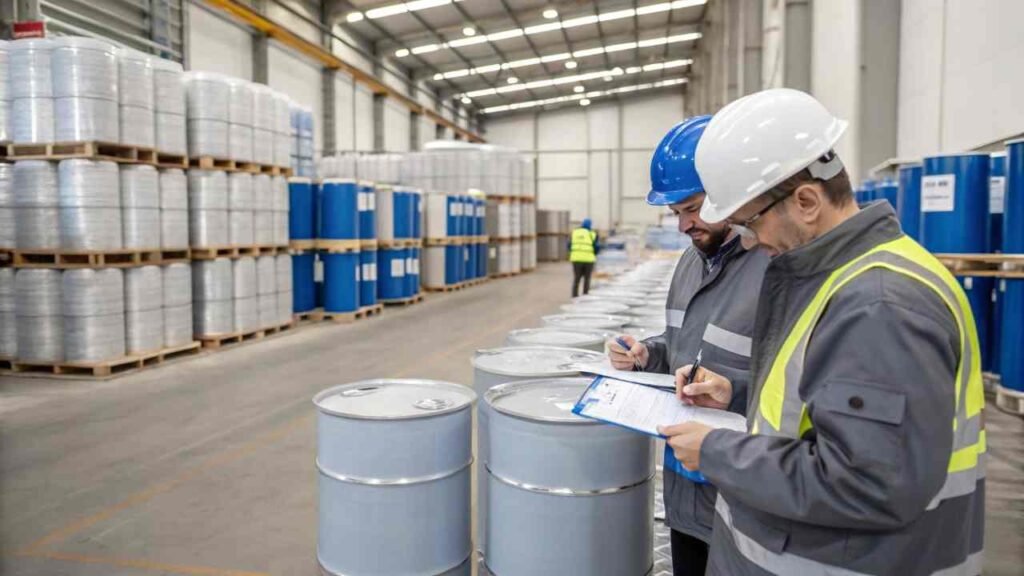
Unstable supply chains and off-spec Vitamin B5 stop your production lines. These risks drain your capital and ruin your reputation. I manage factory oversight to keep your procurement safe and profitable.
Main trade risks include quality degradation from moisture, price spikes due to Chinese environmental policies, and currency fluctuations. Buyers mitigate these through strict COA verification, annual fixed-price contracts, and supplier diversification across different Chinese provinces to ensure 100% supply continuity and profit protection.
I manage factory selection and quality oversight for my wholesale partners globally. I want to explain the technical facts about these risks so you can build a resilient supply chain for your business.
How Can Buyers Prevent Quality Risks in Vitamin B5 (Pantothenic Acid)?
Off-spec Vitamin B5 causes product recalls and brand death. One bad shipment can bankrupt a small wholesaler. I use rigorous lab testing to prevent these disasters for my clients.
Prevent quality risks by auditing batch-specific COAs and performing pre-shipment inspections via SGS. Verify assay levels (98%+), heavy metal limits, and moisture content. Ensure double-layer PE liners are heat-sealed to prevent caking during long sea voyages to global ports.
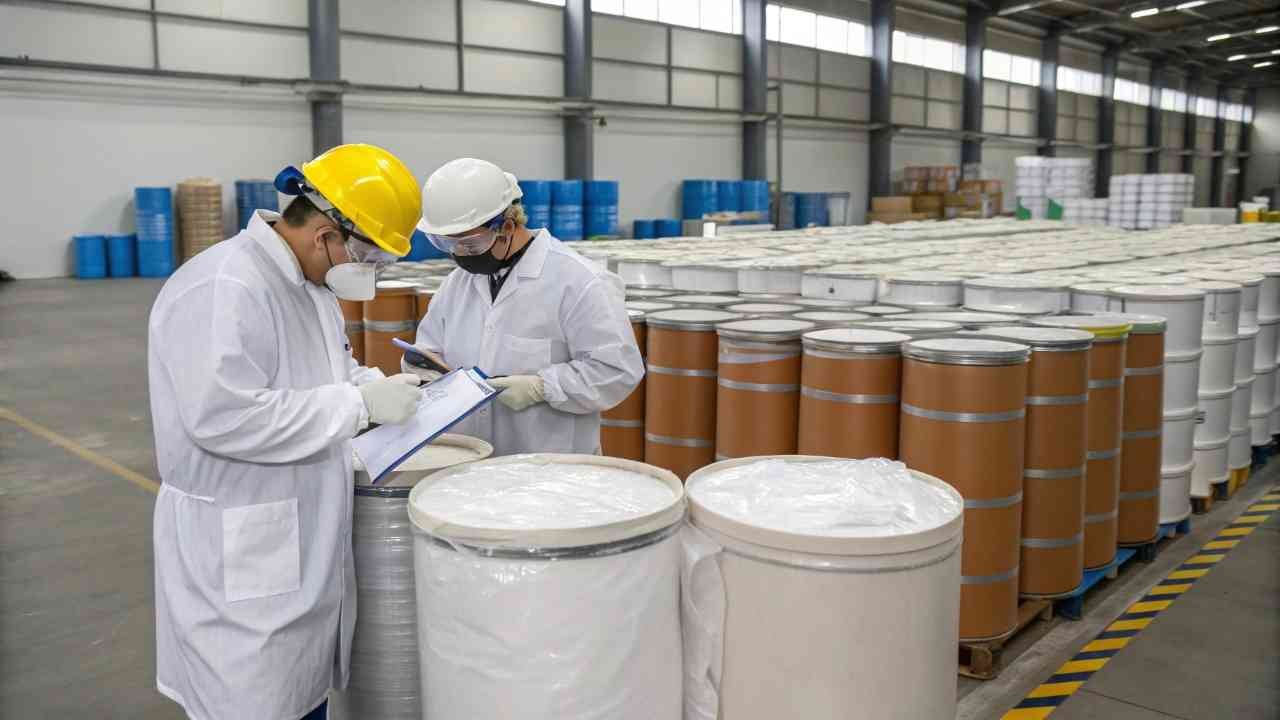
Technical Specification and Laboratory Verification
I see quality as the most dangerous risk in the vitamin trade. D-Calcium Pantothenate is a chemical that must meet exact standards like USP or BP. If the assay level is even 1% lower than the spec, your final food or feed product will fail its nutritional claim. I check the HPLC (High-Performance Liquid Chromatography) reports for every batch. I ensure the purity is between 98.0% and 101.0%. Another technical fact is the specific rotation. This test proves that the vitamin is the active "D" form. If a supplier sells you a mix of D and L forms, the product has zero nutritional value. I act as your technical gatekeeper to ensure only the pure D-isomer reaches your warehouse.
Physical risks are also a major concern. Vitamin B5 is hygroscopic, which means it loves to absorb water. If the moisture content is too high, the powder will clump into hard rocks during shipping. This "caking" makes the material impossible to use in your mixing machines. I manage the packaging process in China to ensure we use thick, double-layer PE liners. We heat-seal the inner bag to create an airtight environment. Also, I oversee the heavy metal testing1. Lead and arsenic must be below 2 mg/kg for food-grade material. I review the atomic absorption logs at the factory to verify these safety levels. My oversight prevents you from receiving unsafe or unusable material.
Critical Quality Specifications Table
| Quality Parameter | Standard Requirement | Business Impact | Mitigation Strategy |
|---|---|---|---|
| Assay (Purity) | 98.0% - 101.0% | Nutritional accuracy | HPLC batch testing |
| Specific Rotation | +25.0° to +28.5° | Bio-activity proof | Polarimeter verification |
| Loss on Drying | Max 5.0% | Prevents clumping | Heat-sealed PE liners |
| Heavy Metals (Pb) | < 2 ppm | Legal safety compliance | Atomic absorption test |
| Appearance | White Powder | Final product look | Visual inspection |
How Do Currency Fluctuations Affect Vitamin B5 (Pantothenic Acid) Costs?
Shifting exchange rates double your procurement costs overnight. This volatility makes financial planning impossible. I help you manage currency risk to keep your prices stable and competitive.
Currency shifts between USD and CNY directly impact factory-gate prices. If the Yuan strengthens, USD prices rise even if production costs are stable. Buyers manage this by using fixed-price contracts or paying deposits during favorable exchange rate windows to hedge against volatility.

The Relationship Between USD and CNY
I want you to understand that while we trade in US Dollars, the factories in China pay for their labor and raw materials in Chinese Yuan (CNY). When the value of the Yuan goes up, the factory needs more Dollars to cover their costs. They will raise their price to me, and I must pass that to you. This is a technical risk that many buyers ignore until it is too late. I track the exchange rate every morning at my office. I look for trends that suggest the Yuan is about to get stronger. I tell my regular buyers in Southeast Asia and the Middle East when to pay their balance early to "lock in" a better rate. This financial foresight saves them thousands of dollars on large container orders.
I also use Sinosure (China Export & Credit Insurance Corporation) to help manage financial risks. Sinosure provides a layer of safety for both the buyer and the seller. If you have a good credit history, I can offer you credit terms even when the currency market2 is volatile. This allows you to manage your cash flow without being forced to buy only when you have cash on hand. Strategic timing is the key to beating currency risk. I also suggest using "Forward Contracts" with your bank. This is a way to buy Dollars at a fixed rate for a future date. By combining my market data with your bank’s tools, we remove the gamble from your procurement process. My goal is to make your landed cost predictable for the whole year.
Currency Impact Scenarios
| Scenario | CNY Value | USD Price Result | Buyer Action |
|---|---|---|---|
| Stronger Yuan | Appreciation | Prices Rise | Pay deposit early |
| Weaker Yuan | Depreciation | Prices Drop | Buy small lots / Wait |
| High Volatility | Unpredictable | Fluctuating Costs | Sign annual fixed contract |
| Stable Market | Flat | Stable Pricing | Standard procurement |
| Energy Hike in China | Upward Pressure | Sharp Price Hike | Stockpile safety stock |
How Can Contracts Reduce Vitamin B5 (Pantothenic Acid) Supply Risk?
Vague agreements leave you unprotected when shipments go wrong. You end up paying for damaged or late goods. I use technical contracts to ensure your rights and supply are secured.
Contracts reduce risk by defining exact chemical standards, delivery deadlines, and penalty clauses for delays. They use Incoterms like CIF to clarify insurance duties. Annual volume agreements ensure priority production slots and protect buyers from spot market price spikes in China.

Mandatory Clauses for Buyer Protection
I ensure that every proforma invoice I send has a detailed specification sheet3. You should not just write "Vitamin B5" in your order. You must include the assay level, the specific rotation, and the mesh size. The contract must state that the goods must match the agreed sample exactly. If the bulk order is different, the supplier must be responsible for a replacement or a refund. This technical detail prevents arguments later. I also suggest adding a clause for "retainer samples." We keep a sample from every batch we ship for three years. If you have a quality problem in your warehouse, we can test my sample to find the truth. This creates a clear legal path for resolving disputes.
Managing logistics risk is also a part of a good contract. Late shipments ruin your production schedule. A good contract should have a clear "Latest Shipping Date." I suggest adding a penalty clause for delays. For example, if the cargo is late by more than two weeks, the supplier pays a 2% discount. This encourages the factory in China to prioritize your order. You should also define the Incoterm clearly. If you use CIF4 (Cost, Insurance, and Freight), I handle the insurance for you. This protects you if the container gets damaged by a storm at sea. I oversee these document details at FINETECH to ensure you have a professional and enforceable agreement.
Essential Contract Elements Table
| Contract Clause | Purpose | Risk Mitigation |
|---|---|---|
| Specification Appendix | Define purity and metals | Prevents off-spec deliveries |
| Penalty for Delay | Set dates and fines | Ensures on-time shipping |
| Quality Rejection | Define return process | Protects your capital |
| Incoterms (CIF/FOB) | Assigns cost and risk | No hidden logistics fees |
| Lab Verification | Define third-party tests | Provides objective quality proof |
| Force Majeure | Define "uncontrollable" | Clarifies liability in crisis |
How Does Supplier Diversification Protect Vitamin B5 (Pantothenic Acid)?
Relying on one factory is a dangerous gamble. If they fail, your business dies. I manage a network of producers to protect your supply from single-point failure and crisis.
Diversification spreads orders across different Chinese provinces like Zhejiang and Shandong. If one region faces power limits or audits, others fill the gap. This strategy maintains supply continuity and gives you stronger leverage on quality and pricing during global shortages.
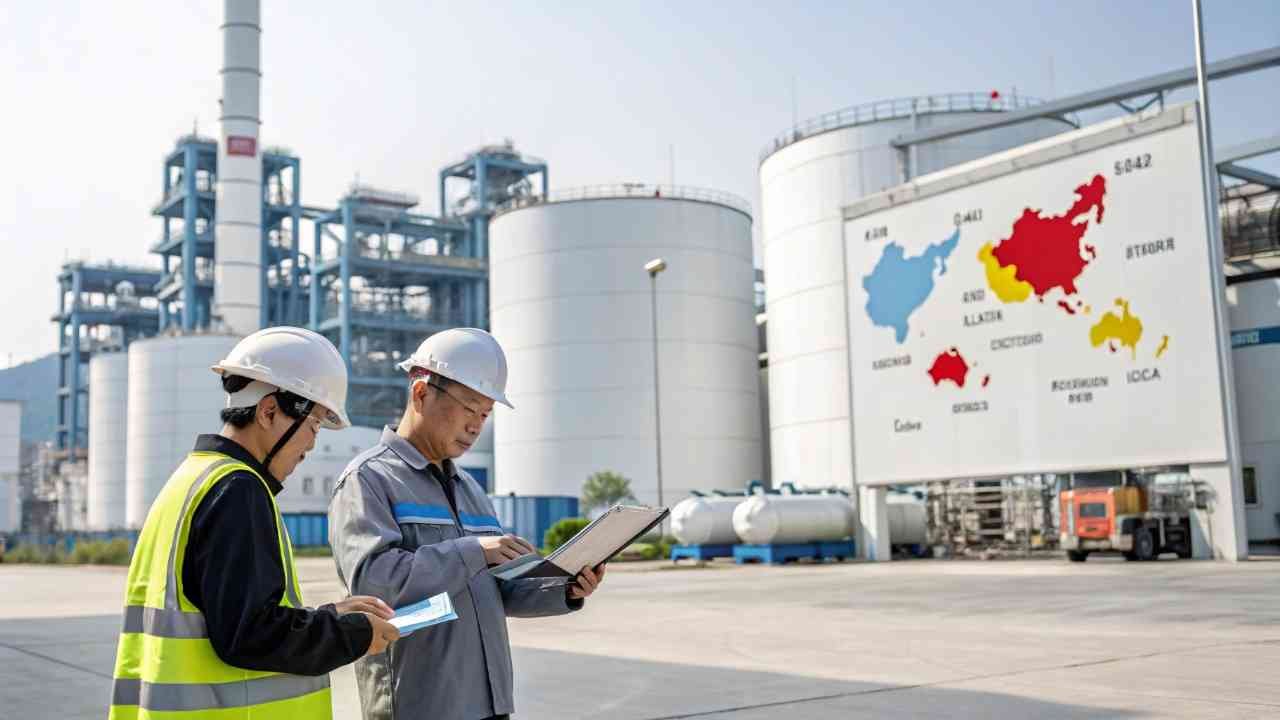
Spreading Regional and Operational Risks
I always tell my clients that "all eggs in one basket" is a bad strategy in China. Our country is huge, and rules change by province. In the winter, some provinces might have power limits to save heating fuel. If your only supplier is in an area with a power cut, your order will be late. I work with multiple top-tier factories in different chemical parks. These parks are far apart. It is very rare for all of them to have problems at the same time. I handle the shifting of production so your flow of Vitamin B5 never stops. This diversification is a major benefit of working with a professional managed exporter. It gives you the safety of a large company.
Consistency is another factor I manage across different suppliers. Wholesalers worry that if they change factories, the quality will change. I solve this by setting a "Global FINETECH Standard." All my partner factories must meet the same assay and mesh size requirements. I check their lab equipment personally to ensure they use calibrated HPLC machines. This ensures that a drum from Shandong looks and works the same as a drum from Zhejiang. Diversification also gives us better price power. If one factory raises prices too high, I can move the volume to another. This competition keeps the price fair for you. By using my network, you get the best of both worlds: supply security and competitive pricing.
Single vs. Diversified Source Comparison
| Feature | Single Source Risk | Diversified Source (FINETECH) | Value to Buyer |
|---|---|---|---|
| Production Stop | Total supply failure | Production moved to 2nd site | No stockouts |
| Price Hike | Forced to accept | Negotiate across 3 sites | Competitive unit cost |
| Environmental Audit | Shipment delayed weeks | Cargo dispatched from clean site | On-time delivery |
| Quality Issues | No alternative stock | Access to multiple batches | Reliable potency |
| Technical Support | Limited to one lab | Multi-factory expertise | Better formula advice |
How Can Buyers Prepare for Vitamin B5 (Pantothenic Acid) Market Volatility?
Sudden market spikes leave you without stock and with lost sales. Reacting too late ruins your profits. I provide market intelligence to help you buy before the price peaks.
Prepare for volatility by tracking corn feedstock prices and Chinese environmental news. Maintaining a 60-day safety stock and using "Reorder Point" forecasting prevents emergency buying. Strategic inventory management ensures you stay profitable even when global Vitamin B5 supplies are tight.
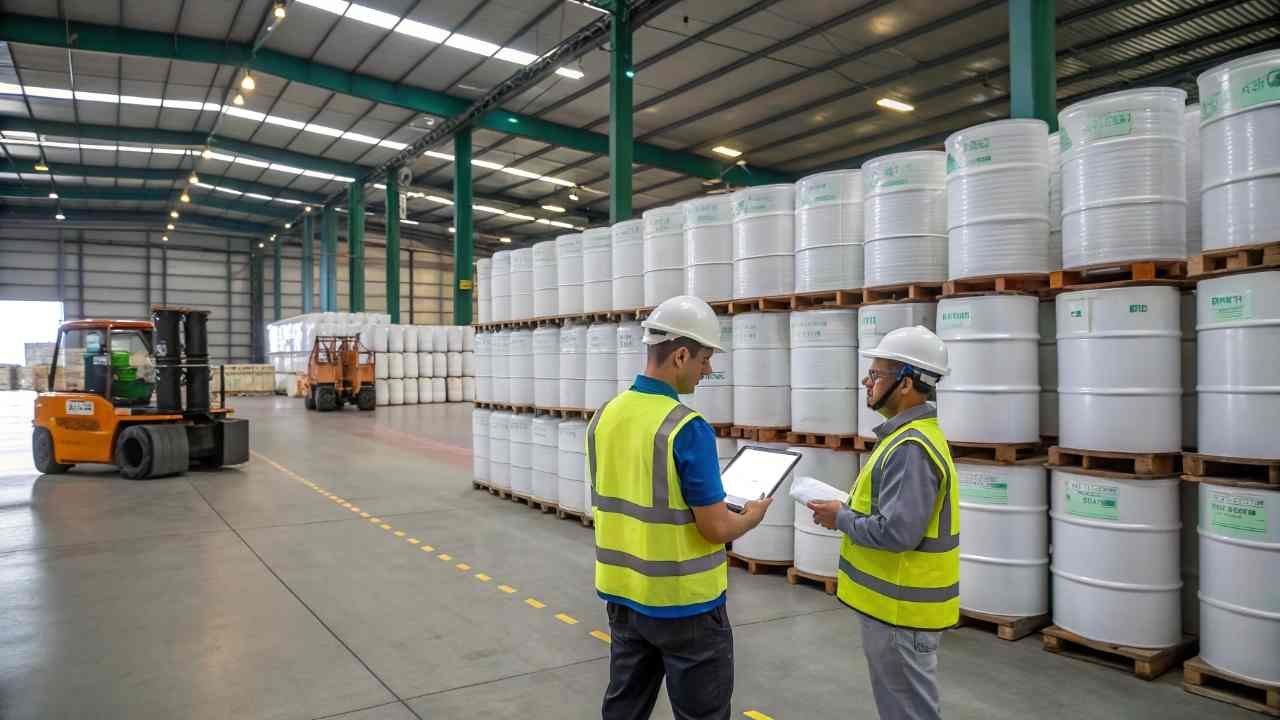
Tracking Intermediates and Seasonal Cycles
I want you to know that the price of Vitamin B5 is not random. It is a technical fact tied to the chemical supply chain. The main raw material is isobutyraldehyde5. This is a petrochemical intermediate. I track the global oil and chemical indices every week. If the price of isobutyraldehyde rises in China, I know the B5 price will follow in about 30 days. I warn my regular buyers so they can stockpile material at the old price. This proactive tracking is how my partners stay ahead of their local competitors. Most traders only see the price hike when it hits their desk. I see it when the raw material leaves the refinery. This insight is my service to you.
Seasonal cycles in China are also a major risk. Every year, the Spring Festival holiday stops all production and ports for two weeks. I see many buyers forget to plan for this. They realize their mistake too late and have to buy expensive "emergency stock" from local traders. I help my clients build an annual ordering calendar. We order extra in November to ensure their warehouse is full in February. Also, I suggest keeping a 60-day "Safety Buffer6." This buffer protects you from port strikes or vessel delays. I help you calculate your "Reorder Point" (ROP) based on your monthly usage. By using a systematic planning tool, you remove the emotion from buying. You buy based on data, not fear.
Conclusion
Managing trade risks for Vitamin B5 requires strict quality audits, strategic contracts, and supplier diversification. I manage these technical details at FINETECH to ensure your business stays safe, stable, and profitable.
-
Eurofins – Professional guide on industrial heavy metal testing to ensure food safety and regulatory compliance. ↩
-
Reuters Markets – Real-time updates and analysis on the currency market, critical for trade-oriented financial planning. ↩
-
ScienceDirect – Engineering reference explaining the components and importance of a technical specification sheet in quality management. ↩
-
ICC – Official international chamber of commerce resources for the CIF Incoterm, defining responsibilities in global trade orientation. ↩
-
ChemicalBook – Technical details and market data for isobutyraldehyde, a primary raw material in food additive synthesis. ↩
-
InventoryOps – A technical guide for procurement managers on calculating safety buffer/stock to mitigate supply chain risks. ↩