
Unreliable Vitamin B3 supply ruins your production schedules. This uncertainty wastes your money. I provide flexible ordering options to keep your stock levels safe and your costs low for your business.
The standard MOQ for Vitamin B3 is usually 100kg to 500kg for food grade. Bulk options include full container loads (FCL) of 10-15 tons or pallet-sized orders of 500kg. Wholesale prices are tiered, with larger volumes and annual contracts offering the most competitive rates from China.
I manage factory selection and quality oversight for many global buyers at FINETECH. I want to explain the technical details of ordering volumes to help you choose the best strategy for your procurement.
What Is the Typical MOQ for Vitamin B3 (Niacin)?
High MOQs block small companies from entering the market. This barrier slows your growth and limits your options. I offer low MOQ starting at 100kg to help you manage your cash flow.
Typical MOQs for food-grade Niacin start at 100kg, which equals four 25kg drums. For high-purity pharmaceutical grades, the MOQ can be as low as 25kg. Meeting these minimums ensures you receive factory-direct pricing while maintaining a manageable inventory level for your local warehouse.
Understanding Factory and Shipping Constraints
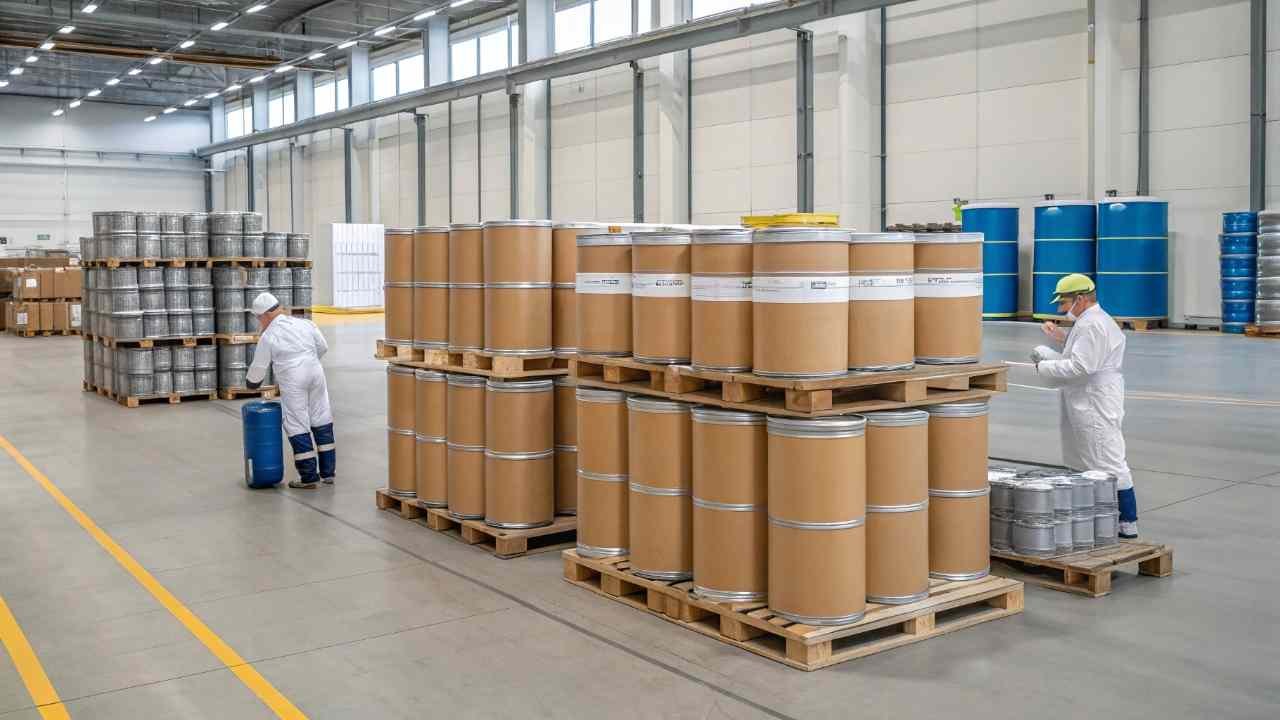
I want to explain why factories have these Minimum Order Quantity (MOQ) rules. Vitamin B3 is made through chemical synthesis1 in large batches. The factory must run a certain volume to make the production efficient. If the batch is too small, the energy and labor costs per kilogram become too high. As an exporter, I work with these factories to find a balance. I usually set the MOQ at 100kg for my wholesale clients. This volume allows us to get a good price while keeping your investment low. 100kg is easy to handle and fits perfectly on a small pallet.
Logistics also play a role in the MOQ. The standard package for Vitamin B3 is a 25kg fiber drum. Four drums make 100kg. When we ship less than 100kg, the port handling fees and document costs stay the same. This means the shipping cost per kilogram becomes very expensive for you. I suggest my buyers in the Middle East and Southeast Asia stick to at least 100kg. This ensures the Certificate of Analysis (COA) and Health Certificate2 costs are spread over a larger weight. I manage the relationship with several factories in China to ensure they accept these lower MOQs for my partners. This flexibility is a key feature of the FINETECH service.
MOQ Variations by Grade and Package
| Product Grade | Standard MOQ | Package Type | Best Use Case |
|---|---|---|---|
| Food Grade (99%) | 100 kg | 25kg Fiber Drum | Wholesale / Food Mills |
| Pharma Grade (USP) | 25 kg | 25kg Fiber Drum | Supplements / Cosmetics |
| Feed Grade (98%) | 500 kg | 25kg Bags / Drums | Poultry / Livestock |
| Trial Sample | 1 kg - 5 kg | Vacuum Aluminum Bag | Lab testing / R&D |
| Custom Premix | 1,000 kg | 25kg Bags | Specialized Food |
How Do Bulk Orders Reduce Vitamin B3 (Niacin) Costs?
High per-unit costs destroy your profit margins. Small shipments lead to expensive port fees and administrative waste. Bulk ordering is the best way to lower your landed costs and increase your market power globally.
Bulk orders reduce Vitamin B3 costs through tiered discounts and lower shipping rates. Purchasing a full 20ft container (10-15 tons) minimizes port handling fees per kilogram. It also allows factories to run larger, more efficient production batches, resulting in a lower base price for the buyer.
Economies of Scale in Production and Admin
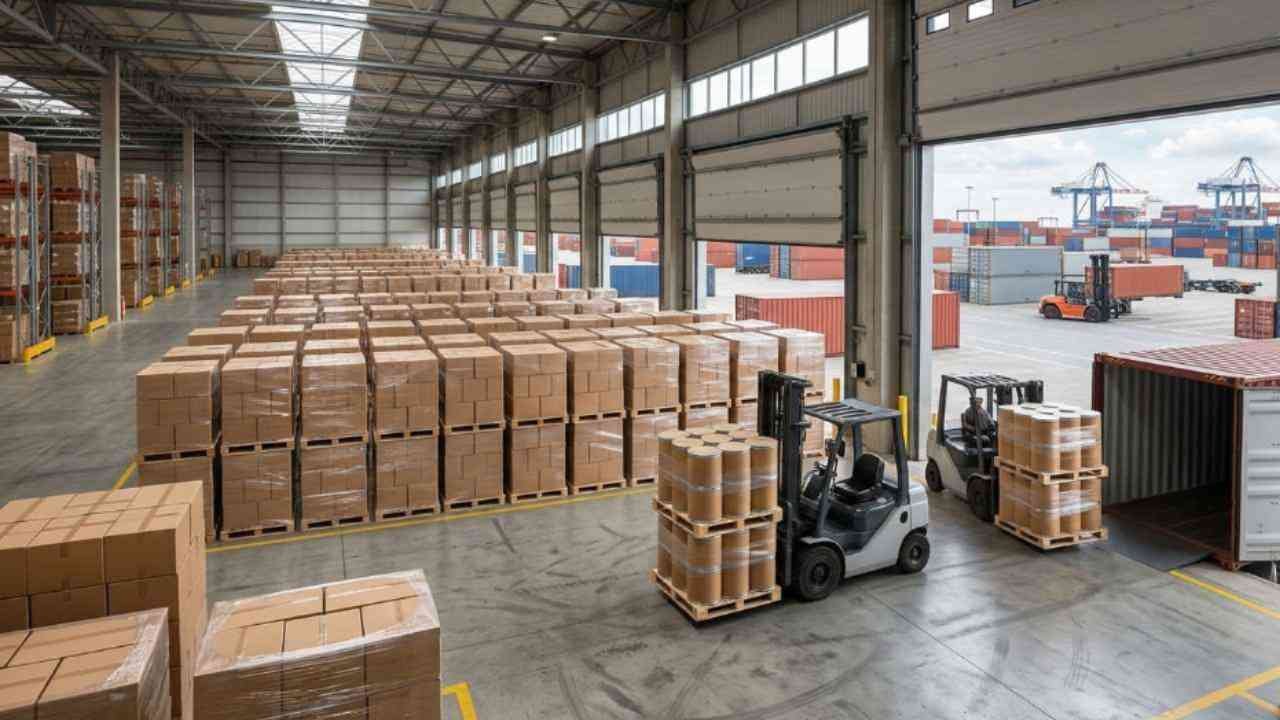
I see that bulk orders provide the best value for large distributors. When you order 10 tons or more, the factory can plan their production weeks in advance. This lowers their operational risk. They can buy raw materials like 3-picoline in huge amounts at lower prices. They pass these savings to you. I negotiate these "Tier 1" prices for my high-volume clients. Beyond the product price, bulk orders save money on paperwork. Every export needs an export license, customs filing, and bank fees. If you buy 10 tons, these fixed costs are almost zero per kilogram. This efficiency is how large traders stay ahead of smaller competitors.
Logistics are the second big saving area. A 20ft Full Container Load (FCL) is the gold standard for vitamin trade. In FCL, the container is yours. You do not pay for shared space or extra handling at a consolidation warehouse. For Vitamin B3, a 20ft container holds about 12 to 15 tons on pallets. I manage the loading to ensure no space is wasted. I also help you calculate the "landed cost." This is the total price including freight and insurance. Usually, the landed cost for an FCL shipment is 15% to 20% lower than an LCL (Less than Container Load) shipment. I help my buyers in Russia and Korea optimize their order sizes to reach these FCL levels.
Cost Savings Comparison by Volume
| Order Volume | Unit Price Tier | Shipping Fee (est) | Total Landed Cost |
|---|---|---|---|
| 100 kg | Premium | High (LCL) | Highest |
| 500 kg | Wholesale | Moderate (LCL) | High |
| 2,000 kg | Bulk | Moderate (LCL) | Moderate |
| 10,000 kg (FCL) | Industrial | Low (FCL) | Low |
| 20,000 kg (FCL) | Contract | Lowest (FCL) | Lowest |
Can Small Buyers Purchase Vitamin B3 (Niacin)?
Small buyers often feel ignored by large manufacturers in China. This lack of support stops your expansion and limits your inventory. I provide specialized consolidation services so you can access top-quality Niacin at any scale.
Yes, small buyers can purchase Vitamin B3 by using mixed container loads or purchasing pallet-sized lots of 500kg. By combining Niacin with other additives like Vitamin B1 or C, small wholesalers can achieve full container shipping rates and maintain a diverse product range.

The Mixed Container Strategy
I specialize in helping small to medium distributors grow. You do not always need to buy 15 tons of one product. I offer a "mixed cargo" solution. You can buy 500kg of Vitamin B3, 500kg of Vitamin B6, and several tons of other food additives3. We load all these into one 20ft container. This way, you get the low FCL shipping rate for everything. This strategy is very popular with my clients in Indonesia and Vietnam. It allows you to have a full catalog of products without tying up all your cash in one item. I manage the collection of all these items from different factories and oversee the quality in our warehouse.
I also help small buyers by accessing "ready stock." Sometimes a factory has extra drums from a large production run. I keep a list of these available batches. You can buy 5 or 10 drums at a competitive price without waiting for a new production cycle. I check the COA and the shelf life of this stock personally. I ensure it is 100% fresh and meets USP standards. This approach helps new traders enter the market with low risk. I act as your partner in China to find these opportunities. You get the same top quality and document support as my largest clients. This is how I help small businesses become large wholesalers.
Strategies for Small Buyer Success
| Strategy | Action | Main Benefit |
|---|---|---|
| Consolidation | Mix B3 with other vitamins | Lower shipping rates |
| Pallet Buying | Order 18-27 drums | Safe and easy handling |
| Stock Selection | Buy existing factory stock | Faster delivery |
| LCL Logistics | Use specialized vitamin forwarders | Low entry cost |
| Group Buying | Join with other local traders | Better price power |
How Do Annual Contracts Work for Vitamin B3 (Niacin)?
Price volatility in China makes your budget unpredictable and risky. Sudden price spikes ruin your local sales contracts. Annual volume agreements lock in your costs and ensure you always have stock during global shortages.
Annual contracts for Vitamin B3 fix a set price and volume for 12 months. This agreement protects buyers from market fluctuations and energy-related price hikes. It guarantees production slots and ensures a steady supply of fresh material delivered on a pre-planned schedule.

Price Protection and Supply Security
I see that market leaders always use annual contracts. The price of Vitamin B3 can change because of raw material costs or environmental rules in China. If you buy on the "spot market," you might pay $5 today and $8 next month. This makes it impossible to quote stable prices to your customers. With an annual contract4, I help you lock in a price for the whole year. Even if the market price goes up, your cost stays the same. This budget security is vital for large food companies in Europe and the Middle East. I manage the relationship with the factory to ensure they honor the price for every single shipment.
Supply security is the second big benefit. During peak seasons like the weeks before Chinese New Year, factories are very busy. Spot buyers often have to wait for a long time. But with a contract, the factory reserves a production slot for you every month. Your Vitamin B3 is made and shipped first. I oversee the production schedule to ensure the material is always fresh. You do not have to worry about shortages or stockouts. This long-term cooperation builds a deep trust between you and the producer. I act as the enforcer of this contract in China. I ensure the quality and the timing match your needs perfectly for all 12 months.
Annual Contract vs. Spot Buying
| Feature | Spot Buying | Annual Contract | Impact on Profit |
|---|---|---|---|
| Price Stability | Low (Market based) | High (Fixed) | Predictable margins |
| Supply Priority | Low (First come) | High (Reserved) | No production stops |
| Admin Work | High (New quote every time) | Low (Planned) | Lower labor cost |
| Relationship | Transactional | Strategic Partner | Better support |
| Inventory Risk | High (Shortage risk) | Low (Steady flow) | Higher reliability |
How Can Buyers Forecast Vitamin B3 (Niacin) Demand?
Poor forecasting leads to emergency buying or overstocking. Both errors waste your capital and hurt your warehouse efficiency. I provide a technical framework to help you predict your needs and buy at the right time.
Buyers forecast Vitamin B3 demand by analyzing historical usage data, sales growth targets, and regional fortification mandates. Accounting for a 60-day lead time and maintaining a 20% safety stock buffer ensures your production lines never stop due to unexpected logistics delays or shortages.
Data-Driven Procurement Planning
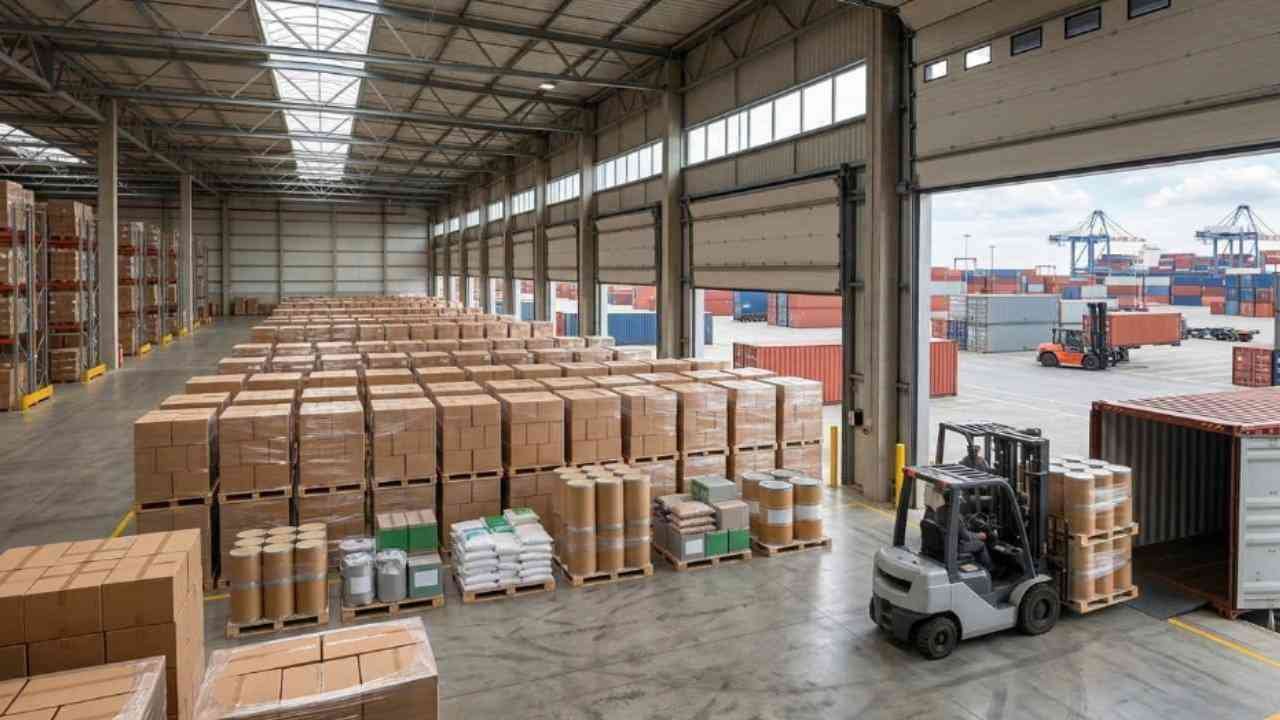
I suggest you start by looking at your usage for the last two years. Do you see seasonal spikes? For example, the animal feed industry often buys more in the spring and autumn. If you supply food mills, their demand might be stable every month. I help my clients build an "ordering calendar." We look at your average monthly usage and add your sales growth target. If you plan to grow by 15%, we increase your contract volume by 15%. This planning prevents you from running out of stock when your business expands. I also track the "China factor" for you. I tell you when to buy extra stock before a holiday or an environmental audit.
A professional system uses the "Reorder Point" (ROP) formula. You should place a new order when your stock reaches: (Daily Usage x Lead Time) + Safety Stock. If it takes 45 days to get Niacin from China, you need at least 45 days of stock plus a 15-day buffer. This 60-day window is safe. I manage the shipping tracking for you, so you know exactly when the goods will arrive. This data helps you keep your inventory "lean." You do not waste money on too much stock, but you are never empty. I provide market reports to my regular buyers to help them adjust these forecasts based on global supply trends5.
Key Metrics for Demand Forecasting
| Metric | Calculation | Purpose |
|---|---|---|
| Average Daily Usage | Total Yearly Use / 365 | Baseline demand |
| Lead Time Buffer | Delivery Days + 14 Days | Safety against delays |
| Growth Multiplier | 1 + Growth % | Future-proofing |
| Reorder Point | Usage x (Lead + Buffer) | Automated buy signal |
| Safety Stock | 20% of Lead Time Usage | Insurance for shortages |
Conclusion
Understanding MOQ and bulk options helps you reduce costs and secure your Vitamin B3 supply. I manage these technical ordering details at FINETECH to ensure your business stays profitable and safe.
-
ScienceDirect – Engineering reference explaining the technical processes and batches involved in industrial chemical synthesis for nutritional additives. ↩
-
FAO Food Safety – Official international guidelines explaining the requirements for a Health Certificate in the global food additive trade. ↩
-
World Health Organization (WHO) – Technical fact sheet providing safety evaluations and regulatory definitions for common food additives. ↩
-
ProcurePort – A professional procurement resource detailing the structure and benefits of long-term supply contracts for industrial buyers. ↩
-
ICIS – Chemical market intelligence resource for tracking precursors and global supply trends to inform procurement timing. ↩