
Are you worried that your CMC shipment might arrive as a hard, clumping mess? Poor packaging choices often lead to ruined batches, wasted money, and major delays for your production line.
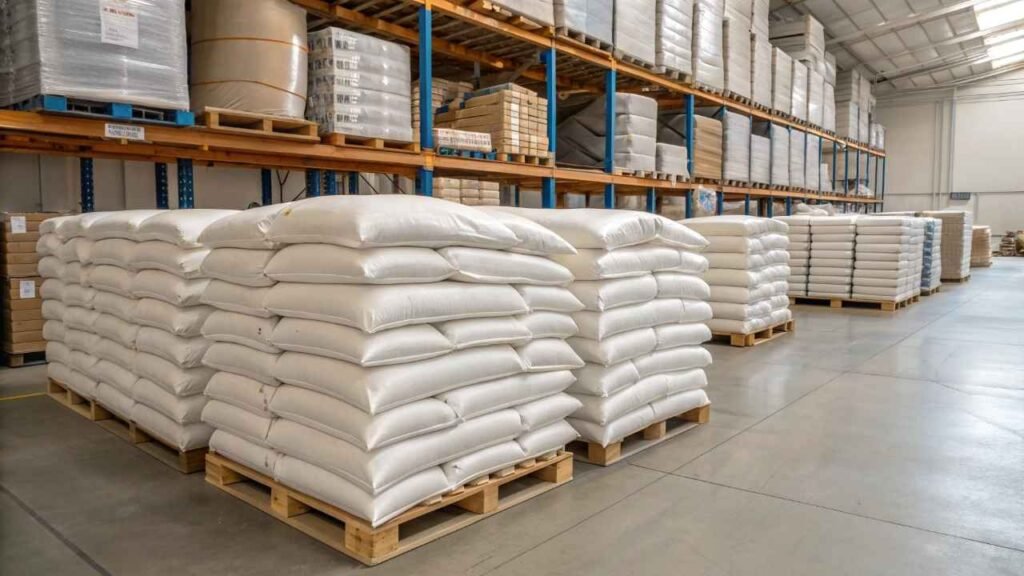
For CMC export, I usually provide 25kg multi-wall Kraft paper bags with an inner PE liner. Some of my clients also request jumbo bags (FIBC) for bulk industrial use to ensure the powder stays dry and stable during long sea transit.
I have seen many buyers lose money because they ignored the importance of the bag. If you want your CMC to perform perfectly in your food recipes, you need to understand how we pack it.
What Bag Types Are Common for Carboxymethyl Cellulose (CMC) Export?
Cheap bags often break during the loading process at the port. This creates a dusty mess in your warehouse, wastes your valuable product, and can even lead to safety hazards for your workers.
I typically use 25kg Kraft paper bags or PP woven bags, both equipped with a thick plastic inner liner. For very large orders, I offer 500kg or 1000kg jumbo bags to make unloading faster for big factories.

Why Choice Matters for Your Warehouse
In my years at FINETECH, I have learned that the bag choice depends on how you handle the product. If you have a small warehouse with manual labor, 25kg bags are the best. They are easy to carry and pour. However, if you are a large wholesaler in Russia or Saudi Arabia, you might prefer palletized bags to save on labor costs.
The most common choice is the multi-wall Kraft paper bag1. It is strong and looks professional. But, some of my price-sensitive buyers in Southeast Asia prefer PP woven bags2. These are very tough and hard to tear. The most important part is the inner PE (polyethylene) liner. Without this liner, the CMC will soak up moisture from the air.
Understanding the Inner Liner
When I ship to humid places like Indonesia or Vietnam, I always double-check the seal of these liners. If the seal is loose, the CMC might clump before it even reaches your factory. We also look at the valve bag option. Valve bags are great because they are easy to fill at the factory and stay very square, which makes them easy to stack on a pallet. I always tell my team that a bag is only as good as its seal. If the seal fails, the whole bag of CMC is at risk.
| Bag Type | Material | Standard Weight | Best Use Case |
|---|---|---|---|
| Multi-wall Kraft Bag | Paper + PE Liner | 25kg | Food Grade / Premium Export |
| PP Woven Bag | Plastic + PE Liner | 25kg | Industrial / Budget-friendly |
| Jumbo Bag (FIBC) | Woven Plastic | 500kg - 1000kg | Large Scale Manufacturing |
| Valve Bag | Paper/Plastic | 20kg - 25kg | Automated Production Lines |
How Does Packaging Protect Carboxymethyl Cellulose (CMC) Quality?
If the packaging is weak, the CMC powder can react with the air and lose its viscosity. This means your food products will not have the right texture, and you will have to throw away entire batches.
Good packaging acts as a shield against oxygen, light, and physical damage. By using high-quality liners and thick outer layers, I ensure the chemical properties of the CMC stay stable from my factory to your door.
The Science of Staying Dry
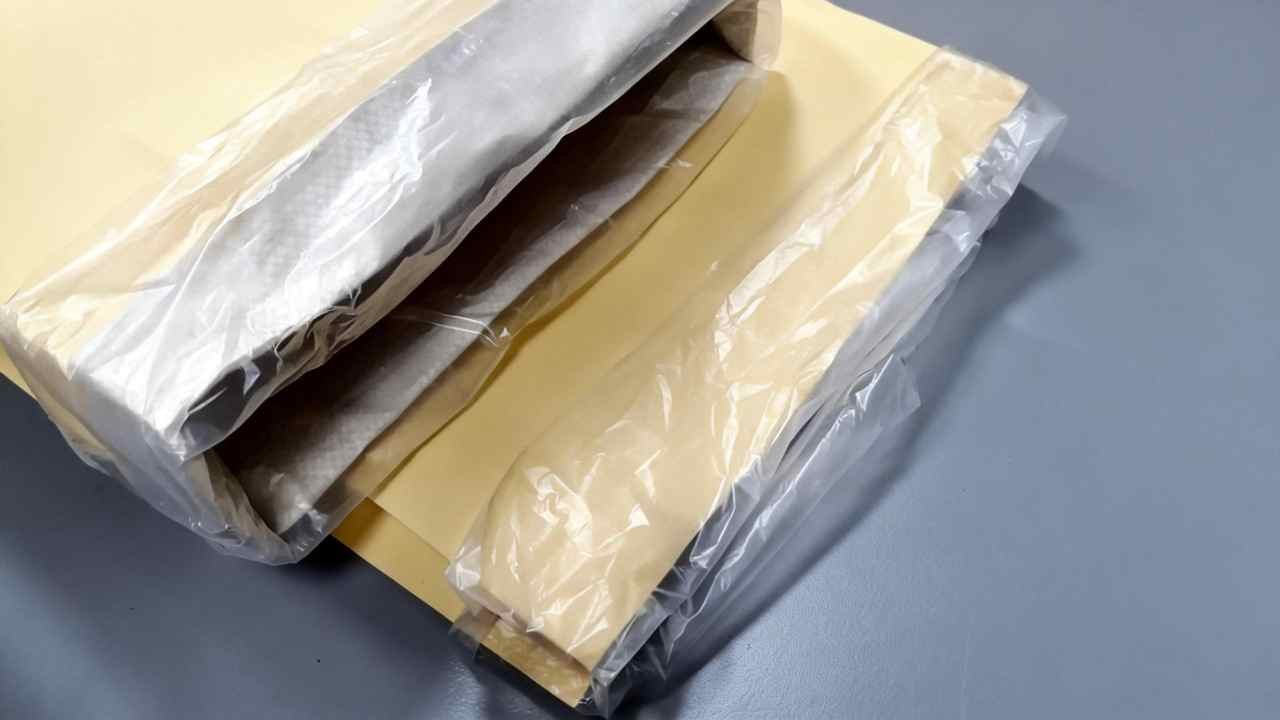
I always tell my clients that CMC is like a sponge for water. If the air gets in, the quality goes down. My goal is to create a micro-environment inside the bag that does not change. I use heat-sealing for the inner plastic bag. This is much better than just tying it with a string. A heat seal is airtight.
Fighting Physical Damage
Physical protection is also a big deal. When we ship to Europe, like Germany or Greece, the containers go through a lot of movement on the sea. If the bags are too thin, they will rub against each other and pop. I use multi-layer bags to prevent this. Each layer adds a bit more strength.
Another thing I consider is light protection. While CMC is not as sensitive to light as some vitamins, long-term exposure to direct sunlight can still affect the packaging material itself. If the bag becomes brittle, it will fail. That is why I store my stock in cool, dark warehouses before shipping. I also ensure that the outer bags are UV-resistant3 if they are going to be stored in sunny regions like the Middle East. I make sure the pallets are wrapped tightly so no single bag is exposed to the elements.
| Protection Factor | Method Used | Benefit to Importer |
|---|---|---|
| Moisture Barrier | PE Inner Liner | Prevents clumping and caking |
| Physical Strength | Multi-wall Kraft/PP | Prevents bag breakage during transit |
| Airtight Seal | Heat Sealing | Maintains viscosity and shelf life |
| Stability | Pallet Wrapping | Prevents bags from shifting or falling |
What Are the Standard Net Weights for Carboxymethyl Cellulose (CMC)?
Ordering the wrong weight can mess up your inventory and your production math. If your workers expect 25kg but get different sizes, they might add the wrong amount to the mix, ruining your food recipe.
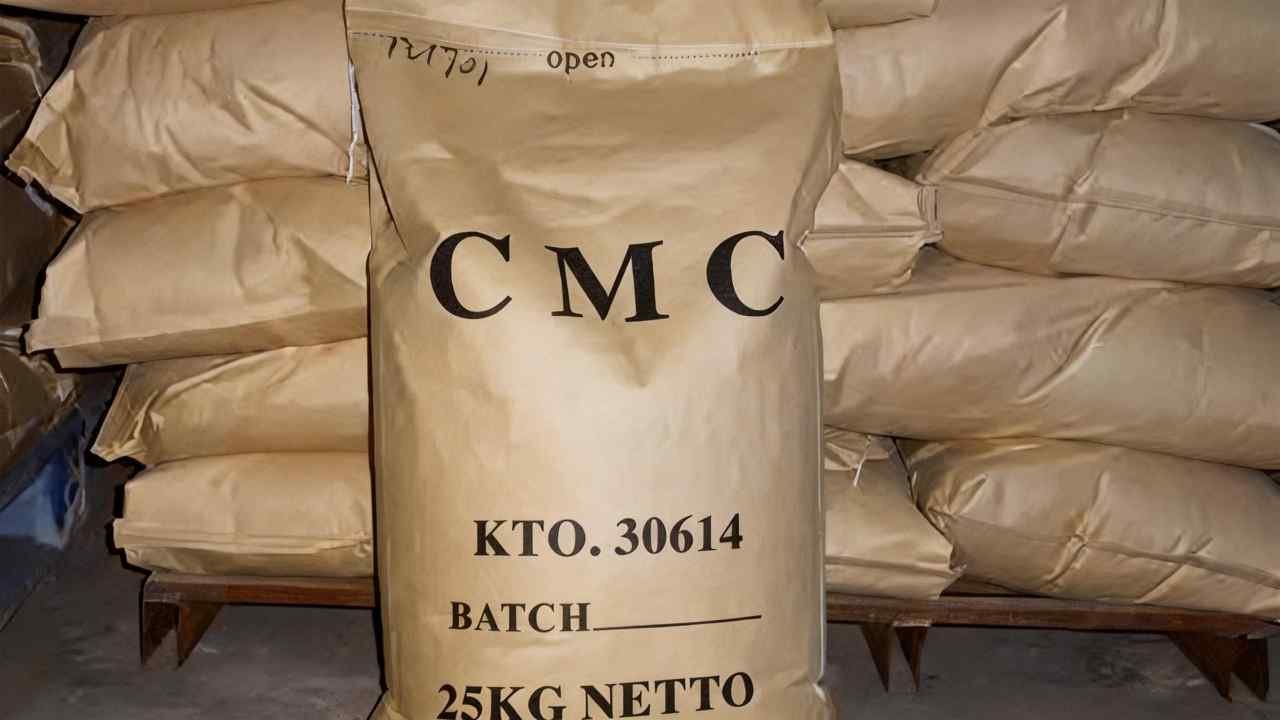
The global standard for CMC is 25kg net per bag. I find this weight is perfect for manual handling and easy calculation. For my large-scale wholesale customers, I also provide 1000kg jumbo bags to improve logistics.
Why 25kg is the Universal Standard
Why is 25kg4 the magic number? I have talked to many buyers in the UAE and Korea about this. First, it is about human safety. Most labor laws around the world allow a worker to lift 25kg safely. If I made the bags 50kg, it would be too heavy and lead to more accidents in your warehouse.
Efficiency in the Factory
Second, 25kg makes the math very simple. If your recipe needs 100kg of CMC, you just toss in four bags. You do not need to spend time weighing the powder again. This saves time and reduces the chance of human error. I always ensure the "Net Weight" printed on the bag is accurate. I hate it when a supplier shorts a customer by a few grams. At FINETECH, I oversee the weighing process to make sure you get exactly what you paid for.
For my traders and distributors, the 25kg bag is also the easiest to resell. Most end-users in the food industry are set up to use this size. However, if you are a huge factory making thousands of liters of beverage every day, I recommend the jumbo bags. These save you from opening 40 small bags for every ton of product. It keeps your factory floor cleaner and reduces plastic waste. It also makes inventory counts much faster.
| Weight Option | Units per 20ft FCL | Target Customer |
|---|---|---|
| 25kg Bag | 720 - 800 Bags (approx. 18-20MT) | Wholesalers, Traders, Medium Factories |
| 500kg Jumbo | 40 Bags (approx. 20MT) | Large Industrial Users |
| 1000kg Jumbo | 20 Bags (approx. 20MT) | Massive Production Plants |
How Can Packaging Reduce Moisture Risk for Carboxymethyl Cellulose (CMC)?
Moisture is the biggest enemy of CMC. If your bags sit in a humid port for weeks, the powder inside can turn into a solid block. This makes it impossible to dissolve and useless for your business.
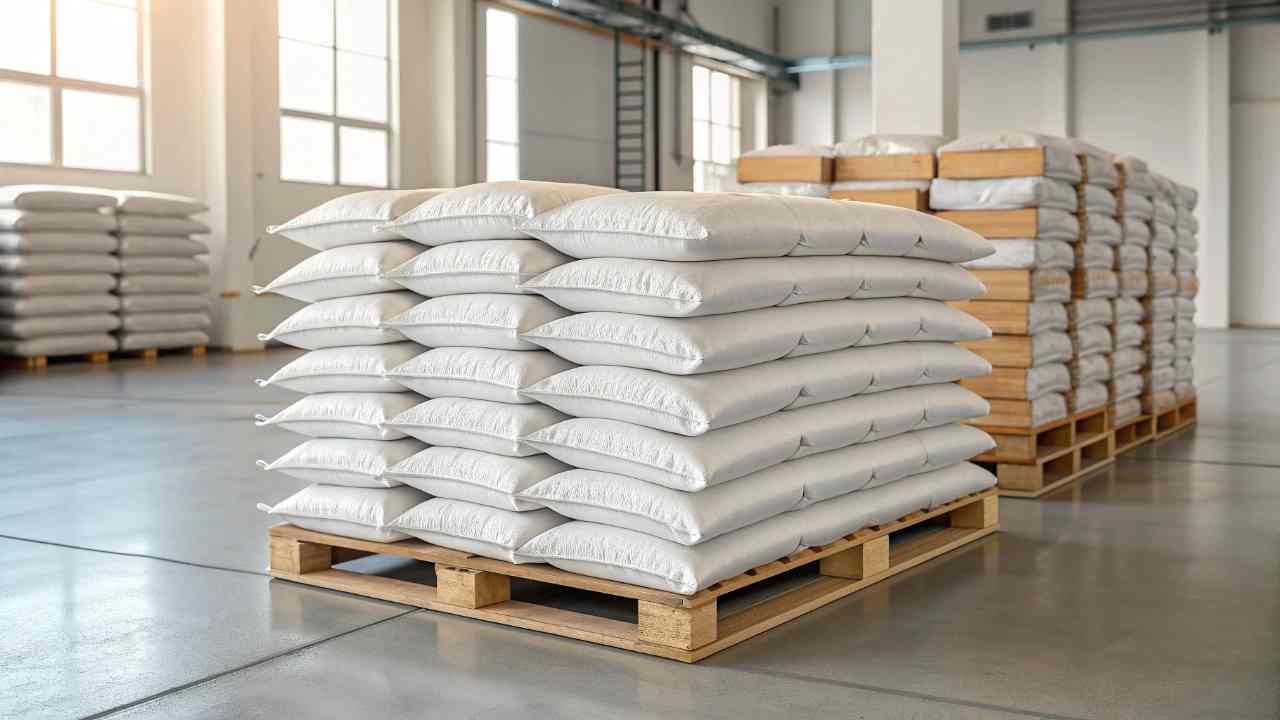
I fight moisture by using thick, high-density PE liners inside every bag. I also use stretch-wrap film to cover the entire pallet. This "double-defense" keeps the humid sea air away from the product during the whole journey.
Solving the Humidity Problem
I remember a client in Malaysia who once bought from a cheap supplier. The bags arrived, but they were damp. The CMC was unusable. When he switched to me, I showed him how I palletize the goods. I don't just put bags in a container. I put them on strong pallets, then I wrap the whole stack in multiple layers of clear plastic film.
Dealing with Container Rain
This film is very tight. It keeps the bags from moving, but it also creates a waterproof barrier. Even if there is some condensation inside the shipping container (we call this "container rain"), the CMC stays dry. I also use desiccant silica gel bags inside the containers for long routes, like shipping to Russia or Germany. These little bags soak up any extra moisture in the air.
Another trick I use is to ensure the pallets are heat-treated (ISPM 15)5 and dry. If you use "green" or wet wood pallets, that moisture will evaporate inside the container and get into your product. I make sure everything that goes into that container is as dry as possible. This is how I maintain the top quality I promise at FINETECH. We take these steps because we know that once moisture gets into CMC, the damage is permanent.
| Moisture Defense Layer | Material/Tool | Function |
|---|---|---|
| Primary Barrier | PE Inner Liner | Stops air contact with powder |
| Secondary Barrier | Stretch Wrap Film | Protects the whole pallet from splashes |
| Environmental Control | Desiccant Bags | Absorbs humidity inside the container |
| Foundation | Dry/Heat-Treated Pallets | Prevents moisture transfer from the base |
What Packaging Details Do Importers Check for Carboxymethyl Cellulose (CMC)?
If your labels are wrong or missing, your shipment might get stuck in customs. This leads to expensive storage fees and can even result in your cargo being sent back to China, which is a total disaster.
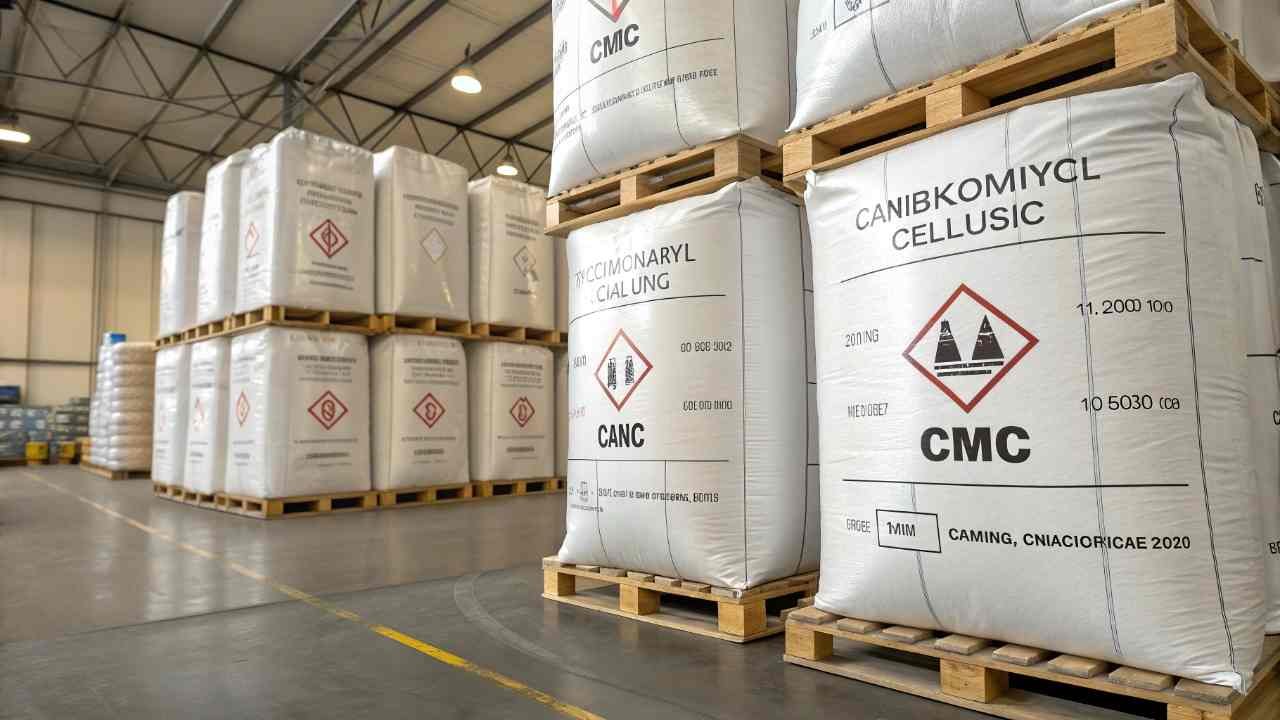
Importers always check for "Food Grade" markings, batch numbers, and expiry dates. I ensure all labels are clear and meet the regulations of your country, whether you are in Saudi Arabia, Korea, or Europe.
Meeting Customs Standards
When I prepare a shipment, I think like a customs officer. Is the product name clear? Is the "Made in China" mark visible? Many of my buyers are large company buyers. They have strict quality control (QC) teams. When the truck arrives at their warehouse, the QC team checks the bags for any tears. If they see a hole, they might reject the whole pallet.
Professional Presentation
That is why I use cardboard "corner protectors" on my pallets. These are stiff pieces of cardboard that go on the corners of the stack before we wrap it. They prevent the straps from cutting into the bags. It keeps the pallet looking perfect and professional.
I also make sure the shipping marks are printed in a large, easy-to-read font. This includes the Gross Weight, Net Weight, and the Batch Number. The Batch Number is very important for food safety. If there is ever a problem, you need to know exactly when that bag was made. I provide a Certificate of Analysis (COA) that matches the batch number on every bag. This makes the audit process very smooth for my clients. If you have specific labeling requirements in your local language, I can handle that too. Good labeling shows you are a serious business and builds trust with your local government.
| Checklist Item | Importance | What I Provide |
|---|---|---|
| Product Grade | High | "Food Grade" clearly printed |
| Batch Number | Essential | Traceability for every bag |
| Expiry Date | High | Usually 2 years from production |
| Safety Marks | Medium | Standard handling icons (keep dry, etc.) |
| Pallet Condition | High | Clean, dry, and ISPM 15 compliant |
Conclusion
Proper CMC packaging prevents moisture, ensures safety, and speeds up customs. I focus on every detail to make sure your shipment arrives in perfect condition.
-
Explore this link to understand why multi-wall Kraft paper bags are a popular choice for packaging due to their strength and professional appearance. ↩
-
Discover the advantages of PP woven bags, especially for price-sensitive buyers, and how they offer durability and moisture protection. ↩
-
Learn about UV-resistant materials and their importance in safeguarding products from sunlight damage during storage. ↩
-
Understanding the significance of the 25kg limit can enhance workplace safety and compliance with labor laws. ↩
-
Understanding ISPM 15 standards is crucial for ensuring compliance and quality in shipping, which can protect your products. ↩