
Wild fluctuations in raw ingredient prices can devastate manufacturing budgets and erase profit margins overnight. Operating without clear cost insights causes financial uncertainty. Analyzing price drivers resolves this issue.
Vitamin D3 series prices are heavily influenced by raw lanolin cholesterol costs, specialized processing and coating technologies, the required potency and grade (feed, food, or pharma), global livestock feed demand, and periodic environmental regulatory closures in China.
Successful commercial buyers must understand the pricing structure of chemical raw materials to time their purchases correctly. Using systematic analysis helps buyers navigate market volatility. Sourcing partners like FINETECH simplify factory checks, oversee production, and manage quality directly in China to secure bulk deliveries. This guide details the primary variables that impact Vitamin D3 pricing.
How Do Lanolin Costs Influence Vitamin D3 Series Pricing?
Relying on unstable agricultural byproducts makes chemical supply chains unpredictable and vulnerable to sudden price spikes. Sourcing without tracing upstream feedstocks increases business risks. Evaluating lanolin trends protects budgets.
Lanolin costs dictate Vitamin D3 baseline prices because wool grease is the sole commercial precursor for refining NF-grade cholesterol. Fluctuations in sheep shearing volumes and high cholesterol purification costs immediately shift global vitamin prices.

Dive Deeper into Upstream Cholesterol Economics
The cost structure of the Vitamin D3 series is deeply linked to the global sheep wool industry. Raw wool grease, or lanolin, is a natural byproduct of sheep shearing and wool scouring. Because lanolin is an agricultural byproduct, its supply is determined by global wool textile demand and livestock herd sizes rather than chemical market requirements. When the wool textile industry experiences a downturn, the volume of raw lanolin drops. This reduction instantly raises the cost of raw wool grease for chemical refineries.
Additionally, refining raw lanolin into NF-grade cholesterol is a highly concentrated and technically difficult chemical process. Only a few specialized facilities, led by Zhejiang Garden Biochemical, possess the industrial capability to perform this purification. These plants face high environmental treatment costs to manage the wastewater generated during extraction. When raw lanolin costs rise or factories must invest in emission compliance upgrades, the cost of NF-grade cholesterol increases. Because cholesterol is the essential starting precursor for synthesizing 7-dehydrocholesterol (7-DHC), any increase in cholesterol costs immediately forces Vitamin D3 manufacturers to raise their export prices to maintain profitability. Sourcing partners like FINETECH track these upstream agricultural trends to help buyers purchase stock before prices rise.
| Cost Component | Pricing Influence | Key Variable | Sourcing Action |
|---|---|---|---|
| Raw Wool Grease | Dictates baseline material cost | Global sheep shearing volumes | Monitor major Australian wool auctions |
| NF Cholesterol | Complex extraction raises prices | Purification plant operating rates | Check major refining factory status |
| Environmental Waste | Waste treatment adds overheads | Regional chemical emission rules | Select compliant, modern facilities |
| Refinery Concentration | Oligopoly pricing power | Factory consolidation levels | Secure multi-year volume agreements |
Why Do Different Potencies of Vitamin D3 Series Have Different Prices?
Choosing the wrong vitamin strength for production lines can lead to overspending on unnecessary active materials or ruin final formulations. Mismatching potencies wastes capital. Assessing potency price factors solves this problem.
Different potencies of Vitamin D3 carry different prices because higher-strength crystalline grades require extensive purification, while lower-strength formulations involve additional carrier ingredients, microencapsulation processes, and spray-drying steps that add manufacturing overheads.

Dive Deeper into Purification and Formulating Costs
The price per kilogram of the Vitamin D3 series varies widely depending on the chemical potency and target application grade. Pure Vitamin D3 crystals possess a potency of forty million International Units per gram (40,000,000 IU/g). This crystalline form represents the highest level of purification and is extremely expensive due to the advanced crystallization technology required to isolate the active molecule. However, pure crystals are highly sensitive to light and oxidation, making them difficult and dangerous to handle directly in standard manufacturing environments.
To make the vitamin usable, factories dilute the crystals into different commercial potencies and physical forms. For liquid applications, manufacturers dissolve the crystals in carrier oils1, such as medium-chain triglycerides (MCT) or corn oil, to produce Vitamin D3 Oil 1,000,000 IU/g. For powder applications, such as feed or food fortification, factories utilize spray-drying or microencapsulation to create starch-coated or gelatin-coated beadlets at potencies like 500,000 IU/g or 100,000 IU/g. Although these lower-potency forms contain less active vitamin, their prices reflect the extra costs of high-grade carrier excipients, protective antioxidants, and complex spray-drying energy requirements. Sourcing partners like FINETECH help B2B buyers compare these technical formats to select the most cost-effective potency for their products.
| Vitamin D3 Form | Potency Level | Main Carrier / Excipient | Price Driver |
|---|---|---|---|
| Pure Crystals | 40,000,000 IU/g | None (High Purity) | Highly complex crystallization steps |
| Liquid Oil | 1,000,000 IU/g | MCT or vegetable oils | Carrier oil cost & nitrogen flushing |
| Feed Beadlets | 500,000 IU/g | Gelatin, starch, silica | Spray-drying and microencapsulation |
| Food CWS Powder | 100,000 IU/g | Modified starch, gum arabic | Cold-water-soluble technology costs |
How Do Processing Technologies Affect Vitamin D3 Series Costs?
Purchasing cheap, poorly protected vitamins can result in rapid ingredient oxidation and final product failures during storage. Selecting cheap formulations risks brand value. Evaluating processing technologies ensures stable quality.
Processing technologies affect costs by requiring expensive ultraviolet (UV) synthesis equipment, cleanroom environments, and specialized microencapsulation systems that shield the active cholecalciferol molecules from heat, light, and oxidation to extend product shelf life.
Dive Deeper into Technical Synthesis and Microencapsulation
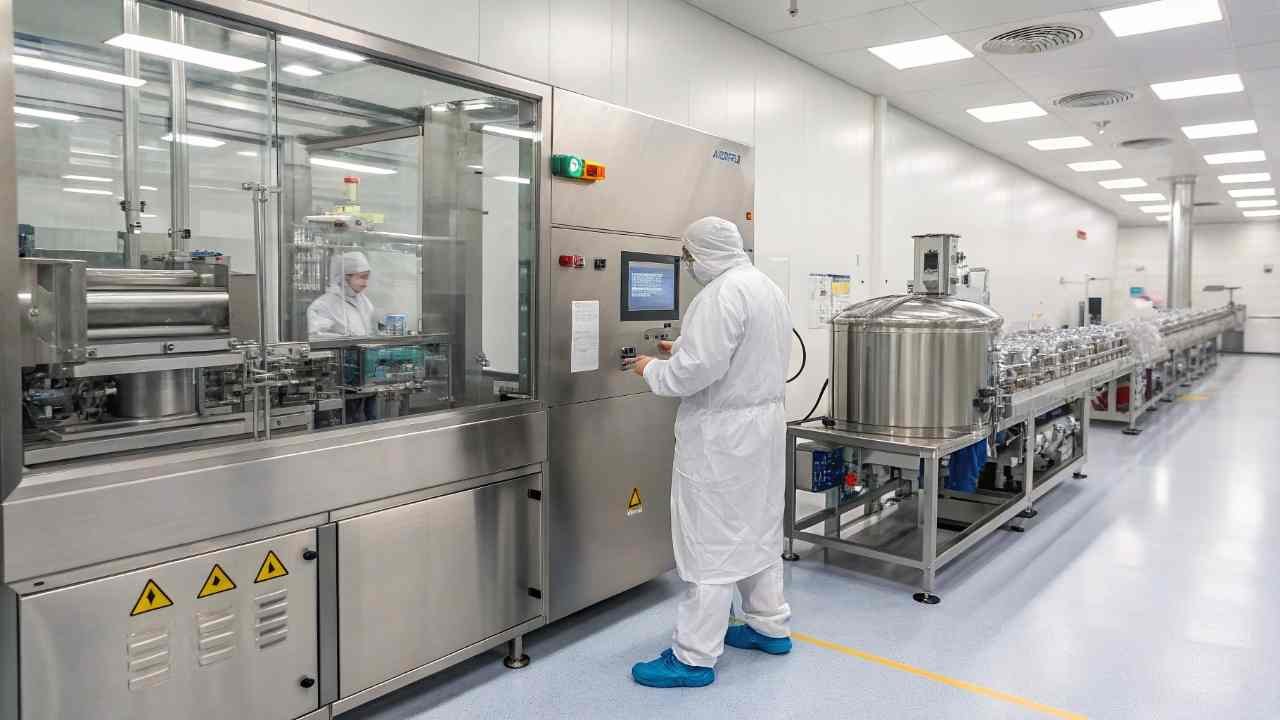
The manufacturing process of Vitamin D3 is a multi-stage biochemical synthesis that requires significant capital investment. The chemical transformation begins with synthesized 7-dehydrocholesterol (7-DHC). To convert 7-DHC into active cholecalciferol, factories must use high-intensity ultraviolet (UV) light reactors. Operating and maintaining these specialized photo-reactors requires substantial electrical energy and high equipment upkeep costs. Any technical failure in the UV reactor system instantly reduces yield and increases production costs.
Furthermore, raw cholecalciferol is highly unstable. It degrades rapidly when exposed to air, humidity, or high processing temperatures. To protect the molecule, manufacturers utilize microencapsulation or beadlet technology. This process coats the microscopic vitamin droplets in a protective matrix of gelatin, starch, and natural antioxidants like Vitamin E. This specialized coating shields the vitamin during high-temperature feed pelleting2 or food baking processes. While microencapsulation increases the manufacturing cost, it ensures the active ingredient retains its potency throughout its shelf life. Sourcing partners like FINETECH audit these technical processing systems in China, ensuring that buyers receive stabilized vitamin formulations that deliver reliable active assays and maintain long-term stability in final products.
| Technology Applied | Technical Function | Cost Impact | Quality Outcome |
|---|---|---|---|
| Photo-Reaction | UV light isomerization | High electricity & equipment costs | Drives chemical active conversion |
| Microencapsulation | Matrix coating protection | Adds carrier material overheads | Protects active molecules from heat |
| Nitrogen Flushing | Oxygen displacement | Gas supply and sealing costs | Prevents oxidation during transport |
| Crystalline Refining | Solvent crystallization | High solvent and recycling costs | Achieves pharmaceutical-grade purity |
How Does Market Demand Influence Vitamin D3 Series Prices?
Sudden shifts in agricultural markets can catch you off guard, forcing companies to buy raw materials at peak bubble prices. Ignoring demand trends increases purchasing risks. Tracking buyer patterns prevents losses.
Market demand influences Vitamin D3 prices through the animal feed sector, which consumes over 80% of global volume. Swings in livestock farming cycles, disease outbreaks, and seasonal supplement demands quickly alter market demand and wholesale pricing.
Dive Deeper into Animal Nutrition and Feed Cycles
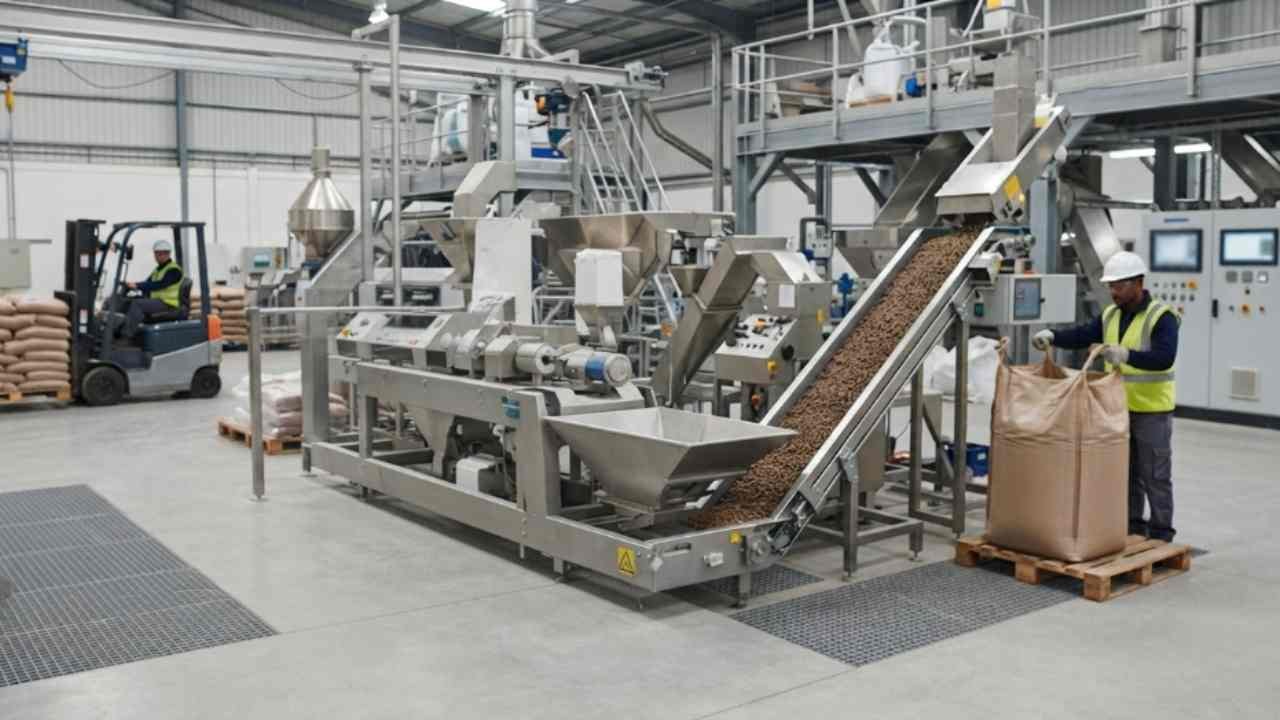
To understand Vitamin D3 price movements, buyers must monitor the global livestock and animal feed industries. Unlike other vitamins that are heavily used in human supplements, approximately eighty percent of global Vitamin D3 volume is consumed as an additive in animal feed. Livestock animals require Vitamin D3 for proper calcium absorption and skeletal development. Therefore, the demand for feed-grade Vitamin D3 beadlets is directly linked to global swine, poultry, dairy, and aquaculture production cycles.
When global meat demand is high and livestock herds are expanding, feed mills purchase large volumes of vitamins, driving prices upward. Conversely, disease outbreaks such as African Swine Fever or avian influenza3 can devastate animal populations, reducing feed production and causing vitamin demand to crash. In addition to animal nutrition, the dietary supplement sector also influences pricing. Winter seasons often trigger spikes in human immunity product sales, raising the demand for food and pharmaceutical-grade Vitamin D3 oils and powders. Sourcing partners like FINETECH track these shifting demand dynamics across key export regions, helping B2B buyers plan their purchasing schedules to buy during periods of quiet market demand.
| Demand Sector | Global Volume Share | Main Market Driver | Price Influence |
|---|---|---|---|
| Animal Feed | ~80% of total volume | Swine and poultry farming cycles | Dictates baseline global price trends |
| Dietary Supplements | ~15% of total volume | Seasonal immunity product sales | Affects high-purity crystalline rates |
| Food Fortification | ~5% of total volume | Clean-label and plant milk trends | Stabilizes premium CWS powder prices |
What Is the Long-Term Price Outlook for Vitamin D3 Series?
Relying on short-term spot prices can lead to massive budget deficits when global supply chains tighten and prices spike. Sourcing without a long-term plan reduces competitiveness. Analyzing price cycles secures stable margins.
The long-term price outlook for the Vitamin D3 series suggests a pattern of cyclical price spikes followed by periods of consolidation, driven by highly concentrated manufacturing capacities, shifting environmental rules, and raw agricultural precursor availability.

Dive Deeper into Price Cycles and Supply Sourcing
The Vitamin D3 market is historically characterized by intense price volatility. Because a small group of Chinese manufacturers controls the vast majority of global production, the market behaves like an oligopoly4. When prices fall to unsustainably low levels, factories coordinate maintenance shutdowns or reduce their operating rates to limit global supply. This supply restriction, combined with sudden environmental audits, can trigger rapid price surges, sometimes causing prices to double or triple within a few weeks.
In the long term, production costs are expected to rise due to stricter environmental waste treatment policies and the rising cost of raw lanolin extraction. European animal-health regulatory classifications, such as strict product of animal origin (POAO) certifications, will also add to international trade compliance costs. Sourcing partners like FINETECH help B2B buyers mitigate these long-term price risks. By establishing direct communication channels with key manufacturers, monitoring factory maintenance schedules, and offering low MOQs, they streamline the purchasing process. This strategic support allows buyers to purchase safety stock5 before price surges occur, ensuring a highly cost-effective, secure supply chain.
| Market Phase | Supply/Demand Status | Pricing Trend | Strategic Purchasing Action |
|---|---|---|---|
| Oversupply Phase | High production, low demand | Prices reach historical floors | Purchase long-term buffer stocks |
| Consolidation Phase | Factory maintenance, low stock | Prices begin to climb steadily | Secure quarterly volume contracts |
| Market Spike Phase | Sudden shutdowns, panic buying | Prices surge rapidly to peaks | Delay non-essential spot purchases |
| Stabilization Phase | High prices limit minor demand | Prices decline slowly to average | Buy small batches to cover immediate needs |
Conclusion
Vitamin D3 prices fluctuate cyclically due to concentrated manufacturing and raw material costs. Partnering with a reliable sourcing team secures competitive pricing and consistent, safe inventory.
-
PubMed (NIH) – Study abstract detailing the biochemical behaviors and bioaccessibility differences of fat-soluble vitamins when formulated with various commercial lipid carrier oils. ↩
-
WATTPoultry – An industrial reference guide detailing pelleting technologies, process parameters, and their impacts on ingredient stability and feed quality. ↩
-
World Organisation for Animal Health (WOAH) – Official international disease surveillance portal providing regular updates on global avian influenza outbreaks, enabling feed buyers to project shifts in regional poultry demand. ↩
-
Investopedia – A commercial economic guide defining the mechanics of oligopoly markets, detailing how consolidated supply bases influence competitive pricing, price stability, and seller collusion risk. ↩
-
NetSuite – An operational inventory guide for procurement managers, detailing calculations, formulas, and buffering strategies to optimize safety stock of highly volatile raw materials. ↩