
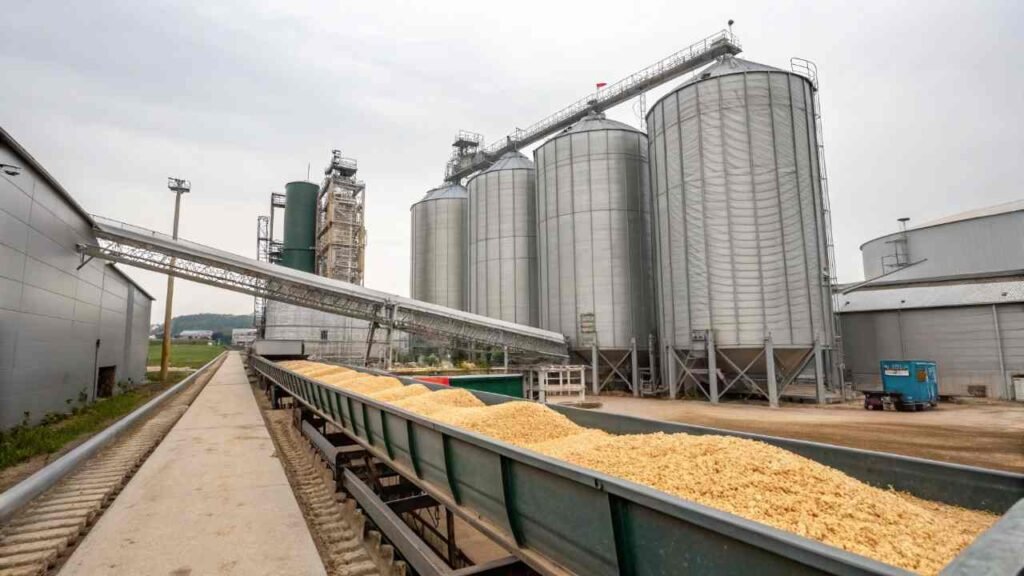
Sourcing bulk arginine without tracking agricultural crop cycles and regional energy tariffs results in severe budget deficits and unexpected supply blockages. Price volatility drains margins. Identifying price drivers protects procurement.
Arginine series price trends are driven by corn starch and glucose crop cycles, liquid ammonia precursor costs, regional energy utility tariffs for steam-heavy fermentation, seasonal shipping logistics peaks, and shifting demands in sports nutrition and feed industries.
Successfully optimizing chemical raw material costs requires a disciplined approach to analyzing international manufacturing variables. Importers must examine global market indicators to justify large-scale bulk procurement. Sourcing partners like FINETECH simplify factory checks, verify production compliance, and secure competitive pricing directly in China to guarantee bulk deliveries. This analysis explains what factors affect arginine series price trends.
Why Do Arginine Series Prices Change Throughout the Year?
Purchasing raw amino acids on the spot market without preparing for winter environmental limits and holiday shipping rushes leads to inflated costs. Seasonal pricing shifts disrupt planning.
Prices change throughout the year due to winter industrial emissions curbs, agricultural crop harvest cycles, summer factory maintenance shutdowns, and pre-holiday logistics bottlenecks that raise shipping freight tariffs.
Dive Deeper into Winter Emission Restraints and Holiday Logistics Peaks
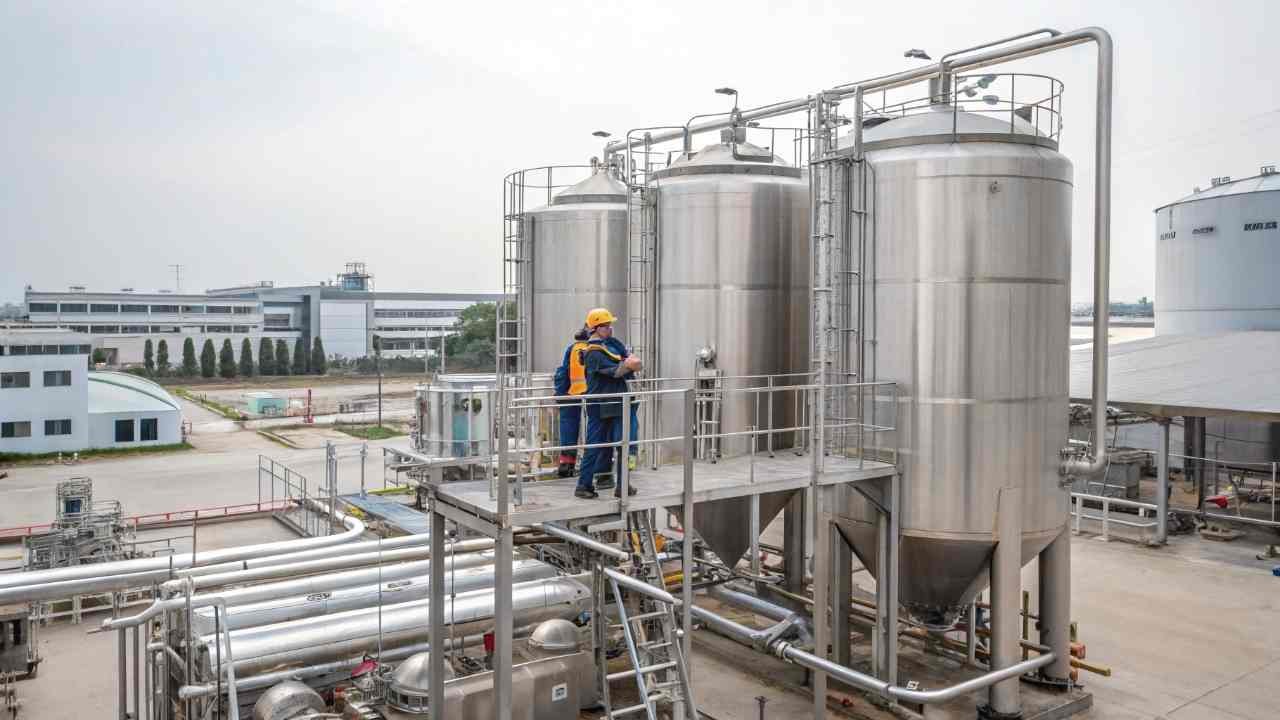
The annual price trajectory of the arginine series—including L-Arginine base, L-Arginine HCl, and AAKG—is shaped by a distinct combination of environmental regulations, agricultural harvest cycles, and international holidays. Because over seventy percent of the world's arginine fermentation capacity is concentrated in China, local weather patterns and regional industrial policies heavily dictate global spot pricing throughout the year. During the winter heating season, from November to February, northern Chinese provinces implement strict environmental controls1 to limit air emissions. These directives often force fermentation facilities in provinces like Hebei and Inner Mongolia to curtail their operating capacity or pause production, instantly tightening spot availability and driving FOB prices upward.
Additionally, logistics bottlenecks contribute significantly to seasonal pricing fluctuations. In the weeks leading up to the Lunar New Year (typically in January or February), domestic transportation and port operations in China experience severe congestion as factories rush to clear backlogs before national holidays. This rush spikes ocean container freight rates and leads to shipping delays. Conversely, during the mid-summer months of July and August, global logistics demand softens, and spot prices often stabilize. Sourcing partners like FINETECH help international buyers navigate these annual cycles, tracking local Chinese policy shifts to secure cargo before seasonal price surges take effect.
| Season of the Year | Primary Market Dynamic | Industry Sourcing Impact | Sourcing Strategy Action |
|---|---|---|---|
| Winter (Nov to Feb) | Air emission restrictions | Reduces northern plant capacity | Pre-order safety buffer stock |
| Spring (Mar to May) | Pre-workout formulation surge | High demand spikes spot prices | Secure fixed-price spring contracts |
| Summer (Jun to Aug) | Seasonal production lull | Lower spot prices and steady trading | Lock in long-term supply volumes |
| Autumn (Sep to Oct) | Agricultural crop harvests | Declining raw feedstock costs | Finalize winter orders early |
How Do Raw Material and Fermentation Costs Affect Arginine Series Prices?
Ignoring volatile glucose feedstocks and rising energy utility tariffs leaves purchasing departments vulnerable to sudden factory surcharges. Unmonitored overheads compress margins. Tracking precursors protects procurement budgets.
Raw material and fermentation costs dictate pricing because arginine synthesis is structurally dependent on agricultural corn starch carbon sources, liquid ammonia nitrogen inputs, and immense coal or gas utility energy.
Dive Deeper into Carbon Feedstocks and Energy-Intensive Bioreactors
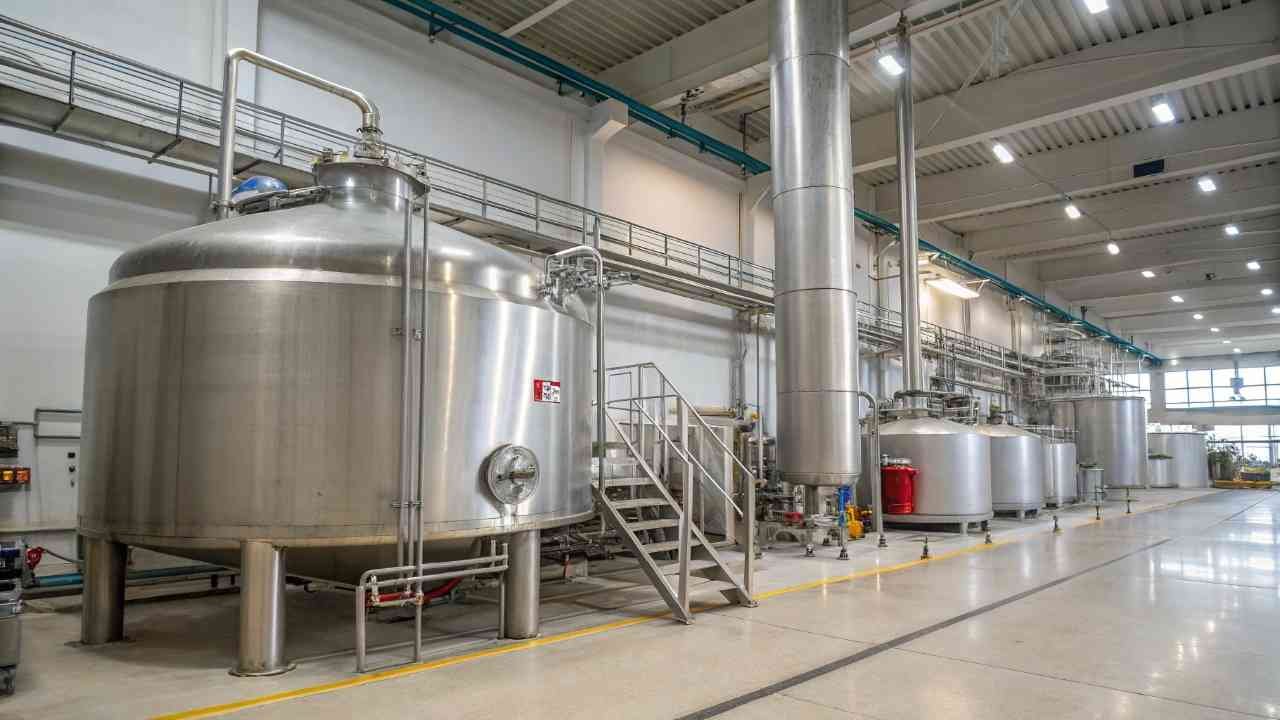
Evaluating the cost structure of the arginine series requires an analysis of raw agricultural inputs and industrial utility overheads. Unlike synthetic amino acids that are derived from petrochemical intermediates, L-Arginine is produced biologically via microbial fermentation2. This biological pathway makes its manufacturing cost heavily dependent on agricultural starch feedstocks. Corn starch, glucose, and liquid cane sugar serve as the primary carbon source to feed the arginine-producing bacteria. Consequently, any shifts in global grain and sugar markets—driven by weather events, crop yields, or bio-energy mandates—directly alter the baseline production costs of the amino acid.
Furthermore, fermentation is an incredibly energy-intensive process. Maintaining precise culture temperatures and continuously aerating massive bioreactors3 require significant steam and electricity. Coal and natural gas are the primary energy sources used to generate this industrial steam, meaning fluctuations in regional energy utility tariffs instantly affect the factory's operating margins. Since feedstock and energy costs represent over sixty percent of the total manufacturing cost of arginine, chemical plants cannot absorb these increases and must pass them directly to buyers through higher wholesale offers. Sourcing partners like FINETECH monitor these upstream variables in real time, tracking Chinese corn starch and energy indexes to help buyers negotiate fair contract pricing.
| Cost Variable | Primary Raw Material | Downstream Synthesis Impact | Strategic Sourcing Action |
|---|---|---|---|
| Carbon Source | Corn starch / Glucose | Primary nutrient for bacteria | Track global grain harvests |
| Nitrogen Source | Liquid ammonia | Essential amino-group builder | Monitor fertilizer market indexes |
| Fermentation Energy | Coal / Natural gas | Generates required processing steam | Partner with energy-stable plants |
| Waste Treatment | Wastewater filtration | Environmental compliance costs | Verify biological system permits |
How Does Global Demand Impact Arginine Series Pricing?
Booking bulk orders during sudden global pre-workout fitness rushes and livestock feed restocking cycles leads to paying premium prices. Unbalanced consumption squeezes capital. Aligning orders with demand preserves margins.
Global demand impacts pricing through the seasonal procurement cycles of sports nutrition blenders, expanding clinical pharmaceutical excipient needs, and regional pork and poultry feed formulation trends.
Dive Deeper into Sports Nutrition Peaks and Pharmaceutical Stabilizers
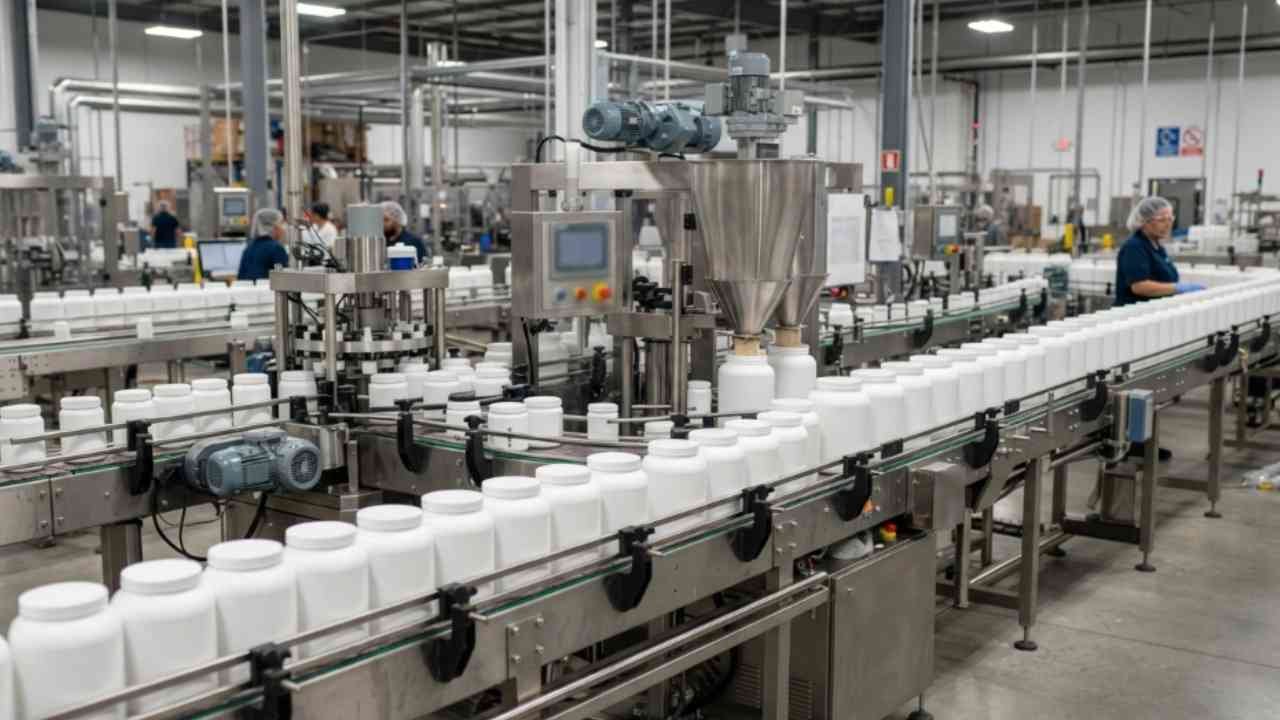
Global consumption patterns in multiple contrasting industries play a significant role in shaping the demand dynamics and pricing of the arginine series. The primary driver of volume in the dietary supplement market is the sports nutrition4 sector, where L-Arginine and its salt derivatives (like Arginine HCl and AAKG) are formulated into pre-workout powders and nitric oxide boosters. This industry exhibits clear seasonal purchasing peaks, particularly during the spring "shredding" season (March to May) as brands ramp up production for summer fitness demands. This sudden surge in commercial blending consumes spot availability, driving up prices for food-grade arginine.
In contrast, the biopharmaceutical and clinical nutrition sectors maintain a steady, high-value demand for premium, ultra-pure pharmaceutical-grade arginine. Arginine is widely used as an essential amino acid in parenteral nutrition5 infusions, as a protein stabilizer in biological drugs, and as a buffering agent in medical compounding. Because pharmaceutical manufacturers must satisfy strict global pharmacopoeia standards (such as USP, EP, or AJI) and maintain rigid regulatory compliance, they represent a highly stable and premium pricing segment. Sourcing partners like FINETECH help buyers navigate these overlapping demand cycles, verifying that the chosen supplier has the capacity to deliver the required grade without facing supply constraints.
| Sourcing Sector | Applied Product Grade | Key Functional Application | Expected Sourcing Impact |
|---|---|---|---|
| Sports Nutrition | FCC / Food Grade | Nitric oxide booster, sweet sweet | Volatile spring purchasing peaks |
| Pharmaceuticals | USP / EP / AJI Grade | Parenteral infusions, stabilizer | Stable, premium pricing segment |
| Animal Feed | Feed Additive Grade | Swine & poultry protein diets | Steady seasonal consumption trends |
| Cosmetics | Personal Care Grade | Skin hydration, hair conditioning | Emerging, high-margin formulations |
What Purchasing Strategies Help Reduce Arginine Series Costs?
Relying on transactional spot-market brokers exposes your supply chain to extreme pricing spikes and hidden markups. Spot buys inflate costs. Implementing strategic purchasing controls preserves operating margins.
Buyers can reduce costs by executing index-linked annual frame contracts, utilizing one-metric-ton bulk jumbo packaging, optimizing container space through cargo consolidation, and partnering with local sourcing agents.
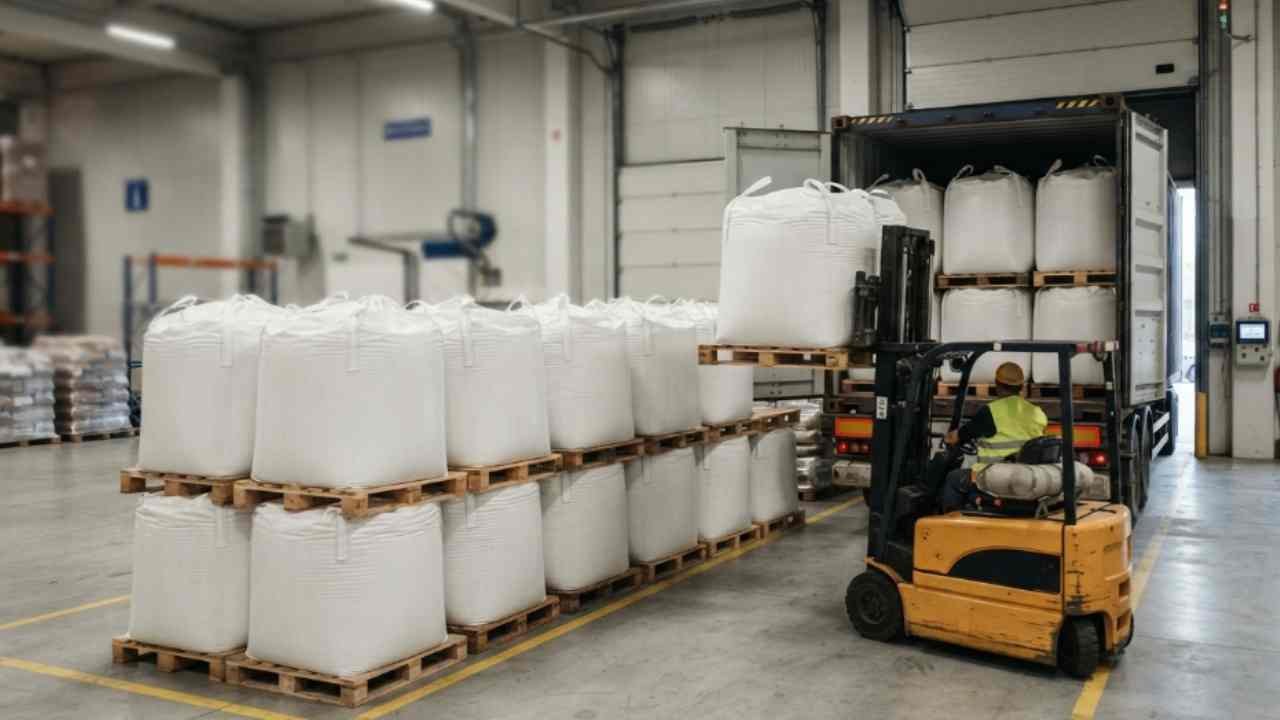
Dive Deeper into Index-Linked Contracts and Logistics Optimization
Implementing a proactive, structured cost-control strategy is essential to manage procurement budgets in a highly volatile chemical market. Sourcing teams should move away from transactional spot-market buying, which exposes their operations to sudden factory surcharges and shipping delays during peak seasons. Instead, they should focus on building direct relationships with large, integrated manufacturers that synthesize their own starting feedstocks, as these factories are far less vulnerable to upstream precursor shortages.
Additionally, negotiating annual volume frame agreements with pricing formulas linked to transparent feedstock and energy indexes protects both parties from sudden market shocks. Buyers can also optimize logistics by importing in one-metric-ton bulk bags instead of standard twenty-five-kilogram bags, which reduces packaging fees and handling labor. Sourcing partners like FINETECH provide critical support in managing these cost controls directly in China. They help buyers identify integrated producers, verify active quality certifications, organize consolidated container shipments, and bypass intermediate trading broker markups, helping international importers maintain healthy margins and secure long-term supply stability.
| Sourcing Cost Control | Technical Sourcing Action | Sourcing Operational Benefit | expected Quality Outcome |
|---|---|---|---|
| Integrated Factories | Sourced from self-starch plants | Minimizes feedstock price shocks | Long-term volume availability |
| Frame Agreements | Lock in index-linked pricing | Protects margins from spot spikes | Predictable raw material budgets |
| Bulk Jumbo Packing | Utilize 1 MT industrial bags | Reduces packaging handling costs | Lowers moisture exposure risks |
| Local Representation | Partner with firms like FINETECH | Bypasses intermediary trading markups | Direct factory compliance and checks |
When Is the Best Time to Purchase Arginine Series Products?
Placing large-scale chemical orders during peak winter shipping rushes results in premium freight tariffs and long delivery delays. Poorly timed purchasing wastes capital. Ordering during low-demand windows optimizes spending.
The best time to buy arginine products is during the summer seasonal lull (July and August) or immediately following the autumn grain harvest when starch feedstock costs decline.
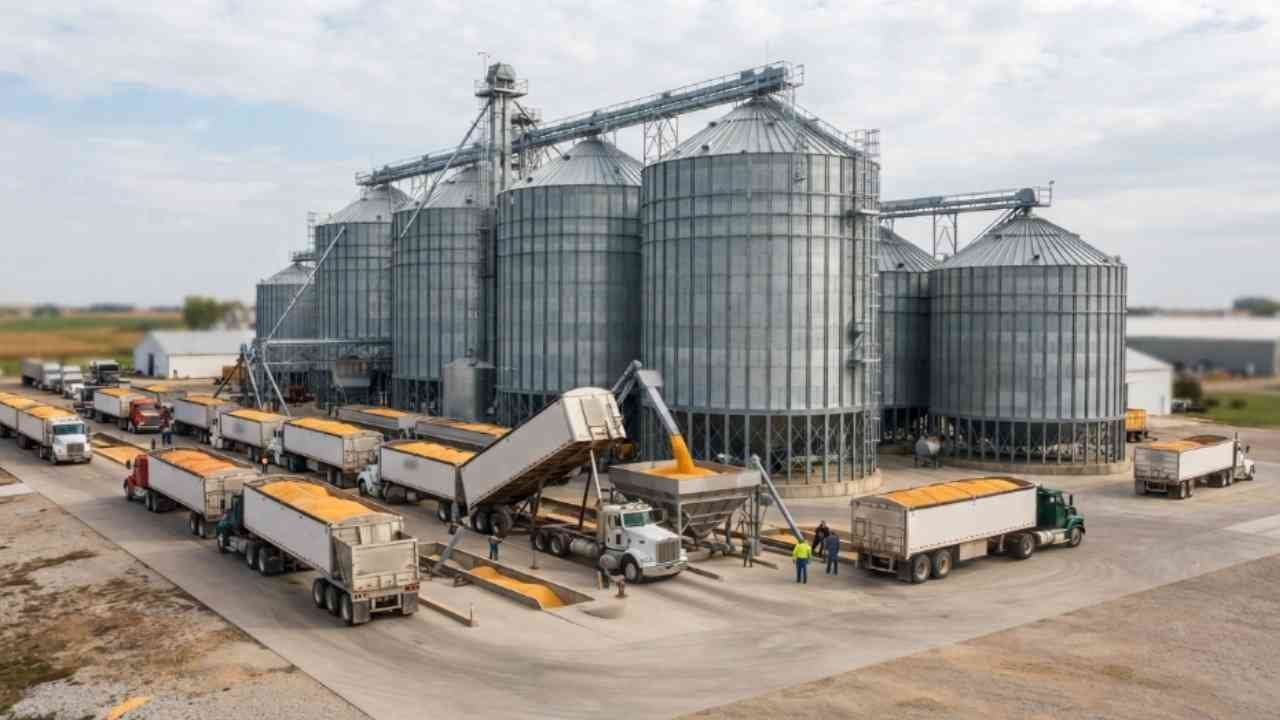
Dive Deeper into Summer Seasonal Lulls and Agricultural Harvests
Timing bulk chemical purchases around seasonal cycles is a highly effective strategy to control procurement costs. The global arginine series market exhibits clear seasonal patterns driven by crop harvest cycles and industrial scheduling. The summer months, specifically July and August, represent the traditional low season for animal feed production and wellness supplement manufacturing in the Northern Hemisphere. During this warm period, livestock feed intake naturally moderates, and feed mills slow down their purchasing, which often causes spot prices to decline and stabilizes trading quotes.
Another optimal purchasing window opens immediately after major agricultural harvests, particularly in the autumn (October and November) when newly harvested corn and sugar cane crop outputs hit the market, lowering starch feedstock costs for Chinese fermentation plants. Buyers should avoid purchasing during the winter months when northern environmental shutdowns restrict plant capacities, or immediately before the Lunar New Year when export logistics costs spike. Sourcing partners like FINETECH help buyers utilize these seasonal trends. By tracking Chinese plant output, agricultural crop yields, and shipping patterns, they advise importers on the precise weeks to lock in bulk contracts, maximizing procurement savings.
| Sourcing Window | Market Condition | Cost Advantage | Sourcing Recommendation |
|---|---|---|---|
| July & August (Summer) | Slow supplement-mill demand | Lowest seasonal spot prices | Sign long-term supply contracts |
| Post-Harvest Months | New grain crop starch online | Increased fermentation feedstock | Secure bulk volume allocations |
| Winter (Nov to Feb) | Air emission restrictions | High demand, rising prices | Avoid spot-market purchases |
| Pre-Lunar New Year | Peak export shipping season | Extended transit, high freight | Complete orders 60 days in advance |
Conclusion
Sourcing cost-effective arginine series products requires tracking regional environmental winter regulations, monitoring agricultural starch feedstocks, analyzing sports nutrition demand cycles, and utilizing on-the-ground sourcing agents in China.
-
A peer-reviewed 2025 study in Scientific Reports quantifying the environmental impact, local emissions reductions, and spatial spillover effects of northern China's winter clean heating mandates. ↩
-
A peer-reviewed open-access study on PubMed Central (PMC) exploring the systems metabolic pathway engineering of Corynebacterium for efficient, industrial-scale L-arginine production. ↩
-
A peer-reviewed study in MDPI Molecules investigating underivatized chromatography approaches to optimize metabolic feeding, sugar utilization, and amino acid production rates in industrial fermentation bioreactors. ↩
-
The official International Society of Sports Nutrition (ISSN) exercise and sports nutrition review update, assessing the performance-enhancing efficacy, dosing, and safety profiles of amino acid supplements. ↩
-
The European Society for Clinical Nutrition and Metabolism (ESPEN) clinical guidelines on parenteral nutrition in intensive care settings, establishing standard amino acid formulation requirements. ↩