
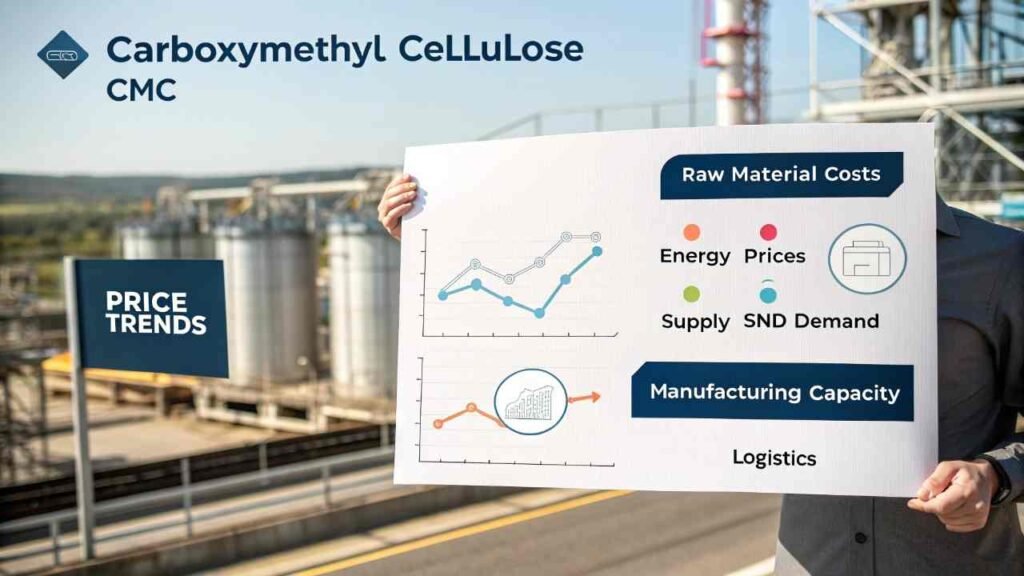
Managing costs for food additives is hard when prices change without warning. Sudden hikes in CMC costs can hurt your profits. I want to help you understand these price shifts today.
Carboxymethyl Cellulose (CMC) prices depend on raw material costs like refined cotton and wood pulp. Prices also change based on purity grades, energy costs in China, and global shipping fees. Market demand from the food, oil, and lithium battery sectors further influences the final wholesale price you pay.
I have spent years working with buyers in Saudi Arabia and Southeast Asia. I know that price stability is just as important as quality. If you keep reading, I will show you exactly why prices move and how you can save money on your next big order.
How Do Raw Material Costs Affect Carboxymethyl Cellulose (CMC) Prices?
Rising costs of cotton and wood pulp can break your budget. If you do not watch the raw material market, you will get hit by high prices. I track these daily.
Raw materials make up over 50% of the total cost of CMC. When the price of refined cotton or wood pulp goes up, the factory price for CMC follows immediately. Supply levels of caustic soda and MCA also play a huge role in the final production cost.
The Base of Every Batch
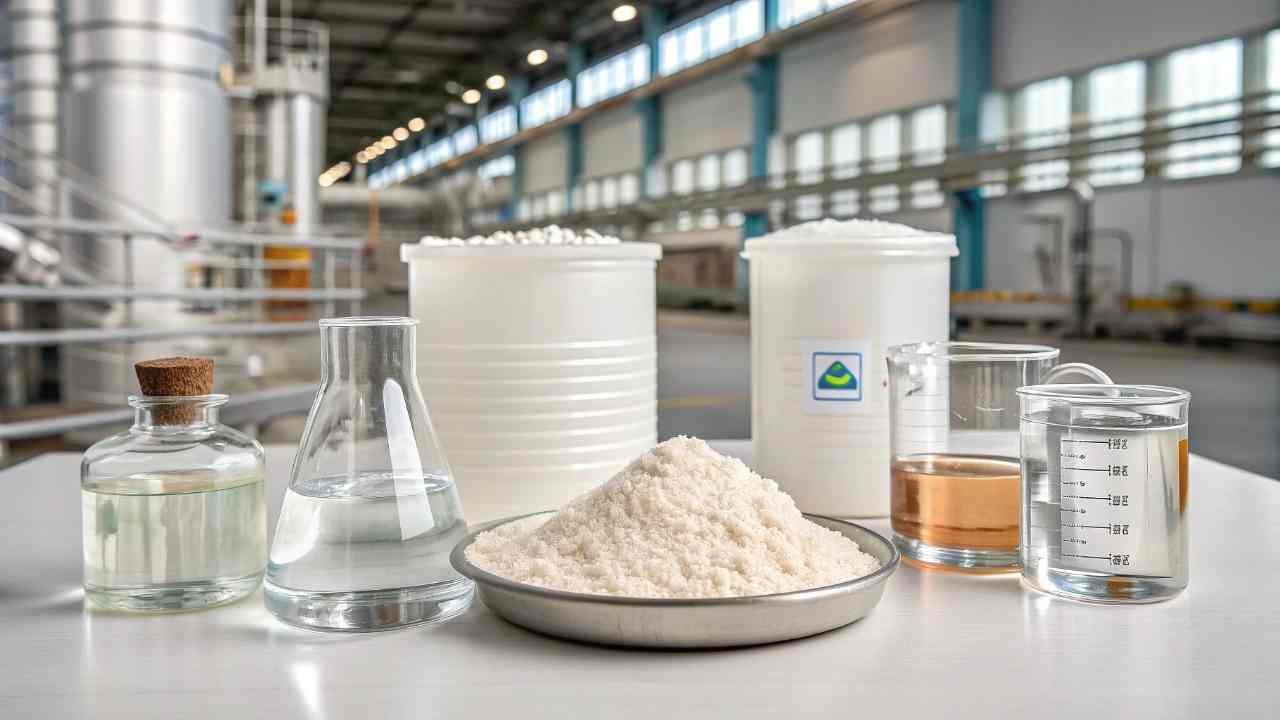
I always tell my clients that CMC starts in the fields. Most high-quality CMC comes from refined cotton. If there is a bad harvest in China or the US, the supply of cotton linters drops. This makes the starting material more expensive. Wood pulp is the other main option. It is often used for different grades. When the paper industry buys up all the wood pulp, the price for chemical-grade pulp1 goes up. This creates a chain reaction that hits your wallet.
Chemical Reagents Matter
You also have to look at the chemicals we use to process the cellulose. We use caustic soda2 and monochloroacetic acid (MCA) in the production line. These are industrial chemicals. Their prices change based on the cost of electricity and crude oil. In China, environmental rules sometimes force chemical plants to slow down. When these plants produce less, the price of MCA goes up. Even if cotton prices stay flat, a jump in chemical costs will push the CMC price higher. I make sure to monitor these chemical markets so I can warn you before a price hike happens.
Raw Material Impact Table
| Raw Material | Influence on Price | Reason for Change |
|---|---|---|
| Refined Cotton | High | Weather and harvest yields |
| Wood Pulp | Medium | Demand from paper and textile industries |
| Caustic Soda | Low-Medium | Electricity costs and industrial policy |
| MCA (Acid) | Medium | Environmental regulations and oil prices |
Why Do Carboxymethyl Cellulose (CMC) Prices Differ by Grade?
Buying the wrong grade is a common mistake that costs money. You might pay for high purity when you do not need it. Or, you buy cheap industrial grade and ruin your batch.
CMC prices differ because of purity levels and viscosity. Food-grade CMC requires high purity (99.5%+) and strict hygiene standards, making it more expensive. Industrial grades have lower purity and fewer refining steps, which keeps their market price much lower for bulk buyers.
Purity and the Refining Process
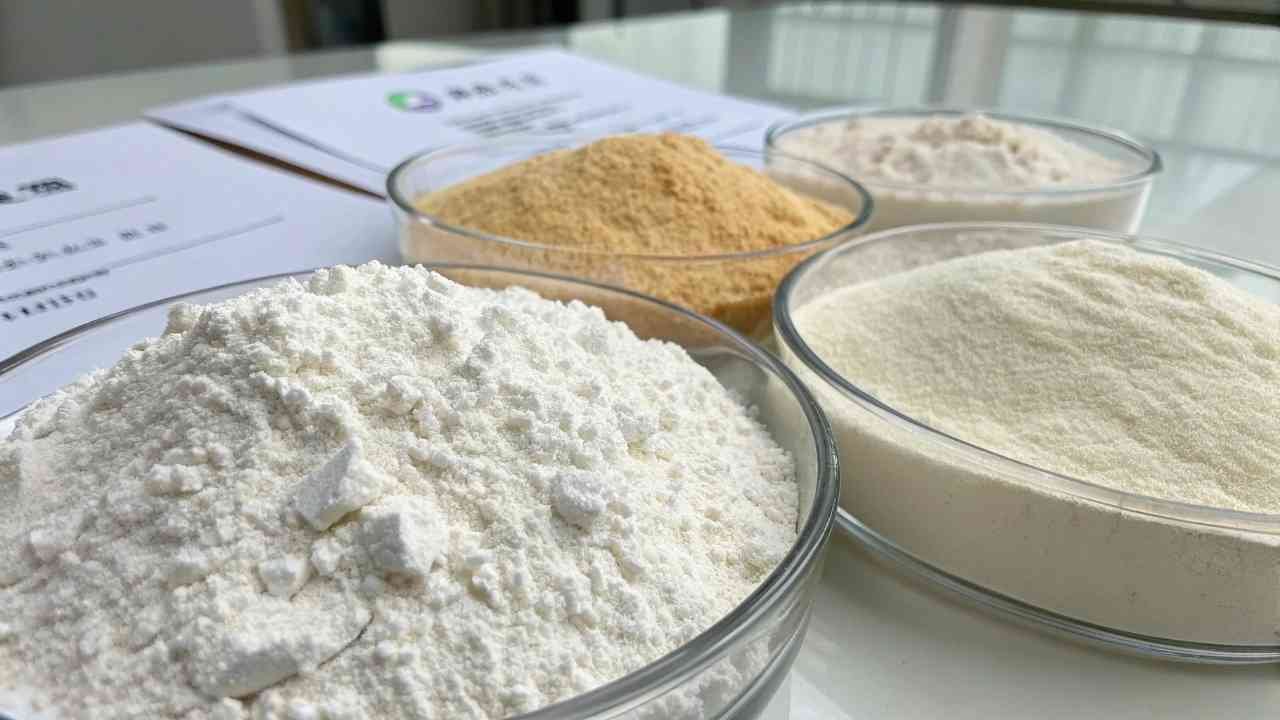
In my business, I see many buyers get confused by purity. Food-grade CMC must be very clean. We have to wash the product many times to remove salts. These salts are by-products of the chemical reaction. More washing means more water, more time, and more labor. This is why food-grade CMC3 costs more than the technical grade used in detergents. If you are making tomato paste, you need the high-purity stuff. If you are making glue, the salt content does not matter as much. I help you choose the right level so you do not overpay for purity you do not need.
Viscosity and Special Specs
Viscosity is another big factor. Some food applications need very thick CMC, while others need it thin. Getting a specific viscosity requires precise control in the factory. High-viscosity CMC often requires better raw materials, which adds to the cost. There is also the "Degree of Substitution" (DS). This tells us how well the CMC dissolves. A higher DS usually means a more stable product in acidic foods like yogurt. Achieving a high DS takes more chemicals and more time. When you ask for special specs, the price goes up because the production yield might be lower.
Grade and Price Comparison Table
| CMC Grade | Purity Level | Typical Use | Price Level |
|---|---|---|---|
| Food Grade | 99.5% Min | Tomato Paste, Beverages | High |
| Pharma Grade | 99.8% Min | Tablet coatings, Syrups | Very High |
| Industrial Grade | 55% - 90% | Detergents, Paper | Low |
| Oil Drilling | 90% - 95% | Drilling fluids | Medium |
How Does Market Demand Change Carboxymethyl Cellulose (CMC) Pricing?
When everyone wants CMC at the same time, the price goes up. I see this happen every year. If you do not plan for these cycles, you will pay a premium.
Market demand shifts CMC prices based on seasonal food production and growth in other industries. When the lithium battery or oil sectors grow, they compete for the same cellulose supply. This high demand from multiple industries often leads to shorter supply and higher prices.
Seasonal Food Peaks
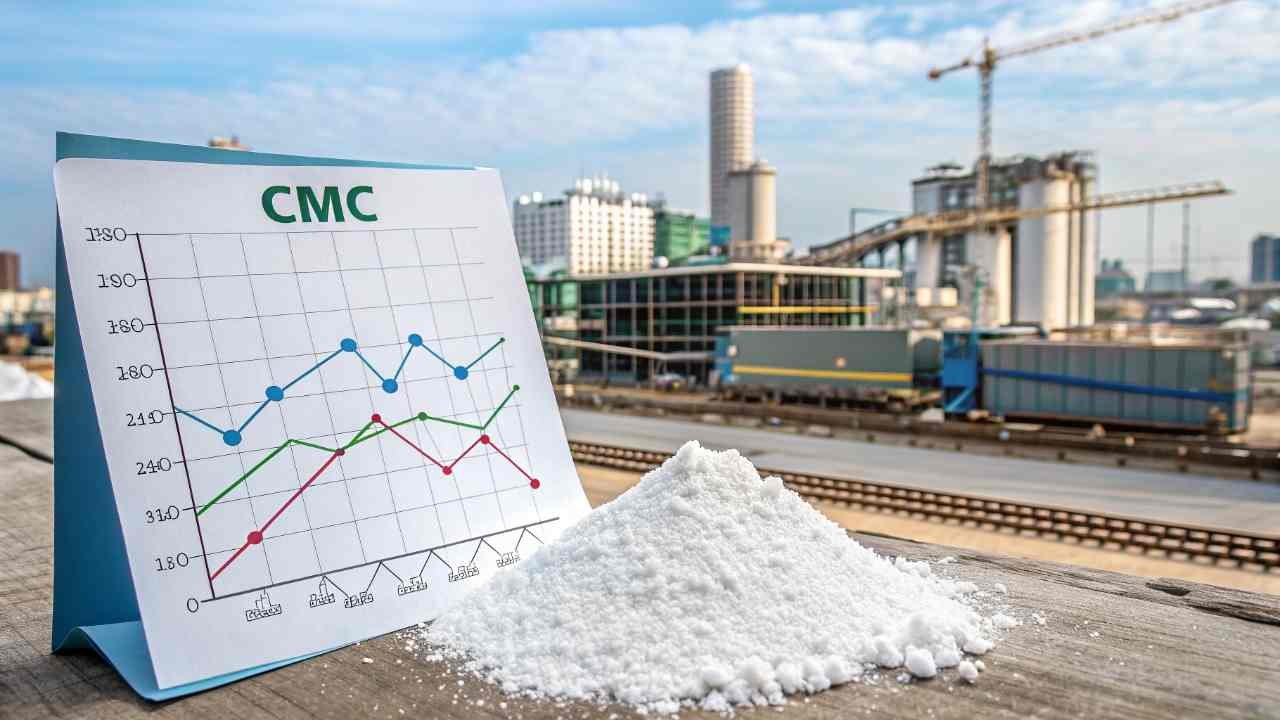
The food industry is the biggest buyer of CMC. I work with many juice and sauce manufacturers. They have peak seasons. For example, during the harvest season for tomatoes, demand for CMC spikes. Everyone wants to buy at the same time to start production. If the factories are at full capacity, they raise prices. I usually tell my clients to buy their stock a few months before the peak. This keeps their costs low and ensures they have the product ready when they need it most.
Competition From Other Industries
CMC is not just for food. It is used in laundry detergents, paper making, and oil drilling. Recently, the lithium battery industry4 has started using more CMC as a binder. This is a huge change. When big battery companies place massive orders, they take up a lot of factory capacity. This leaves less for the food additive market. When supply is tight across all industries, the price stays high. You are not just competing with other food wholesalers; you are competing with big industrial players. I help you navigate this by finding the right production slots in the factories I manage.
Demand Impact Table
| Industry Sector | Demand Level | Impact on Price |
|---|---|---|
| Food & Beverage | Constant/High | Strongest base for price |
| Oil & Gas | Fluctuating | Causes sudden price jumps |
| Lithium Battery | Growing | Long-term upward pressure |
| Detergent | High Volume | Keeps low-grade prices steady |
When Is the Best Time to Purchase Carboxymethyl Cellulose (CMC)?
I know you want to save money on every shipment. Timing your purchase is the best way to do it. Buying at the peak of the market is a mistake I see too often.
The best time to buy CMC is during the Q2 and early Q3 months when industrial demand is often more stable. You should also avoid buying right before the Chinese New Year. Buying after the cotton harvest in the fall can also offer better price stability.

Watch the Chinese Calendar
As a Chinese supplier, I can tell you that the calendar matters. Many factories close for the Chinese New Year in January or February. Before they close, there is a huge rush to ship orders. This makes shipping prices go up and factory space hard to get. After the holiday, it takes time for factories to get back to full speed. I recommend my clients in Saudi Arabia and Europe to place their big orders in October or November. This ensures the goods arrive before the holiday rush and at a much better price point.
Harvest Cycles and Energy Costs
I also watch the weather and energy prices5. CMC production uses a lot of energy. In the winter, energy costs in China can rise as people need more heating. This often pushes factory prices up in the late Q4. Also, the cotton harvest6 happens in the autumn. Buying shortly after the harvest means the raw material supply is at its highest. If you wait until the spring when the old crop is running out, you might pay a higher price. I track these windows of opportunity so I can give you the best advice on when to pull the trigger on a large order.
Yearly Buying Guide Table
| Quarter | Market Condition | Buying Strategy |
|---|---|---|
| Q1 | High (Holiday Rush) | Avoid if possible; Buy early |
| Q2 | Stable | Good time for large contracts |
| Q3 | Preparing for Peak | Best time for stock building |
| Q4 | Rising Demand | Buy before energy prices peak |
How Can Buyers Control Carboxymethyl Cellulose (CMC) Procurement Costs?
You want a competitive price without losing quality. I understand that. High shipping costs and quality issues can ruin your margins. There are ways to take control of these costs.
Buyers can control costs by using Full Container Load (FCL) shipping to reduce unit costs. Consolidating orders and negotiating long-term contracts during price dips also helps. Working with a partner in China who oversees production ensures you do not waste money on sub-standard batches.

Smart Logistics and Volume
Shipping is a huge part of the final cost. If you buy in small lots, you pay a lot for logistics. I always suggest my clients try to fill a 20ft container. This is the most cost-effective way to move CMC. I also help consolidate different food additives into one shipment. Maybe you need CMC and Xanthan Gum. By putting them together, you save on port fees and paperwork. This "one-stop" approach is how I help my regular customers in the Middle East keep their overhead low. It makes a big difference over a year of trading.
Quality Control Saves Money
The most expensive CMC is the one you have to throw away. If a batch is poor quality, your production stops. This costs you much more than a few cents per kilo in the purchase price. I take quality control very seriously. I visit the factories and check the production myself. We test the viscosity and purity before the goods leave the warehouse. By ensuring the quality is right the first time, I save you from the cost of returns, delays, and lost customers. A serious buyer like you knows that a reliable supply chain is the best way to protect your profits.
Procurement Strategy Table
| Strategy | Benefit | Difficulty |
|---|---|---|
| FCL Shipping | Lower freight cost per KG | Easy |
| Long-term Contract | Price protection | Medium |
| Quality Audits | Prevents waste and loss | Hard (I do this for you) |
| Multi-Product Shipping | Lowers administrative costs | Easy |
Conclusion
CMC prices change based on materials, grades, and timing. By tracking these factors, you can buy at the best price. Contact me, Eric Du, at FINETECH to secure your supply today.
-
Exploring chemical-grade pulp will provide insights into its importance and impact on various sectors. ↩
-
Learn more about caustic soda's diverse applications and its significance in industrial processes. ↩
-
Understanding food-grade CMC is crucial for ensuring product quality and safety in food applications. ↩
-
Explore this link to understand how CMC is revolutionizing the lithium battery sector and its implications for various industries. ↩
-
Understanding energy price trends can help you make informed decisions about production and purchasing. ↩
-
Learning about the cotton harvest can provide insights into optimal buying times for raw materials. ↩