
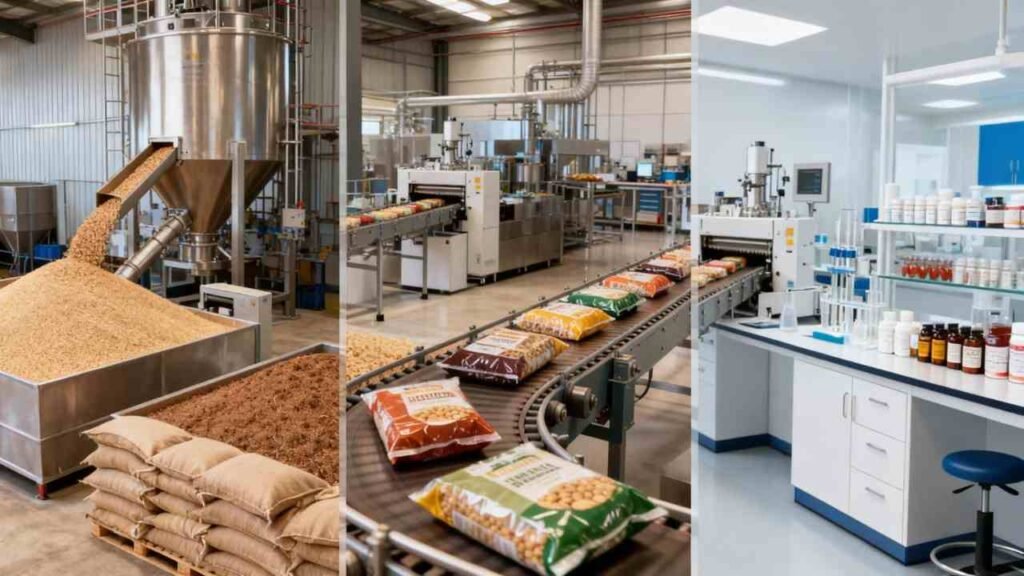
Unreliable Vitamin B2 supply ruins your production lines and profits. This instability hurts your market position. I provide the industry insights needed to secure your wholesale inventory effectively and reliably.
The main industries driving Vitamin B2 demand are food processing, animal feed, and pharmaceuticals. In food, it is used for coloring and fortification. The animal feed sector consumes large volumes for livestock health, while pharma uses it in supplements and complex multivitamin formulas for global consumers.
Understanding these demand drivers helps you plan your procurement and stay ahead of your market competitors.
How Is Vitamin B2 (Riboflavin) Used in Food Products?
Pale and unappealing food products fail to attract customers. This lowers your brand value and sales. Vitamin B2 provides a natural solution to improve both color and nutritional density in food.
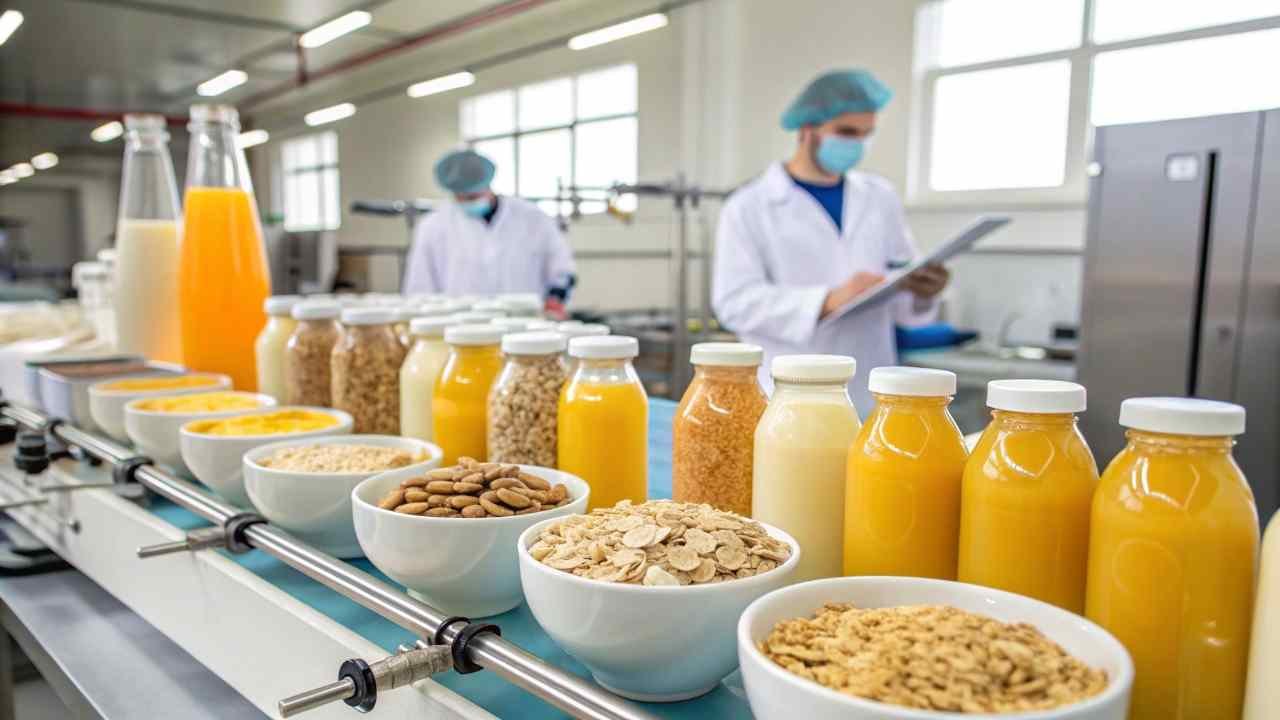
Vitamin B2 serves as a natural food coloring (E101) and a nutritional fortifier. It gives a vibrant yellow to orange color to cereals, baby food, and beverages while ensuring essential vitamins are present for human health and regulatory compliance in global food markets.
Natural Coloring and E101 Standard
I see a high demand for Vitamin B2 as a natural pigment. Many food manufacturers are moving away from synthetic dyes. They use Riboflavin to get a bright yellow or orange color. This is very common in products like instant noodles, processed cheese, and fruit drinks. In the European Union, this use is labeled as E1011. It is a very stable colorant when kept away from direct light. I ensure the Vitamin B2 I supply has the correct particle size for even color distribution. If the powder is too coarse, the color in your final food product will be uneven.
Nutritional Fortification and Human Health
Another major use I manage is fortification. Many processed foods lose their natural vitamins during cooking or milling. Manufacturers add Vitamin B2 back to these products to maintain health standards. It is vital for energy metabolism and cell function. I supply many distributors who sell to large-scale bakeries and cereal plants. These companies need high-purity Riboflavin to meet their nutritional labels. I check every batch to ensure the assay level is above 98%. This high purity ensures the food stays healthy and meets all local food laws.
Detailed Food Industry Applications
| Food Category | Primary Function | Preferred Form | Benefit to Manufacturer |
|---|---|---|---|
| Breakfast Cereals | Fortification & Color | 98% Fine Powder | Higher nutritional value |
| Baby Food | Essential Nutrition | USP / EP Grade | Safe growth support |
| Instant Noodles | Yellow Coloring | Food Grade | Appealing visual look |
| Energy Drinks | Energy Metabolism | Soluble HCl form | Functional health claim |
| Dairy Products | Color Correction | Standard Powder | Consistent appearance |
How Does Fortification Increase Vitamin B2 (Riboflavin) Demand?
Malnutrition in consumer populations leads to government fines and public health crises. This threatens your business growth. Mandatory fortification programs create a massive, stable demand for high-purity Vitamin B2 globally.
Government mandates for enriching flour, rice, and corn with Vitamin B2 significantly boost global demand. This ensures basic nutrition for the public. It makes Vitamin B2 a mandatory purchase for large-scale mills and food processing factories in Southeast Asia and Africa.
The Role of Government Mandates
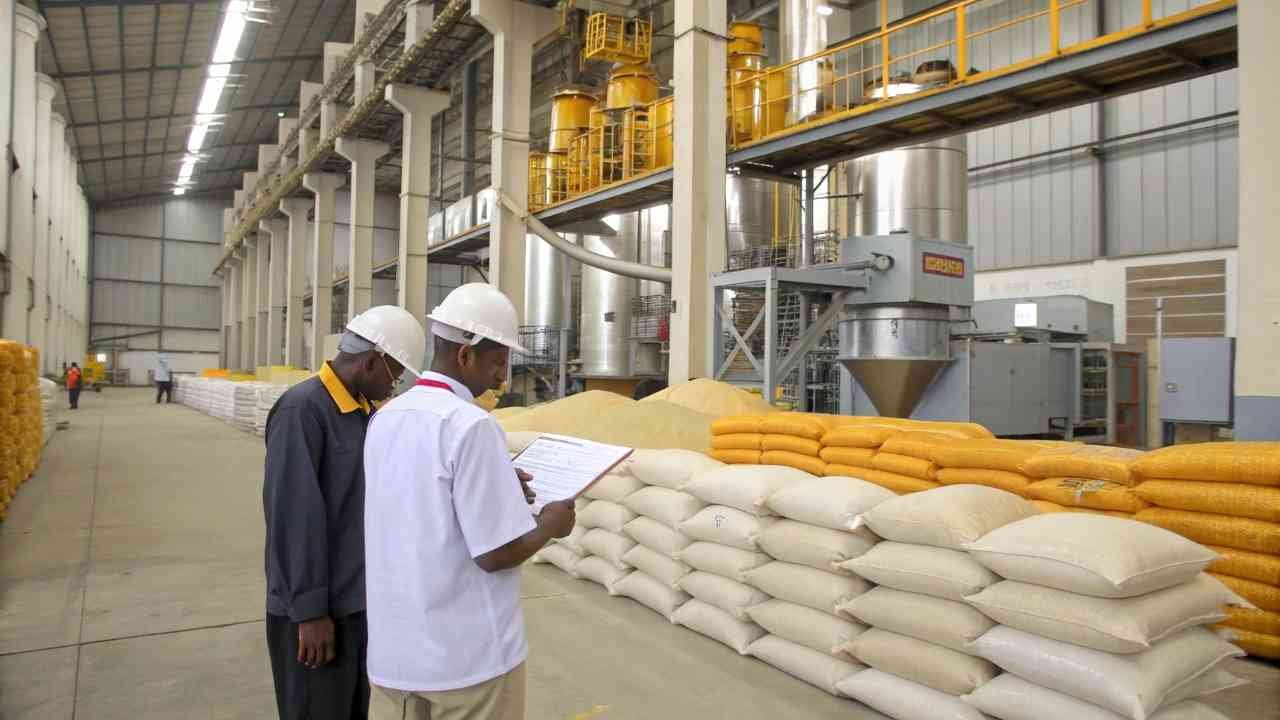
I observe that government policy is a huge driver for the vitamin market. Many countries in Southeast Asia and Africa have laws that require flour and rice enrichment. These programs aim to stop vitamin deficiencies in the population. Because these laws are mandatory, the demand for Vitamin B2 is very stable. Even if the economy is slow, people still buy bread and rice. This means mills must continue to buy Riboflavin every month. I work with wholesalers who handle these large-scale government contracts. They need a reliable supply chain2 from China that never stops.
Stability and Quality in Fortification
In my experience, fortification requires a very specific type of Vitamin B2. The powder must be stable enough to survive the milling process and long-term storage in warm climates. I select factories in China that use advanced fermentation to produce highly stable crystals. This ensures the vitamin does not degrade before the consumer eats the food. For my clients in Indonesia and Vietnam, this stability is a technical requirement. I provide the stability data and COAs to prove the product stays potent. This level of quality control3 is what makes a wholesaler successful in the fortification business.
Regional Fortification Impact
| Region | Primary Vehicle | Mandate Status | Demand Type |
|---|---|---|---|
| Southeast Asia | Rice and Wheat Flour | Mandatory in many areas | High Volume / Stable |
| Africa | Corn Meal and Flour | Increasing Mandates | Fast Growing |
| Middle East | Wheat Flour | Standard Practice | Consistent |
| Latin America | Corn and Wheat | Long-term Mandates | Mature / Large |
Which Regions Show Fastest Growth in Vitamin B2 (Riboflavin)?
Missing out on emerging market booms leaves your company behind the competition. This limits your revenue potential. Identifying fast-growth regions helps you target your sales and distribution strategy more effectively.
Southeast Asia and the Middle East show the fastest growth in Vitamin B2 demand. This is driven by expanding food manufacturing and rising health awareness. Countries like Indonesia, Saudi Arabia, and Vietnam are key players in this surging international trade trend.
Industrialization in Southeast Asia
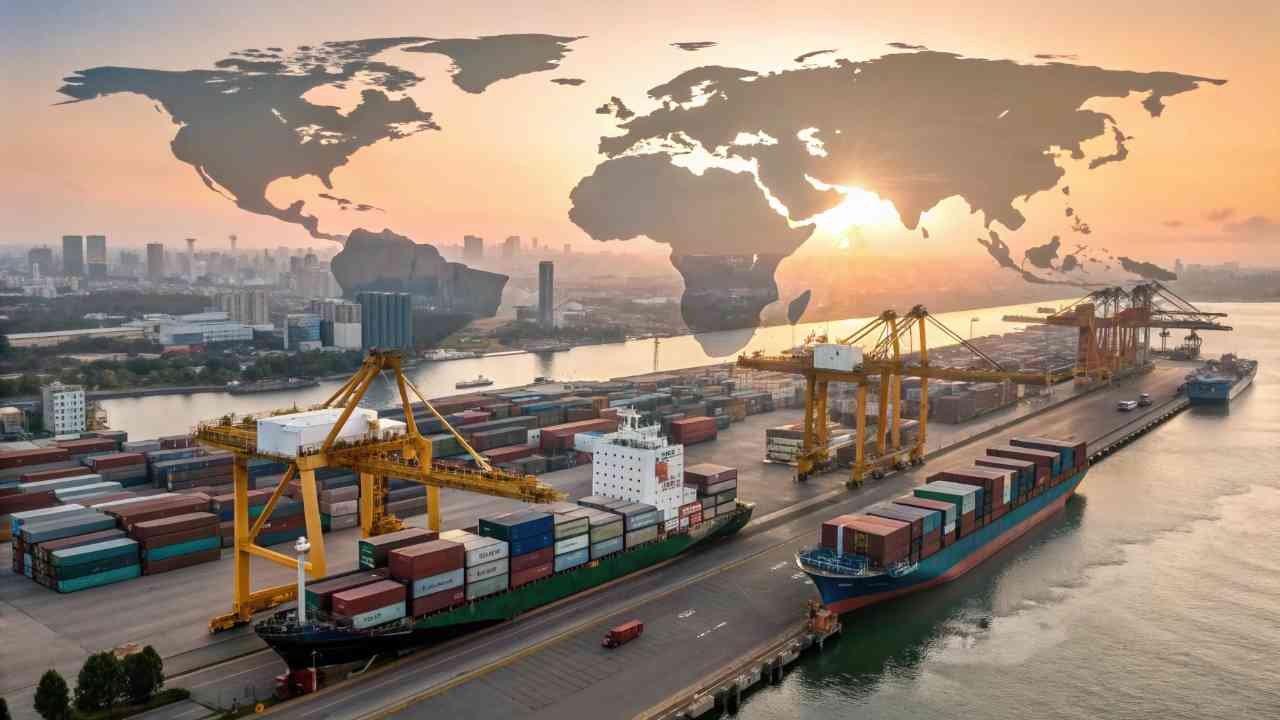
I see a massive shift in Southeast Asia. Countries like Vietnam and Indonesia are industrializing their food sectors very fast. They are building more factories for processed snacks and beverages. This creates a huge need for food additives4 like Vitamin B2. I manage many shipments to these regions every month. The growing middle class in these countries wants better quality food. They look for fortified products and natural ingredients. This consumer shift is pushing local brands to upgrade their recipes. I help these manufacturers find the best Chinese Riboflavin to stay competitive.
Health Expansion in the Middle East
The Middle East is another exciting growth area. In countries like Saudi Arabia and the UAE, the government is investing heavily in local food production. They want to reduce their reliance on imports. This means more local factories are opening that need a steady supply of vitamins. I see an increasing demand for HALAL-certified Vitamin B2 in this region. I ensure all our products meet these strict religious and safety standards. The health supplement market is also booming in the Middle East. People are buying more multivitamins to support their lifestyle. This is a great opportunity for wholesalers who can provide high-purity pharma-grade B2.
Regional Growth Metrics
| Region | Growth Rate | Key Countries | Main Reason |
|---|---|---|---|
| Southeast Asia | Very High | Indonesia, Vietnam | Food industry expansion |
| Middle East | High | Saudi Arabia, UAE | Local manufacturing push |
| Europe | Moderate | Germany, Greece | Health supplement demand |
| Russia / CIS | Moderate | Russia | Import substitution needs |
How Do Consumer Trends Affect Vitamin B2 (Riboflavin) Demand?
Changing consumer tastes make your old products obsolete. This reduces your market share and profits. Aligning with modern health and wellness trends ensures your food additives remain relevant and in high demand.
Increasing demand for energy drinks, plant-based foods, and multivitamin supplements boosts Vitamin B2 sales. Consumers want "natural" food colorings and energy-boosting ingredients. This directly impacts how manufacturers procure Riboflavin from wholesalers in China to meet these new expectations.
The Energy and Fitness Boom
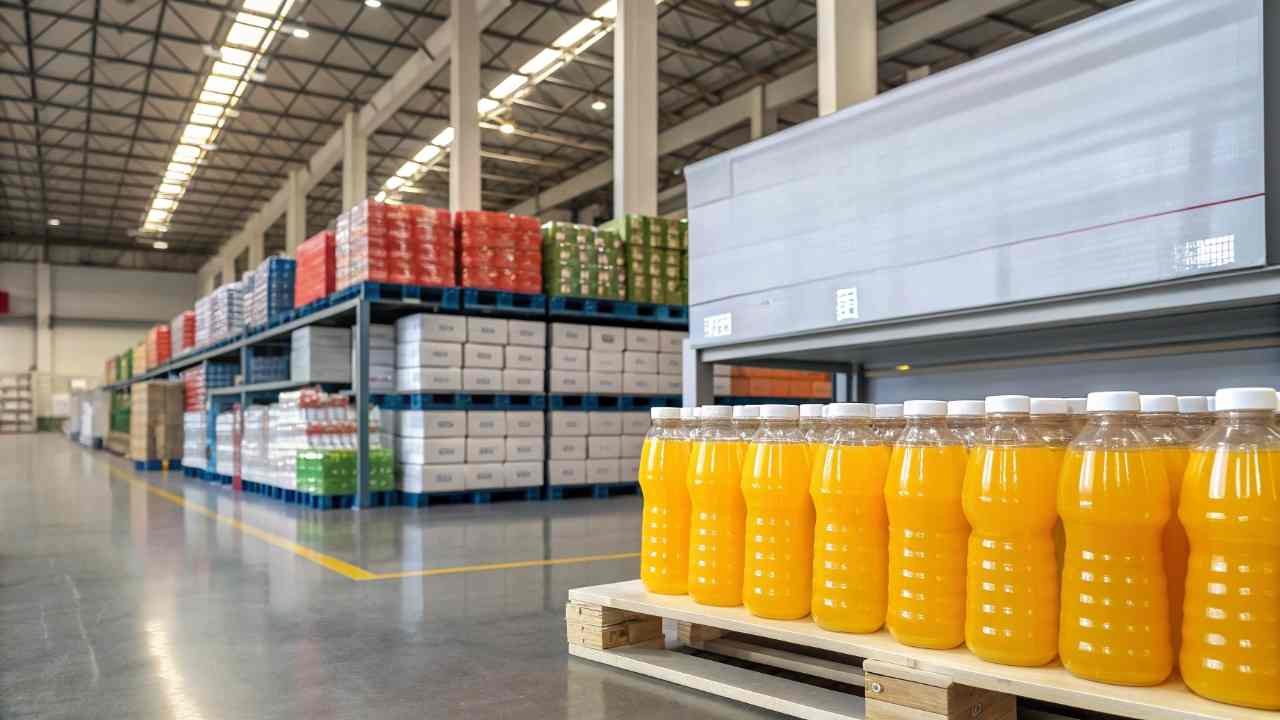
I observe that the energy drink market is a massive driver for Vitamin B2. Riboflavin is essential for turning food into energy in the body. Manufacturers add it to sports drinks and energy shots to support health claims. Consumers see Vitamin B on the label and associate it with stamina. This trend is very strong in North America and Europe. I supply the high-purity Thiamine and Riboflavin that go into these liquid formulas. The challenge is keeping the liquid clear and stable. I help my clients choose the right grade of B2 that dissolves well without leaving sediment.
Clean Label and Plant-Based Diets
Another trend is the "Clean Label" movement. People want to see ingredients they recognize. Vitamin B2 is a natural nutrient, so it fits this trend perfectly. It is used as a natural color to replace artificial yellow dyes. Also, the rise of plant-based diets is helping demand. Vegan and vegetarian foods are often low in certain B vitamins. Manufacturers of plant-based milk and meat alternatives add Vitamin B2 to make their products nutritionally complete. I see a growing number of orders from these specialized food sectors. It is a technical niche that requires top-quality material and full documentation.
Consumer Trend Analysis
| Consumer Trend | Impacted Product | Role of Vitamin B2 | Demand Level |
|---|---|---|---|
| Energy Focus | Energy Drinks | Metabolism support | Very High |
| Clean Label | Snacks / Grains | Natural yellow color | High |
| Vegan Lifestyle | Plant Milks | Nutritional balance | Moderate |
| Aging Population | Senior Supplements | General health support | High |
How Can Buyers Track Vitamin B2 (Riboflavin) Market Demand?
Ignorance of market shifts leads to overstocking or sudden shortages. These errors waste your capital and stop production. Tracking demand signals allows you to buy at the right time and price.
Buyers track demand by monitoring government fortification laws and food industry sales indices. Following trends in the global animal feed industry also provides early signals. Tracking raw material prices and export volumes in China helps predict future availability and cost shifts.

Monitoring Global Feed Trends
You should know that the animal feed industry uses about 70% of the world's Vitamin B2. I always track the livestock market because it affects the food-grade supply. If there is a disease outbreak in poultry or pigs, the feed demand drops. This can lead to a temporary surplus and lower prices for food-grade B2. Conversely, if the meat industry in Brazil or China expands, the feed sector will buy up the global supply. This makes the price go up for everyone. I provide my regular buyers with these market insights. It helps them decide whether to buy now or wait for a price dip.
Tracking China's Production and Policy
China is the largest producer of Vitamin B2. This means you must watch Chinese market news. I monitor environmental policies and energy costs in provinces like Hubei. If the government orders a factory shutdown for an audit, the global supply will tighten in weeks. I also look at the price of corn and glucose. Since B2 is made via fermentation, the cost of these raw materials5 is a key indicator. I act as your eyes on the ground in China. I tell my clients when to stockpile material before a holiday or a policy change. This proactive tracking is how my partners stay competitive and never run out of stock.
Demand Tracking Tools
| Signal to Watch | Information Source | What it Predicts |
|---|---|---|
| Flour Mandates | Gov. Health Reports | Stable long-term demand |
| Corn Prices | Ag. Market Indices | Future production cost |
| Export Volume | Customs Data | Global supply availability |
| Feed Industry | Livestock Trends | Sudden price spikes |
Conclusion
Understanding Vitamin B2 demand across industries helps you plan better and stay competitive. I manage your supply chain in China to ensure you always have high-quality Riboflavin on time.
-
Food Standards Agency – Official UK resource explaining the approval process and categories of E-numbers for food ingredients. ↩
-
Supply Chain Management Review – Trade resource for procurement professionals on managing global logistics and sourcing strategies. ↩
-
ISO 9001 Standards – The international standard for quality management systems used by technicians to ensure process consistency. ↩
-
U.S. FDA – Official portal for food additive petitions and safety regulations for food manufacturers and enterprises. ↩
-
ICIS News – Global intelligence on the price and supply of chemical raw materials and industrial fermentation inputs. ↩