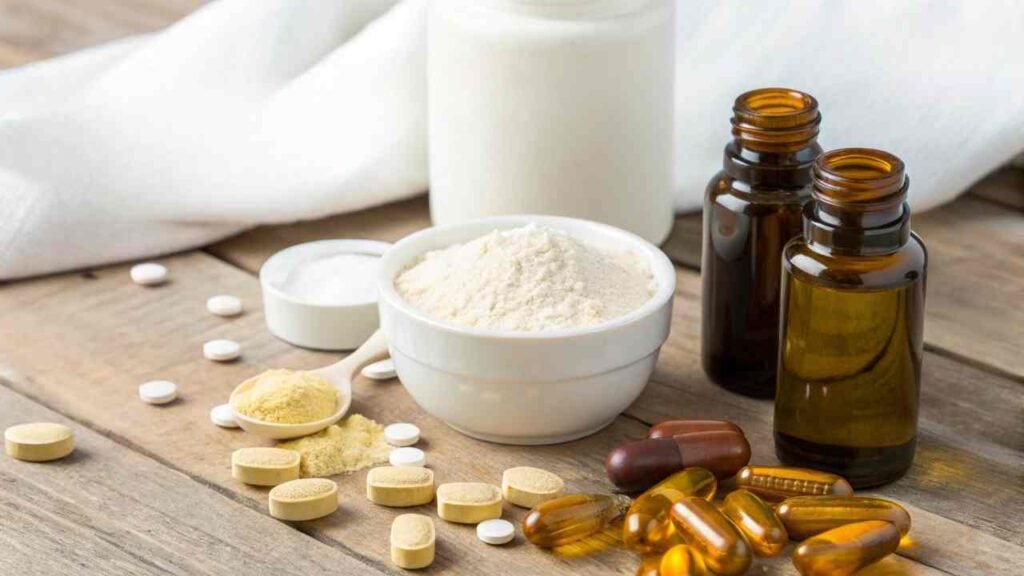
Ignoring shifting nutritional demand patterns causes brands to miss lucrative consumer markets and carry obsolete product lines. Stagnating portfolios limit growth. Identifying global consumption drivers secures market share.
Global Vitamin K2 demand is driven by the dietary supplement industry's focus on bone and cardiovascular health, the rising popularity of bioactive MK-7 over MK-4, rapid market growth in the Asia-Pacific region, and the expanding functional food fortification segment.
Successful commercial operations require a clear understanding of the global market dynamics that shape raw ingredient purchasing. Sourcing managers must identify consumer trends and regional expansions to justify product line development. Sourcing partners like FINETECH simplify factory checks, verify production compliance, and secure competitive pricing directly in China to guarantee bulk deliveries. This guide analyzes what is driving global Vitamin K2 demand.
Which Industries Consume the Most Vitamin K2, Oil & Powder?
Sourcing specialized raw ingredients without aligning them with high-volume industries results in slow inventory turnover and high holding costs. Misaligned inventory wastes capital. Targeting high-growth sectors maximizes return.
The dietary supplement sector consumes the vast majority of Vitamin K2 for bone and heart health products, followed by the functional food and beverage industry for fortified dairy and infant formula, and the specialized animal nutrition sector.

Dive Deeper into Supplement Formulation and Food Fortification
The global consumption of Vitamin K2 is highly concentrated in industries that focus on preventive health and structural wellness. The dietary supplement sector is the primary consumer, utilizing both liquid oils and dry powders. Within this industry, Vitamin K2 is highly valued for its role in regulating calcium metabolism1. By activating osteocalcin and matrix Gla-protein, K2 redirects calcium out of the arterial walls and into the bone matrix, supporting bone density and cardiovascular health simultaneously. This mechanism makes K2 a critical ingredient in synergistic bone formulas, particularly when combined with Vitamin D3.
The functional food and beverage industry represents the second-largest consumption segment. Food manufacturers fortify everyday products, such as liquid milk, yogurts, soy beverages, and infant powders, to deliver daily active doses. For these applications, water-dispersible spray-dried powders are preferred to ensure even mixing and prevent phase separation in liquid foods. Finally, the animal nutrition sector utilizes feed-grade Vitamin K2 powder to support bone strength in poultry and swine, reducing fractures and improving eggshell quality. Sourcing partners like FINETECH help B2B buyers navigate these diverse industrial needs, qualifying suitable food-grade, supplement-grade, or feed-grade suppliers in China to match exact manufacturing standards.
| Industry Sector | Primary Form Consumed | Target Formulation | Key Health Function |
|---|---|---|---|
| Dietary Supplements | Oils & Micro-powders | Bone & heart tablets, capsules | Calcium distribution control |
| Functional Foods | Water-dispersible powder | Fortified dairy, baby milk | Daily bone density support |
| Animal Nutrition | Feed-grade dry powder | Poultry and swine feed mixes | Bone and shell reinforcement |
| Functional Drinks | Emulsified K2 oil/CWS | Sports and recovery drinks | Cellular cardiovascular health |
Why Is MK-7 Becoming More Popular Than MK-4?
Formulating products with fast-clearing vitamin forms results in frequent consumer dosing requirements and lower brand compliance. Inefficient active ingredients limit market appeal. Sourcing highly bioavailable isomers ensures efficacy.
MK-7 is surpassing MK-4 in popularity due to its seventy-two-hour biological half-life compared to MK-4's brief few hours, allowing effective microgram-level once-daily dosing instead of milligram-level dosing multiple times per day.
Dive Deeper into Plasma Concentration and Dosages
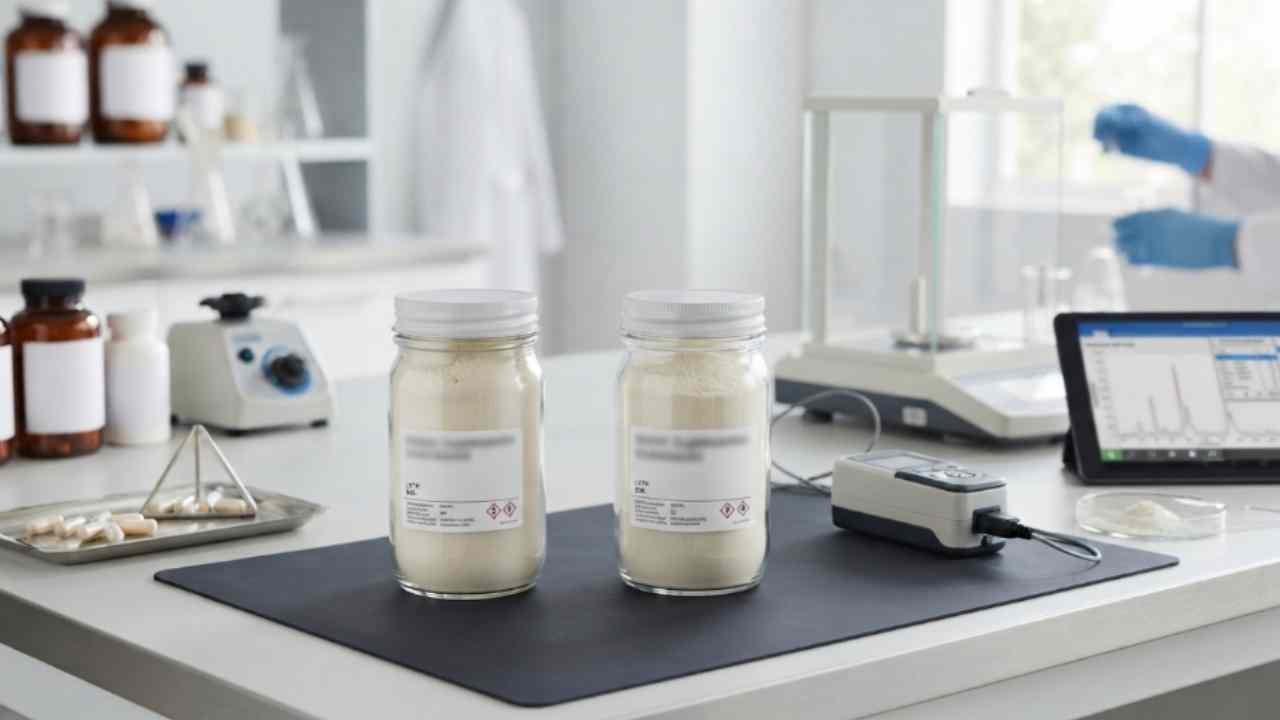
The shifting preference from Menaquinone-4 (MK-4) to Menaquinone-7 (MK-7) is a direct consequence of advances in nutritional science and clinical validation. MK-4 was the first commercially synthesized form of Vitamin K2, but its short molecular structure limits its effectiveness. Because it lacks a long lipophilic isoprenoid side chain, the human liver rapidly metabolizes and clears MK-4 from the bloodstream, resulting in a biological half-life2 of only a few hours. To maintain active therapeutic concentrations in blood plasma, consumers must take milligram-level doses multiple times throughout the day, which complicates product formulation and reduces consumer compliance.
In contrast, MK-7 features a long, seven-unit isoprenoid chain that gives the molecule fat-soluble stability. This structure allows MK-7 to bind to low-density lipoproteins (LDLs)3 in the blood, resulting in an extended biological half-life of approximately seventy-two hours. This long clearance time means that tiny, microgram-level once-daily doses are highly effective at maintaining consistent tissue carboxylating activity. For brands, this translates into lower ingredient usage weights per unit and more appealing product labels. Sourcing partners like FINETECH assist supplement manufacturers by auditing Chinese production facilities to verify that their active ingredients contain pure all-trans MK-7, ensuring maximum biological performance.
| Molecular Parameter | Menaquinone-4 (MK-4) | Menaquinone-7 (MK-7) | Sourcing Advantage of MK-7 |
|---|---|---|---|
| Biological Half-Life | Approximately 1 to 2 hours | Approximately 72 hours | Remains active in blood much longer |
| Standard Human Dose | 45 milligrams per day | 90 to 180 micrograms per day | Requires significantly lower dose |
| Synthesis Origin | Chemical reaction | Bacterial fermentation / Synthesis | Fits natural and clean-label demands |
| Systemic Absorption | Poor extra-hepatic delivery | High tissue bioavailability | Reaches bones and arteries effectively |
Which Regions Show the Fastest Growth in Vitamin K2, Oil & Powder Demand?
Marketing high-value raw ingredients in static, saturated markets results in slow growth and intense margin-squeezing price wars. Overlooking regional growth centers limits revenue. Identifying high-growth territories secures sales.
The Asia-Pacific region exhibits the fastest market growth due to rising health awareness, aging demographics, and regulatory approvals, while North America and Europe remain the largest established high-value markets for premium formulations.
Dive Deeper into Aging Demographics and Regional Approvals
Analyzing regional demand trends reveals a significant geographic expansion of the Vitamin K2 market. Saturated Western markets, including the United States, Canada, Germany, and the United Kingdom, maintain large, stable consumption volumes. Consumers in these regions are highly educated on the benefits of bone mineralization and cardiorespiratory health, making these markets highly receptive to premium, allergen-free fermented MK-7 and microencapsulated formulations.
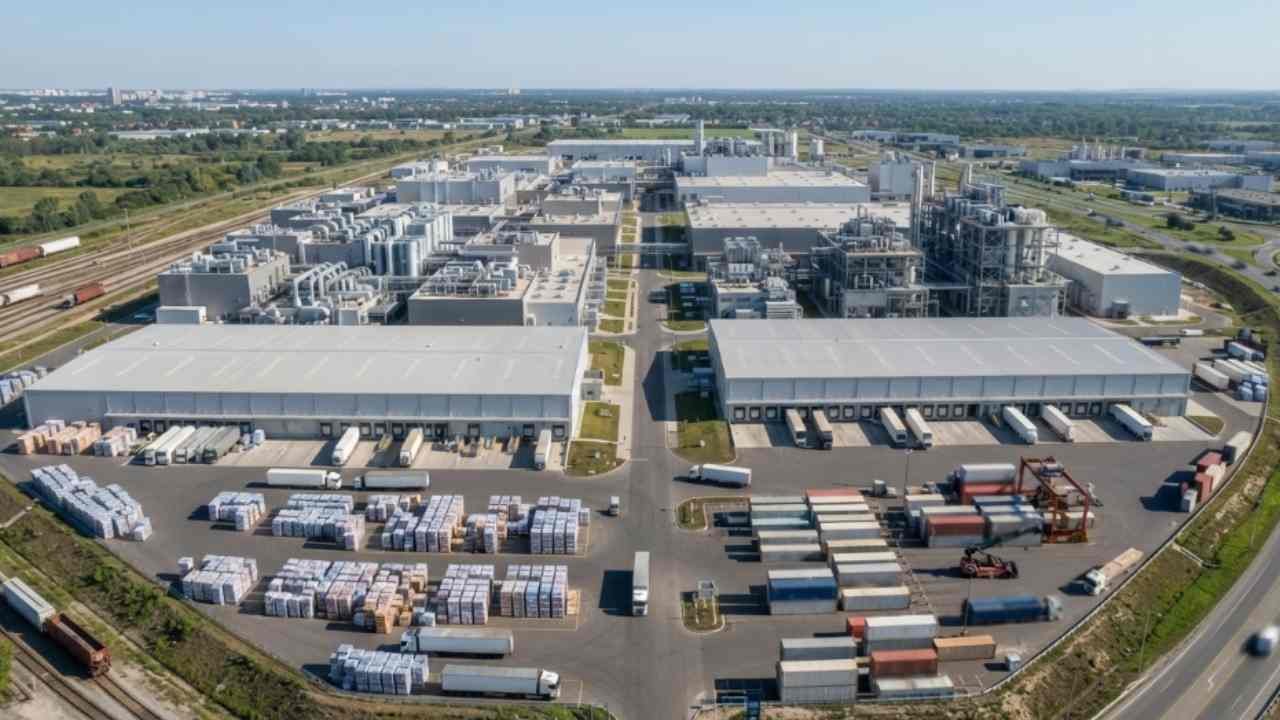
However, the fastest growth is occurring in the Asia-Pacific region, led by China, India, Japan, and Southeast Asian nations. This rapid growth is driven by rising disposable incomes, urbanization, and aging populations facing bone density issues. Regional food safety agencies in China and India have approved Vitamin K2 as a permitted nutrient fortification ingredient in food and health supplement catalogs, removing regulatory barriers and triggering a wave of new product launches. This surging demand has driven domestic ingredient manufacturing, particularly in China. Sourcing partners like FINETECH help international importers navigate this regional dynamic. They provide on-the-ground support in China, auditing factories to verify that export batches comply with destination-market certifications (such as FSSC 220004, Kosher, or Halal), enabling buyers to tap into highly competitive Asian supply chains.
| Market Territory | Current Demand Status | Growth Rate Category | Primary Formulation Trend | Sourcing Strategy |
|---|---|---|---|---|
| North America | Large, mature market | Moderate | High-purity D3 + K2 mixes | Secure stable, premium grades |
| Europe | Strict regulatory rules | Moderate | Clean-label, non-soy options | Focus on non-GMO allergen-free |
| Asia-Pacific | Rapidly expanding market | Extremely Fast | Fortified dairy and baby milk | Buy in volume from Chinese plants |
| Latin America | Emerging market segment | Fast | Multi-vitamin daily tablets | Source cost-effective synthetic K2 |
How Is the Functional Nutrition Market Influencing Vitamin K2, Oil & Powder?
Delivering standard, non-dispersible vitamin formats to modern beverage manufacturers causes oily surface separation and failed product test runs. Rigid, old-format ingredients stall sales. Embracing dispersible formats secures orders.
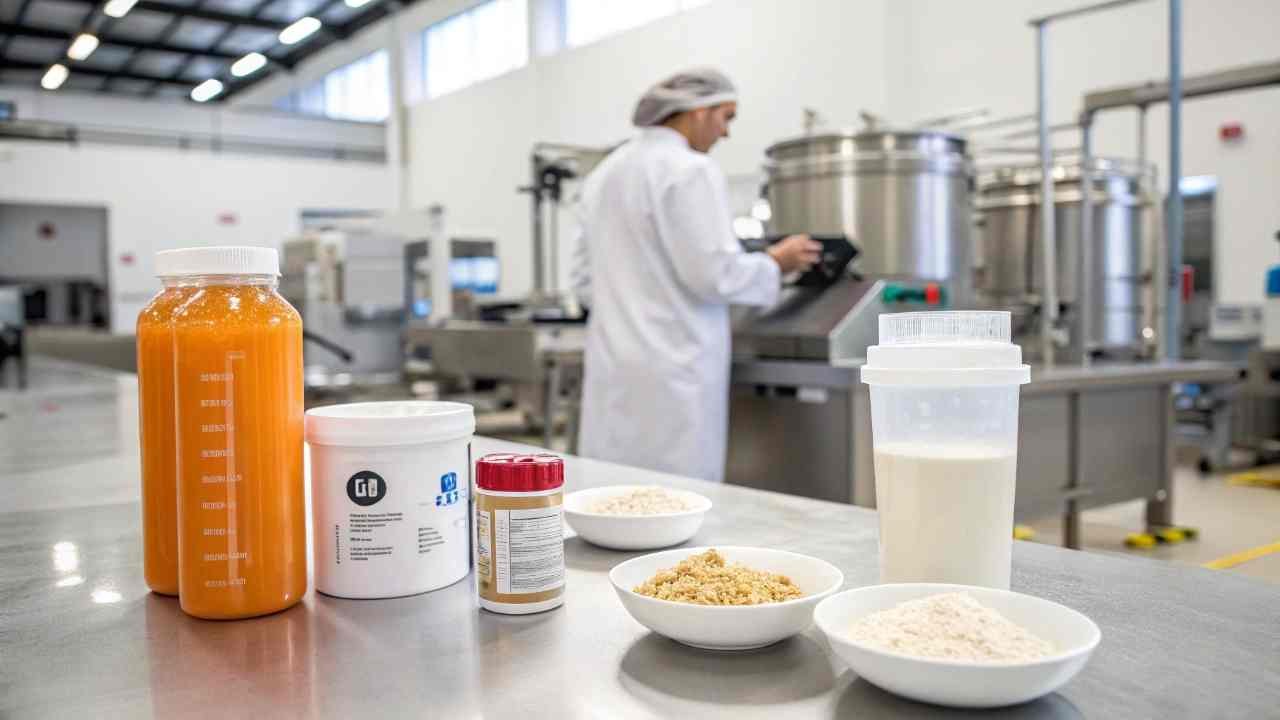
The functional nutrition market is driving demand for specialized delivery formats, forcing manufacturers to supply cold-water-dispersible (CWS) powders for sports drinks and microencapsulated beadlets to protect active MK-7 in mineral-fortified food mixes.
Dive Deeper into CWS Powders and Mineral Stability
The rapid expansion of the functional nutrition sector has fundamentally changed the physical specifications required for raw Vitamin K2 ingredients. Historically, vitamins were consumed almost exclusively in tablet and capsule formats. However, modern consumers are increasingly demanding fortified food options, including ready-to-drink shakes, protein powders, meal replacement bars, and wellness water drops. Because raw Vitamin K2 is naturally hydrophobic, standard oils cannot mix into water-based food items without separating and floating on the liquid surface.
To meet these functional demands, raw material manufacturers have developed cold-water-dispersible (CWS) powders. CWS powders utilize emulsified polymer carriers like gum acacia or starch to encase the microscopic MK-7 oil droplets, allowing them to disperse evenly in cold liquids without altering the texture or color of the beverage. Additionally, because functional foods often combine Vitamin K2 with basic minerals like calcium or magnesium, manufacturers require microencapsulated beadlets to prevent the active molecule from degrading in these alkaline environments. Sourcing partners like FINETECH help importers evaluate these application needs, checking that Chinese factories supply specialized CWS and mineral-stable grades that meet both physical performance and chemical stability standards in functional food lines.
| Functional Food Form | Required Vitamin K2 Format | Key Physical Property | Sourcing Quality Benefit |
|---|---|---|---|
| RTD Protein Drinks | Cold-water-dispersible (CWS) | Instant micelle suspension | Prevents unsightly oil separation |
| Mineral Meal Shakes | Microencapsulated powder | High chemical barrier protection | Prevents active decay from calcium |
| Energy & Fruit Bars | Thermal-stable dry powder | High heat resistance | Withstands extrusion baking heat |
| Yogurts & Spreads | Standardized K2 liquid oil | Easy lipid dissolution | Integrates smoothly into fat bases |
What Future Trends Will Shape the Vitamin K2, Oil & Powder Market?
Failing to adapt to upcoming clean-label regulations can leave your supply chain vulnerable to sudden ingredient bans and costly label changes. Rigid, outdated sourcing slows growth. Preparing for future trends secures longevity.
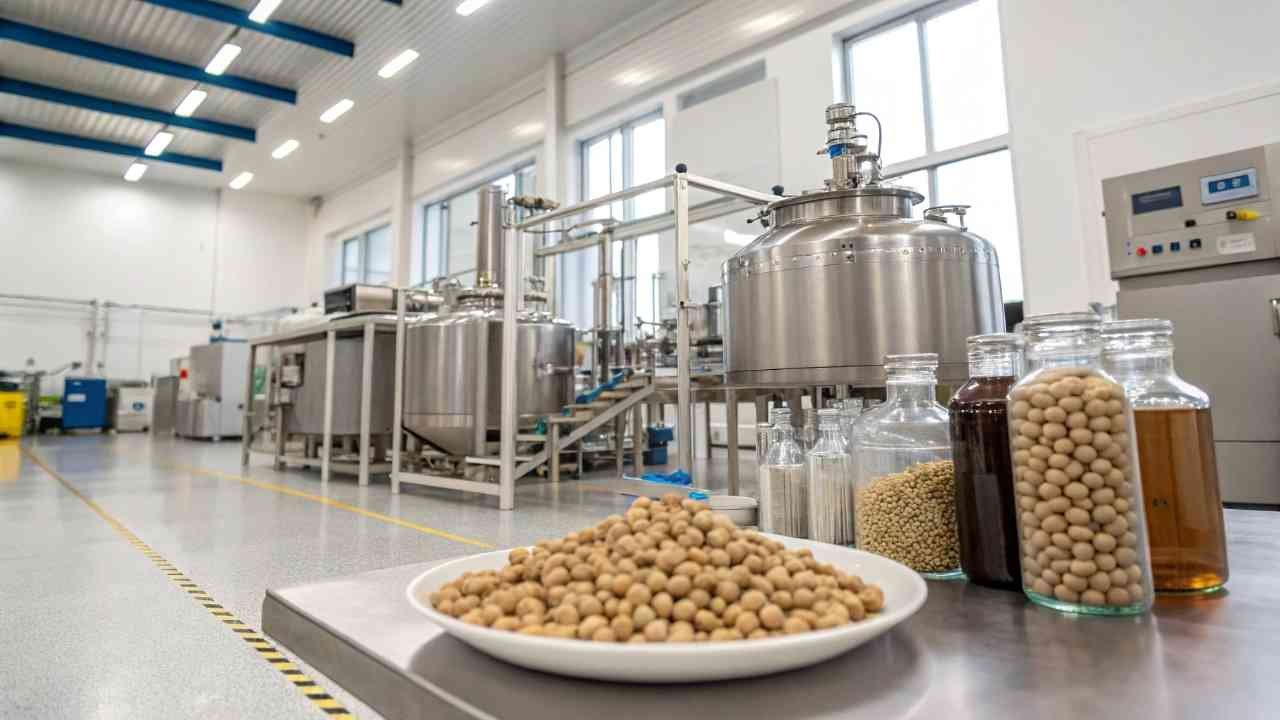
The future of Vitamin K2 will be shaped by the shift toward non-soy allergen-free chickpea fermentation, advanced synthetic biology to lower production costs, innovative microencapsulation for mineral-rich formulas, and the dominance of D3 plus K2 combinations.
Dive Deeper into Synthetic Biology and Clean-Label Sourcing
As the global Vitamin K2 market matures, several key technological and consumer trends are reshaping procurement strategies. The first major trend is the transition toward allergen-free, clean-label raw materials. Because traditional fermented MK-7 is derived from soy-based natto5 cultures, soy proteins can remain in the final extract, triggering allergen labeling requirements. To satisfy consumer demand for allergen-free products, manufacturers are transitioning to chickpea or lentil fermentation bases, which command a higher premium in Western markets.
The second key trend is the utilization of advanced synthetic biology. By optimizing bacterial strains through gene-editing technologies, bio-manufacturers are achieving significantly higher active fermentation yields. This yield increase is expected to reduce the production cost of natural MK-7, making premium fermented grades more accessible to mass-market brands. Finally, the synergy formulation market continues to grow, with Vitamin D3 plus K2 combinations dominating new product development. Sourcing partners like FINETECH simplify these strategic transitions. They help B2B buyers find forward-looking manufacturers in China that specialize in non-soy chickpea fermentation and advanced microencapsulation, securing a reliable, future-proof raw material supply chain that satisfies evolving global clean-label standards.
| Industry Trend | Sourcing Specification Shift | Primary Technical Driver | Strategic Purchasing Value |
|---|---|---|---|
| Allergen-Free Demand | Non-soy chickpea fermentation | Free-from dietary consumer trend | Accesses premium clean-label markets |
| Strain Yield Boost | Synthetic biology fermentation | Reduces production cycle costs | Stabilizes bulk wholesale pricing |
| Synergy Blending | Pre-blended D3 + K2 mixtures | High consumer preference | Simplifies manufacturing steps |
| Coating Innovation | Double-layer encapsulation | Extreme mineral compatibility | Guarantees extended bottle shelf life |
Conclusion
Global Vitamin K2 demand is driven by supplement and functional food growth, the biological advantages of MK-7, and technological advances like non-soy chickpea fermentation and microencapsulation.
-
NCBI – A detailed review of the role of Vitamin K2 in calcium regulation and its clinical implications for bone and heart health. ↩
-
NCBI (Journal of Nutrition and Metabolism) – A comparative clinical study showing the difference in biological half-life and serum levels between MK-4 and MK-7. ↩
-
American Heart Association (AHA) – An overview of LDL cholesterol and its role in cardiovascular health, providing context for why MK-7's binding mechanism is physiologically significant. ↩
-
FSSC 22000 Official Website – Information on the international food safety management system certification required for global food and supplement supply chains. ↩
-
Healthline – A medical and nutritional overview of Natto, exploring its fermentation process and role as the primary natural source of MK-7. ↩