
Sourcing bulk GABA without tracking regional bioreactor capacities and trade compliance shifts causes sudden cargo shortages, inflated prices, and immediate production delays. Unvetted supply strategies threaten growth.
The global GABA supply market is driven by expanding industrial microbial fermentation capacities, regional output growth across Asia-Pacific, rising consumer demand for clean-label stress-relief functional foods, and the necessity to manage biological and trade compliance risks.
Successfully navigating the international raw materials trade requires a disciplined approach to analyzing global agricultural trends and manufacturing capacities. Importers must examine changing regional output dynamics to justify large-scale bulk procurement. Sourcing partners like FINETECH simplify factory checks, verify production compliance, and secure competitive pricing directly in China to guarantee bulk deliveries. This guide explains what is driving the global supply market for Gamma-aminobutyric acid (GABA).
Why Is Fermentation Capacity Important for Gamma-aminobutyric acid (GABA) Supply?
Relying on chemical synthesis for high-volume orders restricts access to premium natural health sectors and limits clean-label opportunities. Unoptimized fermentation outputs cause supply deficits. Expanding bioreactors ensures volume.
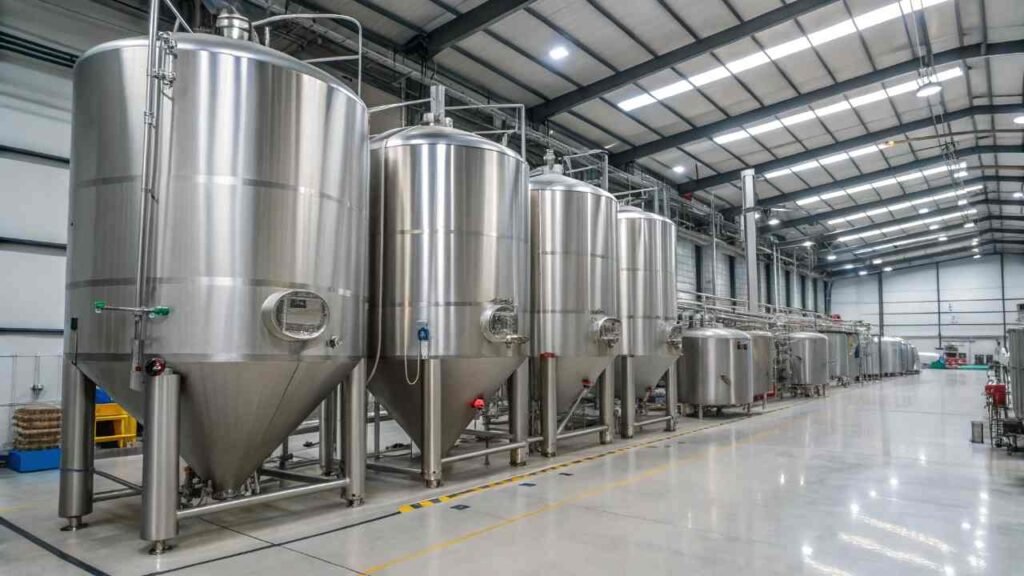
Fermentation capacity is crucial for GABA supply because it allows manufacturers to synthesize large volumes of clean-label, bio-based GABA using lactic acid bacteria, matching the growing global preference for natural ingredients over synthetic routes.

Dive Deeper into Bioreactor Scaling and Enzymatic Conversion Efficiency
The global supply of Gamma-aminobutyric acid (GABA) is increasingly dependent on the efficiency and scale of microbial fermentation technology1. Historically, chemical synthesis was utilized to meet industrial demands; however, modern market preferences have shifted decisively toward bio-based, natural GABA. This transition highlights the critical importance of fermentation capacity. Natural GABA is produced through a biological process where specific strains of lactic acid bacteria, such as Lactobacillus plantarum or Lactobacillus hilgardii, convert L-glutamic acid or monosodium glutamate into GABA. This biochemical reaction is catalyzed by the enzyme glutamate decarboxylase (GAD).
Scaling this process to meet commercial demand requires massive bioreactor volumes, precise computerized temperature controls, and optimized culture media. If a manufacturer lacks sufficient fermentation capacity or experiences biological issues—such as phage contamination2 that destroys bacterial cultures—the supply of natural GABA can tighten rapidly. Furthermore, the selection of high-yield strains and the optimization of fermentation parameters (such as pH stability and nutrient feeds) directly determine the cost-competitiveness of the final product. Sourcing partners like FINETECH assist international buyers by auditing fermentation capacities in China, verifying that factories utilize advanced bioreactor systems to deliver a stable, highly competitive supply of pure, bio-fermented GABA.
| Production Factor | Natural Fermentation | Chemical Synthesis | Sourcing Impact |
|---|---|---|---|
| Primary Catalyst | Glutamate decarboxylase enzyme | Industrial chemical reagents | Fermentation avoids toxic catalysts |
| Environmental Cost | Biodegradable organic wastewater | Hazardous chemical waste | Bio-based plants meet strict green laws |
| Market Status | Approved for clean-label food | Restricted in multiple regions | Essential for global retail access |
| Raw Feedstock | Agricultural starch / Glucose | Petrochemicals / Pyrrolidone | Tied to grain vs. oil market indexes |
Which Regions Are Expanding Gamma-aminobutyric acid (GABA) Production?
Sourcing GABA from unvetted global suppliers increases the risk of logistics delays and regulatory mismatches. Uncoordinated regional procurement disrupts production. Targeting expanding manufacturing hubs secures inventory.
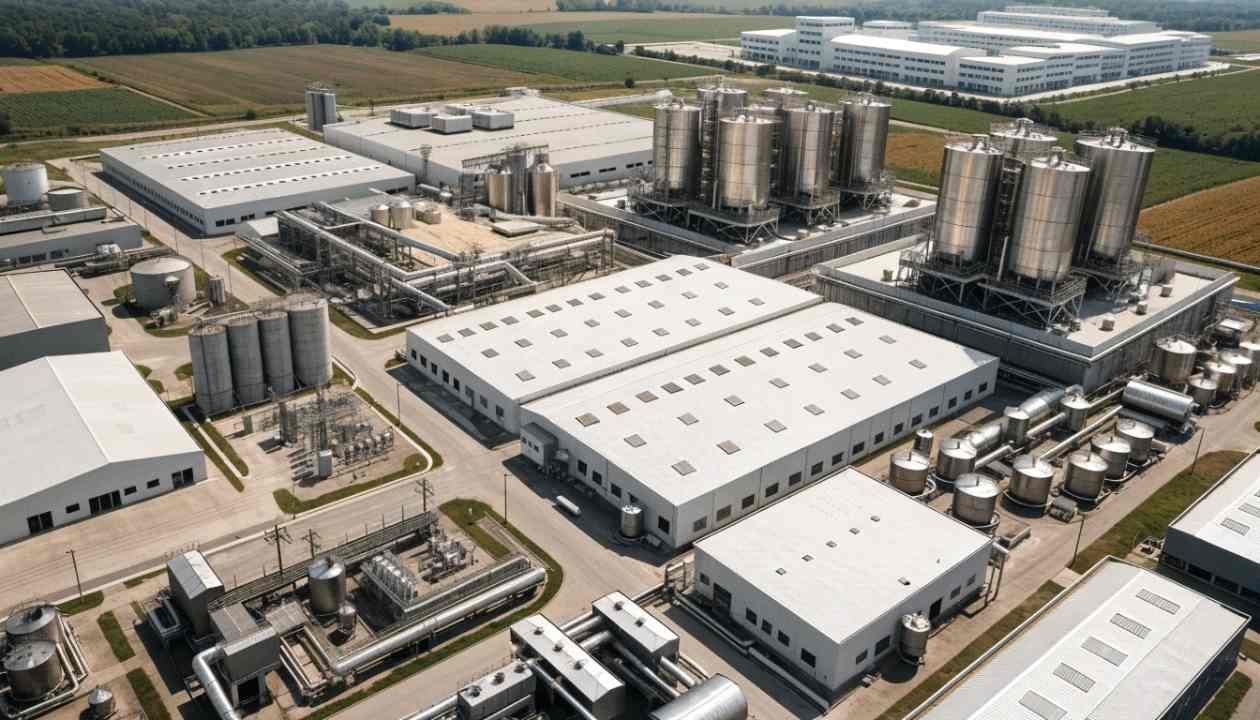
The Asia-Pacific region, led by China's expanding starch fermentation hubs and Japan's advanced pharmaceutical-grade manufacturing facilities, continues to lead global GABA production and dominate international supply chains.
Dive Deeper into Chinese Fermentation Hubs and Japanese Specialty Markets
The expansion of global GABA production is highly concentrated in specific geographical regions, with the Asia-Pacific territory leading both volume and technical innovation. China stands as the undisputed global volume leader, driven by its massive agricultural processing infrastructure and established industrial fermentation hubs in provinces like Ningxia, Hebei, and Zhejiang. Large-scale Chinese manufacturers utilize abundant, cost-competitive corn starch and glucose feedstocks to run high-volume bioreactors. This allows them to produce food-grade and feed-grade GABA at scale, driving down global unit costs and making the compound economically viable for mass-market consumer products.
Meanwhile, Japan remains a highly influential region, focusing on premium, high-purity pharmaceutical-grade GABA used in clinical supplements and functional beverages. Japanese companies have pioneered research into GABA's stress-relief3 and sleep-improvement benefits, maintaining strict quality standards and holding valuable safety certifications. Additionally, other regions in East Asia and Southeast Asia are beginning to expand their local fermentation facilities to meet regional demands. Sourcing partners like FINETECH help buyers navigate these regional dynamics. By directly auditing and vetting factories in China's major fermentation zones, they help international importers source high-quality, cost-effective GABA that complies with global regulatory standards.
| Sourcing Region | Primary Industry Role | Grade Specialty Focus | Strategic Purchasing Benefit |
|---|---|---|---|
| China | Global volume leader | Food & feed grade bulk | Lowest wholesale processing cost |
| Japan | Legacy quality pioneer | Premium pharmaceutical-grade | Advanced safety dossiers and studies |
| North America | Rapidly expanding consumer | Premium supplement blunts | Fast delivery, high logistics security |
| Europe | High regulatory compliance | Specialty food fortification | Strict adherence to regional green laws |
How Does Consumer Demand for Functional Foods Affect Gamma-aminobutyric acid (GABA) Availability?
Failing to align raw material orders with the rapid rise of calming drinks and sleep-aid supplements causes stockouts and production delays. Unplanned purchasing limits market shares.
Surging consumer demand for relaxation foods and functional calming beverages directly consumes available GABA supply, forcing manufacturers to expand production capacities and prioritize major retail contracts over spot buyers.
Dive Deeper into Sleep-Aid Supplements and Calming Beverage Trends
The rapid growth of the global GABA market is fundamentally driven by a structural shift in consumer lifestyle preferences toward mental wellness, stress management, and improved sleep hygiene. In today's highly urbanized and fast-paced society, issues like anxiety, burnout, and insomnia have become widespread health concerns. This has fueled a surge in demand for natural, non-pharmaceutical alternatives to support relaxation and cognitive health. Consequently, GABA has transitioned from a niche dietary supplement ingredient into a mainstream bioactive compound.
This growing consumer demand directly affects global GABA availability, as food and beverage manufacturers actively incorporate the compound into a wide variety of functional products. These include ready-to-drink calming beverages, relaxation shots, sleep-aid gummies, fortified teas, and functional confectionery. As major multinational consumer goods companies launch massive product lines containing GABA, they secure large volumes of available production capacity through long-term supply contracts. This high demand can make it difficult for smaller brands or spot-market buyers to secure consistent material during peak production seasons. Sourcing partners like FINETECH help buyers manage this demand-driven market tightening by tracking factory order books and reserving volume allocations in advance, ensuring a reliable supply for their clients.
| Target Market Segment | Applied Product Form | Key Functional Target | Supply Chain Impact |
|---|---|---|---|
| Sports Nutrition | Powder blends & capsules | Mental focus & growth hormone | Highly predictable contract volumes |
| Functional Drinks | RTD Calming beverages | Stress relief & active relaxation | Rapidly growing spot-market demand |
| Dietary Supplements | Sleep-aid gummies | Insomnia management | Seasonal purchasing peaks in winter |
| Animal Nutrition | Feed fortification additives | Calms livestock, stress reduction | Consistent, low-margin bulk volumes |
What Supply Risks Should Importers Consider When Buying Gamma-aminobutyric acid (GABA)?
Procuring bulk amino compounds without auditing starting substrate prices and regional wastewater policies exposes your brand to sudden factory closures. Unmanaged logistical threats stall production.
Importers must consider significant supply risks including fluctuating agricultural feedstock prices, biological bacteriophage contamination of fermentation tanks, winter environmental output restrictions, and volatile international container ocean freight rates.
Dive Deeper into Feedstock Volatility and Biological Contamination Risks
Importers of bulk GABA must identify and manage several key risks within their supply chains to protect their production lines from unexpected disruptions and cost spikes. The first major risk is agricultural feedstock volatility4. Because natural GABA is produced via microbial fermentation, the cost of manufacturing is directly tied to the price of corn starch, glucose, and sugar cane, which serve as the primary carbon sources for the bacteria. Any crop failures, extreme weather events, or shifts in grain markets can quickly increase production overheads, forcing factories to raise their export quotes.
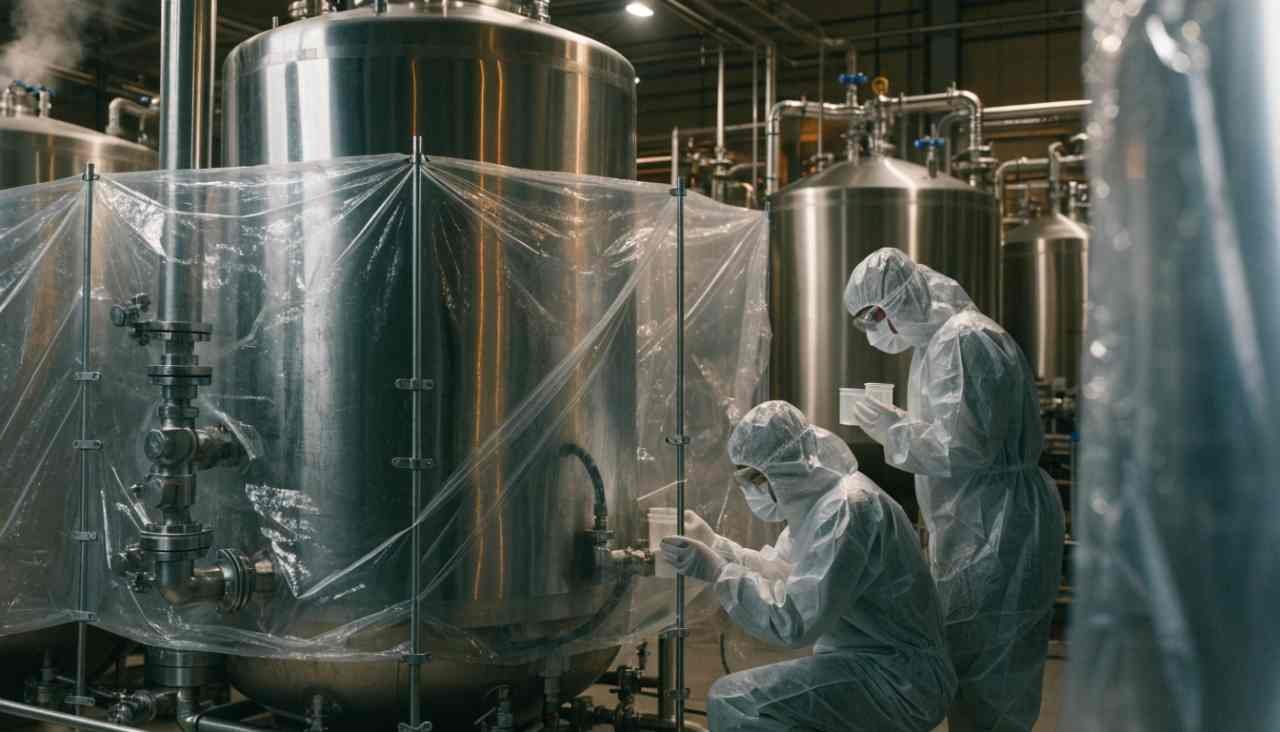
Additionally, biological production risks represent a constant threat to fermentation stability. Fermentation lines are highly vulnerable to bacteriophage (viral) infections, which can contaminate bioreactor vessels, kill the bacterial strains, and halt production lines for several weeks during sterilization. Beyond these biological risks, environmental regulations in manufacturing hubs like China can cause unexpected supply halts. During high-pollution winter months, local governments may order chemical and fermentation plants to reduce capacity to control emissions. Sourcing partners like FINETECH help importers mitigate these risks. They perform on-the-ground factory checks, monitor local environmental policies, and arrange pre-shipment sampling to ensure that only compliant, unaffected batches are shipped.
| Sourcing Risk Group | Primary Impact Point | Downstream Business Risk | Preventive Buying Action |
|---|---|---|---|
| Feedstock Volatility | Corn starch & glucose costs | Sudden price increases on cargo | Use index-linked annual contracts |
| Phage Infection | Fermentation tank contamination | Extended delays in cargo delivery | Approve multiple alternative plants |
| Environmental Audits | Chinese winter emissions curbs | Sudden reductions in capacity | Sourced from green-certified zones |
| Ocean Logistics | Extended ocean transit times | Powder caking inside containers | Require thick PE moisture linings |
How Can Buyers Build a More Reliable Gamma-aminobutyric acid (GABA) Supply Strategy?
Purchasing bulk GABA purely through transactional spot-market brokers exposes your operations to extreme price volatility and unexpected inventory shortages. Spot buying increases costs. Standardized strategies secure supply.
Buyers can build a reliable supply strategy by qualifying multiple manufacturing plants across different regions, locking in long-term index-linked frame contracts, and partnering with local sourcing agents.

Dive Deeper into Supplier Diversification and On-the-Ground Audits
To secure a stable and cost-effective supply of GABA in a fluctuating global market, procurement managers must move away from transactional spot purchasing and adopt a structured, long-term supply strategy. Relying on a single manufacturing facility exposes your brand to severe supply chain vulnerabilities if that factory experiences an environmental halt, raw material shortage, or biological batch failure. Therefore, the foundation of a reliable sourcing strategy is supplier diversification5, which involves qualifying and approving alternative production facilities across different geographic zones.
In addition to diversification, buyers should negotiate annual volume frame agreements with pricing structures linked to transparent feedstock indexes, protecting their budgets from sudden market spikes. Sharing rolling demand forecasts with selected manufacturers also ensures that raw material safety stocks are pre-allocated during peak agricultural seasons. Partnering with a dedicated local sourcing agent is crucial for executing this strategy. Sourcing partners like FINETECH provide this essential representation in China. They conduct physical audits of fermentation facilities, evaluate batch-to-batch consistency records, and coordinate independent pre-shipment testing, helping international buyers build a highly resilient, cost-effective, and fully compliant GABA supply chain.
| Sourcing Action Plan | Operational Purchasing Step | Downstream Sourcing Benefit | Sourcing Safety Outcome |
|---|---|---|---|
| Plant Diversification | Qualify alternative factories | Eliminates single-source failures | Continuous production stability |
| Long-Term Frames | Lock in volume frame agreements | Protects margins from price spikes | Predictable raw material costs |
| Forecast Integration | Share rolling demand updates | Pre-allocates factory raw starch | Prevents peak-season stockouts |
| Local Representation | Partner with firms like FINETECH | Bypasses intermediary trading markups | Verified factory quality standards |
Conclusion
Building a secure GABA supply chain requires tracking global fermentation capacities, monitoring regional production hubs across Asia-Pacific, anticipating consumer functional food trends, and utilizing local sourcing partners to manage agricultural and trade risks.
-
Explores how modern bioprocesses and microbial fermentation are reshaping clean-label food and ingredient production. ↩
-
Discusses the impact of bacteriophage contamination on lactic acid bacteria in fermentation lines, detailing structural risks and mitigation strategies like culture rotation. ↩
-
An educational overview outlining GABA's role as an inhibitory neurotransmitter, detailing how it physiologically promotes stress relief and mental relaxation. ↩
-
Analyzes the cost structure of microbial fermentation, outlining how reliance on traditional agricultural crops leaves manufacturers vulnerable to raw material cost fluctuations. ↩
-
Explores strategic supply chain management in food processing, highlighting how a diversified vendor base mitigates risks of single-point-of-failure disruptions. ↩