Sourcing bulk NAC without tracking regional chemical policies, precursor feedstock trends, and international regulatory shifts leads to severe inventory shortages, price hikes, and costly custom delays.
The global N-Acetyl-L-Cysteine supply market is shaped by dominant manufacturing hubs in China and India, the availability of L-cysteine and acetylating precursors, specialized crystallization and oxidation-prevention technologies, environmental compliance constraints, and strategic multi-region sourcing networks.
Successfully navigating the international raw materials trade requires a disciplined approach to analyzing chemical manufacturing trends and precursor supply chains. Importers must examine changing regional output dynamics to justify large-scale bulk procurement. Sourcing partners like FINETECH simplify factory checks, verify production compliance, and secure competitive pricing directly in China to guarantee bulk deliveries. This analysis explains what is shaping the global supply market for N-Acetyl-L-Cysteine (NAC).
Which Countries Are the Main Producers of N-Acetyl-L-Cysteine (NAC)?
Relying on unvetted regional brokers for active pharmaceutical ingredients increases the risk of logistics bottlenecks and material quality failures. Uncoordinated sourcing disrupts manufacturing. Targeting major global producers secures supply.
China leads the global volume of N-Acetyl-L-Cysteine production for dietary supplements, while India and European manufacturers focus primarily on high-purity active pharmaceutical ingredient grades.

Dive Deeper into Chinese Volume Leadership and Indian API Segments
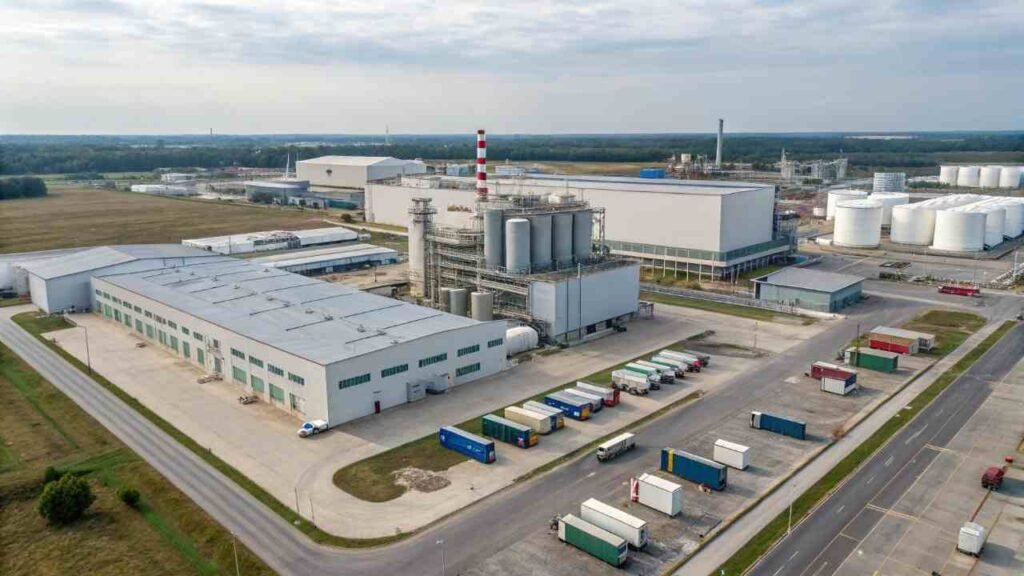
The international manufacturing footprint for N-Acetyl-L-Cysteine (NAC) is highly concentrated within a few key countries, each serving distinct market segments. China stands as the undisputed global volume leader, controlling over seventy percent of the total manufacturing capacity. Chinese production facilities, located in industrial provinces like Shandong, Hebei, and Zhejiang, operate massive chemical synthesis and crystallization plants. These factories utilize highly integrated supply chains to produce bulk food-grade and dietary supplement-grade NAC at a cost-competitive scale, making China the primary exporter for the global wellness and sports nutrition industries.
Meanwhile, India has emerged as a major hub for pharmaceutical-grade NAC, which is utilized as an active pharmaceutical ingredient (API) in mucolytic drugs and clinical emergency therapies. Indian manufacturers, concentrated in pharmaceutical zones like Gujarat and Maharashtra, adhere to strict regulatory standards and maintain active Drug Master Files (DMF)1 to supply generic drug formulations worldwide. Additionally, legacy European producers in Germany and Italy maintain specialized, high-purity facilities that serve premium clinical and intravenous formulation markets. Sourcing partners like FINETECH assist buyers by evaluating these distinct regional capabilities, auditing factories to secure the appropriate grade of NAC for the buyer's target market.
| Manufacturing Region | Primary Industry Role | Grade Specialty Focus | Strategic Sourcing Advantage |
|---|---|---|---|
| China | Global volume leader | Dietary supplement & food grade | Lowest bulk pricing and supply scale |
| India | Leading generic API hub | Pharmaceutical-grade active API | Active DMF filings for drug markets |
| Europe | Specialty quality manufacturer | Parenteral and clinical grade | High compliance with regional green laws |
| Japan | High-end niche producer | Ultra-pure pharmaceutical-grade | Superior chemical purity profiles |
How Does Raw Material Availability Affect N-Acetyl-L-Cysteine (NAC) Supply?
Sourcing raw amino compounds without monitoring critical precursor supply chains exposes your brand to sudden factory-level production halts and price spikes. Precursor deficits freeze shipments. Tracking baseline materials ensures stability.
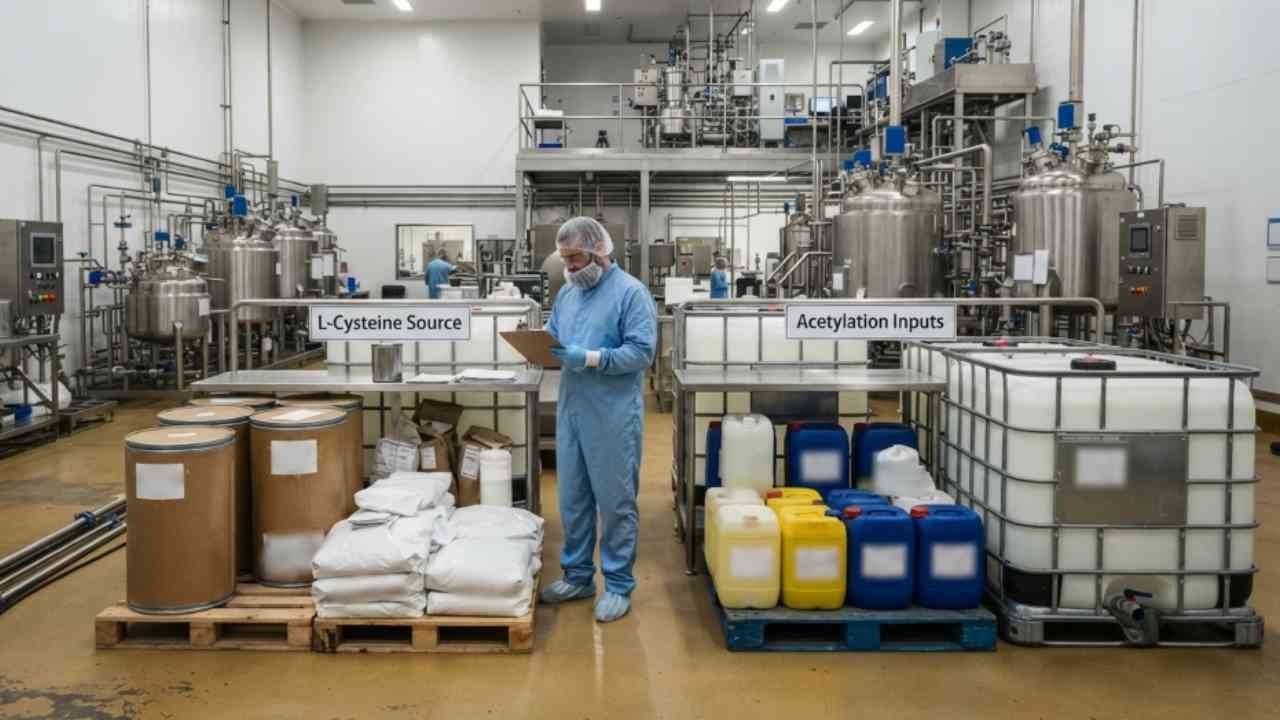
NAC supply is highly dependent on the availability of its precursor L-cysteine—sourced from animal keratin or microbial fermentation—and tightly controlled acetylating agents like acetic anhydride.
Dive Deeper into Keratin Hydrolysis versus Microbial Fermentation Pathways
The global availability of N-Acetyl-L-Cysteine (NAC) is structurally tied to the supply chain dynamics of its primary precursor, the amino acid L-cysteine. Historically, L-cysteine was produced through the acid hydrolysis of animal keratins, such as poultry feathers or human hair. However, this animal-derived route is highly vulnerable to avian disease outbreaks and changes in livestock processing volumes, which can instantly restrict raw material supply and cause upstream price spikes. Furthermore, modern consumers increasingly reject animal-sourced ingredients, driving supplement brands to demand vegan-compliant2, fermentation-derived L-cysteine.
Microbial fermentation utilizes genetically optimized bacterial strains, such as Escherichia coli or Corynebacterium glutamicum, fed with agricultural glucose to synthesize L-cysteine. This bio-based route offers a highly stable, allergen-free supply chain but requires significant capital investment and energy. Beyond L-cysteine, the acetylation of the amino acid requires specific chemical reagents, such as acetic anhydride. Because acetic anhydride is a tightly controlled chemical precursor in many countries, factories must secure strict government permits to purchase and store it. Any delays in chemical licensing can halt manufacturing. Sourcing partners like FINETECH help buyers navigate these precursor risks by verifying that manufacturers hold stable chemical licenses and utilize reliable, non-animal feedstock lines.
| Precursor Material | Sourcing Origin Route | Technical Supply Risk | Sourcing Compliance Check |
|---|---|---|---|
| Animal Keratin | Poultry feathers / Human hair | Avian disease outbreaks, bird flu | BSE/TSE-free certification logs |
| Fermented Glucose | Corn starch / Sugar cane | Grain crop volatility, energy costs | Vegan & Non-GMO statements |
| Acetic Anhydride | Regulated petrochemical reagent | Government licensing delays | Enforce stable permit verification |
| Sulfhydryl Precursors | Industrial sulfur reagents | Transportation chemical blocks | Audit safety data sheets closely |
Why Is Production Technology Important for N-Acetyl-L-Cysteine (NAC) Availability?
Utilizing outdated manufacturing lines leads to trace mineral contamination, low purification yields, and poor oxidation resistance in bulk containers. Substandard technology compromises safety. Advanced crystallization secures active purity.
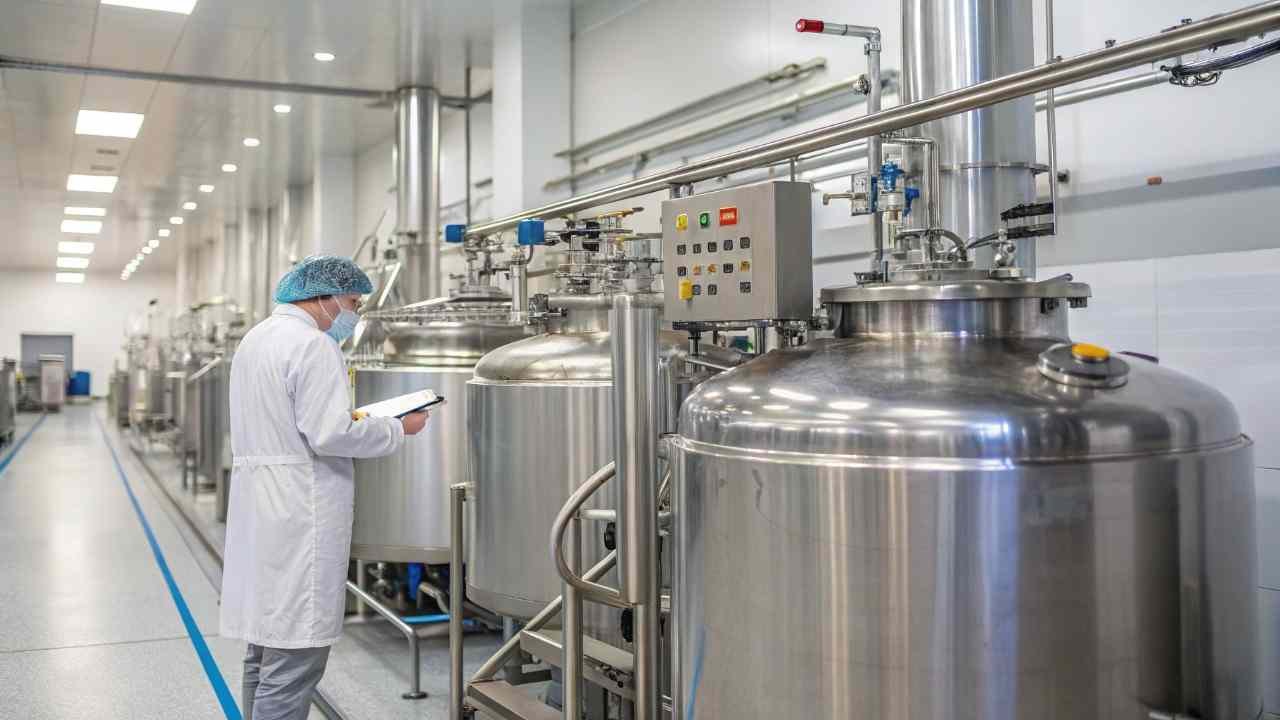
Production technology is critical because modern nitrogen-blanketed crystallization loops, high-vacuum distillation, and microbial fermentation yield higher-purity, vegan-compliant NAC with superior storage stability.
Dive Deeper into Nitrogen-Blanketed Crystallization and Purification Technologies
The chemical synthesis of N-Acetyl-L-Cysteine (NAC) is a highly technical process where even minor variations in operating parameters can drastically alter the purity, yield, and stability of the finished product. To synthesize NAC, L-cysteine is acetylated in an aqueous medium under controlled pH and temperature conditions. Once the reaction is complete, the solution must undergo multi-stage filtration, concentration, and crystallization to isolate the pure NAC crystals.
Because the active sulfhydryl (thiol) group3 on the NAC molecule is highly sensitive to oxygen, exposure to air during the crystallization and drying stages will trigger rapid oxidation, converting the active compound into its inactive dimer, N,N-diacetyl-L-cystine (di-NAC). To prevent this, advanced manufacturers utilize specialized nitrogen-blanketed crystallization loops and high-vacuum rotary dryers. These technologies maintain an oxygen-free environment throughout the purification process, keeping related substances below 0.5% and ensuring a high-purity active assay. Sourcing partners like FINETECH assist buyers by conducting detailed technical audits of Chinese manufacturing lines, verifying that the factories utilize automated closed-loop systems and active nitrogen purging to protect the compound's chemical integrity during production.
| Technology Parameter | Advanced Closed-Loop System | Outdated Batch System | Quality & Availability Impact |
|---|---|---|---|
| Atmosphere Control | Nitrogen-blanketed environment | Open air batch crystallization | Lowers di-NAC impurities below 0.5% |
| Drying System | High-vacuum rotary dryer | Static tray thermal drying | Prevents heat-induced yellowing decay |
| Extraction Method | Automated membrane separation | Manual physical precipitation | Yields consistent high active assays |
| Purification Loop | Closed-loop crystallization | Open container precipitation | Minimizes external particle contaminants |
What Supply Challenges Should Importers Consider When Purchasing N-Acetyl-L-Cysteine (NAC)?
Overlooking environmental emissions controls and strict maritime customs clearances leaves your bulk imports vulnerable to unexpected dock seizures and border holds. Unmanaged logistical threats stall production.
Key supply challenges for NAC buyers include feedstock price volatility, strict chemical wastewater environmental audits in production hubs, ocean transit oxidation risks, and evolving global dietary regulatory frameworks.

Dive Deeper into Environmental Wastewater Compliance and Regulatory Shifts
Procurement managers must identify and manage a variety of complex risks within the NAC supply chain to protect their manufacturing lines from costly disruptions. One of the most significant risks is environmental compliance in manufacturing hubs like China and India. The chemical synthesis and crystallization of amino acid derivatives generate large volumes of highly acidic, sulfur-rich wastewater that carries high chemical oxygen demand (COD)4. To satisfy strict environmental laws, factories must operate complex waste treatment facilities. During regional environmental audits, plants that fail to meet wastewater standards face mandatory capacity reductions or temporary closures, instantly tightening spot supply.
In addition to environmental risks, the global regulatory landscape for NAC has historically experienced significant shifts. For instance, the US FDA's past evaluation of NAC’s status in dietary supplements created temporary market uncertainty and altered import volumes. While the regulatory environment has stabilized, tracking compliance across different regions—such as European REACH registrations5 or local drug authority listings—remains a complex challenge for buyers. Sourcing partners like FINETECH mitigate these regulatory and industrial risks by tracking policy shifts and pre-screening Chinese manufacturers to ensure they maintain complete environmental permits, protecting buyers from sudden supply halts.
| Supply Chain Risk | Primary Impact Point | Operational Sourcing Risk | Buyer Mitigation Strategy |
|---|---|---|---|
| Wastewater Audits | Factory emission systems | Sudden capacity drops or halts | Sourced from green-certified zones |
| Feedstock Volatility | L-Cysteine & sugar markets | Wholesale price hikes on cargo | Use index-linked annual contracts |
| Maritime Transit | Oxygen entry into drums | Heavy oxidation to inactive di-NAC | Require active nitrogen flushing |
| Regulatory Shifts | Changing importing rules | Port delays & customs holdings | Audit REACH & GHS labeling details |
How Can Buyers Build a Reliable N-Acetyl-L-Cysteine (NAC) Supply Network?
Relying strictly on spot-market transactions exposes your commercial formulations to extreme pricing spikes and sudden ingredient shortages. Spot buys inflate budgets. Structuring resilient supply agreements secures consistency.
Buyers can build a reliable supply network by qualifying integrated manufacturers who produce their own L-cysteine, executing index-linked annual frame contracts, and partnering with local sourcing agents.

Dive Deeper into Vertical Integration and Local Sourcing Agents
Securing a reliable, cost-effective supply of N-Acetyl-L-Cysteine (NAC) in a volatile chemical market requires moving from reactive spot purchasing to a structured, proactive sourcing strategy. Because the global NAC market is highly consolidated, relying on a single manufacturing facility exposes your company to extreme supply risks if that factory experiences an environmental halt, raw material shortage, or biological batch failure. To mitigate this vulnerability, buyers must establish a multi-source supplier network, qualifying and approving alternative production facilities across different geographic zones.
Furthermore, negotiating annual volume frame agreements with pricing structures linked to transparent feedstock and energy indexes protects both parties from sudden market shocks. Sharing rolling demand forecasts with the chosen manufacturer also ensures that raw material safety stocks are pre-allocated during peak agricultural seasons. Working with a dedicated local sourcing representative is critical for managing these overseas relationships. Sourcing partners like FINETECH provide this essential local representation in China. They conduct physical audits of fermentation facilities, evaluate batch-to-batch consistency records, and coordinate pre-shipment composite sampling, helping international buyers secure a reliable, high-purity, and highly competitive supply of NAC products.
| Sourcing Agreement | Operational Purchasing Step | Downstream Sourcing Benefit | Sourcing Safety Outcome |
|---|---|---|---|
| Plant Diversification | Approve alternative factories | Eliminates single-source failures | Continuous production stability |
| Integrated Sourcing | Partner with self-cysteine plants | Protects margins from price spikes | Predicable raw material costs |
| Blanket Orders | Lock in volume frame agreements | Pre-allocates factory raw materials | Eliminates peak-season stockouts |
| Local Representation | Partner with firms like FINETECH | Bypasses intermediate trading markups | Direct factory quality audits |
Conclusion
Building a secure global supply network for N-Acetyl-L-Cysteine requires tracking regional manufacturing hubs, monitoring precursor L-cysteine and acetylation chemistry, utilizing nitrogen-blanketed purification technologies, and partnering with local sourcing agents to manage environmental and trade compliance.
-
The FDA's official portal explaining the submission requirements, types, and review guidelines for human Drug Master Files (DMFs). ↩
-
An industry update by the Vegetarian Resource Group (VRG) analyzing the commercial production, labeling, and raw material sourcing of fermentation-derived L-cysteine. ↩
-
An educational chemistry guide by Chemistry Steps detailing the core reactions of thiols, covering nucleophilicity, acidity, and oxidation to disulfides. ↩
-
A comprehensive water quality guide from Hach outlining what Chemical Oxygen Demand (COD) measures, why it is monitored, and how to test for it in municipal and industrial wastewater. ↩
-
An overview from the European Chemicals Agency (ECHA) explaining the scope, requirements, and compliance processes of the REACH regulation for importers of chemicals. ↩