
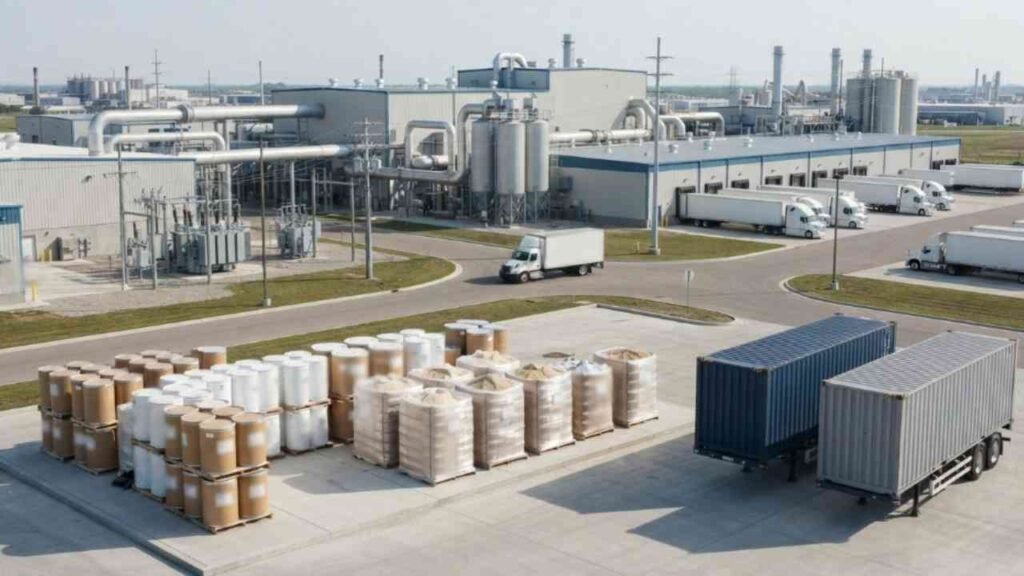
Unexpected raw material shortages in the Vitamin B series disrupt production schedules and inflate product manufacturing costs. Sourcing without real-time market data creates supply line risks. Examining supply trends resolves this uncertainty.
The global supply of the Vitamin B series is highly consolidated, with China producing approximately 80% of the world's raw materials. While production capacity is generally sufficient, regional energy policies, factory maintenance, and environmental audits cause periodic price fluctuations.
B2B procurement operations require continuous supply monitoring and analytical verification of active raw ingredients. Strategic food and feed buyers rely on objective market information to plan their inventory cycles. Sourcing partners like FINETECH simplify factory selection and quality oversight to protect buyer margins. This analysis provides an objective overview of the global Vitamin B series supply chain.
What Are the Main Production Sources of Vitamin B Series?
Relying on generic suppliers without verifying the exact synthesis methods leads to inconsistent ingredient grades. Poor raw material quality compromises formulation results. Identifying primary manufacturing sources prevents performance failures.
The main production sources of the Vitamin B series involve chemical synthesis for B1, B3, B5, and B6, and microbial fermentation for B2 and B12. Production is heavily concentrated in East China and established European hubs.
Dive Deeper into Raw Precursors and Synthesis Methods
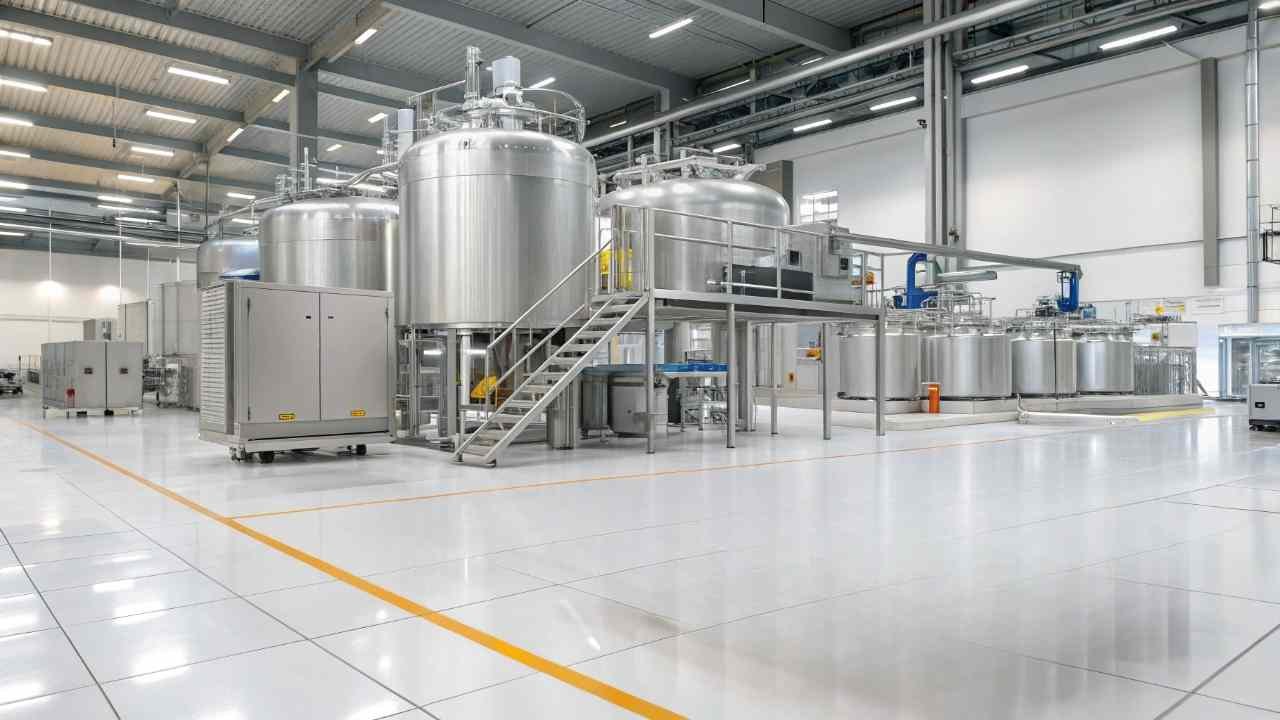
Understanding the chemical manufacturing pathways is vital for securing consistent quality. The Vitamin B complex is split into chemically synthesized and bio-fermented categories. For instance, Vitamin B1 (thiamine) and Vitamin B6 (pyridoxine) are produced through multi-step organic chemical synthesis. These pathways require specific chemical intermediate precursors. Similarly, Vitamin B3 (niacin and niacinamide) relies heavily on picoline as a key starting material. Any disruption in the supply of these basic chemical building blocks immediately halts global vitamin synthesis.
In contrast, Vitamin B2 (riboflavin) and Vitamin B12 (cobalamin) are manufactured using advanced microbial fermentation1. This process involves cultivating specific bacterial strains in nutrient-rich media. It requires precise temperature, sterile conditions, and high electricity inputs to run the fermentation tanks. While Chinese facilities dominate high-volume fermentation, European suppliers maintain an active presence. For example, EUROAPI in France and HTBA in Spain are notable European producers of pharmaceutical-grade Vitamin B12. Sourcing managers must evaluate the production capabilities of both chemical synthesis and fermentation facilities. This evaluation ensures that the sourced vitamin grade aligns with the target application, whether it is standard animal feed or high-purity pharmaceutical formulations.
| Vitamin Type | Production Method | Primary Precursor/Medium | Key Regional Strength |
|---|---|---|---|
| Vitamin B1 (Thiamine) | Chemical Synthesis | Acrylonitrile / Amidine | High volume scaling in China |
| Vitamin B2 (Riboflavin) | Microbial Fermentation | Glucose / Yeast extract | Advanced fermentation in China |
| Vitamin B3 (Niacinamide) | Chemical Synthesis | 3-Methylpyridine (Picoline) | Fully integrated supply chains |
| Vitamin B12 (Cobalamin) | Microbial Fermentation | Cobalt salts / Sucrose | High-purity European API plants |
Which Countries Export the Most Vitamin B Series?
Sourcing from countries with fragile logistics networks risks late shipments and port demurrage charges. Concentrated export hubs create regional supply risks. Evaluating top exporting countries secures transport routes.
China is the largest exporter of the Vitamin B series, controlling over 75% of global trade volume. India is emerging as a competitive alternative, while European nations like Germany, France, and Spain specialize in exporting high-value pharmaceutical-grade variants.
Dive Deeper into Global Export Channels
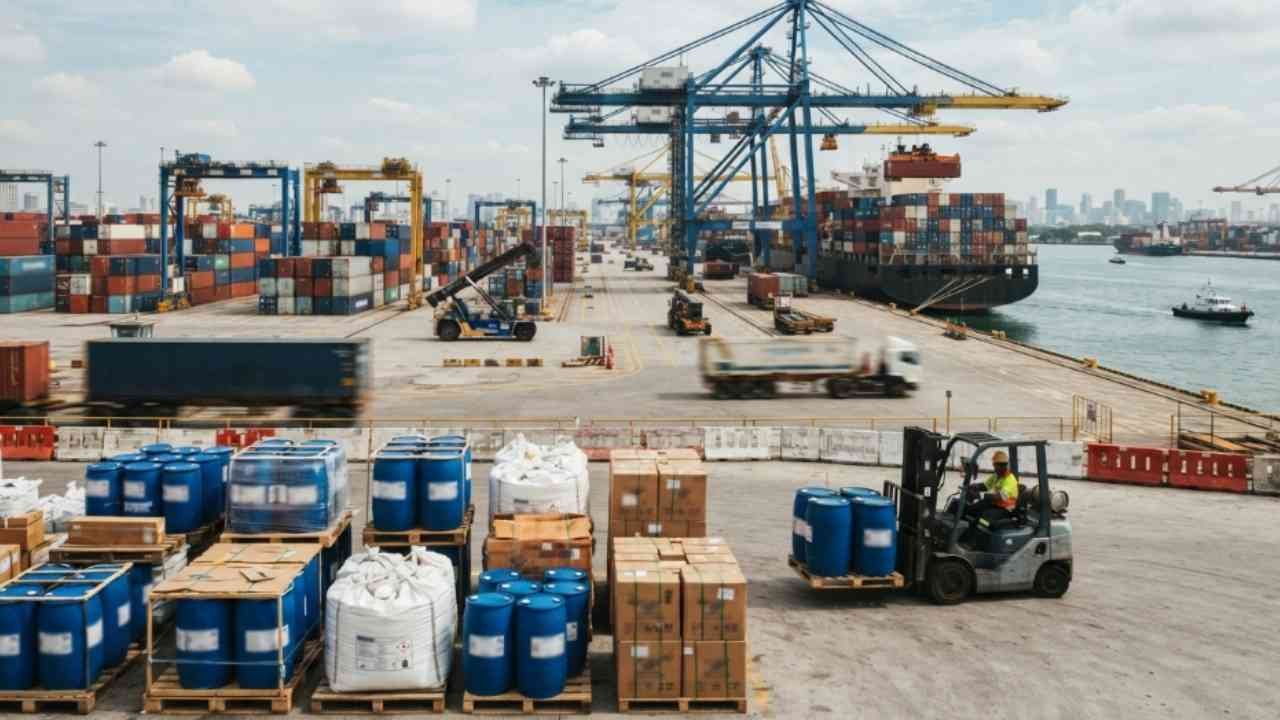
The global export landscape of the Vitamin B series reveals a high geographic concentration. China remains the dominant exporter of bulk raw materials due to its mature infrastructure and massive economies of scale. Major Chinese chemical manufacturing clusters in Zhejiang, Hebei, and Hubei provinces process and ship thousands of tons of B-vitamins monthly. These products supply the global feed, food fortification, and pharmaceutical premix industries. The efficient domestic supply chain allows Chinese exporters to offer competitive wholesale pricing.
Meanwhile, India is steadily expanding its footprint in the chemical ingredient market. Indian suppliers are building modern GMP-compliant facilities to manufacture active pharmaceutical ingredients2 (APIs), including Vitamin B complexes. This growth provides a valuable alternative for buyers seeking to diversify their country-of-origin risks. On the high-end side, European exporters like France, Spain, and Germany command strong market shares for specialty grades. These European plants focus on high-purity, active, and bioavailable forms such as methylcobalamin and active folates. Sourcing teams like FINETECH analyze these export flows. This analysis helps wholesale buyers select the most appropriate export origin to match local customs regulations and budget requirements.
| Export Country | Approximate Volume Share | Specialized Grades | Key Trade Port |
|---|---|---|---|
| China | 75% - 80% | Feed and food-grade bulk | Shanghai / Ningbo |
| India | 5% - 10% | Active Pharmaceutical (API) | Mumbai (Nhava Sheva) |
| France | < 5% | Pharma-grade Vitamin B12 | Le Havre |
| Spain | < 5% | Specialized active B-complex | Barcelona |
What Factors Affect Vitamin B Series Supply Stability?
Sudden factory closures and power rationing can catch you unprepared, causing immediate ingredient shortages. Unstable supply lines threaten production continuity. Monitoring key supply factors prevents operational downtime.
Vitamin B series supply stability is primarily affected by Chinese environmental regulations, European energy costs, raw precursor availability, and international shipping logistics. Fluctuations in any of these areas can quickly reduce global inventory levels.
Dive Deeper into Chemical and Fermentation Risks
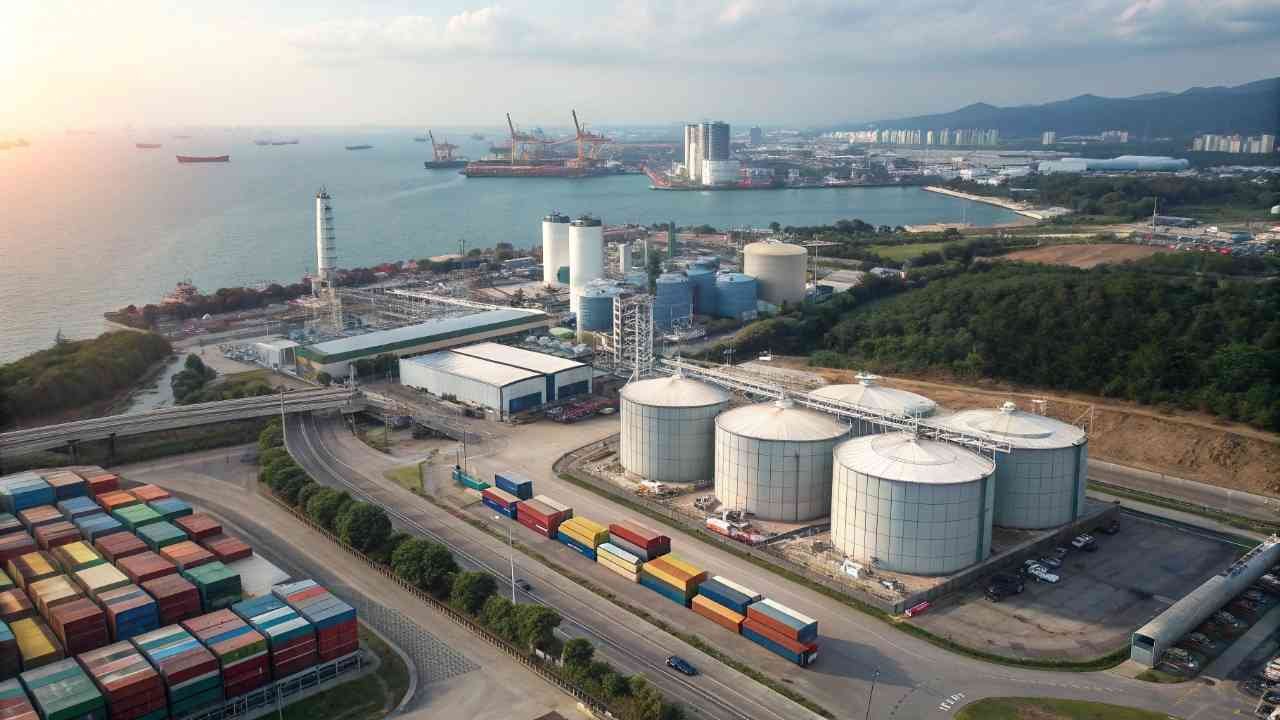
Securing a continuous supply of Vitamin B ingredients requires analyzing the specific vulnerabilities of the production process. The first factor is environmental oversight in China. Because chemical synthesis produces significant waste, Chinese factories face strict environmental audits. During national inspection periods or local pollution alerts, factories must reduce operating rates or halt production entirely. This sudden reduction in output can cause global spot prices to spike.
The second factor is the cost of energy. Microbial fermentation used for Vitamin B2 and B12 is highly energy-intensive. Fermentation tanks must be kept under constant temperature control and aerated continuously. Spikes in electricity or natural gas prices, particularly in Europe, inflate production costs and force plants to adjust their output. Finally, transport logistics represent a major risk. Even if factories run smoothly, shipping delays or container shortages can delay arrivals in key markets. Sourcing partners like FINETECH manage these risks by keeping safety stocks and choosing carriers with direct shipping routes. This proactive approach ensures that wholesale buyers receive their orders on schedule, even during periods of global logistics volatility.
| Supply Risk Factor | Impact on Manufacturing | Mitigation Sourcing Strategy | Monitoring Method |
|---|---|---|---|
| Environmental Audits | Temporary Chinese factory shutdowns | Keep 2-3 months of safety stock | Track local environmental policy updates |
| Energy Price Spikes | Raises European fermentation costs | Shifting orders to lower-cost regions | Monitor European natural gas prices |
| Precursor Shortages | Halts chemical synthesis lines | Establish multi-source agreements | Track chemical intermediate market reports |
| Shipping Bottlenecks | Port delays and high freight costs | Choose carriers with direct routes | Monitor global container index rates |
How Has Demand Influenced the Vitamin B Series Market?
Rapidly shifting consumer preferences can leave you with outdated ingredient stocks or missed market opportunities. Unprepared brands lose market share. Analyzing global demand trends aligns product development.
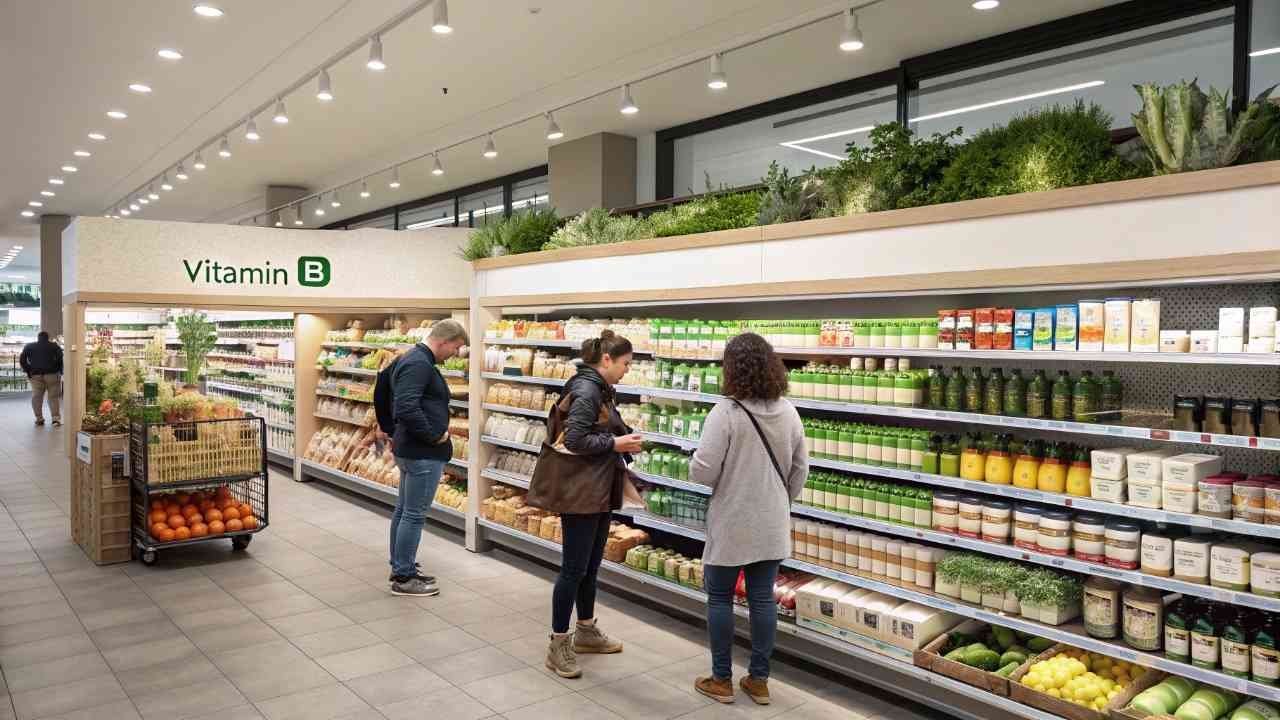
The Vitamin B series market is driven by expanding food fortification programs, rising consumer awareness of cognitive health, and the growing popularity of plant-based diets, which has significantly increased the demand for Vitamin B12 and active B-complex variants.
Dive Deeper into Evolving Nutritional Requirements
The global demand for the Vitamin B series is experiencing steady growth, projected at a compound annual growth rate3 of over five percent. This expansion is driven by several key market sectors. First, mandatory and voluntary food fortification programs are expanding in emerging economies across the Asia Pacific and Africa. Health ministries are utilizing B-vitamins like B1, B3, and B9 to enrich staple foods like rice, flour, and cereals. This public health focus ensures consistent, high-volume bulk demand for raw ingredients.
Second, changing consumer dietary habits are altering demand patterns. The rise of veganism and vegetarianism has created a surge in demand for Vitamin B12, since this nutrient is not naturally present in plant foods. Food brands are fortifying plant-based milk alternatives, meat substitutes, and energy bars with active B12 forms. Additionally, there is a clear trend toward highly bioavailable and active vitamin forms. Rather than standard synthetic forms, premium brands are requesting ingredients like methylcobalamin4 and pyridoxal-5-phosphate5. Sourcing teams like FINETECH help B2B buyers navigate these changing requirements. They supply both standard bulk grades for feed applications and advanced active grades for premium dietary supplements.
| Demand Driver | Primary Affected Vitamin | Target Application | Preferred Chemical Form |
|---|---|---|---|
| Food Fortification | B1 (Thiamine), B9 (Folic Acid) | Fortified flours and cereals | Thiamine mononitrate, Folic acid |
| Plant-Based Diets | B12 (Cobalamin) | Dairy and meat alternatives | Cyanocobalamin / Methylcobalamin |
| Cognitive Wellness | B6 (Pyridoxine), B12 | Energy drinks & brain supplements | Pyridoxal-5-phosphate, Active B12 |
| Animal Nutrition | B2 (Riboflavin), B5 | Commercial livestock feeds | Feed-grade Riboflavin, Cal-Pan |
How Can Buyers Secure a Stable Vitamin B Series Supply?
Relying on spot-market purchases during sudden supply drops forces your business to pay premium prices. Late shipments halt your production. Establishing a strategic procurement plan protects your operations.
Buyers can secure a stable Vitamin B series supply by working with verified multi-regional suppliers, maintaining buffer safety stocks, establishing long-term contract agreements, and partnering with experienced sourcing agencies that provide real-time market intelligence.
Dive Deeper into Strategic Procurement Practices
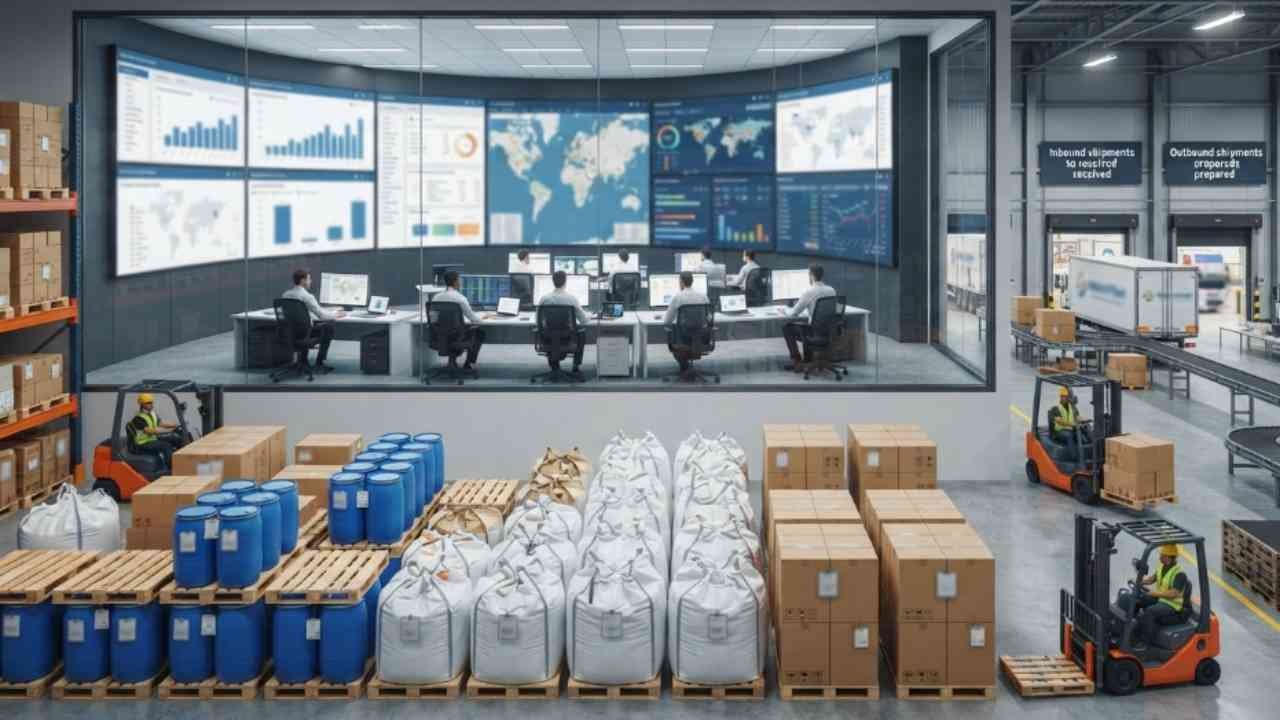
Securing a stable raw material pipeline in a highly concentrated market requires a proactive procurement strategy. Sourcing managers should avoid relying on a single manufacturing facility or region. Instead, they must establish relationships with suppliers in both China and alternative export hubs. This multi-sourcing model ensures that if one factory faces an environmental shutdown or a technical failure, backup suppliers are ready to fulfill the orders.
Additionally, buyers should move away from pure spot-market buying, which leaves them vulnerable to sudden price spikes. Negotiating long-term or quarterly contract agreements with trusted suppliers provides price stability and guaranteed allocation during shortages. Sourcing partners like FINETECH help B2B buyers execute this strategy smoothly. They select reliable factories, oversee production, guarantee strict quality controls, and offer low MOQs. This support allows buyers to build up a safety buffer stock of two to three months of production needs without locking up excessive operating capital. This combined approach keeps your raw material costs predictable and your manufacturing lines running without interruption.
| Procurement Practice | Specific Requirement | Operational Benefit | Implementation Action |
|---|---|---|---|
| Multi-Source Sourcing | Register vendors in different regions | Eliminates single-country import risk | Audit suppliers in both China and India |
| Long-Term Contracts | Fixed-price quarterly agreements | Protects against spot-market spikes | Secure annual allocation commitments |
| Buffer Safety Stock | Maintain 2-3 months of inventory | Prevents shipping-delay shutdowns | Adjust warehouse reorder thresholds |
| Partner Sourcing | Work with agencies like FINETECH | Simplifies audits and low MOQ | Consolidate vitamin and additive orders |
Conclusion
The Vitamin B supply chain is highly concentrated but manageable. Strategic multi-regional sourcing and maintaining safety stocks protect your production lines from market volatility.
-
Frontiers in Bioengineering and Biotechnology – Scientific review focusing on microbial cell factories and synthetic biology approaches for the green fermentation and production of B vitamins. ↩
-
World Health Organization (WHO) – Official guide detailing the prequalification procedures, standards, and regulatory expectations for active pharmaceutical ingredients (APIs). ↩
-
Investopedia – Standard economic and financial glossary detailing the calculation, applications, and contextual utility of the compound annual growth rate (CAGR). ↩
-
PubMed Central (PMC) – Clinical review discussing the absorption, metabolism, physiological pathways, and efficacy profiles of various natural cobalamin supplements like methylcobalamin. ↩
-
European Food Safety Authority (EFSA) – Authoritative scientific opinion on Dietary Reference Values for Vitamin B6, outlining the chemical structure, metabolism, and safety of pyridoxal-5'-phosphate. ↩