
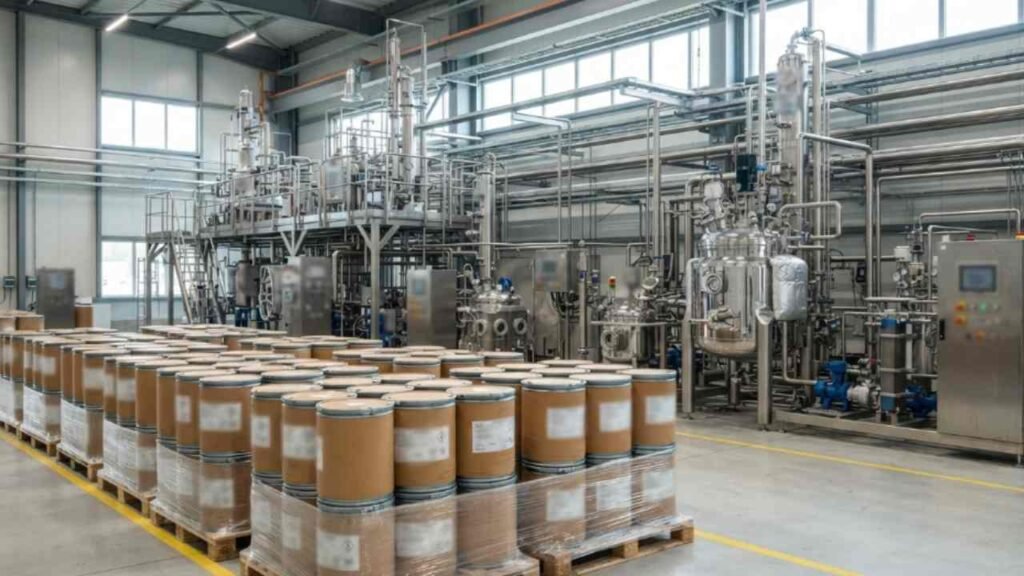
Inconsistent ingredient volumes and sudden price surges delay critical production cycles and shrink manufacturing profits. Operating without reliable market intelligence leaves companies exposed. Strategic supply analysis solves this uncertainty.
The global supply of the Vitamin C series and ascorbates is highly consolidated, with China controlling approximately 80% to 90% of total manufacturing capacity. Following periods of severe oversupply, the market in 2026 is stabilizing as producers focus on production discipline and value-over-volume pricing.
Successful chemical procurement operations depend on securing stable volume allocations and competitive pricing. Importers must understand the industrial landscape to optimize their procurement pipelines. Sourcing partners like FINETECH simplify factory selection and quality oversight directly in China, protecting B2B margins. This comprehensive guide outlines the current global supply situation for the Vitamin C series.
What Are the Main Production Sources of Vitamin C Series & Ascorbates?
Relying on synthetic ingredients without understanding their raw material pathways leaves buyers vulnerable to upstream agricultural shocks. Neglecting feedstock trends risks supply halts. Analyzing production sources protects procurement pipelines.
The Vitamin C series and ascorbates are primarily produced through a modern, two-step fermentation process that utilizes D-glucose derived from corn starch as the main raw feedstock. This biological synthesis is highly cost-effective and generates high-yield, bio-compatible ascorbic acid.
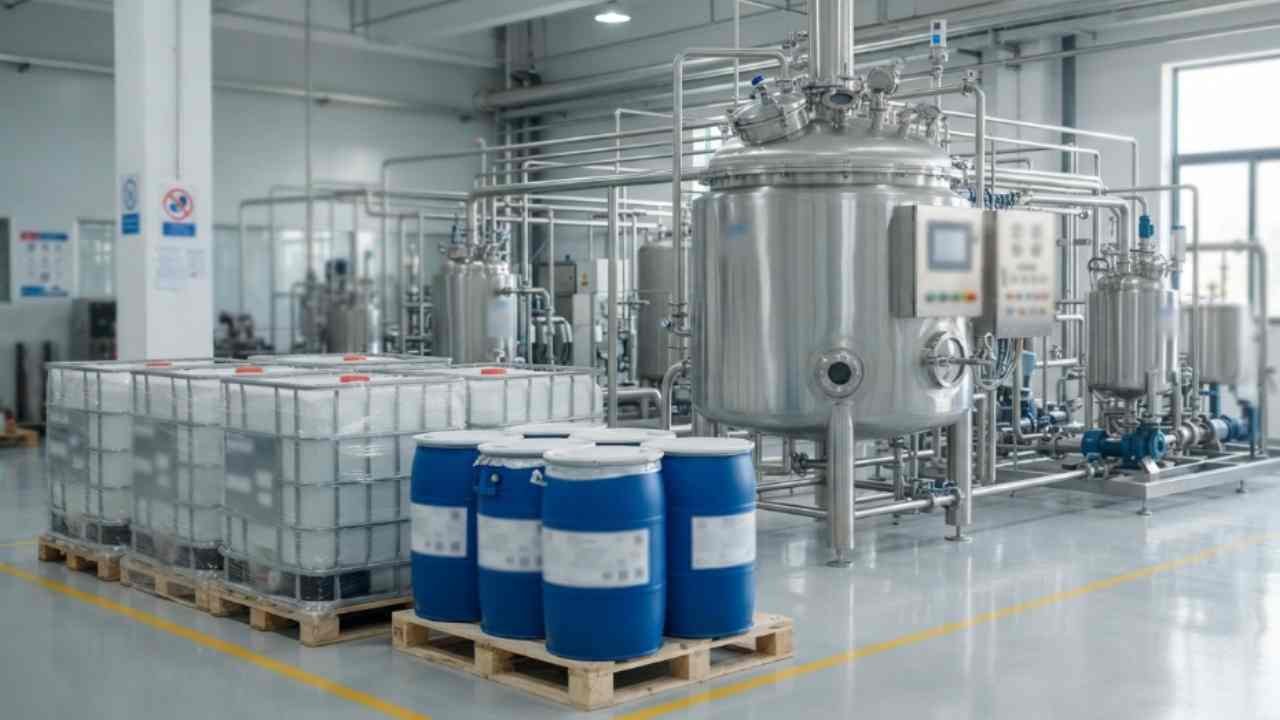
Dive Deeper into Fermentation and Synthesis Pathways
The industrial manufacturing of Vitamin C and its derivative ascorbates relies on advanced biotechnology rather than basic chemical synthesis. The dominant method is a modified two-step fermentation process, which has replaced older, more expensive chemical techniques. This biological pathway uses D-glucose as the starting material. Glucose is obtained by processing domestic corn starch. In the first step, specialized microbial strains ferment glucose to produce intermediate chemicals like sorbitol and L-sorbose. The second step utilizes bio-catalytic processes to convert these intermediates into 2-keto-L-gulonic acid, which is then converted into final L-ascorbic acid.
Ascorbates, such as sodium ascorbate, calcium ascorbate, and ascorbyl palmitate, are produced by reacting ascorbic acid with specific alkaline compounds or fatty acids. Because corn starch is the foundational feedstock, the overall cost of Vitamin C is highly sensitive to agricultural market trends. For instance, global corn price volatility1 directly impacts the operating margins of fermentation facilities. Understanding this agricultural connection allows procurement managers to anticipate price shifts. Sourcing partners like FINETECH monitor these upstream agricultural costs in China. This proactive monitoring ensures that buyers can negotiate stable contracts with factories before corn starch fluctuations alter final product pricing.
| Finished Derivative | Production Reaction Method | Core Upstream Feedstock | Primary Industrial Application |
|---|---|---|---|
| L-Ascorbic Acid | Two-step fermentation pathway | D-Glucose (Corn Starch) | Food preservation and supplements |
| Sodium Ascorbate | Ascorbic acid + sodium bicarbonate | L-ascorbic acid | Low-acid antioxidant systems |
| Calcium Ascorbate | Ascorbic acid + calcium carbonate | L-ascorbic acid | Gentle-on-stomach mineral pills |
| Ascorbyl Palmitate | Esterification with palmitic acid | L-ascorbic acid | Fat-soluble antioxidant blends |
Which Countries Dominate the Vitamin C Series & Ascorbates Supply Market?
Relying on regionally isolated suppliers often leads to severe volume deficits during global trade blockades. Geographic concentration threatens purchasing security. Identifying dominant manufacturing regions stabilizes supply routes.
China dominates the global Vitamin C and ascorbate supply market, controlling over 80% to 90% of total manufacturing capacity. High-volume export production is centered in China, while a Western premium tier serves specialized pharmaceutical and cosmetic applications.
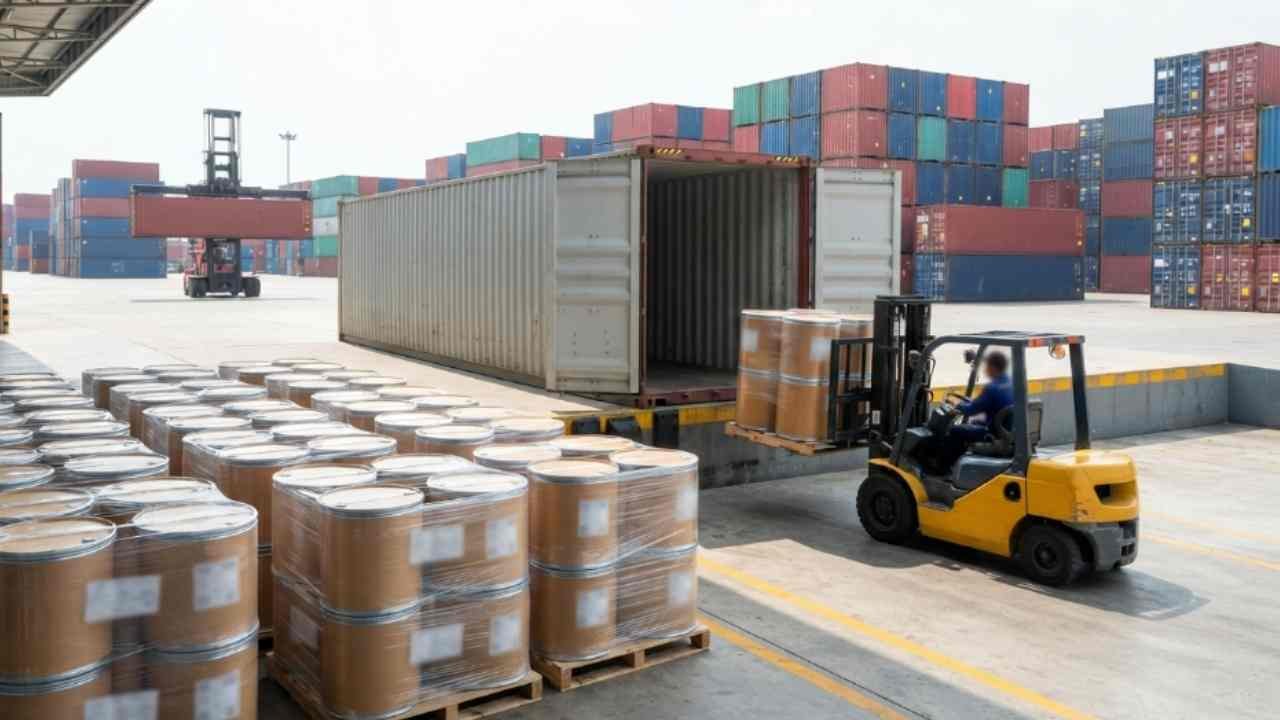
Dive Deeper into Geographic Concentration and Trade Flows
The global supply of Vitamin C exhibits an extreme level of geographic consolidation. Chinese manufacturers control nearly ninety percent of global bulk capacity, making China the absolute anchor of the international market. Major production clusters are located in Hebei, Shandong, and Jiangsu provinces, where factories leverage advanced industrial zones and integrated logistics. In contrast, Western manufacturing has declined significantly over the past two decades due to high utility costs and strict environmental compliance barriers. Europe maintains minimal local production, leaving Western markets highly dependent on Chinese imports.
In 2024, a major structural shift occurred when DSM-Firmenich2 divested its entire stake in its Jiangshan, China plant to a local health technology firm, Jingjiang Cosfocus. This transaction accelerated a bifurcation in the market. While China remains the dominant supplier of high-volume commodity-grade Vitamin C, Western facilities, such as the premium Quali-C facility in Dalry, Scotland, focus on high-cost, certified grades for pharmaceuticals and cosmetics. Understanding this structural division is critical for international buyers. Sourcing partners like FINETECH help B2B buyers navigate this consolidated market by auditing major Chinese facilities to find the most cost-effective, certified export partners.
| Sourcing Country | Estimated Global Capacity | Primary Grade Focus | Regional Sourcing Risk |
|---|---|---|---|
| China | 80% to 90% of global total | Food, Feed, and Pharma grades | Local policy and power rationing |
| United Kingdom (Scotland) | Small specialized capacity | Premium pharma and Quali-C | High production and energy costs |
| India | Minor regional formulation | Local dietary supplements | Highly dependent on Chinese inputs |
| Other Regions | Negligible bulk output | Specialized niche applications | Limited cargo volume availability |
What Factors Affect Global Supply Stability of Vitamin C Series & Ascorbates?
Sudden factory closures and raw feedstock spikes catch procurement managers unprepared, leading to inventory shortages and high spot costs. Unmanaged supply threats hurt operations. Examining stability drivers prevents disruptions.
Global supply stability for the Vitamin C series is affected by Chinese environmental policies, fluctuating corn starch feedstock costs, energy price volatility, and ocean freight bottlenecks, which can restrict material flow and cause sudden price hikes.
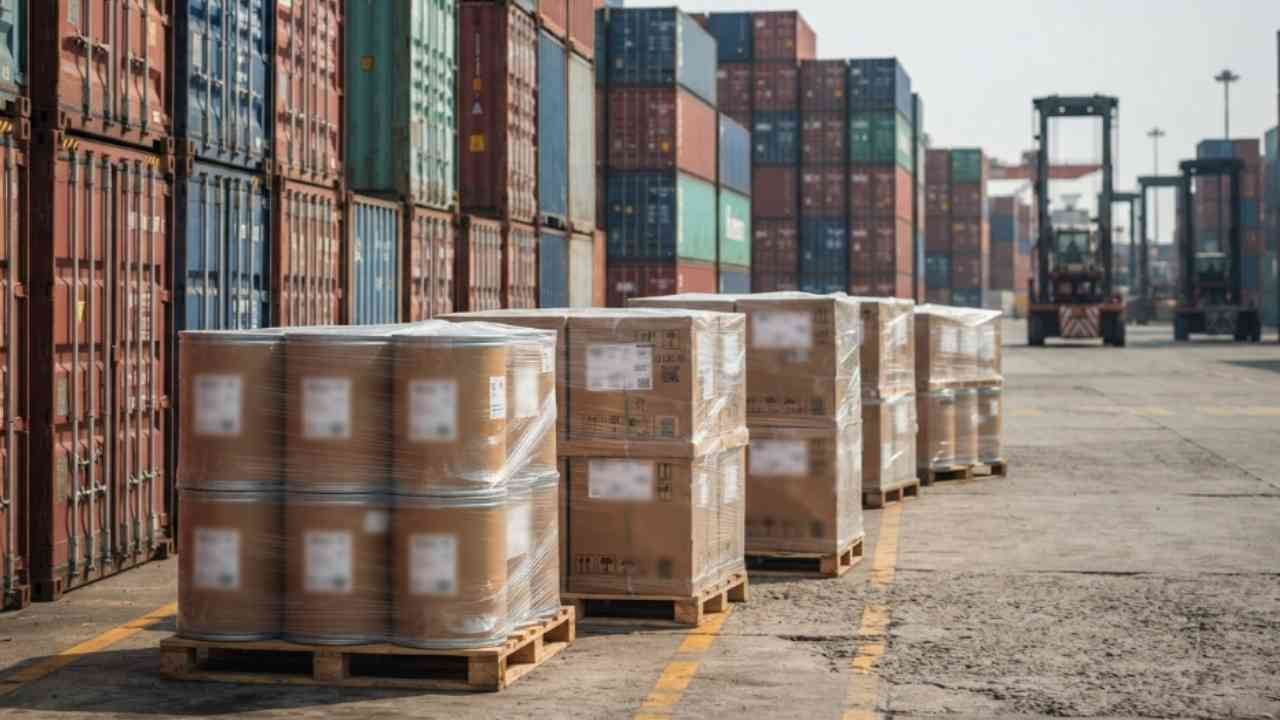
Dive Deeper into Market Disruption Variables
The highly concentrated nature of the Vitamin C market means that small disruptions at major facilities can trigger global shortages. The first critical factor is environmental policy3 in China. Because fermentation and chemical refining release industrial wastewater, local governments enforce strict emission checks. During regional inspections, factories must reduce operating rates or halt production until they upgrade their treatment systems. These environmental shutdowns can instantly remove thousands of tons of supply from the global pipeline.
The second factor is feedstock volatility. Corn starch prices in China increased by over nine percent between 2022 and 2024 due to agricultural shifts and high fertilizer costs. Since glucose is the primary input for fermentation, these agricultural spikes directly squeeze manufacturer margins. This squeeze forces plants to coordinate maintenance shutdowns to limit supply and protect pricing. Finally, international shipping disruptions, such as port congestion or container shortages, delay delivery times to North America and Europe. Sourcing partners like FINETECH manage these stability risks by tracking regional factory operating rates and securing backup supply allocations. This active oversight prevents buyers from facing sudden shipment delays.
| Stability Variable | Primary Disruption Mechanism | Sourcing Severity | Preventive Buyer Action |
|---|---|---|---|
| Environmental Policy | Regional inspections force shutdowns | High | Register backup factories in different provinces |
| Feedstock Costs | Corn starch price hikes raise margins | Medium | Monitor Chinese agricultural crop reports |
| Logistics Bottlenecks | Container deficits and route changes | Medium to High | Keep a 3-month safety stock at local ports |
| Energy Pricing | Utility rate spikes limit output | Medium | Transition to coal-integrated power regions |
How Is Production Capacity Changing for Vitamin C Series & Ascorbates?
Overlooking long-term capacity changes leads to purchasing raw materials during periods of severe oversupply or tight shortages. Unaware buyers suffer financial losses. Tracking capacity shifts secures buying windows.
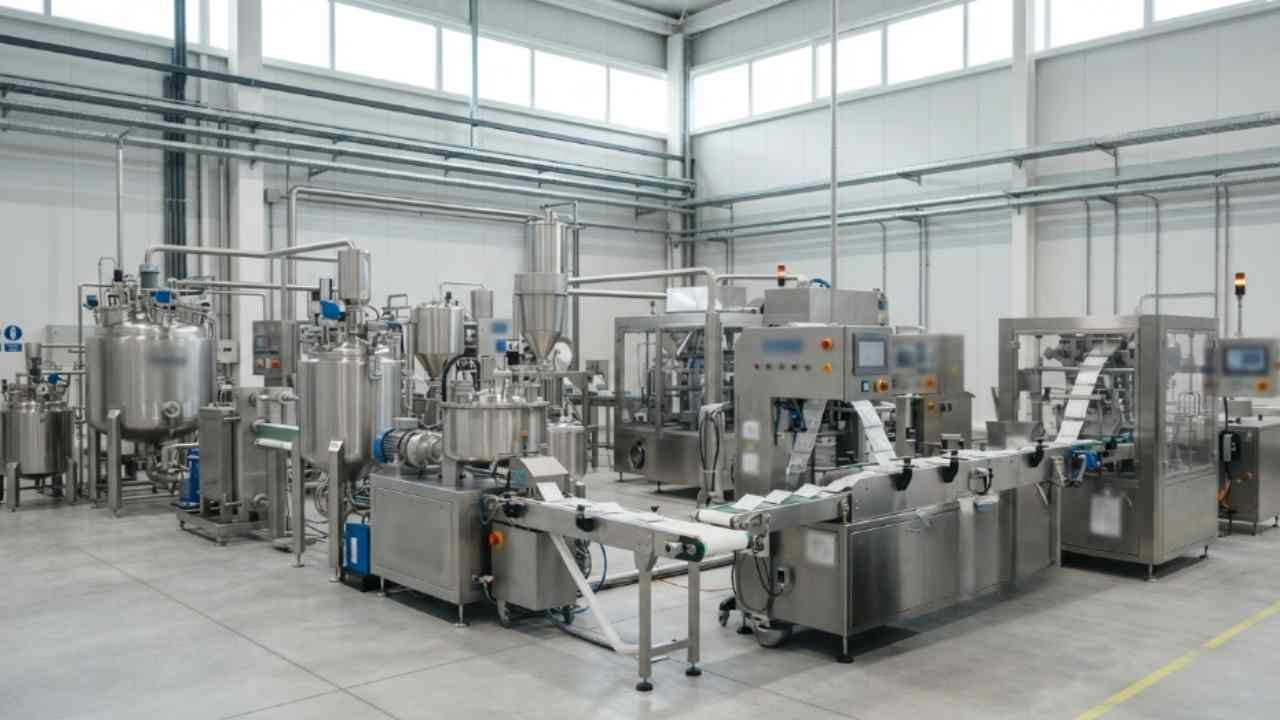
Production capacity is shifting from intense overcapacity to a disciplined, value-over-volume model in 2026. Top manufacturers are limiting output and upgrading existing facilities to stabilize prices and satisfy rising demand for high-purity pharmaceutical-grade ascorbates.
Dive Deeper into Capacity Restructuring and Modernization
For several years, the global Vitamin C market was characterized by severe structural overcapacity4, with global production potential exceeding three hundred thousand tons annually. This oversupply kept prices at historically low levels, forcing several smaller factories to close. However, entering 2026, the global capacity landscape is undergoing significant restructuring. Major Chinese producers are shifting their strategies from volume competition to strict market discipline. Rather than running plants at maximum capacity, top firms are adjusting output to match actual international demand, stabilizing export rates.
Additionally, modern capacity changes focus on brownfield expansions and technological upgrades rather than building new factories. Companies like CSPC and NHU are investing in advanced biocatalytic research and automated fermentation lines to optimize yields and lower emissions. This modernization improves quality control and satisfies the growing demand for premium, low-heavy-metal ascorbates. These premium grades are highly sought after by functional food and cosmetic brands. Sourcing teams like FINETECH keep buyers informed of these capacity adjustments. Tracking these facility upgrades helps B2B buyers purchase fresh, high-purity ingredients directly from optimized factories before seasonal maintenance schedules tighten global availability.
| Manufacturer | Estimated Capacity (t/year) | Strategic Plant Focus | Sourcing Recommendation |
|---|---|---|---|
| CSPC Pharma | ~80,000 | Volume leadership & automated lines | Secure long-term bulk food-grade deals |
| Zhejiang NHU | ~45,000 | High-yield bio-catalytic research | Audit for premium supplement formulations |
| Shandong Luwei | ~35,000 | Low-cost export food/feed grades | Utilize for price-sensitive feed blends |
| Northeast Pharma | ~25,000 | Peptide-integrated pharma grades | Focus on strict USP/EP pharmacopeia lines |
How Can Buyers Secure Stable Supply of Vitamin C Series & Ascorbates?
Working with unreliable brokers leads to sudden contract cancellations and receiving low-purity vitamin batches that fail customs. Bad sourcing compromises brand safety. Applying strict security steps protects shipments.
Buyers can secure a stable supply by implementing a multi-sourcing strategy across different provinces, using long-term contracts to hedge against spot price spikes, maintaining local buffer safety stocks, and partnering with experienced local sourcing experts like FINETECH.

Dive Deeper into Strategic Procurement Frameworks
Operating in a highly concentrated market like the Vitamin C series requires a systematic risk-mitigation framework. Buyers must avoid relying on a single factory or import broker. A resilient procurement strategy uses a multi-sourcing model that registers at least two approved manufacturers in different Chinese provinces. This geographic split ensures that if a localized power rationing policy or environmental inspection halts production in Hebei, a backup plant in Shandong can fulfill the order. This approach prevents costly assembly line shutdowns.
Second, buyers should secure quarterly or annual fixed-volume contracts. These agreements shield businesses from sudden spot market surges during winter factory shutdowns. Sourcing partners like FINETECH simplify this process for international buyers. They conduct in-person audits of Chinese factories, inspect laboratory testing logs (HPLC/GC), verify international certificates (FSSC 220005, Kosher, Halal), and oversee pre-shipment quality checks. Partnering with a dedicated sourcing team allows B2B buyers to secure competitive pricing with low MOQs and mixed-container shipping. This support ensures that your business receives fresh, high-barrier packaged material on schedule, maintaining supply chain continuity even during periods of high global market volatility.
| Security Element | Specific Requirement | Operational Value | Sourcing Implementation Action |
|---|---|---|---|
| Multi-Sourcing | Register 2+ regional factories | Prevents local shutdown stops | Approve alternate plants in different provinces |
| Contract Locking | Annual fixed-volume deals | Protects budgets from spot spikes | Negotiate contracts during Q2/Q3 low seasons |
| Quality Auditing | HPLC assays and FSSC 22000 | Guarantees import compliance | Request batch-specific COAs before loading |
| Sourcing Experts | Work with partners like FINETECH | Handles factory audits & low MOQ | Consolidate purchases with local specialists |
Conclusion
Securing a stable Vitamin C supply requires geographic diversification and strict quality audits. Partnering with a dedicated sourcing team keeps your global import pipeline safe, compliant, and cost-effective.
-
Food and Agriculture Organization (FAO) – GIEWS portal monitoring global agricultural commodity price indexes, providing early warning systems on corn price volatility. ↩
-
FoodBev Media – Independent industry news report detailing DSM-Firmenich's successful sale and transfer of its Jiangshan vitamin C plant to Jingjiang Cosfocus on March 8, 2024. ↩
-
International Trade Administration (ITA) – Country Commercial Guide for China detailing regional environmental policy targets, waste recycling initiatives, and wastewater treatment goals in the 14th Five-Year Plan. ↩
-
Rhodium Group – In-depth research analysis examining China's industrial policies and their contribution to global structural overcapacity and pricing dynamics in sectors such as Vitamin C. ↩
-
Foundation FSSC – Official scheme documentation explaining the food safety management standards, Global Food Safety Initiative (GFSI) benchmarks, and requirements of FSSC 22000 certification. ↩