
Unstable Vitamin B3 prices ruin your budget and profit margins. This volatility makes planning difficult. I help you track price trends so you can buy at the right time.
The current price trend of Vitamin B3 (Niacin) is showing moderate volatility due to fluctuating raw material costs in China. Prices typically range from $5.00 to $9.00 per kg. Key drivers include 3-picoline availability, energy costs, and global demand from the animal feed and food sectors.
I want to explain the technical facts behind B3 pricing to help you secure the best wholesale deals.
What Drives Vitamin B3 (Niacin) Price Fluctuations?
Price spikes catch you off guard and drain your capital. This uncertainty stops you from making long-term sales plans. I explain the main drivers to give you clarity and confidence.
Price fluctuations are driven by three main factors: raw material supply in China, environmental policies, and energy costs. When factory output drops due to government audits or power limits, global supply tightens. This leads to immediate price increases in the international wholesale market.
Supply Side Dynamics and Chinese Policy
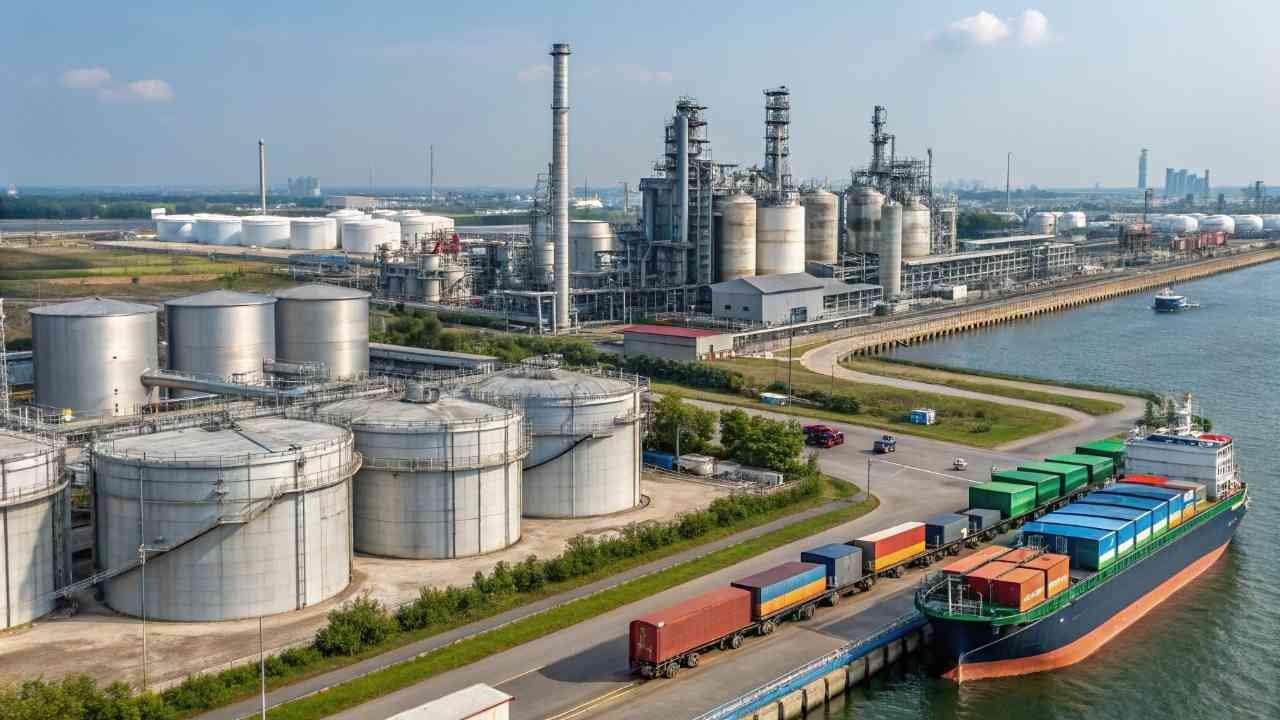
I see that China produces over 60% of the world's Vitamin B3. This means any change in Chinese policy affects your price. The government often performs environmental audits in provinces like Hubei and Jiangsu. During these audits, factories must reduce their output or stop production entirely. This lowers the total supply in the market. When supply is low and demand stays high, the price goes up fast. I monitor these policy shifts daily. I tell my buyers1 when a shutdown is coming so they can buy stock before the price rises. This proactive approach is how I protect your budget from sudden market shocks.
Energy costs are another technical factor. The chemical synthesis of Niacinamide requires a lot of electricity and steam. If coal or gas prices rise in China, the factories pass these costs to you. Also, some regions have power limits during the summer or winter. These limits slow down production lines. I visit our partner factories to check their energy stability. Factories with their own power plants or stable energy contracts offer more consistent pricing. I help you choose these reliable sources to avoid the "peak season" price hikes that hurt other traders.
Market Driver Impact Analysis
| Price Driver | Trend Direction | Impact Level | Reason |
|---|---|---|---|
| Env. Audits | Upward | High | Reduced factory output |
| Energy Prices | Upward | Moderate | Higher production costs |
| Export Tax | Upward | Low | Policy changes in China |
| Global Logistics | Downward | Moderate | Lower shipping rates |
| Currency (USD/CNY) | Variable | Moderate | Exchange rate shifts |
How Do Raw Materials Influence Vitamin B3 (Niacin) Costs?
Rising chemical costs in China raise your vitamin prices overnight. This lack of control hurts your bottom line. I show you the link between raw materials and your final costs.
The cost of 3-picoline is the primary driver for Vitamin B3 prices. This chemical is a byproduct of pyridine production. Shortages in 3-picoline or price hikes in ammonia and nitric acid directly increase the manufacturing cost for Niacin and Niacinamide at the factory level.
The 3-Picoline and Pyridine Connection
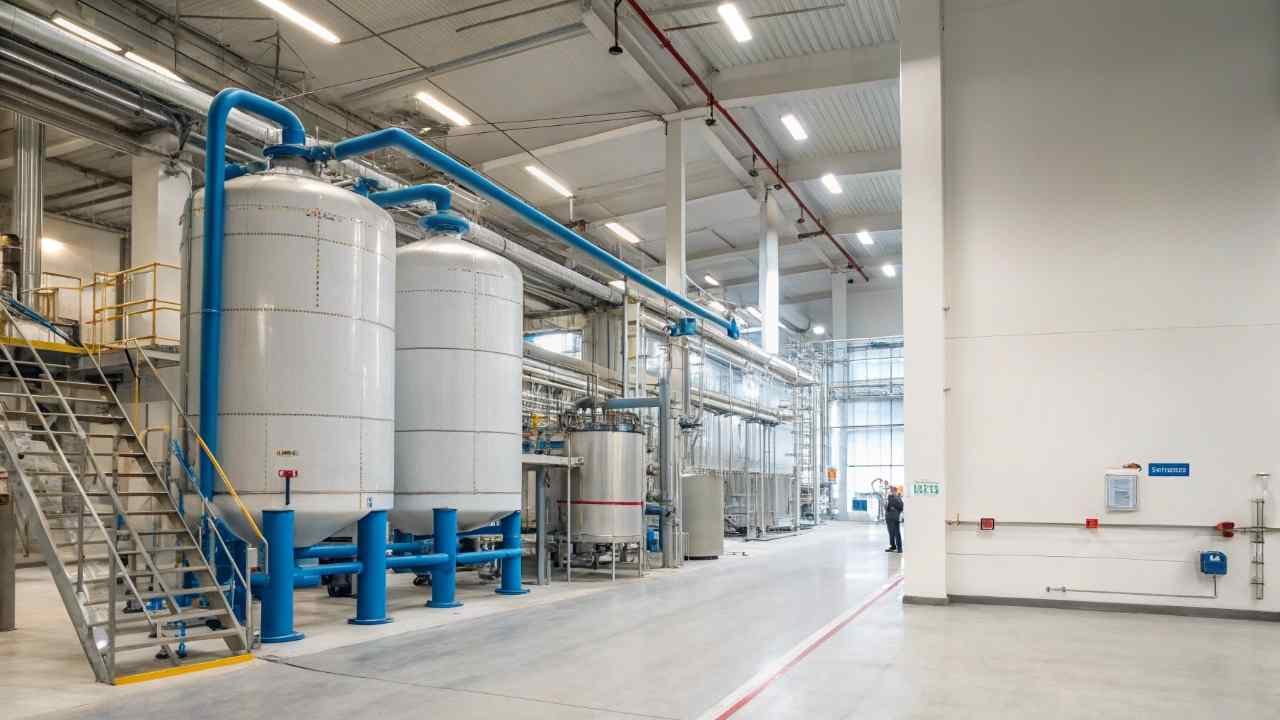
I want you to understand the chemical supply chain2. Vitamin B3 is made from 3-picoline. This material comes from the production of pyridine. If the global demand for pyridine drops, the production of 3-picoline also falls. This creates a shortage for vitamin factories. When the raw material is scarce, the price of B3 can double in a few weeks. I track the pyridine market in China to predict these moves. Most wholesalers do not look this deep into the supply chain. I do this technical work for you. It allows us to see price trends before they hit the news.
Ammonia and nitric acid are also used in the synthesis process. While these are common chemicals, their prices fluctuate with the global energy market. For example, high natural gas prices in Europe or Asia raise the cost of ammonia. This adds a few cents to every kilogram of Vitamin B3. I select factories that have secure, long-term contracts for these auxiliary chemicals. This vertical integration makes their pricing more stable than small factories that buy on the spot market. I oversee these details to ensure you get a fair price based on real production costs.
Raw Material Price Sensitivity
| Raw Material | Usage in B3 | Price Sensitivity | Market Source |
|---|---|---|---|
| 3-Picoline | Primary Feedstock | Very High | Pyridine Byproduct |
| Ammonia | Reagent | Moderate | Industrial Gas |
| Nitric Acid | Oxidant | Moderate | Chemical Plants |
| Solvents | Processing | Low | Petrochemical |
| Packaging | Drums/Liners | Very Low | Paper/Plastic Mills |
How Does Demand Impact Vitamin B3 (Niacin) Pricing?
High global demand creates shortages and sends prices sky-high. You cannot find stock when you need it most. I explain how market demand cycles affect what you pay for Riboflavin.
Demand from the animal feed industry accounts for over 60% of Vitamin B3 consumption. When livestock production grows globally, B3 prices rise. Secondary demand from human food fortification and pharmaceutical sectors also creates seasonal peaks that tighten global inventory and increase wholesale costs.
The Dominance of the Feed Industry
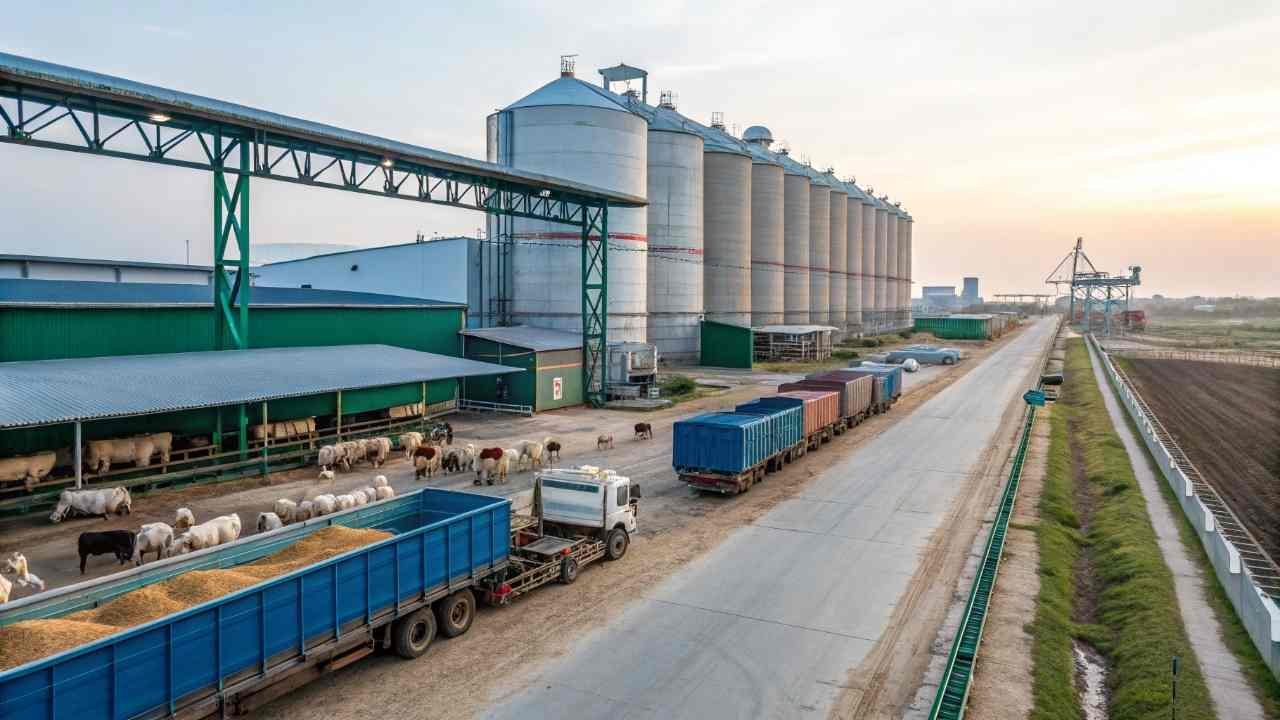
I see that the animal feed market is the biggest driver of B3 demand. Pig and poultry farmers use Niacin to ensure healthy growth. If there is a boom in meat production in Brazil or China, the feed industry buys millions of tons of B3. This leaves very little for the food and pharma industries. When this happens, the price for food-grade3 Niacinamide jumps. I track the livestock cycles to help my buyers. For example, demand usually rises before the winter months. I suggest you buy your stock in the "off-season" when the feed industry is quiet. This strategy helps you get lower prices.
Human food fortification is another stable driver. Many countries require bread and flour to be enriched with Vitamin B3. This demand does not change much, but it creates a "floor" for the price. The price rarely drops below a certain level because mills must buy it every month. Also, the rise of energy drinks and supplements increases the demand for high-purity Niacinamide. These high-end buyers often pay a premium. This can pull the whole market price upward. I manage the supply from different factories to ensure my food-grade buyers do not compete directly with pharma-grade price peaks.
Demand Sector Breakdown
| Sector | Usage Share | Price Influence | Demand Type |
|---|---|---|---|
| Animal Feed | 60% - 70% | High | Seasonal / Volatile |
| Food & Beverage | 15% - 20% | Moderate | Stable / Mandatory |
| Pharmaceuticals | 10% | Moderate | High Purity / Premium |
| Cosmetics | 5% | Low | Niche / Specialized |
| Others | < 5% | Low | Variable |
How Do Bulk Orders Affect Vitamin B3 (Niacin) Prices?
Buying small amounts leads to high unit costs and shipping waste. You lose your competitive edge to larger traders. I provide bulk options to lower your average procurement cost and protect margins.
Bulk orders lower prices through tiered factory discounts and reduced logistics fees. Ordering full container loads (FCL) minimizes port handling per kilogram. Spreading fixed costs like lab testing, COA, and export documentation over 20 tons creates a lower landed cost for professional wholesalers.
Economies of Scale at the Factory Level
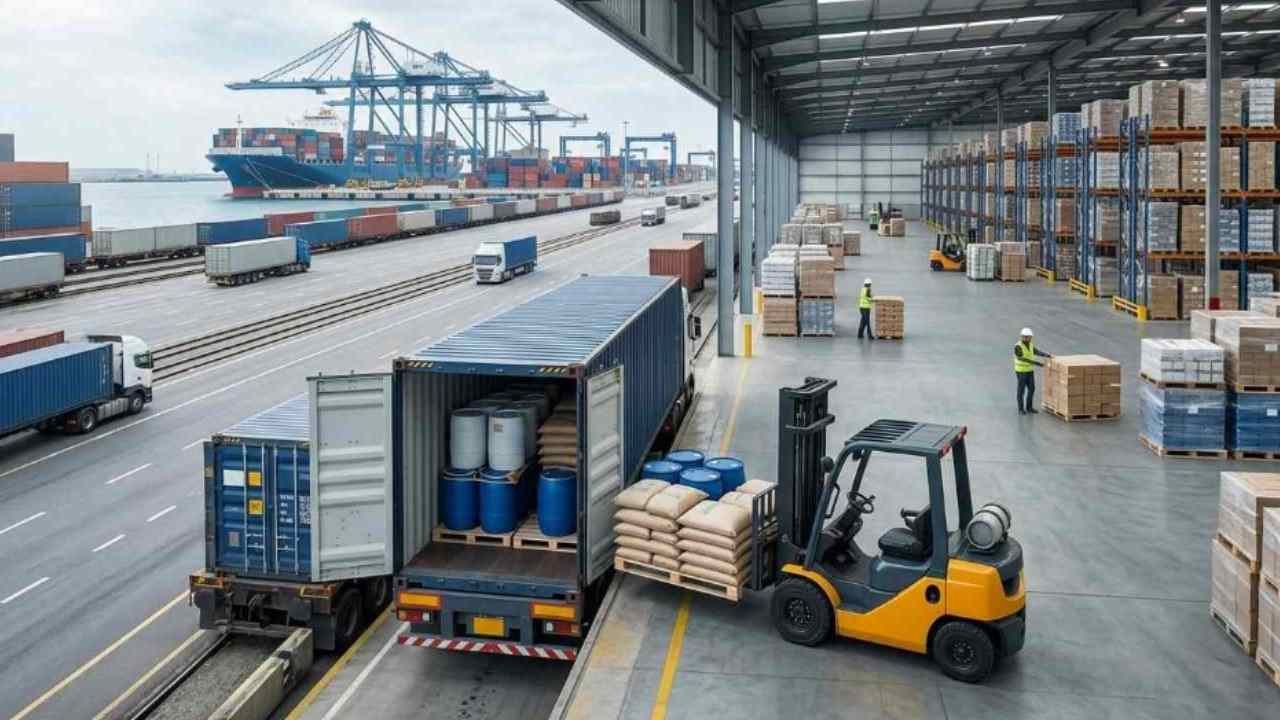
I see that Chinese factories always offer better prices for larger volumes. This is because "economies of scale" are real in chemical production. Setting up a production run for 20 tons is more efficient than for 1 ton. The lab testing4 and administrative work are the same for both. When you buy a full pallet or a full container, the factory can plan their production weeks in advance. This lowers their risk. I negotiate these tiered discounts for my clients. Even if you are a medium-sized distributor, I can help you group your annual demand into fewer, larger orders. This helps you reach a lower price tier and saves you money.
Logistics also play a huge role in your total cost. A 20ft container can hold about 12 to 15 tons of Vitamin B3. When you ship a full container, the freight cost per kilogram is much lower than an LCL (Less than Container Load) shipment. Port fees and customs clearance are usually "per shipment" costs. Spreading these fees over 10,000kg is better than over 500kg. I offer "mixed containers" for my partners. You can buy 5 tons of Vitamin B3 along with other vitamins like B1 or B6. This gives you the FCL shipping rate for all your products. It keeps your inventory fresh while keeping your costs very low.
Order Volume vs. Price Tier
| Order Level | Volume (kg) | Price Discount | Shipping Efficiency |
|---|---|---|---|
| Trial / LCL | 25 - 500 | None (Premium) | Low |
| Pallet Level | 500 - 1,000 | 2% - 3% | Moderate |
| Multi-Pallet | 2,000 - 5,000 | 5% - 7% | Moderate |
| Full Container | 12,000+ | 10% - 15% | High |
| Annual Contract | 50,000+ | Lowest | Maximum |
How Can Buyers Lock in Competitive Vitamin B3 (Niacin) Prices?
Market spikes can double your costs without warning. This volatility destroys your financial plan. I provide technical tools and contract strategies to lock in low prices and protect your annual profit.
Buyers lock in prices by signing 6 to 12-month annual contracts with managed exporters. Monitoring China's production cycles and buying during market "dips" also helps. Using mixed containers to keep inventory levels high without overstocking protects you from sudden future price hikes in the global market.
The Power of Annual Contracts and Safety Stock
I always suggest that my regular partners use annual contracts. This is the best way to fight price volatility. We agree on a price and a volume for the whole year. I manage the relationship with the factory to ensure they honor this deal. Even if the market price jumps, your cost stays the same. This allows you to give fixed quotes to your own customers. For wholesalers5 in the Middle East and Southeast Asia, this stability is a huge competitive advantage. I oversee the monthly shipping schedule to ensure you always have fresh material. A long-term partnership with me means you are safe from sudden price bubbles.
I also believe in "strategic timing." The price of Vitamin B3 in China usually has a cycle. It is often lower after the Chinese New Year or during the summer months. I track these dips for my buyers. When the price hits a low point, I suggest they buy a 3-month safety stock. This buffer protects you if the price goes up later. Also, I provide market reports every week. I act as your eyes and ears in China. I tell you when to buy and when to wait. This data-driven approach is how my clients stay profitable. By combining contracts and safety stock, you create a supply chain that is safe and cost-effective.
Price Locking Strategies
| Strategy | Time Horizon | Best For | Financial Result |
|---|---|---|---|
| Spot Buying | Immediate | Small trials | High risk / Variable cost |
| Safety Stock | 3 Months | Mid-sized wholesalers | Balanced cost / Low risk |
| Annual Contract | 12 Months | Large distributors | Fixed cost / Zero risk |
| Mixed Cargo | Monthly | Diverse portfolios | Low shipping cost |
| Market Timing | Seasonal | Expert traders | Maximum profit |
Conclusion
Vitamin B3 prices depend on raw materials, demand cycles, and logistics. I help you track these trends at FINETECH to ensure you buy at the best price and stay profitable.
-
CIPS – Official professional body for procurement and supply, detailing the strategic responsibilities and skills required for professional buyers. ↩
-
Supply Chain Management Review – A leading trade resource for managing global logistics and optimizing international supply chain operations. ↩
-
U.S. FDA – Official guidelines on the safety and regulatory requirements for food-grade additives and ingredients used in manufacturing. ↩
-
Eurofins – A global leader in food and feed analysis, providing technical verification through advanced lab testing for industrial quality control. ↩
-
Investopedia – A trade-oriented explanation of the role of wholesalers as intermediaries in the B2B industrial distribution network. ↩