
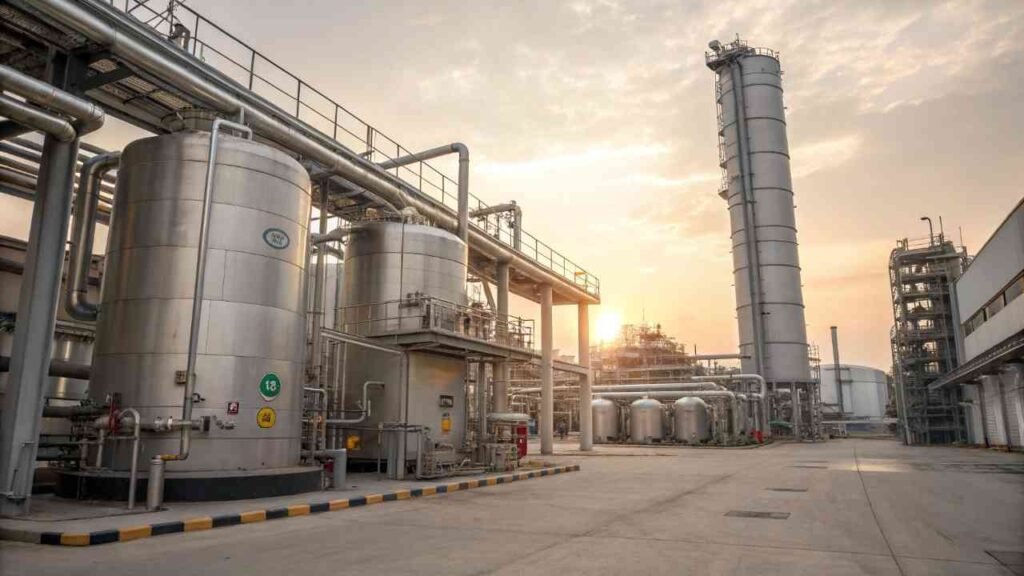
High raw material costs and sudden supply drops damage product manufacturing. Processed food and feed brands struggle to maintain quality when Vitamin A prices spike. Understanding global supply dynamics solves this uncertainty.
The global supply of the Vitamin A series is highly concentrated, with major production centered in Europe and China. While capacity is generally sufficient, supply remains vulnerable to factory maintenance schedules, environmental regulations, raw material costs, and geopolitical factors, leading to periodic price volatility.
Supply chain managers must oversee factory selection and production processes. For B2B buyers, understanding the technical value of the Vitamin A series is critical to protecting profit margins and securing steady supply chains. Many wholesale buyers face financial losses because they do not understand the commercial dynamics of the global Vitamin A market. This analysis shares objective facts about the Vitamin A series supply chain to protect operational profit margins.
What Are the Main Production Regions of Vitamin A Series?
Relying on a single manufacturing region can delay international shipments. Geopolitical tensions and local energy shortages threaten stable supply. Assessing regional production landscapes reduces sourcing vulnerabilities.
The main production regions for the Vitamin A series are China and Europe. China leads in total manufacturing volume due to cost-effective scaling, while Europe maintains a strong share through historically established chemical giants, making these two regions the primary hubs for global supply.
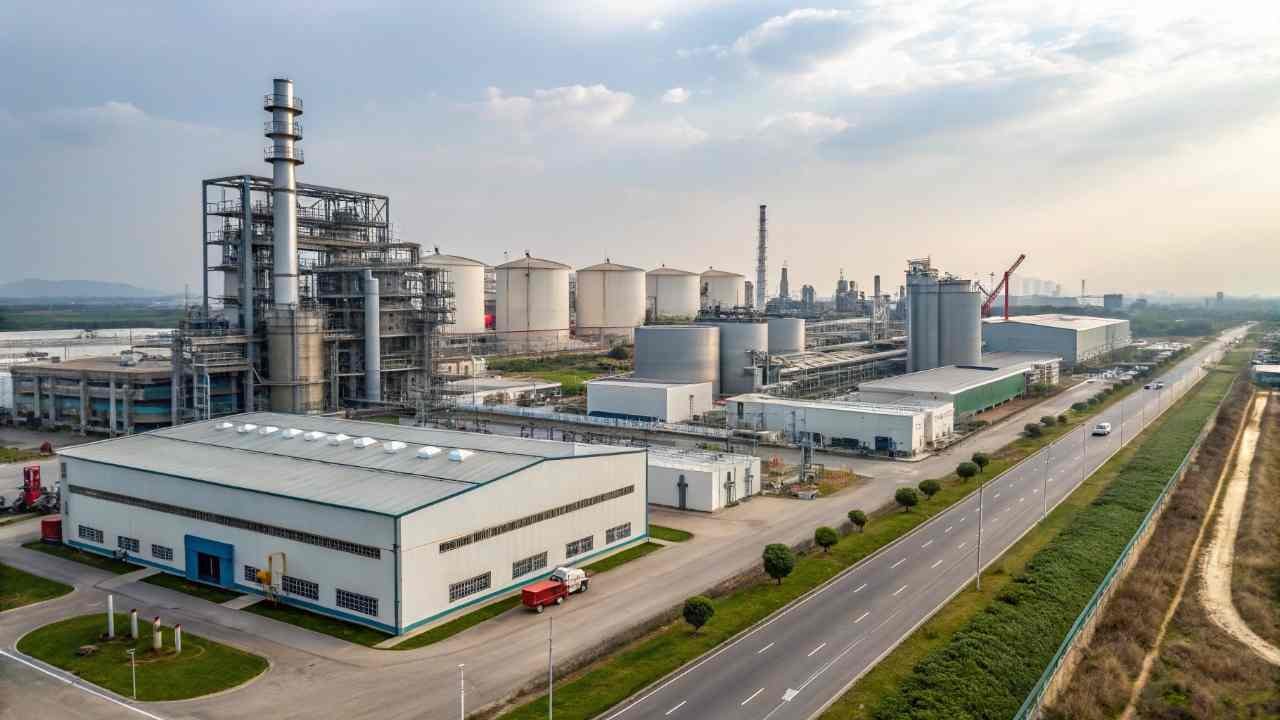
Dive Deeper into Regional Manufacturing Capabilities
Geographic risk is a critical consideration for global B2B procurement. In the food and feed additives industry1, relying on one country poses major hazards. China has built massive production capacity over the last twenty years. Chinese manufacturers benefit from integrated domestic supply chains and lower infrastructure costs. They produce large volumes efficiently. But, they often face strict local environmental checks. When Chinese factories face environmental audits, they must stop production. This causes sudden global shortages and price spikes.
European manufacturers rely on advanced chemical synthesis technology2. They run highly automated plants and follow long-standing quality control standards. But, their operational costs are high. Energy price hikes in Europe directly impact their production costs. When energy prices spike, European plants sometimes reduce their output. Monitoring these regional energy costs is necessary to warn wholesale buyers about potential price hikes. Balancing sourcing between these two regions helps mitigate supply chain risks. If one region faces issues, the other can serve as a backup.
Therefore, a professional procurement strategy does not rely on a single origin. Buyers must establish relationships in both regions to secure inventory. This dual-sourcing model ensures a stable pipeline for food and feed manufacturing even during periods of regional instability.
| Region | Key Strength | Main Vulnerability | Regional Quality Check |
|---|---|---|---|
| China | Large capacity / low cost | Environmental shutdowns | Audit local environmental policy shifts |
| Europe | Advanced technology / quality | High energy and utility costs | Track regional natural gas prices |
| Other Regions | Local distribution hubs | Reliance on imported chemical precursors | Verify regional warehouse inventory levels |
Which Companies Dominate the Vitamin A Series Supply Market?
A few giant chemical manufacturers control the global Vitamin A supply. If one factory stops production, downstream buyers face instant shortages. Identifying these key players protects the procurement pipeline.
The Vitamin A series supply market is dominated by a small group of companies, including DSM-Firmenich, BASF, Adisseo, NHU, Zhejiang Medicine, and Jilin Beisha. These firms control over 90% of global production and heavily influence global market pricing.
Dive Deeper into Corporate Market Power
High market concentration among a few players creates a delicate supply environment. The top companies have massive production plants. This setup allows them to achieve high economies of scale3, but it also gives them strong market power. When one of these companies plans annual maintenance or experiences an accident, the global supply drops immediately. Auditing production logs and checking maintenance schedules of these manufacturers is a core requirement for stable supply.
For example, plant maintenance typically takes several weeks. During this time, supply tightens and prices usually go up. Buyers who do not plan ahead must pay premium prices. Direct updates from these major manufacturers prevent unexpected disruptions. Chinese producers like NHU and Zhejiang Medicine have expanded their capacities significantly. They offer highly competitive pricing. European giants like BASF and DSM-Firmenich focus on high-purity grades but face higher cost pressures. Balancing procurement between these suppliers keeps raw material costs stable.
Understanding the production capacities of each manufacturer is key. Buyers should not place all orders with a single manufacturer. A diversified vendor list that includes both European and Chinese producers protects against unexpected force majeure events. This diversified approach maintains production continuity.
| Manufacturer | Production Capacity | Main Strategic Focus | Quality Control Focus |
|---|---|---|---|
| NHU | ~10,000 tons/year | Cost-effective volume | Verify chemical precursor stability |
| DSM-Firmenich | ~7,500 tons/year | High-grade applications | Audit pharmaceutical-grade compliance |
| BASF | ~5,600 tons/year | Large-scale synthesis | Monitor Ludwigshafen plant maintenance |
| Zhejiang Medicine | ~5,600 tons/year | Diverse formulations | Check flowability of powder grades |
| Adisseo | ~5,000 tons/year | Animal nutrition focus | Verify feed-grade activity levels |
| Jilin Beisha | Targeted vitamin lines | Cost competitiveness | Audit batch-to-batch chemical assay |
Is Vitamin A Series Supply Stable in Recent Years?
Sudden price swings make budgeting for food and feed ingredients almost impossible. Unstable Vitamin A supply ruins your profit margins. Analyzing market stability over recent years reveals recurring trends.
Vitamin A series supply has been relatively unstable in recent years. This instability is driven by factory incidents, environmental shutdowns in China, energy crises in Europe, and global logistics disruptions, causing frequent fluctuations in both availability and market price.
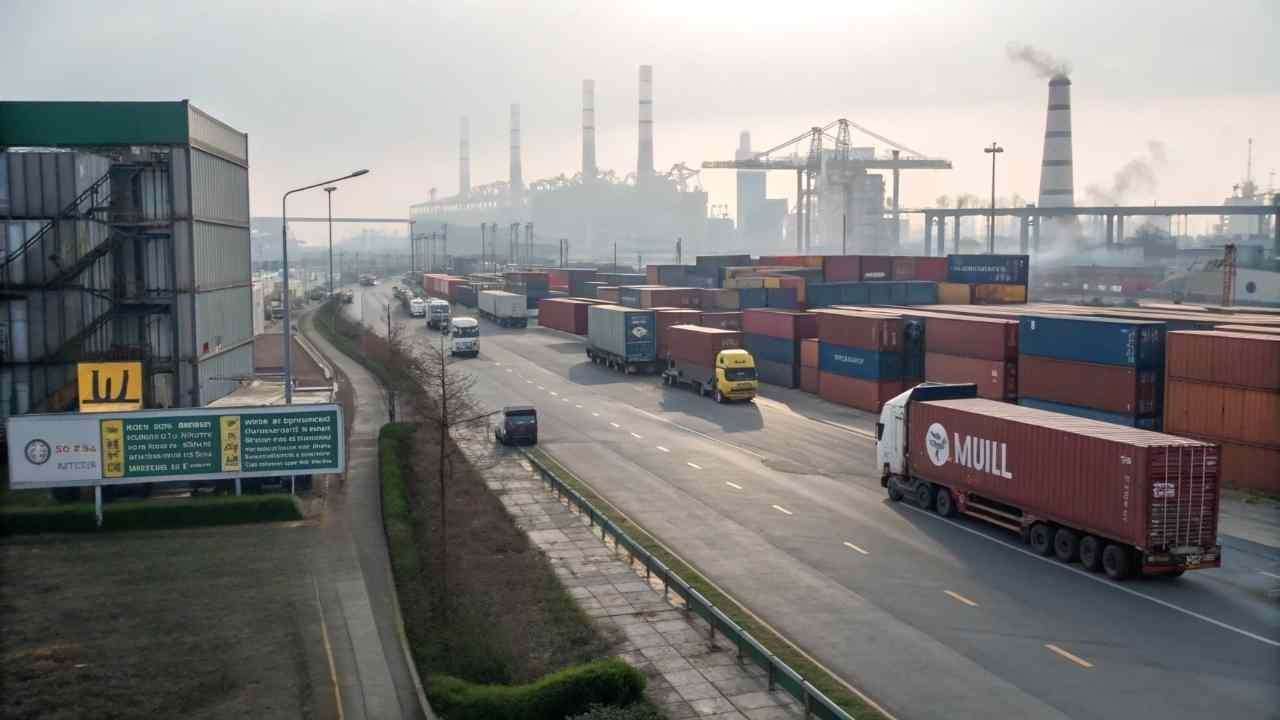
Dive Deeper into Market Volatility
Many buyers struggle to predict Vitamin A prices. Historical data shows a pattern of periodic instability. Supply stability is not constant. Instead, it moves in cycles. We can divide these cycles into periods of oversupply and periods of sudden shortage. During oversupply phases, manufacturers run at high capacity. Prices fall to low levels. This makes buyers happy, but it is not sustainable. Low prices force some factories to cut production or start long maintenance breaks to limit supply.
Then, unexpected events happen. For instance, factory fires, technical failures, or strict environmental audits can stop production lines instantly. In mid-2024, a major fire at the BASF Ludwigshafen plant disrupted global production, showing how quickly supply can tighten. When these events occur, the market panics. Buyers rush to secure inventory, and prices skyrocket within days. Shipping disruptions also play a major role. Even if factories produce enough material, port congestion or container shortages can delay deliveries to key markets like the Middle East or Southeast Asia. Therefore, buyers cannot assume that a quiet market will stay quiet. Building a safety stock4 is necessary to protect operations. Maintaining a buffer stock of at least two to three months of production needs prevents sudden line shutdowns.
| Period | Supply Stability | Primary Disruption Driver | Strategic Mitigation |
|---|---|---|---|
| 2020 - 2021 | Low Stability | Global logistics and high shipping costs | Plan longer transport lead times |
| 2022 - 2023 | Moderate Stability | Post-pandemic capacity recovery in China | Optimize safety stock thresholds |
| 2024 - 2025 | High Volatility | BASF plant fire and European energy costs | Secure multi-source supply contracts |
What Factors Affect Vitamin A Series Availability?
Missing a critical market factor can catch you unprepared when Vitamin A prices surge. Unplanned factory events cost you money. Examining the specific variables helps predict market changes.
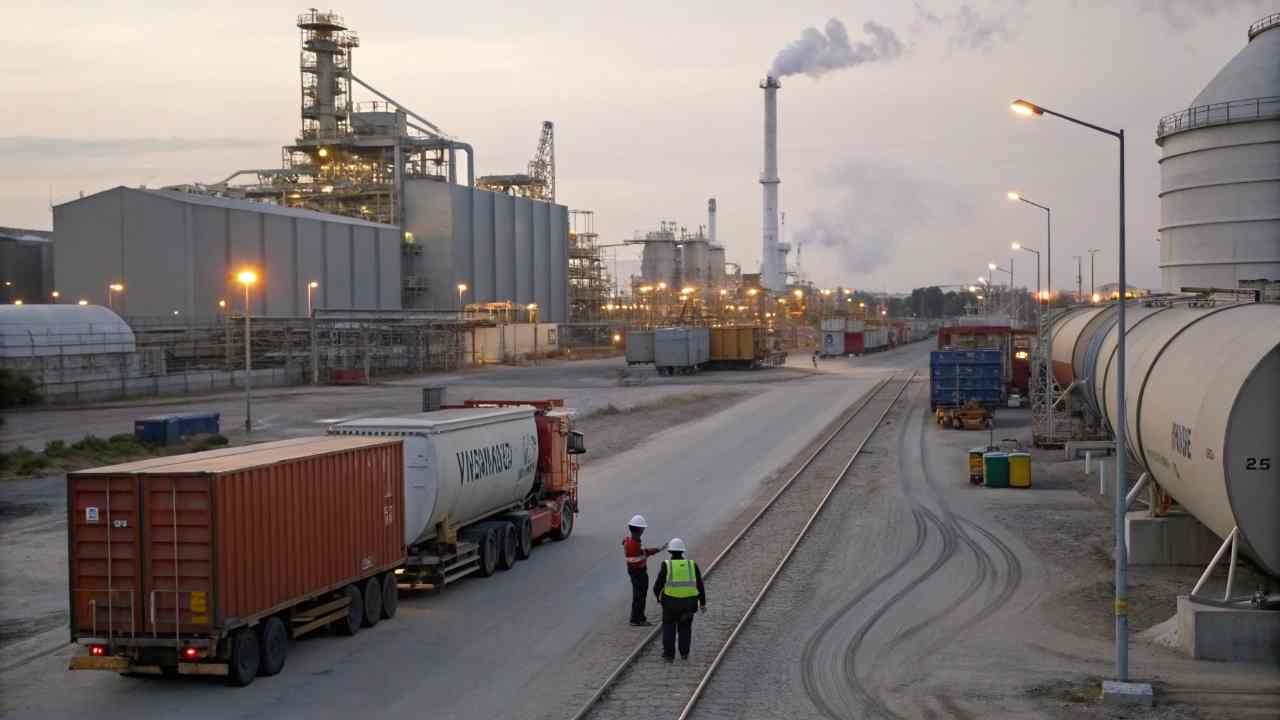
Vitamin A availability is primarily affected by raw material costs, factory maintenance schedules, environmental policies, energy prices, and transportation logistics. Changes in any of these areas can quickly reduce global supply and raise market prices.
Dive Deeper into Supply Influencers
Successful procurement operations always monitor the raw materials behind Vitamin A. To predict market trends, we must analyze the specific variables that influence production. The first factor is raw material availability. The synthesis of Vitamin A requires key chemical intermediates like citral or beta-ionone. If the supply of these intermediates is cut, Vitamin A production stops. Only a few chemical companies produce these intermediates globally. Tracking the production status of these intermediate chemical factories is critical to anticipating price trends.
The second factor is government policy. In China, environmental inspections are strict. Factories that do not meet emission standards must halt production until they upgrade their systems. This can take weeks or months. The third factor is the cost of energy. Vitamin A synthesis is an energy-intensive process. High electricity and gas prices in Europe increase production costs significantly. When costs rise too high, factories may reduce their operating rates. Finally, transportation issues can delay delivery even when production is normal. Shipping routes to the Middle East, Europe, or Southeast Asia face challenges like port congestion or regional conflicts. Using robust logistics networks ensures cargo moves through the safest and fastest routes. Monitoring all of these factors allows buyers to make informed purchasing decisions.
| Sourcing Factor | Market Influence | Severity Level | Monitoring Method |
|---|---|---|---|
| Intermediate Supply | Citral availability halts synthesis | High | Track chemical precursor output |
| Environmental Audits | Temporary factory closures in China | Medium to High | Monitor local government environmental policy |
| Energy Costs | High utility bills raise production costs | Medium | Monitor European natural gas prices |
| Logistics Issues | Port delays and shipping route changes | Medium | Track global container shipping indexes |
How to Evaluate Reliable Suppliers of Vitamin A Series?
Choosing the wrong supplier leads to late shipments and poor-quality ingredients. Brand reputation is at risk. Establishing a clear evaluation plan finds the right partner.
To evaluate a Vitamin A supplier, you must check their supply stability, quality certifications, delivery capability, and communication transparency. A reliable partner manages factory risks, secures fair pricing, and ensures timely delivery to your destination.

Dive Deeper into Supplier Selection
Selecting a supplier is not just about finding the lowest price. A low price is useless if the supplier cannot deliver the goods when they are needed. First, buyers must check quality certifications. Reliable suppliers must provide standard certificates like ISO, FSSC 220005, Halal, or Kosher, depending on the target market. Auditing these certificates and checking factory quality control systems is a standard procedure.
Second, logistics capabilities require thorough checks. A good supplier handles the entire export process smoothly. They must have experience shipping to specific regions, whether it is the Middle East, Europe, or Southeast Asia. They must understand local customs rules to avoid delays at the port. Third, market information transparency is essential. A valuable supplier does not just take orders. They share market insights. They inform buyers when factory maintenance is coming so they can purchase stock before prices rise. Sourcing partners like FINETECH streamline this process for B2B buyers. They select factories carefully, oversee production, guarantee quality, and secure competitive pricing with low MOQ. This keeps the supply chain safe and cost-effective. Working with such partners minimizes risk and secures inventory even during high market volatility.
| Evaluation Criterion | Specific Requirement | Why It Matters | Verification Action |
|---|---|---|---|
| Quality Assurance | ISO, FSSC 22000, Halal, Kosher | Ensures compliance with food laws | Audit laboratory test logs |
| Logistics Expertise | Proven shipping history to target port | Prevents custom delays and extra fees | Choose carriers with direct routes |
| Market Intelligence | Regular updates on factory status | Helps buyers purchase at optimal times | Review supplier market reports |
| Supply Flexibility | Low MOQ and mixed container options | Reduces inventory holding costs | Confirm flexible shipping agreements |
Conclusion
Vitamin A supply shifts quickly due to factory maintenance and regional policies. Partnering with a reliable sourcing team keeps supply consistent, safe, and highly cost-effective.
-
European Food Safety Authority (EFSA) – Official guidance and safety evaluations governing feed additives used in animal nutrition within the European Union. ↩
-
Journal of Organic Chemistry (ACS Publications) – Academic platform showcasing advanced research in synthetic organic chemistry, relevant to high-precision industrial chemical manufacturing. ↩
-
Corporate Finance Institute – Resource explaining the principles of economies of scale, detail on cost advantages, and financial implications for large-scale production. ↩
-
Massachusetts Institute of Technology (MIT) – Academic publication analyzing safety stock formulas, equations, and their strategic application in inventory management. ↩
-
Foundation FSSC – Official website outlining the requirements and documentation for the FSSC 22000 Food Safety System Certification scheme. ↩