
Price spikes in Vitamin B5 ruin your profit margins. This instability makes budgeting impossible. I track market signals to help you buy at the best price and protect your capital.
The price of Vitamin B5 (D-Calcium Pantothenate) is currently stable but sensitive to intermediate costs like isobutyraldehyde. Prices fluctuate based on Chinese production rates and global demand, typically ranging from $10 to $25 per kg depending on market cycles and order volume.
I manage factory selection and quality oversight for my B2B clients at FINETECH. I want to explain the technical facts behind B5 pricing to help you secure the best wholesale deals for your business.
What Raw Materials Drive Vitamin B5 (Pantothenic Acid) Prices?
Fluctuating chemical costs in China raise your vitamin prices overnight. This lack of control hurts your bottom line. I explain the link between raw materials and your final costs.
Isobutyraldehyde and formaldehyde are the main raw materials for Vitamin B5. Shortages or price hikes in these chemicals, especially in the Chinese petrochemical market, directly increase manufacturing costs for D-Calcium Pantothenate at the factory level.
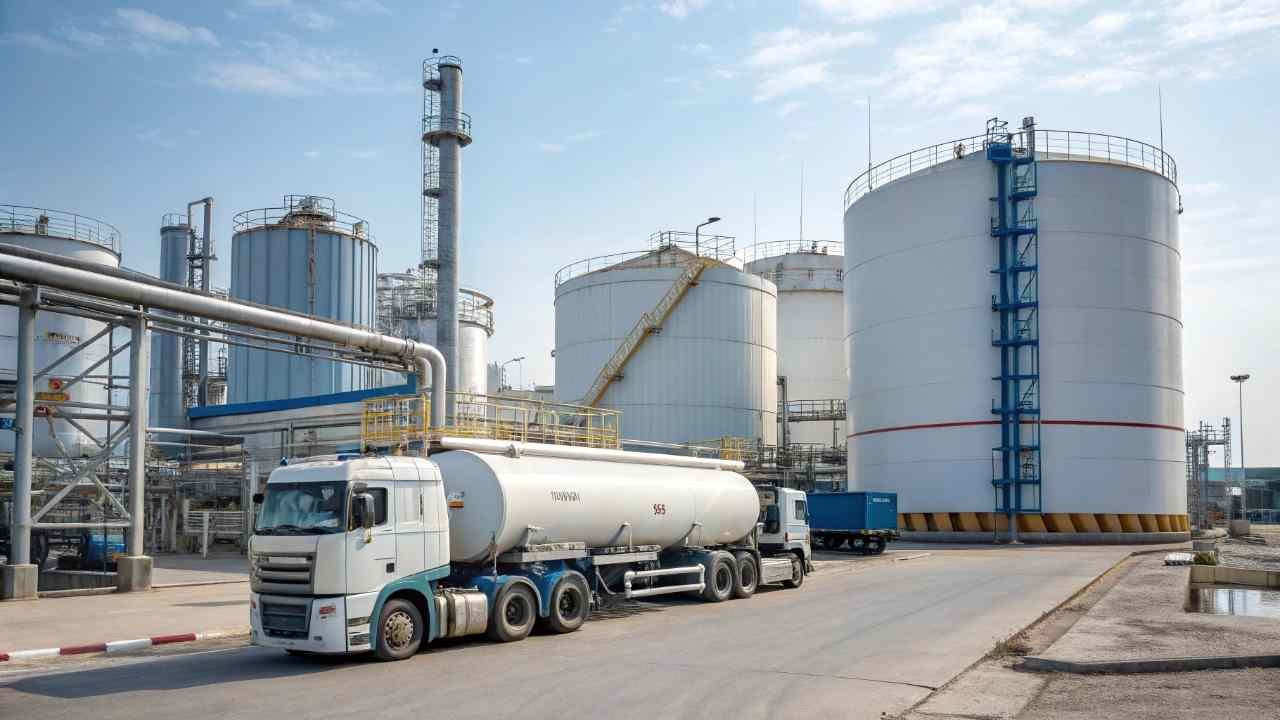
The Chemical Supply Chain Connection
I see that the price of Vitamin B5 starts in the petrochemical industry. The synthesis of D-Calcium Pantothenate requires isobutyraldehyde and formaldehyde to create the pantoic acid part of the molecule. Then, beta-alanine is added to complete the structure. I monitor the prices of these intermediates in China daily. If the supply of isobutyraldehyde is low, the factories must raise their prices. This often happens when large chemical plants in Hubei or Jiangsu stop for maintenance. I track these plant schedules to give my buyers1 an early warning about price shifts.
Also, the purity of these raw materials affects the final yield. I visit our partner factories to check their sourcing. Factories that buy high-quality intermediates have better "fermentation" or synthesis yields. This efficiency allows them to keep their prices competitive even when market costs rise. I also check for the supply of beta-alanine. It is a key amino acid2 used in B5 production. If the price of this amino acid spikes, it adds several dollars to the cost per kilogram of B5. I help my buyers find factories that have integrated production. This means they make their own intermediates. This vertical integration is the best way to get stable pricing.
Raw Material Price Sensitivity
| Raw Material | Usage in B5 | Price Sensitivity | Market Source |
|---|---|---|---|
| Isobutyraldehyde | Intermediate | Very High | Petrochemical |
| Formaldehyde | Reagent | High | Industrial Gas |
| Beta-Alanine | Amino Acid | High | Chemical Synthesis |
| Calcium Carbonate | Salt source | Low | Mineral |
| Solvents | Processing | Moderate | Petrochemical |
How Do Energy Costs Impact Vitamin B5 (Pantothenic Acid) Production Cost?
High energy bills in China force vitamin prices upward. These costs are out of your control but affect your budget. I help you understand how energy moves the market.
Vitamin B5 production is energy-intensive. It requires significant electricity and steam for chemical synthesis and spray drying. Rising coal and gas prices in Chinese manufacturing hubs lead to immediate increases in the factory-gate price of D-Calcium Pantothenate.
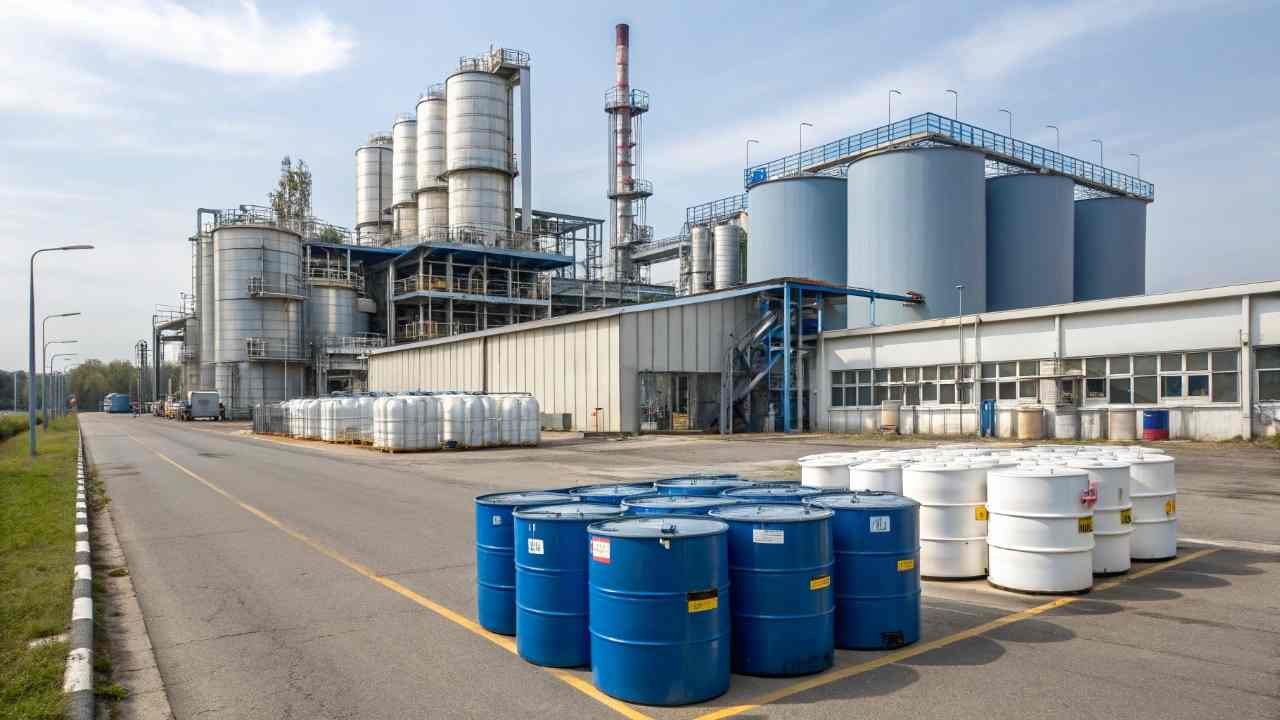
Energy Consumption and Policy Shifts
I see that Vitamin B5 production consumes a lot of power. The chemical tanks must be kept at specific temperatures for long periods. Then, the liquid vitamin is turned into powder through spray drying. This process uses a massive amount of heat and air. In China, most factories use coal-fired or gas-fired steam. If the price of coal goes up, the price of Vitamin B5 follows. I monitor the energy index in provinces like Shandong and Zhejiang. I tell my buyers when a price hike is coming. This data helps them decide to buy stock before the factory changes their quotes.
Also, government policy on energy use is a critical factor. The Chinese government sometimes sets "energy caps" during the winter or summer months. These caps limit how much power a factory can use. When power is limited, the factory must slow down its production lines. This lowers the total supply and raises the price. I manage the relationship with several factories to ensure we have supply from different regions. If one region has an energy crisis, I move the order to another. This oversight is how I protect your supply chain from local energy shocks. I focus on technical facts3 to help you plan your procurement budget accurately.
Energy Impact on Production Table
| Energy Factor | Impact on Cost | Duration of Change | Result for Buyer |
|---|---|---|---|
| Coal Price Hike | High | 1 - 3 Months | Higher base price |
| Power Limits | Very High | 1 - 2 Weeks | Shortages / Delays |
| Steam Shortage | Moderate | Immediate | Production stops |
| Green Energy Tax | Low | Long-term | Gradual price rise |
| Natural Gas Spikes | High | 1 Month | Seasonal price peaks |
How Does Market Demand Influence Vitamin B5 (Pantothenic Acid) Pricing?
High global demand creates shortages and sends prices sky-high. You cannot find stock when you need it most. I explain how market demand cycles affect what you pay for Vitamin B5.
Demand from the animal feed industry accounts for nearly 75% of Vitamin B5 consumption. When livestock production grows globally, B5 prices rise. Food and pharma sectors also create seasonal peaks that tighten inventory and increase wholesale costs.
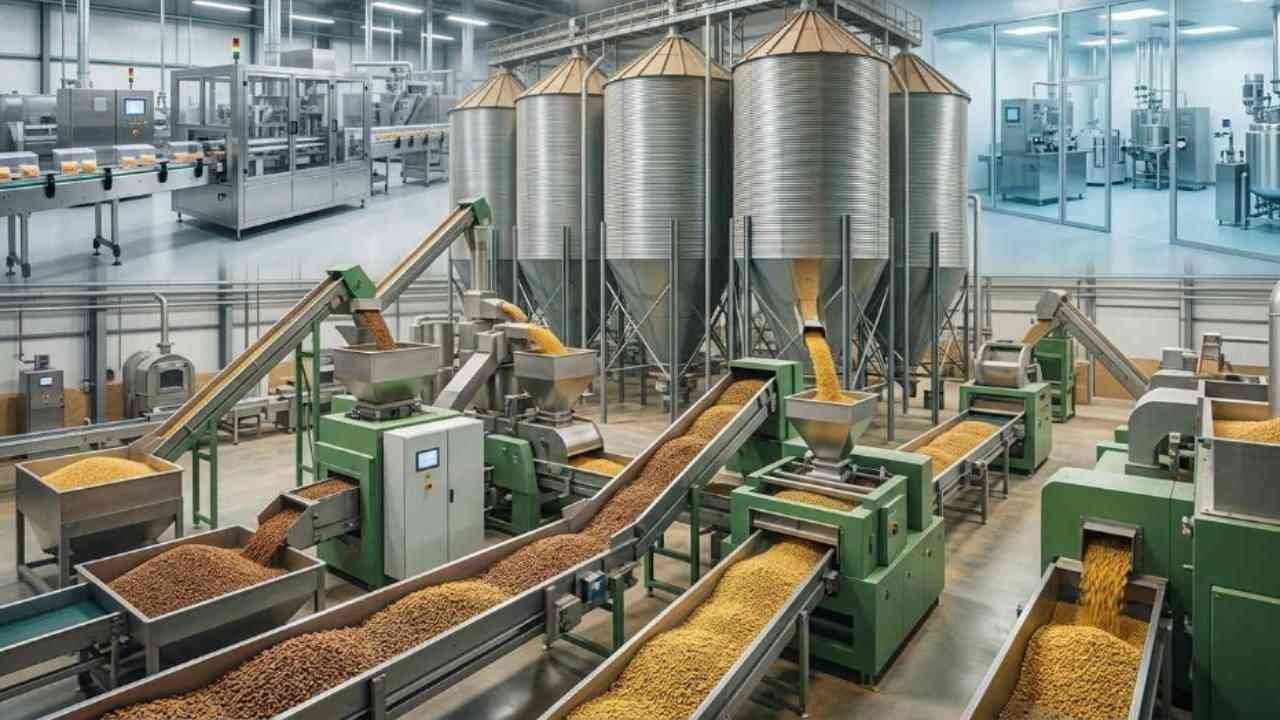
The Feed Industry as a Price Driver
I observe that the poultry and pig sectors are the biggest drivers of Vitamin B5 demand. Farmers add D-Calcium Pantothenate to feed to ensure healthy growth. If there is a boom in meat production in Brazil, the USA, or China, the feed industry buys millions of tons. This leaves very little for the food and pharma industries. When this happens, the price for food-grade B5 jumps. I track the livestock cycles in these major markets to help my buyers. For example, demand usually rises before the winter months. I suggest you buy your stock in the "off-season" when the feed industry is quiet.
But human food demand is also growing. Many energy drinks and fortified cereals use Vitamin B5 for its metabolic benefits. This is a stable demand, but it adds pressure to the supply. Also, the rise of specialized supplements increases the demand for pharmaceutical-grade material. These high-end buyers often pay a premium. This can pull the whole market price upward. I manage the supply from different factories to ensure my food-grade buyers do not compete directly with pharma-grade price peaks. I use this data to help you time your orders perfectly. This strategic buying is how my clients stay profitable even when the market is tight.
Demand Sector Analysis
| Sector | Usage Share | Price Influence | Demand Type |
|---|---|---|---|
| Animal Feed | 75% | Very High | Seasonal / High Volume |
| Food & Beverage | 15% | Moderate | Stable / Mandatory |
| Pharmaceuticals | 5% | Moderate | High Purity / Premium |
| Cosmetics | 3% | Low | Niche / Liquid B5 |
| Others | 2% | Low | Research / Technical |
How Do Bulk Contracts Stabilize Vitamin B5 (Pantothenic Acid) Costs?
Buying small lots leads to high unit costs and shipping waste. You lose your competitive edge to larger traders. I provide bulk options to lower your average procurement cost and protect your margins.
Bulk contracts stabilize costs by locking in prices for 6 to 12 months. Ordering full container loads (FCL) reduces logistics fees per kilogram and allows factories to offer tiered discounts, protecting buyers from sudden market price fluctuations in China.
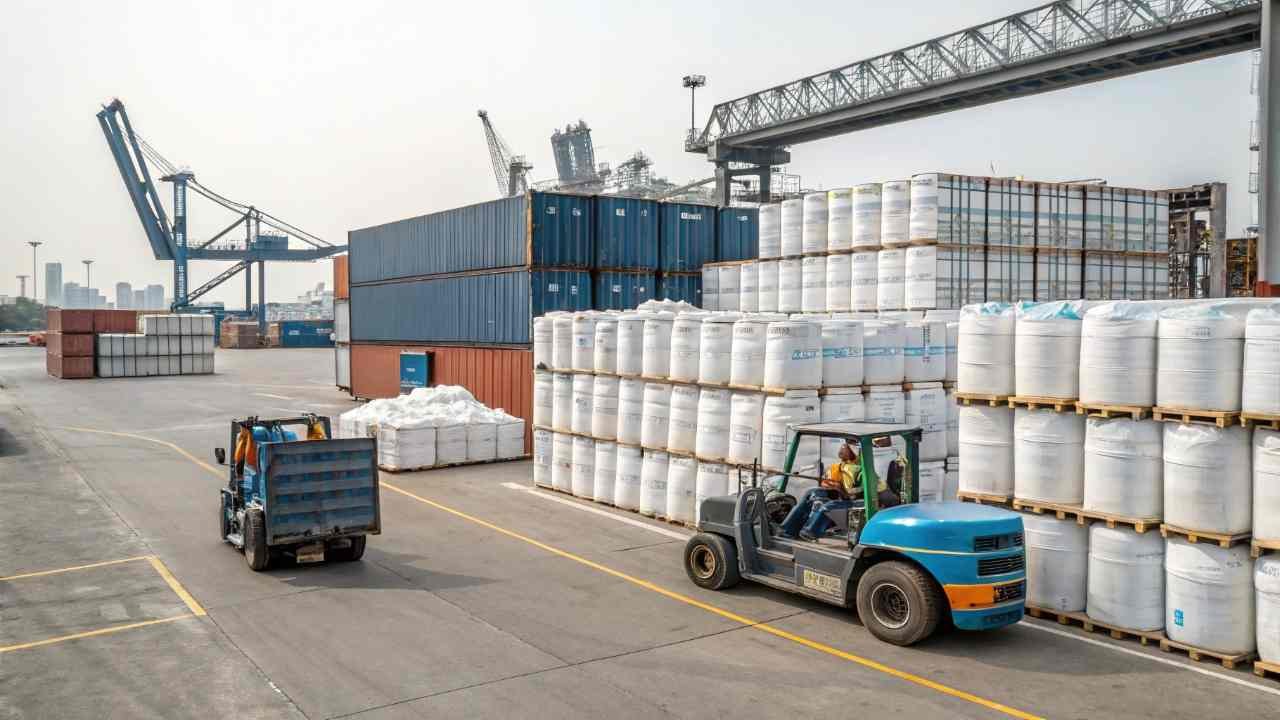
Tiered Pricing and Logistics Savings
I see that Chinese factories always offer better prices for larger volumes. This is because "economies of scale" are real in chemical production. Setting up a production run for 10 tons is more efficient than for 500kg. The lab testing and admin work are the same for both. When you buy a full pallet or a full container, the factory can plan their production4 weeks in advance. This lowers their risk. I negotiate these tiered discounts for my clients. Even if you are a medium distributor, I can help you group your annual demand into fewer, larger orders. This helps you reach a lower price tier and saves you money.
Logistics also play a huge role in your total cost. A 20ft container can hold about 10 to 12 tons of Vitamin B5. When you ship a full container, the freight cost per kilogram is much lower than an LCL shipment. Port fees and customs clearance are usually "per shipment" costs. Spreading these fees over 10,000kg is better than over 500kg. I offer "mixed containers" for my partners. You can buy 5 tons of Vitamin B5 along with other vitamins like B1 or B6. This gives you the FCL shipping rate for all your products. It keeps your inventory fresh while keeping your costs very low. This is how I help my buyers in Southeast Asia and the Middle East stay competitive.
Order Volume vs. Price Tier Table
| Order Level | Volume (kg) | Price Discount | Shipping Efficiency |
|---|---|---|---|
| Trial / LCL | 25 - 500 | None (Premium) | Low |
| Pallet Level | 500 - 1,000 | 2% - 5% | Moderate |
| Multi-Pallet | 2,000 - 5,000 | 7% - 10% | Moderate |
| Full Container | 10,000+ | 12% - 15% | High |
| Annual Contract | 50,000+ | Lowest | Maximum |
When Is the Best Time to Purchase Vitamin B5 (Pantothenic Acid)?
Buying at the wrong time drains your budget. Market spikes happen without warning. I provide a guide on when to buy to ensure you get the lowest price possible and maintain supply.
The best time to purchase Vitamin B5 is during market "dips," often after the Chinese New Year or during the summer lulls. Buying 3-6 months in advance helps you avoid seasonal price peaks and ensures supply stability during Chinese environmental audits or energy caps.
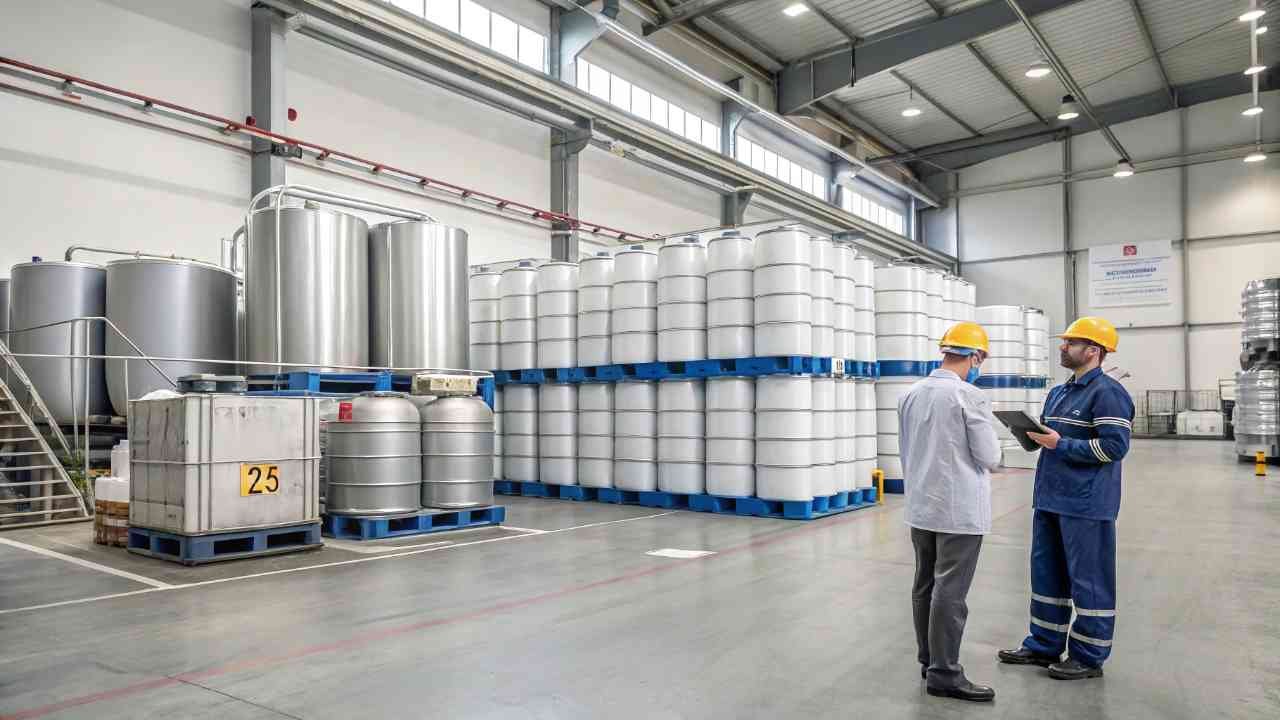
Timing Your Orders with Market Cycles
I observe that the price of Vitamin B5 in China has a clear cycle. Prices are often high before the Chinese New Year because factories are closing for the holiday. Everyone tries to buy at the same time. This creates a fake shortage. I suggest you buy your stock in November or December to avoid this. Also, the summer months are often a good time to buy. This is because the feed industry demand is lower. I track these price lulls for my clients. When the price hits a low point, I tell them to buy a 6-month safety stock. This buffer protects them if the price goes up later in the year.
Strategic timing also includes watching government policies. In China, environmental audits often happen in the spring or fall. These audits can shut down factories suddenly. If you buy during these audits, the price will be at its peak. I act as your eyes and ears in China. I tell you when to buy and when to wait. This data-driven approach is how my clients stay profitable. I also suggest using the "Reorder Point" (ROP) system. You should place a new order when your stock hits a certain level. I help you calculate this level based on your usage and the current lead time. By combining market timing with a systematic ordering plan, you create a safe and cost-effective supply chain5.
Best Buying Window Analysis
| Period | Market Condition | Price Trend | Recommended Action |
|---|---|---|---|
| Q1 (Post-CNY) | Reopening / High Demand | Upward | Buy only urgent lots |
| Q2 (Spring) | High Supply | Stable | Good time for bulk buy |
| Q3 (Summer) | Low Feed Demand | Downward | Best time for annual lock |
| Q4 (Winter) | Production Ramps | Stable | Buy 60-day safety stock |
| Pre-CNY (Jan) | Panic Buying | Highest | Avoid if possible |
Conclusion
Vitamin B5 prices depend on raw materials, energy, and demand cycles. I help you track these trends at FINETECH to ensure you buy at the best price and stay profitable.
-
CIPS – Official body for procurement and supply, providing professional guides for buyers on managing organizational procurement and industrial sourcing. ↩
-
PubChem – Comprehensive technical database detailing the chemical properties and manufacturing role of beta-alanine as a food additive precursor. ↩
-
ScienceDirect – Engineering and technical documentation resources helping technical personnel understand the documentation required for chemical quality assurance. ↩
-
NIH Office of Dietary Supplements – Technical fact sheet on Pantothenic Acid (Vitamin B5) providing scientific data for food enterprises and health professionals. ↩
-
Supply Chain Management Review – Trade resource for professionals focused on managing global logistics and optimizing a resilient supply chain. ↩