
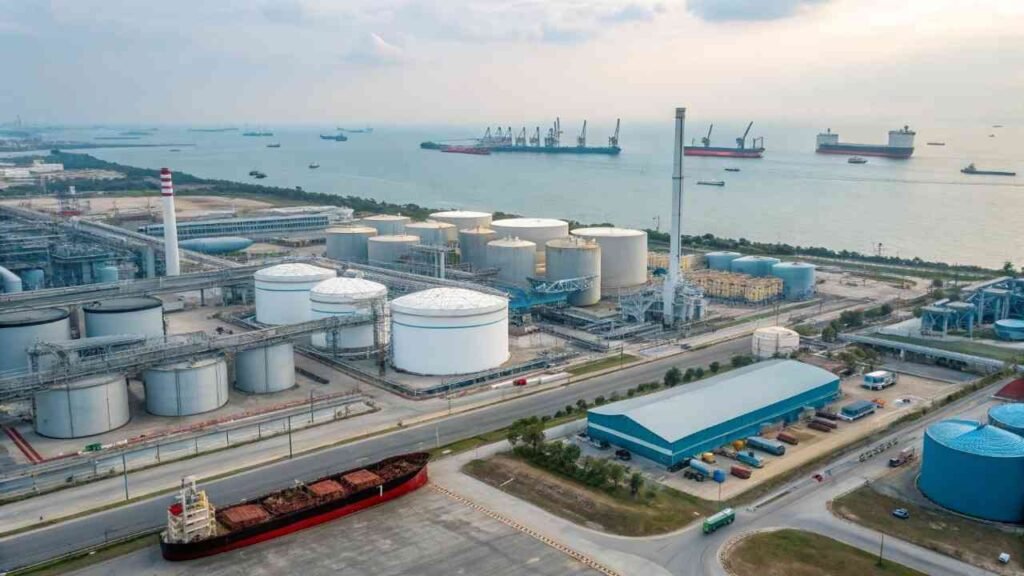
Unstable Vitamin B6 prices ruin your profit margins. This volatility makes budget planning impossible. I track market trends to help you buy at the best price and protect your capital.
The current price trend of Vitamin B6 (Pyridoxine Hydrochloride) is showing moderate stability with periodic fluctuations. Prices typically range from $12.00 to $18.00 per kg. Key drivers include raw material costs in China, environmental audits, and energy policies in major manufacturing provinces.
I manage factory selection and quality oversight for my B2B clients at FINETECH. I want to explain the technical facts behind Vitamin B6 pricing to help you secure the best wholesale deals for your business.
What Raw Materials Affect Vitamin B6(Pyridoxine) Prices?
Fluctuating chemical costs in China raise your vitamin prices overnight. This lack of control hurts your bottom line. I explain the link between raw materials and your final costs.
The price of Vitamin B6 is primarily affected by intermediates like oxazole and alanine. Shortages or price hikes in these petrochemical derivatives directly increase manufacturing costs at the factory level, leading to higher export prices for international wholesalers.
The Chemical Supply Chain Connection
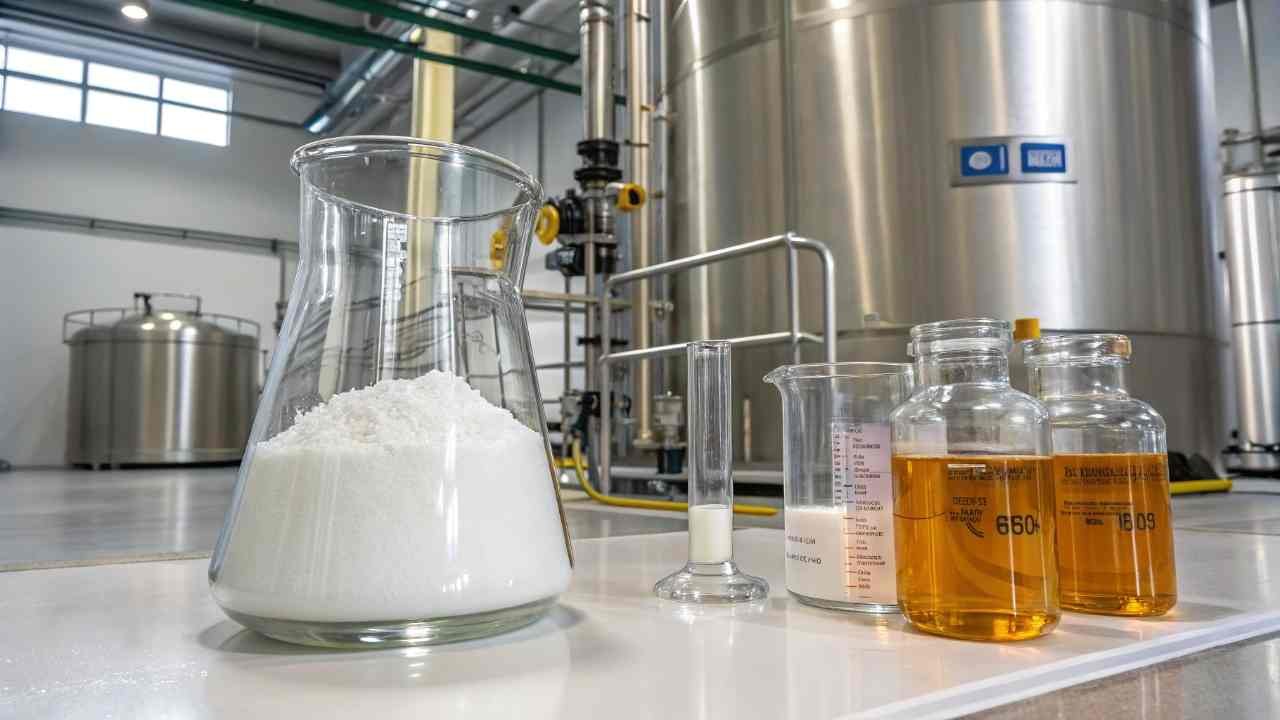
I see that Vitamin B61 production starts deep in the chemical sector. The synthesis of Pyridoxine Hydrochloride is a complex process. It requires specific intermediates like oxazole derivatives and beta-alanine. I monitor the prices of these chemicals in China every day. If the supply of these intermediates is low, the factories must raise their prices. This often happens when large chemical plants in provinces like Jiangsu or Zhejiang stop for maintenance. I track these plant schedules to give my buyers an early warning about price shifts. This data allows us to buy stock before the factory changes their quotes.
I also look at the "vertical integration2" of our partner factories. Some factories produce their own raw materials. These producers are much more stable. They do not have to worry about shortages in the open chemical market. I prioritize these sources for my clients in the Middle East and Southeast Asia. Another technical fact is the purity of the starting materials. If the raw material is poor, the "yield" of Vitamin B6 drops. A lower yield means the cost per kilogram goes up. I visit factories to check their sourcing logs. My goal is to ensure you get a fair price based on real production efficiency.
Raw Material Price Sensitivity
| Raw Material | Usage in B6 | Price Sensitivity | Market Source |
|---|---|---|---|
| Oxazole Derivatives | Primary Intermediate | Very High | Specialty Chemical |
| Beta-Alanine | Intermediate | High | Amino Acid Synthesis |
| Solvents (Alcohol) | Processing | Moderate | Petrochemical |
| Hydrochloric Acid | Salt Formation | Low | Industrial Gas |
| Catalysts | Reaction speed | Moderate | Metal Processing |
How Does Global Demand Influence Vitamin B6(Pyridoxine) Pricing?
High global demand creates shortages and sends prices sky-high. You cannot find stock when you need it most. I explain how market demand cycles affect what you pay for Vitamin B6.
Global demand from the animal feed industry accounts for 70% of Vitamin B6 consumption. When livestock production peaks, prices rise. Secondary demand from human food fortification and pharmaceutical supplement sectors also creates seasonal inventory tightness and price pressure.
The Dominance of the Feed Industry
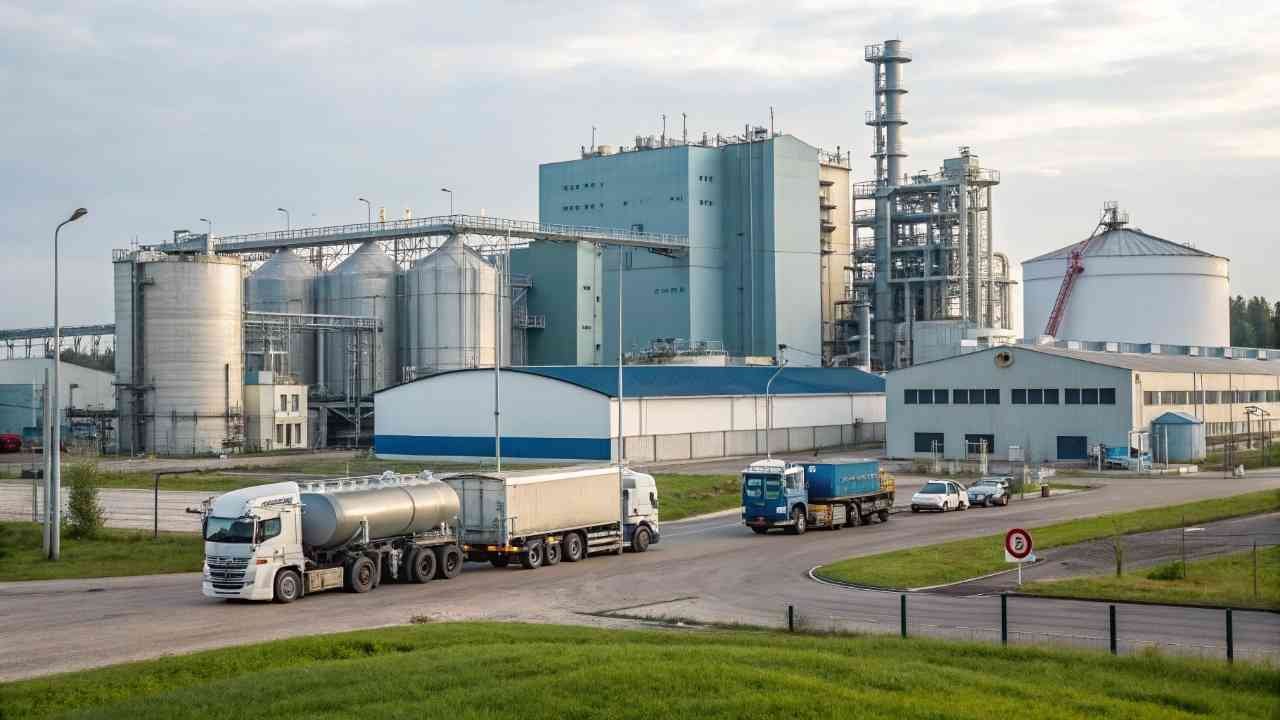
I observe that the animal feed market3 is the biggest driver of Vitamin B6 pricing. Poultry and swine farmers use B6 to ensure healthy growth in their animals. If there is a boom in meat production in regions like Southeast Asia or Brazil, the feed industry buys millions of tons. This leaves very little stock for the food and pharma industries. When this happens, the price for food-grade Pyridoxine jumps. I track the livestock cycles to help my buyers. For example, demand usually rises before the winter months. I suggest you buy your stock in the "off-season" when the feed industry is quiet.
Human food demand is also a stable driver. Many countries require bread and cereals to be enriched with Vitamin B6. This demand does not change much. It creates a "floor" for the price. The price rarely drops below a certain level because mills must buy it every month. Also, the rise of "Immunity" supplements has increased the demand for high-purity material. These pharmaceutical-grade buyers often pay a premium. This can pull the whole market price upward. I manage the supply from different factories to ensure my food-grade buyers do not compete directly with these pharma-grade price peaks.
Demand Sector Breakdown
| Sector | Usage Share | Price Influence | Demand Type |
|---|---|---|---|
| Animal Feed | 70% | Very High | Seasonal / High Volume |
| Food Fortification | 15% | Moderate | Stable / Mandatory |
| Pharmaceuticals | 10% | Moderate | High Purity / Premium |
| Energy Drinks | 3% | Low | Niche / Liquid B6 |
| Cosmetics | 2% | Low | Specialized use |
How Do Energy Costs Impact Vitamin B6(Pyridoxine) Production Costs?
High energy bills in China force vitamin prices upward. These costs are out of your control but affect your budget. I help you understand how energy moves the market.
Vitamin B6 production is energy-intensive, requiring significant electricity and steam for synthesis. Rising coal and gas prices in China lead to immediate increases in factory-gate prices. Seasonal energy caps in manufacturing provinces also restrict supply and inflate costs.
Energy Consumption in Chemical Synthesis
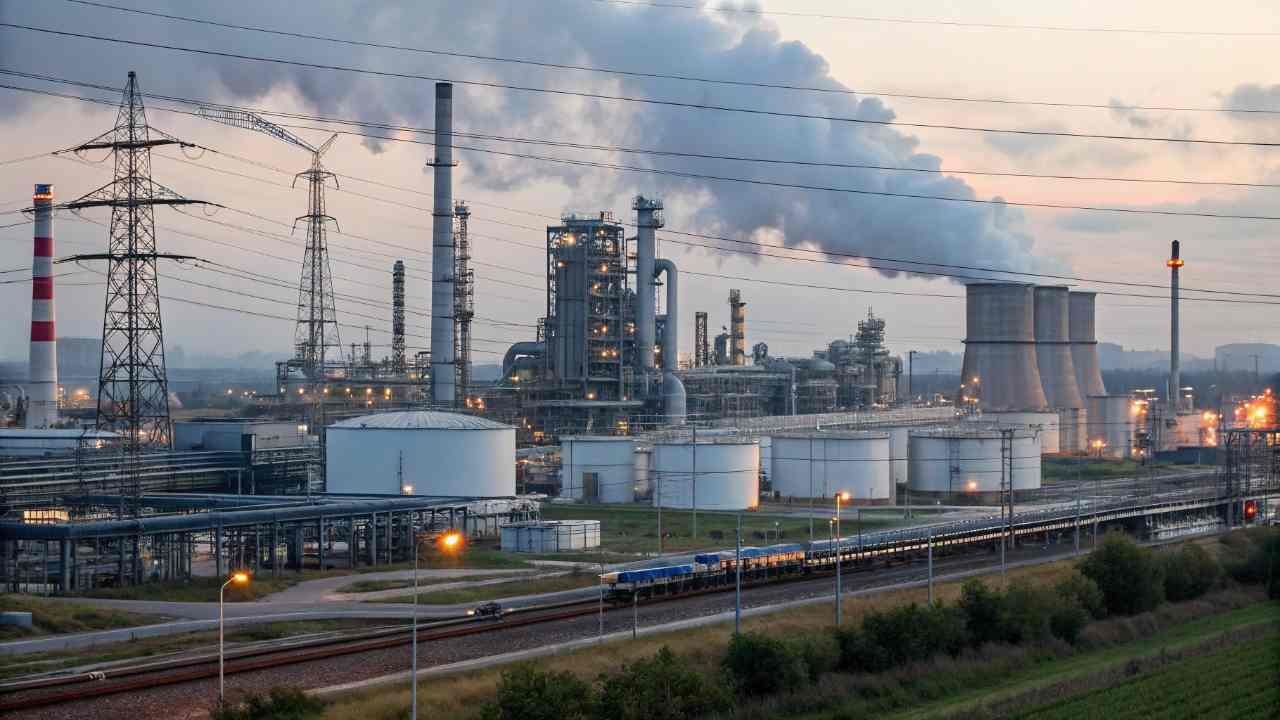
I want you to understand that Vitamin B6 is not a simple mix. It is made through high-temperature chemical reactions. The tanks must be kept at specific temperatures for many days. This requires a lot of steam. In China, steam usually comes from coal or natural gas. When the price of coal goes up, the factory cost goes up immediately. I monitor the energy index in provinces like Hubei and Shandong. I tell my buyers when a price hike is coming based on energy trends. This helps them decide to stockpile material before the market reacts.
Also, the Chinese government sometimes sets "energy caps." This is called the "Dual Control" policy. It limits how much power a factory can use in one month. If a factory hits its limit, it must stop production for a few days. This lowers the supply and raises the price. I manage the relationship with several factories in different regions. If one region has an energy crisis, I move the order to another factory. This oversight is how I protect your supply chain4 from local energy shocks. I focus on technical facts to help you plan your procurement budget accurately.
Energy Impact Factors Table
| Energy Factor | Impact on Cost | Duration | Result for Buyer |
|---|---|---|---|
| Coal Price Hike | High | 1 - 3 Months | Higher base price |
| Electricity Limits | Very High | 1 - 2 Weeks | Shortages and delays |
| Steam Shortage | Moderate | Immediate | Production stops |
| Green Energy Tax | Low | Long-term | Gradual price rise |
| Natural Gas Spikes | High | 1 Month | Seasonal price peaks |
When Is the Best Time to Purchase Vitamin B6(Pyridoxine)?
Buying at the wrong time drains your budget. Market spikes happen without warning. I provide a guide on when to buy to ensure you get the lowest price possible.
The best time to purchase Vitamin B6 is during market "dips," usually post-Chinese New Year or during the summer lull (July-August). Monitoring factory maintenance schedules and buying before the Q4 peak ensures you lock in more competitive wholesale rates.
Timing Your Orders with Market Cycles
I observe that the price of Vitamin B6 in China has a clear cycle. Prices are often high in December and January. This is because factories are preparing to close for the Spring Festival. Everyone tries to buy at the same time. This creates a fake shortage. I suggest you buy your stock in October or November to avoid this peak. Also, the summer months are often a good time to buy. Many factories do maintenance in July. They want to clear their old stock before they stop. I track these maintenance windows for my clients. When the price hits a low point, I tell them to buy a 3-month safety stock.
Strategic timing also includes watching the currency market5. We trade in US Dollars, but the factories pay in Chinese Yuan. If the Yuan is weak, the USD price for you is lower. I track the exchange rate every morning. I act as your eyes and ears in China. I tell you when to wait and when to act. This data-driven approach is how my clients stay profitable. I also suggest using the "Reorder Point" (ROP) system. You should place a new order when your stock hits a certain level. I help you calculate this level based on your usage and the current lead time.
Quarterly Purchasing Guide
| Quarter | Market Trend | Price Level | Recommended Action |
|---|---|---|---|
| Q1 (Post-CNY) | Reopening | Moderate | Buy only urgent lots |
| Q2 (Spring) | High Supply | Stable | Good time for bulk buy |
| Q3 (Summer) | Low Feed Demand | Downward | Best time for annual lock |
| Q4 (Winter) | Year-end Rush | Highest | Avoid if possible |
How Can Buyers Reduce Vitamin B6(Pyridoxine) Procurement Costs?
Small shipments lead to high unit costs and logistics waste. You lose your competitive edge. I provide bulk options and strategic plans to lower your total landed costs.
Buyers reduce costs by purchasing full container loads (FCL) to minimize freight per kilogram. Consolidating multiple vitamins into mixed shipments and signing 12-month annual contracts locks in lower prices and protects your business from sudden spot market surges in China.
Logistics Optimization and Mixed Containers
I see that shipping is a major part of your cost. If you buy small amounts, you pay for LCL (Less than Container Load). In LCL, you pay high fees for shared space and port handling. I suggest my buyers always aim for an FCL. A 20ft container can hold about 10 to 12 tons of Vitamin B6. If you do not need 10 tons of B6, I can help you. I offer "mixed containers." You can buy 2 tons of B6, 3 tons of B1, and 5 tons of Vitamin C. This way, you get the low FCL shipping rate for everything. This strategy saves you thousands of dollars on every shipment.
Annual contracts are the second big way to save. I help my regular partners sign 12-month agreements. We agree on a fixed price and a monthly delivery schedule. This protects you from the "price bubbles" that happen every few years. Even if the market price doubles, your price stays the same. This budget security is vital for large company buyers. I manage the relationship with the factory to ensure they honor the contract. Also, by buying directly through a managed exporter like FINETECH, you remove the extra markups of small traders. I focus on efficiency to give you the most competitive price in the market.
Cost Saving Strategies Comparison
| Strategy | Savings Type | Savings % (est) | Implementation |
|---|---|---|---|
| Bulk FCL | Logistics | 15% - 20% | Order 10+ Tons |
| Mixed Cargo | Logistics | 10% - 15% | Combine vitamins |
| Annual Contract | Price Stability | 5% - 10% | Sign for 12 months |
| Direct Sourcing | Markup Removal | 3% - 5% | Use FINETECH |
| Market Timing | Price Lows | 8% - 12% | Buy during dips |
Conclusion
Vitamin B6 prices depend on raw materials, energy, and demand cycles. I help you track these trends at FINETECH to ensure you buy at the best price and stay profitable.
-
NIH Office of Dietary Supplements – A professional resource for technicians detailing the biological roles and health standards for Vitamin B6. ↩
-
Investopedia – Explaining how vertical integration helps manufacturers control supply risks and improve trade stability. ↩
-
All About Feed – Industry news and analysis for the global animal feed market, a primary driver for food additive consumption. ↩
-
SCMR – A trade-oriented resource for supply chain professionals focusing on logistics and global procurement strategies. ↩
-
Reuters – Real-time updates and analysis of the global currency market, essential for international buyers managing exchange rate risks. ↩