Volatile raw ingredient costs and unexpected regulatory changes on imports disrupt chemical purchasing budgets. Operating without strategic supply foresight risks costly delays. Comprehensive trend analysis solves these issues.
The global Vitamin H supply market is unique due to its extreme geographical concentration, with China controlling nearly 100% of the world's D-Biotin production capacity, and its complex multi-step chiral chemical synthesis, which acts as a steep technical barrier for new manufacturers.
Managing continuous industrial production requires a reliable raw material pipeline and strict quality verification. B2B buyers must use strategic sourcing to minimize exposure to upstream bottlenecks. Sourcing partners like FINETECH simplify factory checks, verify production compliance, and secure competitive pricing directly in China to guarantee bulk deliveries. This comprehensive analysis covers the unique characteristics of the global Vitamin H supply market.
Which Countries Produce the Most Vitamin H Series?
Sourcing from small-scale facilities can lead to sudden capacity shortages and delayed bulk shipments during peak seasons. Fragile supply lines threaten manufacturing operations. Evaluating international manufacturing hubs secures your raw material volume.
China is the dominant producer of the Vitamin H series, controlling nearly 100% of global D-Biotin production capacity. The market is highly consolidated, with major operations centered in Zhejiang province through companies like Zhejiang Shengda and Zhejiang NHU.
Dive Deeper into Regional Manufacturing Concentration
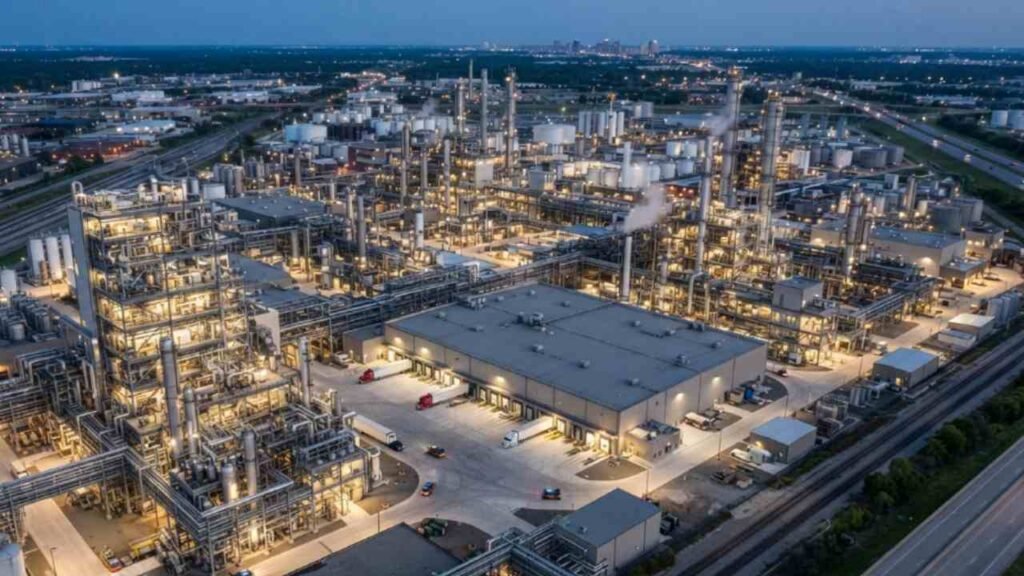
The global manufacturing landscape for the Vitamin H series is one of the most geographically concentrated in the entire chemical sector. China is the absolute anchor of global production, controlling nearly one hundred percent of the world's D-Biotin1 manufacturing capacity. This extreme concentration is the result of years of industrial consolidation and significant local investments in large-scale synthesis facilities. A few major chemical companies in Zhejiang province produce the vast majority of the global volume.
The leading global manufacturers are Zhejiang Shengda Bio-Pharm, Zhejiang NHU, and Zhejiang Medicine (ZMC). These three entities, alongside Shanghai Hegno, operate fully integrated plants that control the multi-step chemical synthesis process. Because these factories operate with immense economies of scale, regional producers in Europe and North America have completely exited the raw manufacturing market. Today, Western countries rely entirely on importing raw Biotin crystals from China for local dilution and blending. This geographical monopoly means that any localized power rationing, transport delay, or regulatory change in China immediately shifts the global Biotin market. Sourcing partners like FINETECH track these factory operations directly, helping international B2B buyers secure stable volume allocations and navigate regional export policies.
| Sourcing Hub | Estimated Global Share | Key Manufacturers | Sourcing Risk Profile |
|---|---|---|---|
| China (Zhejiang) | ~98% of total volume | Zhejiang Shengda, NHU, ZMC | High geographic concentration risk |
| Europe | Minor local dilution | Local blenders and distributors | Total reliance on imported crystals |
| North America | Local premix blending | Multi-national food processors | Tariff impacts and logistics delays |
| India | Emerging contract blending | Local formulation plants | Import dependencies on chemical precursors |
Why Is Vitamin H Series Production More Specialized Than Other Vitamins?
Relying on simple blending facilities can lead to receiving inactive chemical isomers that fail to deliver nutritional results. Substandard synthesis processes ruin product quality. Understanding specialized chemical pathways protects formulations.
Vitamin H production is highly specialized because synthesizing the active D-Biotin isomer requires a complex, multi-step chiral chemical pathway. This process relies on meso-tartaric acid starting materials, precise catalysts, and rigorous hazardous waste treatment systems.
Dive Deeper into Chiral Synthesis and Technical Barriers
Synthesizing Vitamin H (D-Biotin) is a highly complex process compared to other water-soluble vitamins. The Biotin molecule has a unique chemical structure. It consists of a fused ureido ring attached to a tetrahydrothiophene ring with a valeric acid side chain. This complex bicyclic structure contains three asymmetric carbon atoms, creating eight possible stereoisomers. Only one of these isomers, the D-Biotin form, is biologically active in human and animal systems.
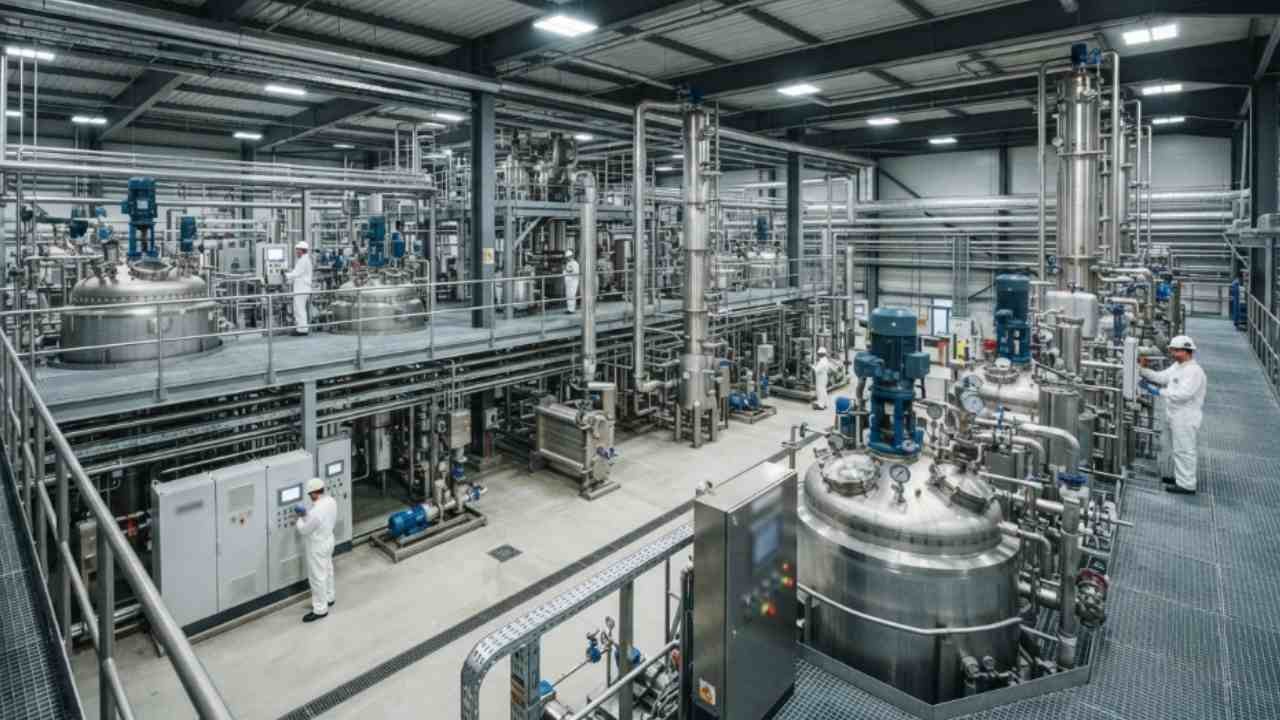
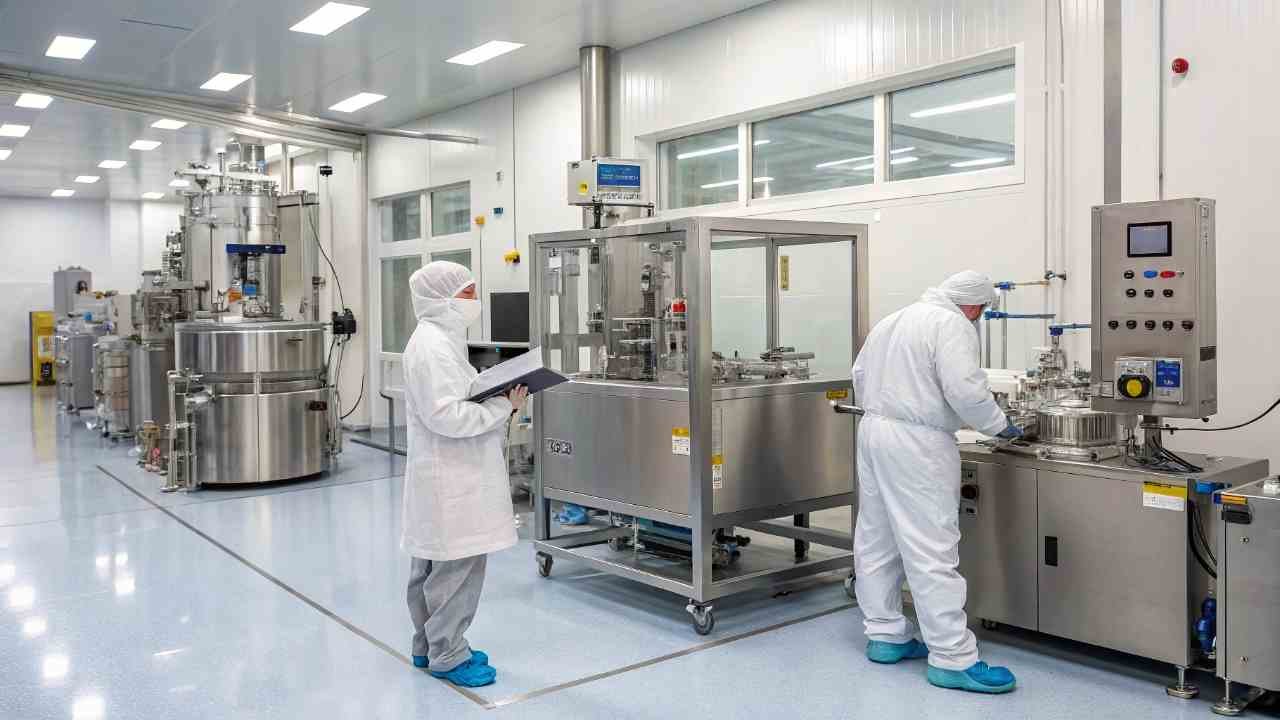
To produce this specific isomer, chemical plants must use a highly specialized multi-step chemical synthesis pathway, historically based on the Sternbach process2. This process requires precise chiral catalysts and starts with raw materials like meso-tartaric acid. The synthesis involves hazardous chemical reactions, requiring specialized safety equipment and cleanrooms to manage phosgene equivalents and sulfur-bearing precursors safely. Achieving high isomer purity and active yields requires advanced technology and significant capital investment. Because of these steep technical barriers, small chemical plants cannot easily enter the market, keeping the manufacturing power concentrated within a small group of certified Chinese producers. Sourcing managers must evaluate whether their suppliers utilize automated cleanrooms and robust crystallization equipment to ensure batch-to-batch chemical assay consistency.
| Synthesis Stage | Chemical Precursor | Technical Challenge | Quality Control Focus |
|---|---|---|---|
| Starting Material | Meso-tartaric acid | Pure chiral resolution | Verify raw material trace purity |
| Bicyclic Formation | Phosgene equivalents | Hazardous chemical handling | Audit plant environmental safety logs |
| Sulfur Insertion | Sulfur-bearing precursors | Complex sulfur reaction controls | Check residual sulfur compound limits |
| Isomer Purification | Organic solvents & solvents | Isolating active D-Biotin | Test active isomer ratios using HPLC |
What Factors Affect the Global Supply of Vitamin H Series?
Sudden environmental shutdowns in manufacturing regions can deplete your raw material safety stocks and halt your production. Unmonitored factory compliance issues disrupt import schedules. Examining external supply drivers prevents buying delays.
The global supply of Vitamin H is primarily affected by strict environmental inspections in China, raw material precursor costs, import tariffs, shipping container availability, and operating rate changes at a few dominant manufacturing plants.
Dive Deeper into Environmental Audits and Tariff Pressures
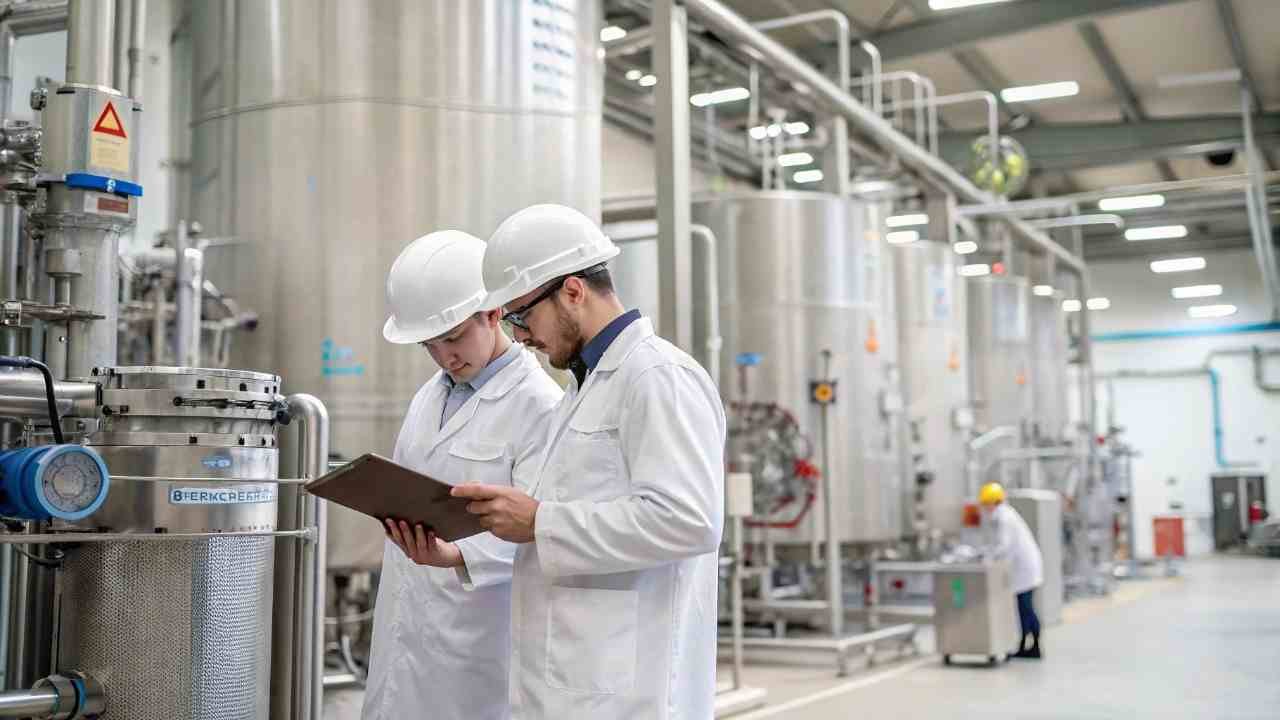
The global supply of the Vitamin H series is shaped by several critical regulatory and environmental factors. Because Biotin synthesis involves complex chemical solvents and sulfur-containing intermediates, the production process generates a significant volume of industrial wastewater. Consequently, Chinese manufacturing plants must comply with strict local environmental protection laws. During regional environmental audits, local governments can enforce temporary factory closures or production limits. These sudden shutdowns immediately contract the global supply, causing wholesale spot prices to spike.
International trade policies and tariff structures also play a major role in supply distribution. For example, import tariffs in the United States and evolving regulatory standards in the European Union create friction in international trade channels. Evolving labeling and safety guidelines from food authorities require importers to provide detailed batch traceability documents. Furthermore, price volatility in raw chemical precursors, such as meso-tartaric acid, directly shifts manufacturing overheads. Sourcing partners like FINETECH manage these supply risks by conducting in-person audits of Chinese factories. They monitor wastewater treatment compliance, verify testing logs (HPLC/GC3), and track regional policy changes, ensuring that international B2B buyers maintain a consistent and legally compliant raw material supply chain.
| Supply Variable | Direct Market Influence | Severity Level | Sourcing Mitigation Method |
|---|---|---|---|
| Environmental Audits | Temporary factory shutdowns | High | Select suppliers with automated waste plants |
| Tariff Policies | Higher import landed costs | Medium to High | Optimize logistics routing and customs codes |
| Precursor Prices | Fluctuating manufacturing costs | Medium | Secure fixed-rate quarterly contracts |
| Logistics Delays | Delayed container shipping | Medium | Maintain a 3-month safety buffer stock |
How Does Demand from Feed and Nutrition Industries Influence Vitamin H Series Supply?
Mismatched purchasing volumes can leave your company overstocked during price drops or short of raw materials when demand surges. Ignoring market buying patterns increases purchasing risks. Tracking industry demand trends stabilizes inventory.
Demand from the animal feed industry determines the baseline volume of Vitamin H production, while the human dietary supplement and cosmetics sectors drive the demand for high-margin, high-purity crystalline grades, heavily influencing factory production priorities.
Dive Deeper into Animal Nutrition and Nutraceutical Trends
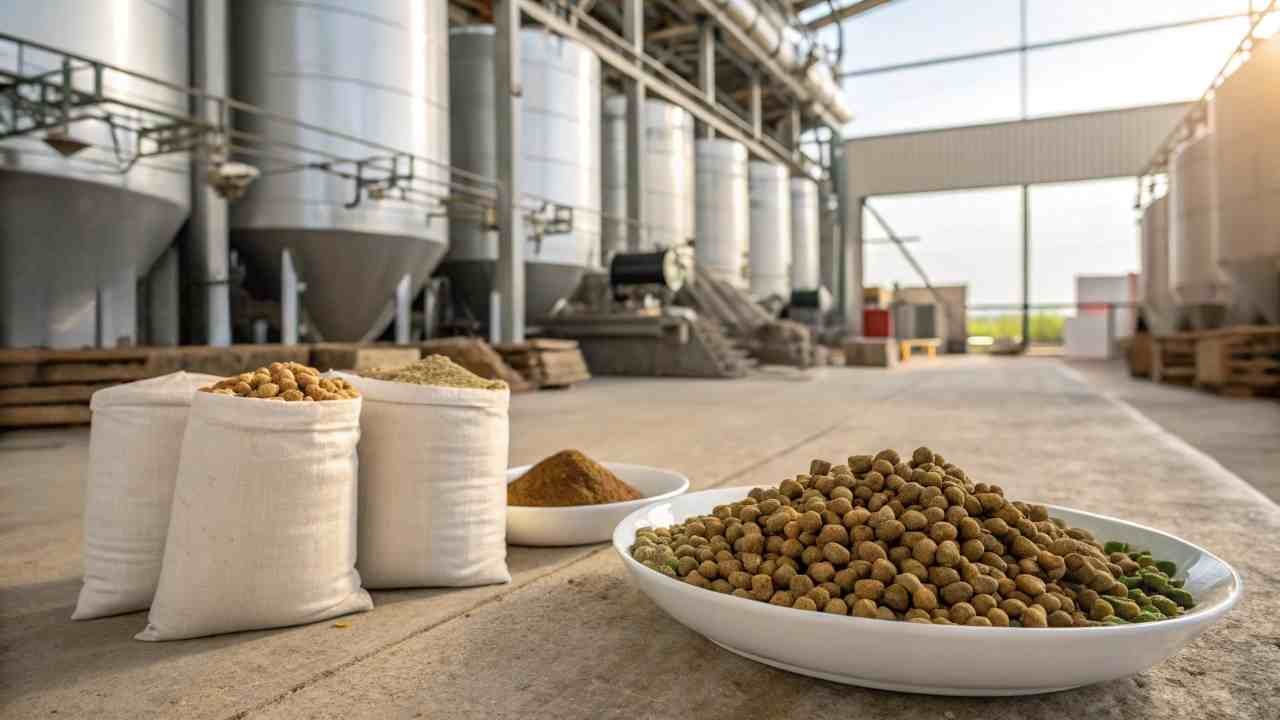
The global Vitamin H supply is directly influenced by shifting demand patterns in two major industries: animal nutrition and human nutraceuticals. The animal feed sector represents the largest consumer by volume. Livestock feed pre-mixes require feed-grade D-Biotin, typically diluted to a two percent concentration, to support critical physiological functions. In dairy farming, Biotin is essential to maintain hoof health4 and increase milk yields. In poultry production, it prevents fatty liver syndrome and protects skin and feathers. Any changes in global livestock herd sizes immediately alter feed-grade Biotin purchase volumes.
Conversely, the human dietary supplement and cosmetics sectors drive the demand for premium, high-purity Biotin Pure (98%+ USP/EP grade5). Consumers actively purchase Biotin capsules, softgels, and gummies to support hair, skin, and nail health, creating a fast-growing retail market. This beauty-from-within trend requires suppliers to provide high-purity crystalline powders that dissolve clearly in liquid formulations without altering taste. Sourcing managers must balance their inventory between these two distinct grades. Sourcing partners like FINETECH help B2B buyers navigate these market shifts, ensuring they purchase the correct grade and dilution form to match their target processing systems.
| Market Segment | Typical Grade Used | Primary Demand Driver | Impact on Factory Output |
|---|---|---|---|
| Animal Feed | D-Biotin 2% Powder | Swine and poultry premix volume | Dictates baseline bulk factory volumes |
| Nutraceuticals | D-Biotin Pure (98%) | Softgels, gummies, and capsules | High-value production priority |
| Cosmetics | D-Biotin Pure (USP/EP) | Anti-aging hair and skin care | Demands ultra-low residual solvents |
| Infant Nutrition | D-Biotin 1% Food Grade | Nutritional enrichment laws | Requires strict heavy metal testing |
How Can Buyers Secure a Reliable Source of Vitamin H Series?
Relying on a single factory or online broker can cause your production to halt instantly if that plant faces an unexpected shutdown. Unsecured supply lines disrupt operations. Implementing systematic security steps protects shipments.
Buyers can secure a reliable source of Vitamin H by implementing a multi-factory approval system, verifying exact purity specifications, checking international safety certifications (ISO 22000, FAMI-QS), and partnering with local sourcing experts like FINETECH.

Dive Deeper into Sourcing Strategies and Grade Vetting
Sourcing high-quality Vitamin H requires a systematic verification process to manage the risks of geographic concentration. Sourcing managers should avoid relying on a single factory or online broker. Instead, they must establish a multi-factory approval system. This practice involves auditing and approving multiple certified Chinese producers, such as Zhejiang Shengda and Zhejiang NHU. Approving alternate facilities ensures that if one plant faces environmental audits or technical maintenance, the backup facility can fulfill the order.
Additionally, buyers must verify the exact purity grades and carrier excipients of their shipments. For feed applications, buyers should purchase stable D-Biotin 2% powder, checking whether the carrier is calcium carbonate or dicalcium phosphate. For human supplements, pure D-Biotin 98% USP/EP grade is required. Sourcing partners like FINETECH simplify this complex vetting process for B2B buyers. They handle factory selection, check cleanroom logs, verify international certificates (ISO 22000, FAMI-QS, Halal, Kosher), and manage direct logistics with low MOQs. This comprehensive support allows buyers to purchase smaller, fresh batches of raw materials, reducing inventory storage risks while keeping their international supply pipeline consistent, compliant, and highly cost-effective.
| Sourcing Security Element | Technical Sourcing Requirement | Main Operational Benefit | Sourcing Implementation Action |
|---|---|---|---|
| Multi-Sourcing Model | Approved backup factories | Prevents local shutdown halts | Approve alternate regional facilities |
| Purity Verification | HPLC testing and safety certs | Guarantees import compliance | Request batch-specific COAs before loading |
| Contract Locking | Fixed-volume quarterly deals | Protects budgets from spikes | Sign volume deals during low seasons |
| Sourcing Partners | Work with experts like FINETECH | Handles factory audits & low MOQ | Consolidate purchases with local specialists |
Conclusion
Vitamin H supply is highly concentrated and technically specialized. Partnering with a dedicated sourcing team ensures consistent, compliant, and highly cost-effective import pipelines.
-
Lasker Foundation – Provides a historical perspective on the early structural elucidation of Biotin (Vitamin H) and how discoveries in transmethylation shaped its applications in animal nutrition. ↩
-
Google Patents – Explores the 1949 Goldberg and Sternbach patent for Hoffmann-La Roche, detailing the historical chemical engineering reactions and pathways utilized for active vitamin synthesis. ↩
-
Eurofins USA – Explains modern laboratory services used to perform identity, purity, and potency validations to verify dietary supplement raw materials. ↩
-
PubMed – Evaluates the clinical impact of supplemental biotin on hoof lesions and tissue composition in dairy cattle, showing how target nutrition directly influences herd health. ↩
-
United States Pharmacopeia (USP) – Outlines standard monographic guidelines, verification programs, and B2B audit procedures that define pharmaceutical-grade ingredients. ↩