Worried about damaged or degraded Vitamin E? The wrong packaging can turn a perfect product into a total loss. It is a costly, avoidable mistake.
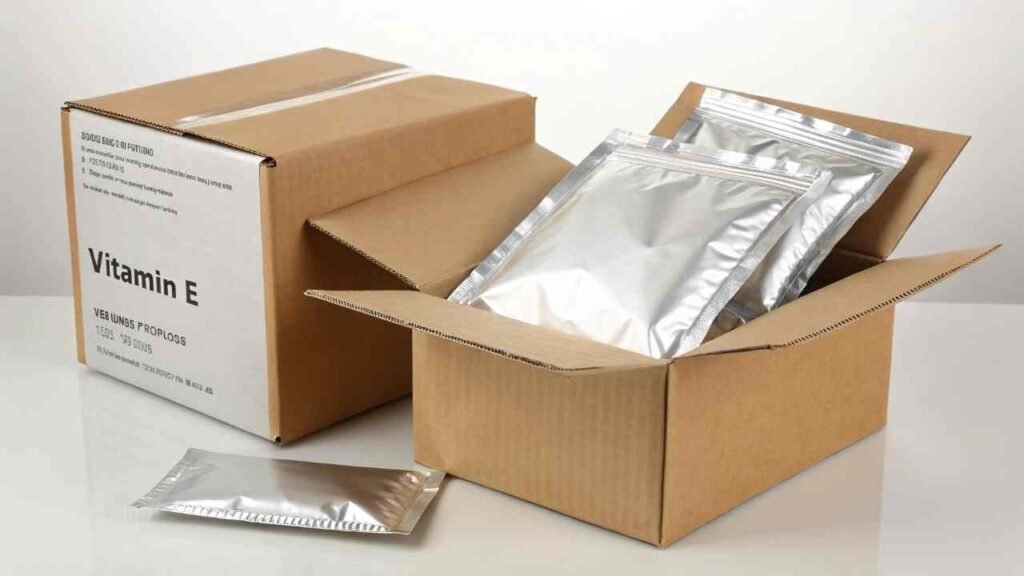
The best packaging for Vitamin E exports is a multi-layer system. For bulk, this is a 25kg carton or drum containing a heat-sealed, nitrogen-flushed aluminum foil bag. This system protects the vitamin from oxygen, light, moisture, and physical damage.
I always tell my clients that packaging is a critical part of a product's quality. For an essential antioxidant like Vitamin E, the packaging is not just a box; it is an active preservation system. Buyers know this well, understanding that good packaging is essential to protect their investment.
Why is packaging important for Vitamin E?
Is the box just for shipping? For an antioxidant like Vitamin E, the packaging is what preserves its value. Ignoring it is a costly mistake.
Packaging is critically important because Vitamin E is an active antioxidant, meaning it is highly susceptible to degradation from oxygen (oxidation), UV light, and heat. The right packaging acts as an essential barrier, preserving the vitamin's potency.
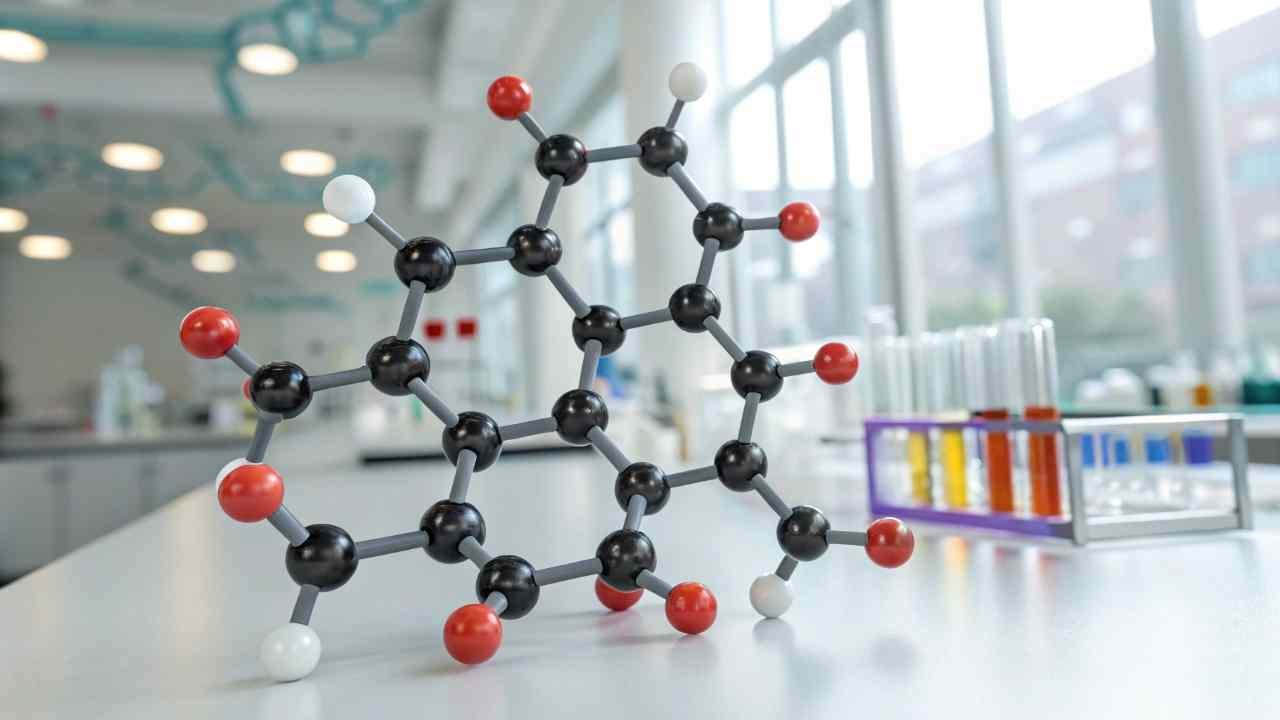
Vitamin E's job is to be an antioxidant1, which means it is chemically designed to react with oxygen. This makes it vulnerable. The packaging is a fortress designed to protect it from its three main enemies: oxygen, light, and heat. All three will aggressively attack the vitamin and destroy its potency and value if it is not properly shielded.
Threats to Vitamin E Stability:
| Threat | Effect on Vitamin E Molecule | Result for the Buyer |
|---|---|---|
| Oxygen | Oxidation (sacrificial reaction) | Loss of potency, reduced antioxidant power. |
| Light (UV) | Accelerates the oxidation process | Rapid and premature loss of value. |
| Heat | Accelerates the oxidation process | Rapid and premature loss of value. |
What types of packaging protect Vitamin E?
You see Vitamin E in cartons and drums. What is the professional standard, and how is it designed to provide maximum protection?
The best protective packaging is a two-part system. The outer layer is a robust 25kg container, usually a multi-wall carton or a fiber drum, for physical strength. The critical inner layer is a heat-sealed, multi-layer aluminum foil composite bag.

The standard packaging is a two-part system. The outer carton or drum2 is the physical armor, providing strength and stackability to resist crushing during transit. The inner fortress is the high-tech, multi-layer aluminum foil bag3. This bag is the critical barrier that blocks out oxygen, moisture, and light, creating a safe, sealed environment for the sensitive vitamin inside.
Packaging Component Breakdown:
| Component | Material | Primary Function |
|---|---|---|
| Outer Container | Carton or Fiber Drum | Physical protection, crush resistance, stackability. |
| Inner Bag - Key Barrier | Aluminum Foil Composite | The ultimate barrier against oxygen, light, and moisture. |
How does packaging affect Vitamin E shelf life?
You see a long shelf life, like 24 or 36 months, on the certificate. How is this possible for such a reactive ingredient?
The packaging is the primary enabler of a long shelf life. The process of flushing the sealed aluminum bag with nitrogen gas removes the oxygen. This creates an inert atmosphere that effectively halts the oxidation process, preserving the Vitamin E's potency for years.

The secret to a multi-year shelf life is nitrogen flushing4. Before the aluminum bag is sealed, we flush out the normal, oxygen-rich air and replace it with pure, inert nitrogen gas. Since nitrogen does not react with Vitamin E, this creates a safe, oxygen-free atmosphere. This process effectively "pauses" the degradation, locking in the vitamin's potency for its entire shelf life. It is the key piece of technology that guarantees quality over time.
Potency Retention by Packaging Method (Illustrative):
| Packaging Method | Atmosphere Inside Bag | Estimated Potency After 18 Months |
|---|---|---|
| Simple PE Bag | Oxygen-rich (Air) | < 70% |
| Nitrogen-Flushed Aluminum Bag (Standard) | Inert (Nitrogen) | > 99% |
How can packaging reduce Vitamin E shipping damage?
Tired of receiving shipments with crushed cartons and torn bags? This damage is not just cosmetic; it can compromise the product.
Robust packaging design is the primary defense against shipping damage. This includes using strong cartons, stacking them correctly on sturdy pallets, and securing the entire pallet with multiple layers of stretch wrap to create a single, stable, and impact-resistant unit.

To prevent damage, we do not just ship individual boxes. We build a single, stable block. The cartons are stacked in an interlocking pattern on a strong pallet. Then, the entire pallet is wrapped tightly with multiple layers of stretch film5. This binds all the boxes together into a single, solid unit6. This unit is far more resistant to shifting, falling, and impact damage inside the container during a rough sea voyage.
How to save costs with bulk Vitamin E packaging?
You know that bulk buying can save on the product price, but how does the packaging itself contribute to these savings?
Standard bulk packaging (25kg cartons) is designed to maximize logistical efficiency. It allows you to ship via Full Container Load (FCL), which drastically lowers your per-kilogram freight cost. The cost of the packaging material itself is also much lower per kg.
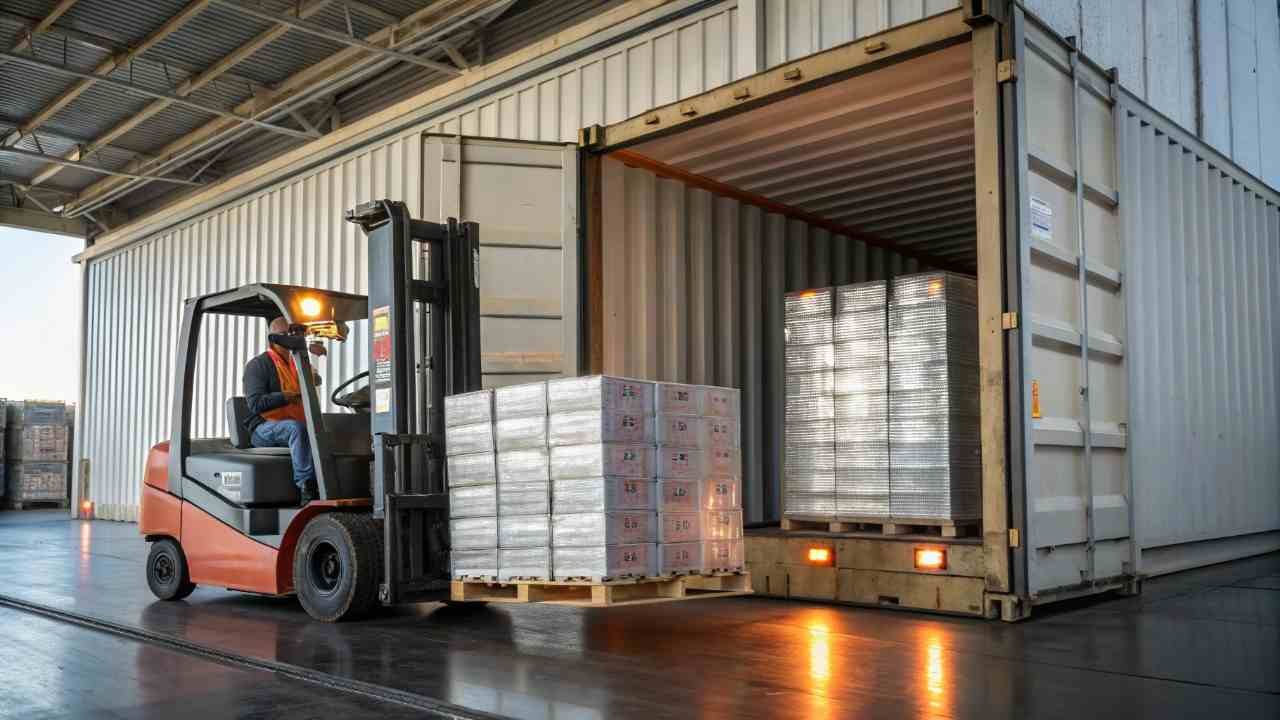
The 25kg carton is engineered to save you money. Its dimensions are designed to stack perfectly onto pallets, which in turn are designed to fit perfectly into a shipping container. This allows you to ship a Full Container Load (FCL), which drastically reduces your per-kilogram freight cost compared to smaller LCL shipments. Additionally, the per-kilogram cost of bulk packaging materials is far lower than for small consumer packs.
Cost Efficiency Comparison:
| Cost Aspect | Small Packs (e.g., 1kg Tubs) | Bulk Packs (25kg Cartons) |
|---|---|---|
| Packaging Material Cost / kg | High | Low |
| Freight Efficiency | Low (LCL is expensive) | Highest (with FCL) |
| Total Landed Cost / kg | High | Lowest |
Conclusion
The best packaging for Vitamin E is a complete system. It preserves quality, prevents damage, and is designed to lower your overall costs through maximum logistical efficiency.
-
Learn how antioxidants like Vitamin E protect your body from oxidative stress and promote overall health. ↩
-
Understanding the role of outer cartons can enhance your knowledge of packaging efficiency and protection. ↩
-
Exploring the benefits of aluminum foil bags can help you appreciate their role in preserving product quality. ↩
-
Discover how nitrogen flushing preserves food quality and extends shelf life, ensuring you get the most out of your products. ↩
-
Exploring the uses of stretch film can help you improve your packaging methods and protect your goods. ↩
-
Understanding the concept of a single solid unit can enhance your shipping practices and reduce damage. ↩