
Rigid payment terms freeze your cash flow and stop your growth. This financial strain hurts your competitiveness. I explain common terms to help you manage your capital better.
Common payment terms for MSG trade include T/T (30% deposit, 70% against Bill of Lading), Irrevocable Letters of Credit (L/C), and D/P. For long-term partners, Open Account (OA) terms through Sinosure allow for 30 to 90 days of credit to maximize liquidity and buying power.
I manage factory selection and oversee production for my B2B clients at FINETECH. I want to share the technical facts about payment structures so you can manage your procurement budget more effectively and safely.
What payment methods are used for MSG orders?
Unclear payment structures create confusion and risk for your bank account. One mistake can drain your cash. I identify the standard methods that keep your MSG procurement safe.
The most common methods are T/T (Telegraphic Transfer) and L/C (Letter of Credit). Standard T/T involves a 30% deposit to start production and a 70% balance paid upon receipt of the Bill of Lading copy. L/C at sight provides bank-guaranteed safety for large bulk shipments.
The Industry Standard for Bulk Trade
I see that most MSG transactions start with T/T (Telegraphic Transfer). This is the fastest way to move money. Usually, we use a "30/70" structure. You pay a 30% deposit to the factory. This money lets the factory buy raw materials like corn starch and start the fermentation process. I monitor the production progress for you. When the MSG is ready and shipped, the factory sends you a digital copy of the Bill of Lading (BL). You pay the remaining 70% balance then. This structure is the industry standard because it shares the risk between the buyer and the producer.
Another common method is the Letter of Credit (L/C)1. This is very popular for high-value orders in the Middle East and Southeast Asia. With an L/C, your bank guarantees the payment. The factory only gets the money if they provide the correct documents. These documents include the COA, Packing List, and Health Certificate. I check these documents to ensure they are 100% accurate. If there is a typo, the bank will not pay. This level of detail is a technical requirement for safe trade. Using an irrevocable L/C at sight is the safest way for a large company buyer to handle a new supplier. I act as your office in China to manage this paperwork.
Comparison of Standard Payment Methods
| Payment Method | Risk to Buyer | Risk to Seller | Best Application |
|---|---|---|---|
| T/T 30% / 70% | Moderate | Moderate | Standard wholesale orders |
| L/C at Sight | Very Low | Low | High-value bulk orders |
| D/P (Documents) | Moderate | Moderate | Regular trusted partners |
| CAD (Cash) | Moderate | Moderate | Fast-moving shipments |
| T/T 100% Prepay | Very High | Zero | Small samples only |
How can buyers negotiate flexible MSG payment terms?
Strict upfront payments lock your money away for months. This lack of liquidity stops you from taking new orders. I show you how to negotiate terms that support your expansion.
Negotiate flexible terms by providing trade references, maintaining a consistent payment history, and using Sinosure credit reports. Once trust is established, buyers can transition from T/T deposits to D/P or OA terms with 30-day or 60-day credit windows to improve cash flow.
Building Trust for Better Terms
I see that trust is a technical asset in Chinese business. You cannot get flexible terms on your first order. Chinese factories are careful with their money because their profit margins are small. To get better terms, I suggest you start with a clear plan. You should provide a "Volume Forecast." If the factory knows you will buy 100 tons of MSG every year, they will listen to you. I help you present your company profile to the factory. We show them your market position in Russia, Europe, or the Middle East. This builds their confidence in your stability. A stable wholesaler is a valuable partner for a producer.
You can also use credit reports to prove your strength. I suggest my clients use third-party firms to verify their financial health. If the factory sees you have a high credit score, they might agree to "D/P" (Documents Against Payment). This means you pay when the bank gives you the shipping papers. It keeps your money in your pocket for longer. I also look for "Open Account" (OA) opportunities for my long-term partners. This allows you to pay 30 or 60 days after the goods arrive. This is the ultimate goal for a distributor. It lets you sell the MSG before you pay the bill. I manage the technical steps to reach this level of cooperation.
Strategy Table for Better Terms
| Strategy Step | Technical Action | Goal |
|---|---|---|
| 1. Trial Orders | Pay 3 shipments on time | Establish a track record |
| 2. Volume Commitment | Sign a 12-month contract | Become a VIP partner |
| 3. Credit Verification | Provide Sinosure rating | Reduce factory's risk |
| 4. Insurance Use | Apply for credit insurance | Unlock OA terms |
| 5. Direct Communication | Regular site visits | Build deep personal trust |
What are the risks of advance payment for MSG?
Sending a full deposit to an unvetted supplier is a huge gamble. If the quality is poor, you have no leverage. I outline the risks of advance payment to protect your capital and inventory.
Risks of advance payment include supplier insolvency, non-delivery, and quality defects. Without a balance payment as leverage, buyers have little recourse if the MSG fails purity tests or arrives damaged. Always keep a balance payment until the goods are shipped or inspected.
Managing Capital Risk and Quality Leverage
I see that 100% advance payment is a major red flag in B2B trade2. MSG is a bulk product. If you pay everything upfront, you have zero leverage. If the factory ships a batch with 98% purity instead of 99%, you cannot ask for a refund easily. They already have your money. I always suggest keeping at least 70% of the payment as leverage. This ensures the factory follows your quality standards. I visit the factories to check their inventory before we pay any deposits. This physical audit is how I protect your capital from "Ghost Suppliers" or low-quality producers.
Another risk is factory insolvency. Sometimes a factory has financial trouble. They take your deposit but they cannot buy the raw materials like corn starch. They delay your shipment for weeks. I monitor the financial health of the producers in China. I only work with large, stable plants. I check their "Export Credit" status. If they have problems with other buyers, I find out. I also use "Pre-shipment Inspection" (PSI) from firms like SGS. This inspection happens after the goods are packed but before you pay the balance. If the assay or the crystal size is wrong, we stop the payment. This technical oversight is my commitment to your financial safety.
Risk and Safety Solutions Table
| Risk Factor | Possible Outcome | Protective Measure |
|---|---|---|
| Scams / Fraud | No goods shipped | Verify factory license |
| Quality Failure | Low assay / Impurities | Use PSI (SGS/Intertek) |
| Delivery Delays | Factory cash flow issues | Choose top-tier producers |
| Insolvency | Deposit is lost | Use L/C or Sinosure |
| Hidden Defects | Caking or off-smell | Request pre-ship samples |
How do long-term contracts affect MSG trade?
Market price spikes can ruin your budget overnight. This volatility makes planning impossible. I explain how long-term contracts stabilize your costs and provide better payment terms for your business.
Long-term contracts stabilize MSG pricing by fixing the rate per kilogram for 6-12 months. This protects buyers from corn starch price spikes. Contracts also guarantee priority production slots and help establish the trust needed for factories to offer flexible credit-based payment terms.
Price Stability and Priority Supply
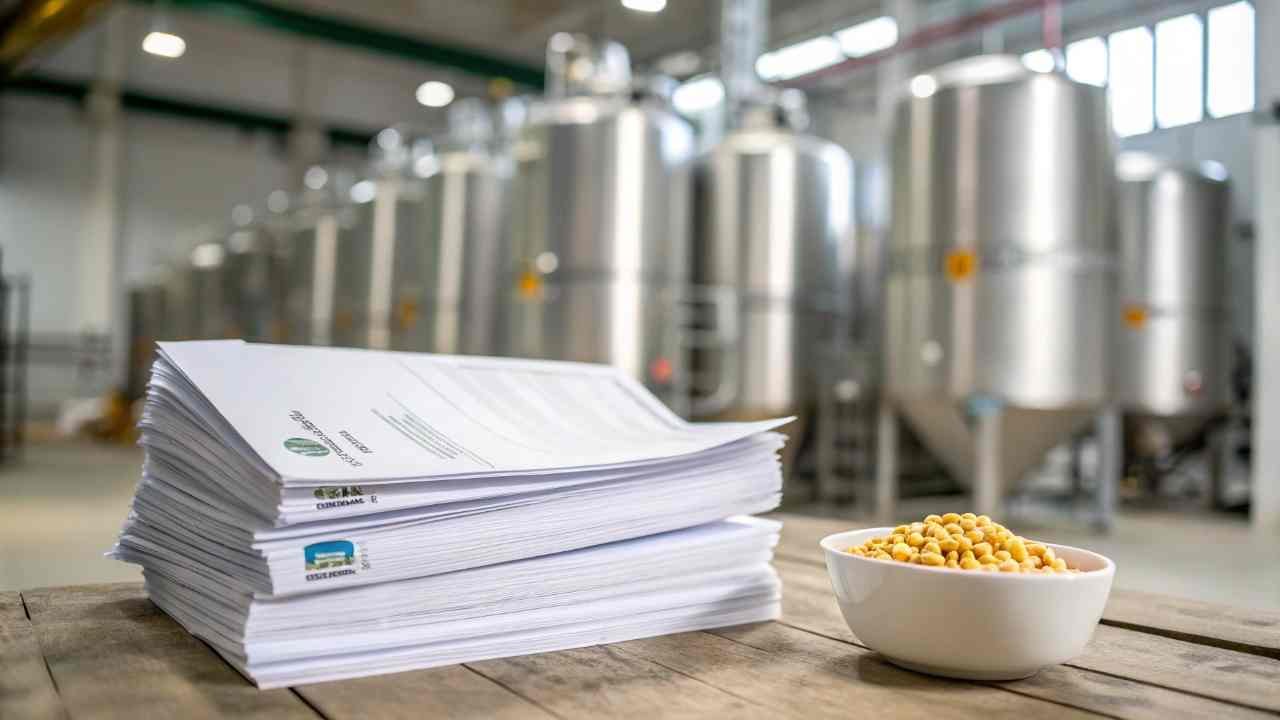
I see that MSG prices are linked to corn and energy. When corn prices rise in China, MSG prices follow. A long-term contract is your shield against these market shifts. We agree on a "Fixed Price" for a set period. This allows you to set your local selling prices without fear. Your margins stay safe even when the spot market is chaotic. I manage these contracts with the producers. I ensure they reserve your production slots every month. This is a technical fact of the supply chain3. Contracts move you to the front of the line. I act as your strategic partner to lock in these benefits.
Also, contracts lead to better payment terms. Factories hate the "Spot Market" because it is unpredictable. They like "Contract Buyers" because they provide stable work. If you commit to a certain volume, I can negotiate better terms. We can move from T/T 30/70 to Net 30 days. This means you pay after the goods have arrived and you have inspected them. This is a massive advantage for your cash flow. I check the performance of the factory to make sure they stick to the contract. If they try to raise the price, I use the contract to protect you. This professional management is why wholesalers work with me.
Spot Market vs. Long-Term Contract
| Feature | Spot Market Buying | Long-Term Contract |
|---|---|---|
| Price Stability | Low (Changes weekly) | High (Fixed for 1 year) |
| Supply Priority | Low (First come) | High (Reserved slots) |
| Payment Terms | Rigid (T/T deposit) | Flexible (Credit terms) |
| Admin Effort | High (New quotes) | Low (Automated) |
| Relationship | Transactional | Strategic Partnership |
What trade finance tools support MSG purchases?
High-volume MSG orders demand massive upfront capital. This strain prevents you from scaling up. I show you the trade finance tools that unlock your buying power and growth potential.
Trade finance tools like Sinosure (credit insurance), bank guarantees, and L/C financing reduce the financial burden. Sinosure allows Chinese factories to offer deferred payment options (OA 30-90 days), giving wholesalers time to sell the product before paying the final invoice.
Using Sinosure for Business Growth
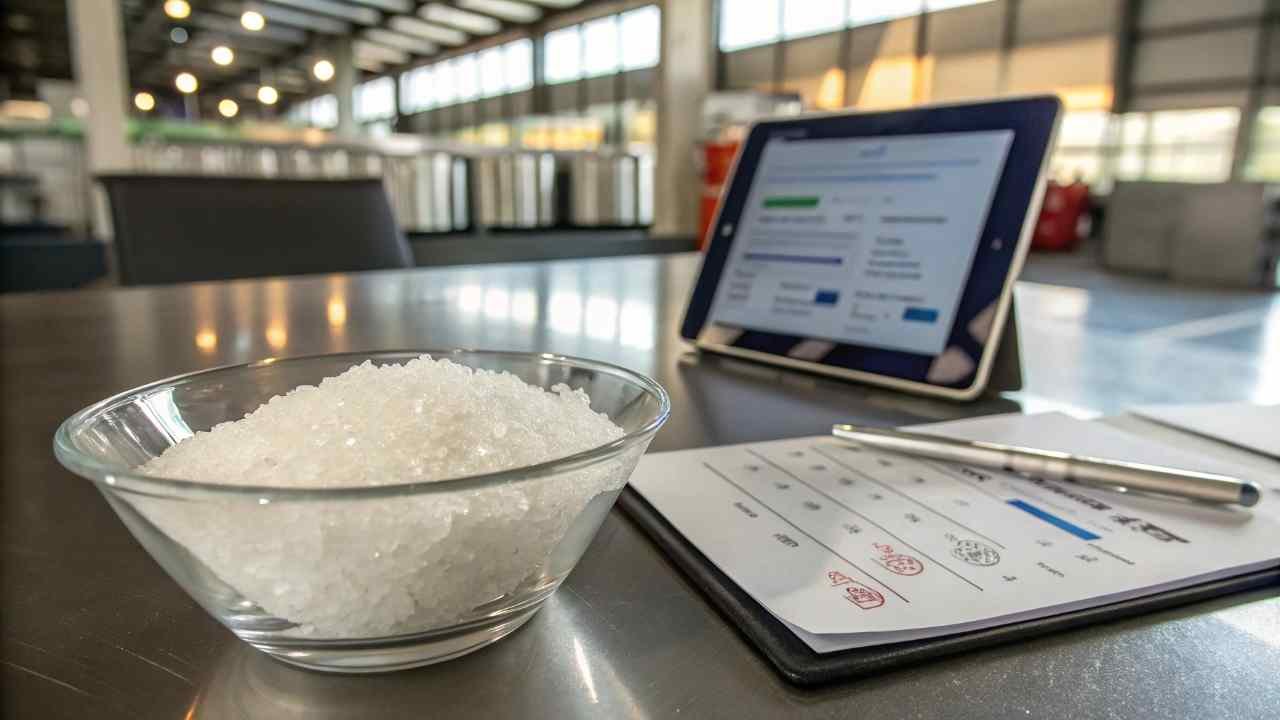
I want to explain the power of Sinosure4. It is the China Export & Credit Insurance Corporation. It is a government-owned tool that helps us trade safely. If I get a credit limit for your company from Sinosure, the factory is protected. If you do not pay, Sinosure pays the factory. Because the factory has this insurance, they can give you "Open Account" (OA) terms. You can pay 30 or 60 days after the Bill of Lading date. This is like a free loan for your business. I manage the application process for my clients. We provide your financial papers to the insurance office. This technical step is the key to scaling.
Bank guarantees5 are another useful tool. Your bank can issue a guarantee to the factory bank. This proves you have the money, but you do not have to send it yet. I suggest this for large government tenders or big food manufacturers. It shows you are a serious buyer. I also oversee the use of "Export Credit." Some Chinese banks offer low-interest loans to help export high-volume products like MSG. I look for these opportunities to lower your total cost. Using these financial tools is a professional way to manage a food additive business. I act as your strategic office in China to optimize these financial paths.
Comparison of Trade Finance Tools
| Tool | Technical Function | Primary Benefit |
|---|---|---|
| Sinosure | Credit insurance | Enables 30-90 days credit (OA) |
| Bank Guarantee | Payment promise | Builds trust with new factories |
| L/C Finance | Bank-to-bank credit | Secure high-value bulk buys |
| Export Credit | Low-interest loan | Lowers the cost of capital |
| Factoring | Selling invoices | Speeds up your own cash cycle |
Conclusion
Safe MSG trade uses T/T deposits, Letters of Credit, or Sinosure-backed credit terms. I manage these technical financial details at FINETECH to protect your capital and grow your business safely.
-
Trade Finance Global – An in-depth resource explaining how Letters of Credit mitigate payment risks for global buyers and sellers. ↩
-
Shopify – A detailed business guide defining the complexities and transaction flows specific to the B2B trade sector. ↩
-
Oracle – A high-level explanation of supply chain management (SCM) and how digitalization optimizes the flow of goods from producer to wholesaler. ↩
-
Sinosure Official – The official platform of China Export & Credit Insurance Corporation, covering credit protection for cross-border trade. ↩
-
Investopedia – Explains how bank guarantees provide security and trust in high-stakes commercial agreements and contracts. ↩