

Unreliable protein quality and shipping delays destroy your food production and brand trust. These hidden risks can wipe out your profit. I show you how to identify and avoid these dangers.
Buyers face risks in protein purity (below 90%), microbiological contamination, and heavy metals. Logistics issues include port congestion and moisture damage during sea transit. Regulatory risks involve GMO status and label compliance. Proper factory audits, third-party inspections, and clear communication are essential to mitigate these international trade risks.
I manage factory selection and oversee production for my B2B clients at FINETECH. I visit Chinese plants to audit their labs because your brand safety depends on technical accuracy. I see many buyers lose money because they do not understand the technical risks. I want to share the facts about Isolated Soy Protein (ISP) risks so you can protect your supply chain.
What quality risks commonly occur in Isolated soy protein international trade?
Low-purity protein fails your nutritional labels and ruins food texture. This results in costly recalls and legal issues. I detail the common quality failures you might face in bulk trade.
Common quality risks include protein content falling below 90%, high moisture (over 7%), and poor gelling strength. Microbiological risks like Salmonella or E. coli and heavy metal contamination are also critical. Batch inconsistency often leads to variations in viscosity and color across different shipments.

Dive Deeper into Quality Failures
I see that "Protein Assay" is the first place where risks hide. Isolated Soy Protein must have at least 90% protein. Some factories might send you a product that is only 88% or 85%. This happens if their extraction process is weak. I act as your technical eyes in the lab to check the Kjeldahl test1 results. If the protein is too low, your final food product will not have the right structure. Also, moisture is a big risk. If the moisture is above 7%, the powder will clump in the bag. This makes it hard for your machines to mix the powder. Clumping also encourages mold growth during the long sea trip to the Middle East or Europe.
Microbiological safety is another major risk. I visit the packing rooms to check the hygiene. If the air is not filtered, bacteria like Salmonella2 can get into the bags. This is a "Zero Tolerance" risk. One positive test at your port will lead to the destruction of the whole container. I also monitor heavy metals like Lead and Arsenic. These metals come from the soil where the soybeans grow. I prioritize factories that use ICP-MS technology to test every batch. Another hidden risk is "Functionality Drift." This means one batch gels well, but the next batch is watery. I check the gel strength and viscosity logs for every shipment. This technical rigor prevents your production line from failing.
Technical Quality Risk Factors
| Quality Risk | Technical Indicator | Business Impact | FINETECH's Verification Step |
|---|---|---|---|
| Low Protein | < 90.0% (Dry Basis) | Nutritional label failure | Audit Kjeldahl lab logs |
| High Moisture | > 7.0% | Powder clumping / Mold | Test at 105°C before packing |
| Microbial Load | High Plate Count | Food safety recall | Audit clean-room HEPA filters |
| Heavy Metals | Lead > 1 ppm | Government ban | Verify ICP-MS test reports |
| Weak Gelling | < 800g strength | Poor meat texture | Use texture analyzer in lab |
| Off-Flavor | Beany / Sour smell | Customer complaints | Sensory panel check on 1% solution |
How can logistics delays disrupt Isolated soy protein supply chains?
Empty warehouses stop your factory lines and cause missed delivery deadlines. These delays frustrate your customers and help your competitors. I explain how logistics gaps can damage your business operations.
Logistics delays result from port congestion, container shortages, and slow customs inspections (CIQ). These disruptions extend lead times from weeks to months. Buyers must manage safety stock and use reliable freight forwarders to prevent production stops and maintain a steady supply of Isolated Soy Protein.

Dive Deeper into Logistics Management
I see that "Lead Time" is often longer than buyers think. In China, it takes 10 to 14 days to produce a 20-ton order. Then we must wait for the CIQ (Customs Inspection) which takes 3 to 5 days. If the port is busy, your container might wait 7 days for a ship. I act as your strategic office to manage this timeline. I monitor the port conditions in Qingdao and Tianjin daily. If one port is congested, I move the cargo to another port. This prevents your order from sitting in the sun for weeks. I also watch for "Blank Sailings." This is when a shipping line cancels a trip. It can add 14 days to your delivery instantly.
Stockouts are a huge financial risk. I suggest my clients in Southeast Asia and the Middle East keep at least two months of "Safety Stock." This buffer protects you from global shipping crises. I also track the "Peak Season" risks. Before the Chinese New Year, factories close and ships are full. If you do not book your space in December, you will not get your protein in February. I visit the logistics agents to secure priority booking for my wholesale partners. Also, rail freight to Russia or Europe is a good backup. It is faster than sea but more expensive. I help you calculate the "Total Cost" of each route. Proper planning is the only way to avoid the stress of an empty warehouse.
| Delay Source | Potential Impact | FINETECH's Technical Solution |
|---|---|---|
| CIQ Inspection | 3 - 5 days delay | Pre-submit all lab data to gov |
| Port Congestion | 7 - 10 days delay | Switch to less crowded ports |
| Vessel Delay | 14 - 21 days delay | Book with multiple shipping lines |
| Customs Clearing | 3 - 7 days delay | Pre-verify HS codes and labels |
| Factory Backlog | 10 - 15 days delay | Reserving production slots early |
| Holiday Closures | 14 - 20 days delay | Plan inventory 3 months ahead |
What transportation risks may affect Isolated soy protein product quality?
Torn bags and humid containers turn premium protein into moldy waste. These transit damages result in total loss of your cargo. I show you how to protect your protein during shipping.
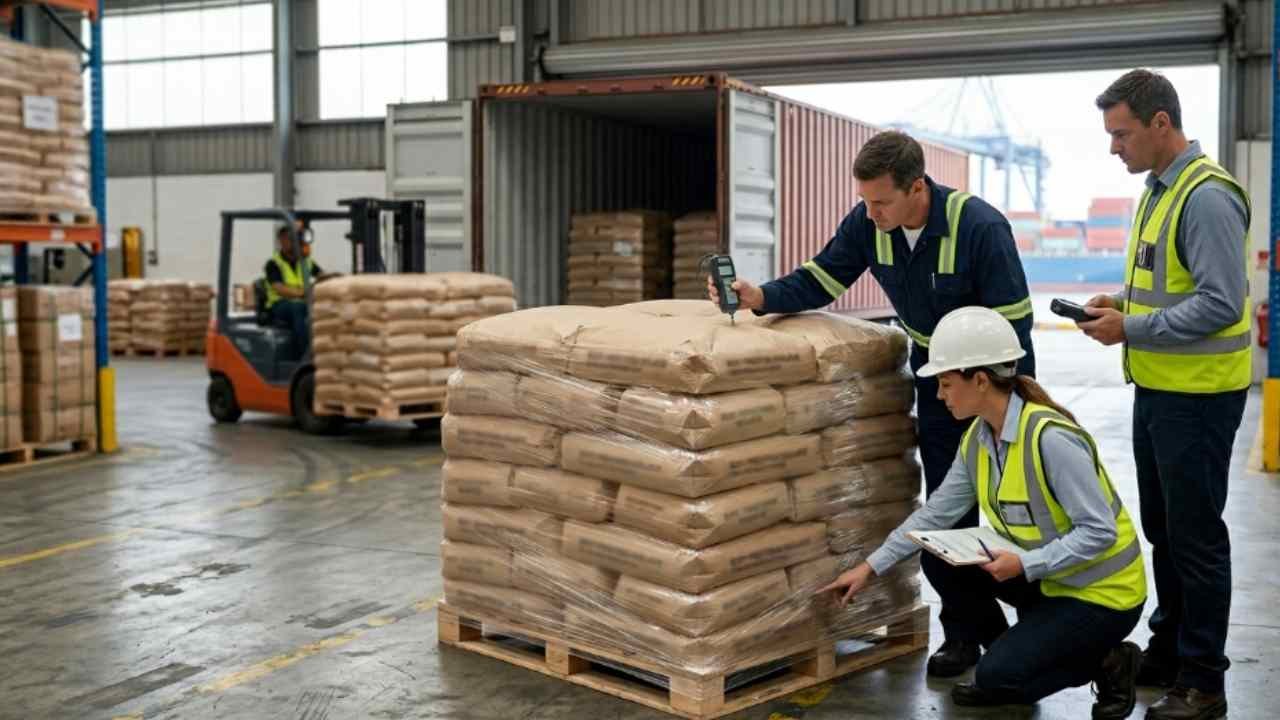
Transportation risks include moisture ingress from high humidity and physical damage from poor palletization. Extreme temperature swings can cause condensation inside bags. Odor contamination from other goods and pest infestation also threaten the safety and functionality of Isolated Soy Protein during long sea voyages.
Dive Deeper into Transit Risks
I see that "Moisture" is the biggest risk during sea transit. A container on a ship gets very hot during the day and cold at night. This creates "Container Rain." Water drips from the ceiling of the container onto your bags. I act as your technical partner to prevent this. We use thick PE (polyethylene) liners inside every Kraft paper bag. I ensure the bags are heat-sealed. This creates an airtight barrier. I also oversee the "Loading Process." I check the container for holes and rust. If the container floor is wet, I reject it. I want to see that the factory uses "Desiccant Bags" in the container to absorb moisture from the air.
Physical damage is also a technical risk. Soy protein bags are heavy. If the pallets are not stable, the bags will slide and tear. I insist on using "Corner Protectors" and multiple layers of shrink wrap. I visit the loading area to ensure the workers do not use hooks. Hooks create small holes that let in bugs and moisture. Also, odor contamination is a hidden risk. Isolated Soy Protein absorbs smells fast. If the container held chemicals before, your protein will taste like chemicals. I ensure we only use "Food-Grade" containers. I check the container's history to make sure it is clean. These steps ensure your 20 tons of protein arrive in perfect condition.
| Transit Risk | Cause | FINETECH's Protection Method |
|---|---|---|
| Container Rain | Condensation from heat | Use sealed PE inner liners |
| Torn Bags | Rough handling / Hooks | Multi-layer Kraft bags / No hooks |
| Pallet Collapse | Poor shrink wrapping | 5 layers of wrap / Corner boards |
| Pests | Infested pallets | Use IPPC heat-treated pallets |
| Odors | Dirty containers | Inspect and smell container first |
| Moisture | High sea humidity | Add desiccant bags to container |
How do regulatory differences impact Isolated soy protein import compliance?
Incorrect labels or GMO documents lead to customs seizures and heavy fines. These legal hurdles stop your cargo from entering the market. I outline the regulatory risks you must handle.
Regulatory risks involve non-compliance with local food safety laws, missing Halal/Kosher certifications, and incorrect GMO labeling. Different countries have varying limits for heavy metals. Using wrong HS codes (3504.00.90) or lacking proper health certificates causes long delays at the border and legal penalties.

Dive Deeper into Compliance Risks
I see that "GMO Status" is the most complex regulatory risk. In Europe and parts of Southeast Asia, you must prove the soy is "Non-GMO." This requires a strict "Identity Preservation3" (IP) system. I act as your technical coordinator to check these IP certificates. I also verify the PCR (DNA) test results from the lab. If the test shows even a trace of GMO soy, your cargo will be rejected in the EU. I visit the factories to ensure they do not mix GMO and Non-GMO meal in the same silos. This technical separation is vital for your legal safety. I provide all the paperwork needed to pass the strict audits of your local health department.
Labeling is the second big risk. Every country has different rules. For the Middle East, I ensure we have the Halal logo and the correct Arabic translation. For Southeast Asia, we must follow the specific allergen warning rules. If you miss the "Contains Soy" warning, your cargo is illegal. I check the labels before the factory prints them. I also oversee the HS code4 usage. The global code for ISP is 3504.00.90. If your broker uses a different code, you might pay extra taxes. I also ensure the "Health Certificate" and "Certificate of Analysis" match exactly. One spelling error can stop a container for weeks. My presence in China allows me to fix these document errors before the ship leaves.
| Regulatory Factor | Specific Risk | FINETECH's Compliance Step |
|---|---|---|
| GMO Status | PCR DNA positive | Audit Non-GMO IP certificates |
| HS Code | Wrong tax bracket | Verify 3504.00.90 code use |
| Allergen Label | Missing soy warning | Check label design for local law |
| Certifications | Halal / Kosher expired | Verify validity of all certs |
| Heavy Metals | Exceeding local limits | Match lab data to destination law |
| Health Cert | Typo or wrong format | Double-check CIQ papers |
Why is communication important in global Isolated soy protein transactions?
Misunderstandings about technical specs lead to the wrong product arriving at your port. These errors waste your time and your money. I explain why clear communication is your best protection.
Clear communication ensures that technical specifications like mesh size, gel strength, and viscosity match your production needs. It prevents errors in documentation and payment terms. Effective dialogue helps manage production schedules and resolve quality claims quickly, building a reliable long-term relationship between buyer and supplier.

Dive Deeper into Communication Risks
I see that "Language Gaps" cause many technical mistakes. A buyer might ask for "High Gel" protein. But "High Gel" means different things to different factories. One factory thinks 800g is high. Another thinks 1200g is high. I act as your technical translator. I define the exact numbers in the contract. I use grams for gel strength and mPa.s for viscosity. This removes all the "Guesswork." I visit the factory to explain your specific needs to the production manager. If you need a 100-mesh powder for a smooth drink, I ensure the sifting machines are set correctly. Clear numbers are the only way to avoid receiving a product you cannot use.
Communication also protects your "Payment Safety." I ensure the payment terms (like T/T 30/70) are clear in the Proforma Invoice5. I help you communicate with the factory's finance team to confirm when the money arrives. This prevents delays in starting production. Also, when there is a delay at the port, I tell you immediately. I do not hide bad news. I give you the real vessel tracking data so you can update your own customers. If there is a quality claim, I manage the talk between your lab and the factory lab. I help both sides look at the facts and find a fair solution. This "Real-Time" communication is why my clients trust me. It turns a risky transaction into a professional partnership.
| Communication Goal | Risk of Failure | FINETECH's Technical Method |
|---|---|---|
| Spec Alignment | Wrong functionality | Define numerical limits (Gel/Vis) |
| Production Update | Missed deadlines | Weekly status reports from plant |
| Document Drafts | Customs seizure | Pre-send drafts for buyer review |
| Payment Confirmation | Delayed shipping | Direct link to factory finance |
| Claim Resolution | Loss of money | Manage lab re-testing process |
| Shipping Advice | Demurrage at port | Send tracking and BL copy early |
Conclusion
Importing Isolated Soy Protein involves risks in quality, logistics, and regulation. I manage these technical challenges at FINETECH to keep your global supply chain secure, consistent, and profitable.
-
Wikipedia – Guide to the Kjeldahl method, describing its chemical mechanism and standard application for measuring protein levels in organic materials. ↩
-
World Health Organization (WHO) – Fact sheet regarding Salmonella, highlighting contamination pathways, health risks, and food manufacturing control protocols. ↩
-
Non-GMO Project – Official Product Verification Standard detailing testing, segregation, and identity preservation (IP) requirements to avoid genetic cross-contamination. ↩
-
World Customs Organization (WCO) – Overview of the Harmonized System (HS) Nomenclature, discussing international classification codes used for calculating import duties and taxes. ↩
-
International Trade Administration (trade.gov) – Official U.S. government exporter’s guide outlining how to issue a Pro Forma invoice and its usage in securing import customs documentation and financing. ↩