
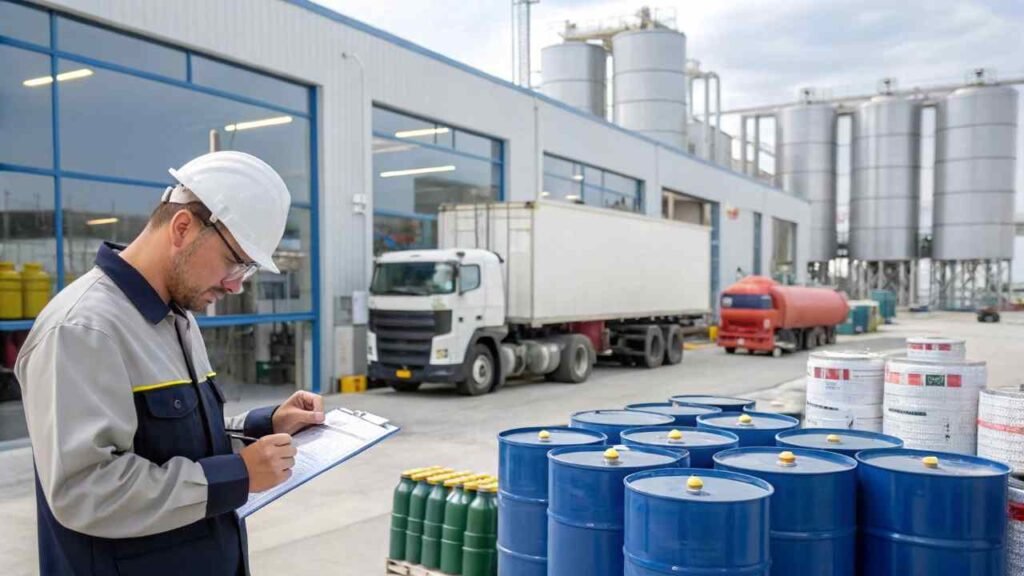
Purching bulk taurine without analyzing chemical feedstock variations, energy costs, and shipping logistics leads to high import pricing, sudden budget overruns, and supply chain delays.
Taurine pricing in the international market fluctuates due to petrochemical raw material costs, energy rates, environmental compliance overheads, seasonal demand from global functional beverage brands, strict quality grade differentials, and maritime shipping logistics.
Successfully managing raw material procurement budgets in the global health and wellness sector requires a disciplined approach to analyzing international price drivers. Sourcing managers must examine physical processing variables and chemical feedstock trends to protect their formulations from sudden cost hikes. Sourcing partners like FINETECH simplify factory checks, verify production compliance, and secure competitive pricing directly in China to guarantee bulk deliveries. This guide explains why taurine prices are changing in the international market.
How Do Production Costs Affect Taurine Prices?
Neglecting chemical feedstock price spikes and factory waste treatment regulations leads to sudden pricing updates from manufacturers. Volatile overhead elements disrupt procurement budgets.
Taurine production costs are directly influenced by the pricing of key chemical precursors like ethylene oxide and sodium bisulfite, combined with energy consumption rates and factory environmental compliance expenses.
Dive Deeper into Ethylene Oxide Pricing, Coal Tar Energy, and Waste-Treatment Surcharges
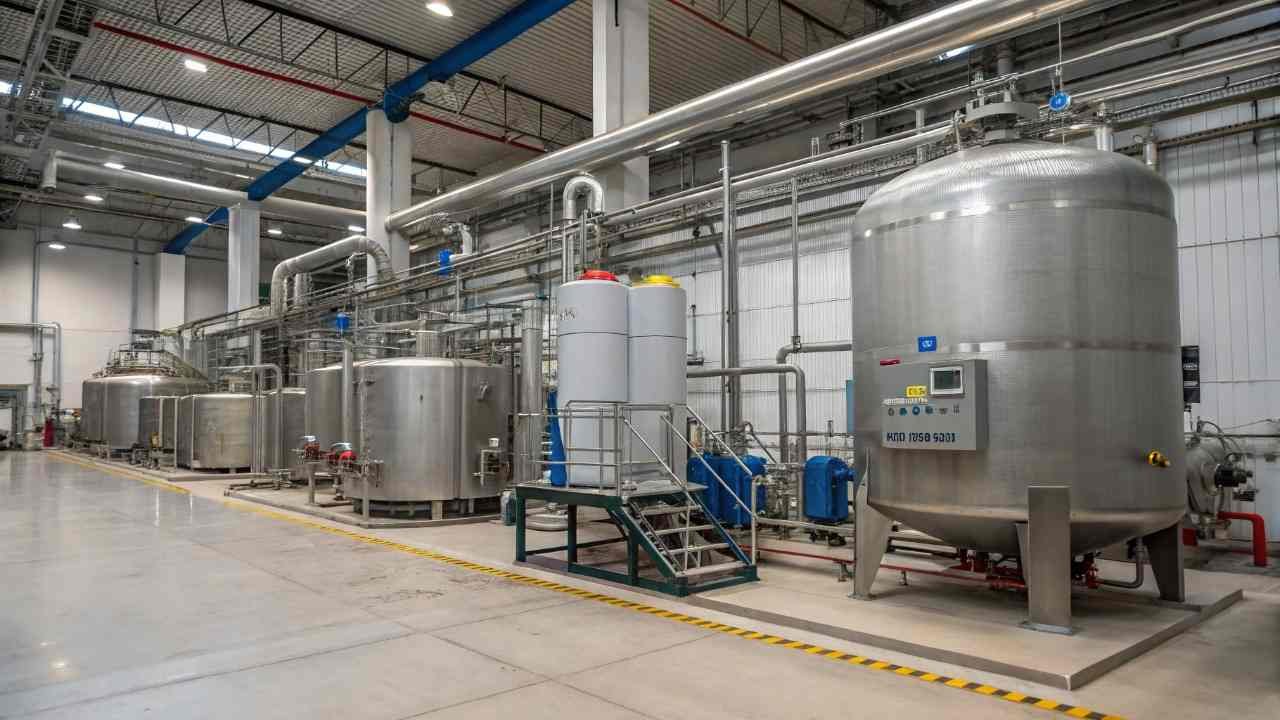
To fully understand the fluctuations in global taurine pricing, buyers must closely monitor the primary chemical and physical drivers that dictate production costs at Chinese chemical plants. Because the vast majority of commercial taurine is synthesized using the ethylene oxide pathway, any cost movements in petroleum-derived feedstocks like ethylene oxide immediately impact the manufacturer's base price. Furthermore, the synthesis process requires extensive chemical neutralization and reduction steps using sodium bisulfite, liquid ammonia, and sulfuric acid, which are also subject to domestic market pricing volatility.
Beyond raw materials, energy consumption is a major overhead cost for taurine plants. The manufacturing process relies on massive amounts of electricity and industrial steam to run crystallization and drying chambers. In China, where most taurine factories are located, local coal and natural gas rates directly influence these electricity and steam costs. Additionally, stricter municipal environmental protection regulations1 have forced manufacturers to invest heavily in advanced wastewater treatment facilities to handle high-salinity and organic sulfur effluents. Factories must pay environmental emission taxes and periodically restrict output during peak pollution seasons, leading to supply contractions and higher production prices. Sourcing partners like FINETECH mitigate these cost challenges by tracking local energy and raw material trends, helping buyers anticipate price changes before placing bulk orders.
| Production Cost Element | Raw Material Source | Impact on Base Price | Sourcing Risk Vetted |
|---|---|---|---|
| Ethylene Oxide | Petrochemical derivative | High volatility impact | Track crude oil price trends |
| Industrial Steam / Coal | Municipal energy grids | Direct crystallization cost | Monitor local energy tariffs |
| Wastewater Processing | Environmental compliance | Structural cost increases | Verify plant waste credentials |
| Liquid Ammonia | Chemical synthesis feed | Moderate cost volatility | Check regional chemical reserves |
Why Do Food Grade and Pharmaceutical Grade Taurine Have Different Prices?
Treating pharmaceutical-grade and food-grade raw materials as identical chemical imports leads to regulatory audit failures and severe custom clearance holds.
Pharmaceutical-grade taurine carries a significantly higher price than food-grade material due to extra purification recrystallization steps, stringent API-GMP documentation requirements, sterile manufacturing cleanroom conditions, and regulatory drug filings.

Dive Deeper into API-GMP Cleanroom Standards, Drug Master Files, and Recrystallization
The price differential between food-grade (including standard dietary supplement grade) and pharmaceutical-grade (API) taurine is substantial, driven by differences in chemical purity, processing steps, and regulatory oversight. Food-grade taurine, which typically meets USP or FCC standards2 with a minimum assay of 98.5%, is produced in large-scale, automated industrial lines optimized for high-volume output. The manufacturing costs of food-grade taurine are kept low because the material is dried, packaged, and shipped with standard quality controls suitable for dietary supplements, infant formulas, and pet foods.
In contrast, pharmaceutical-grade taurine commands a premium price due to the additional chemical processing required to achieve an ultra-pure assay, typically above 99.5%. This high purity level is attained through multiple recrystallization steps that systematically filter out trace residual solvents, heavy metals, chlorides, sulfates, and ammonium byproducts. Furthermore, pharmaceutical API-grade manufacturing must occur in certified cleanrooms operating under strict Active Pharmaceutical Ingredient Good Manufacturing Practice (API-GMP)3 conditions. This requires continuous environmental monitoring, sterile packaging, and extensive regulatory documentation, such as maintaining an active Drug Master File (DMF) or CEP certification. Sourcing partners like FINETECH assist buyers by evaluating these grade-specific regulatory documents and factory conditions in China, ensuring that the selected purity grade matches the buyer’s regulatory requirements without unnecessary cost.
| Quality Specification | Food / Supplement Grade | Pharmaceutical API Grade | Production / Cost Cause |
|---|---|---|---|
| Minimum Purity Assay | Typically 98.5% | Typically 99.5% to 100.5% | Requires extra crystallization |
| Heavy Metals Limit | Below 10 ppm | Below 5 ppm | Highly filtered mineral ash |
| Manufacturing Area | Standard food-grade facility | Certified API-GMP cleanroom | High overhead operation costs |
| Regulatory Paperwork | COA, ISO 22000 | Active DMF, CEP filing, GMP | Extensive audit and filing fees |
How Does Demand from the Energy Drink Industry Influence Taurine Pricing?
Buying bulk amino acids on the spot market during peak beverage bottling seasons exposes procurement budgets to sudden and highly inflated seasonal pricing.
The global functional energy drink industry represents over sixty percent of taurine consumption, allowing seasonal bottling surges and massive bulk volume contracts from major brands to dictate spot-market pricing.
Dive Deeper into Seasonal Bottling Schedules, Spot-Market Swings, and Beverage Monopolies
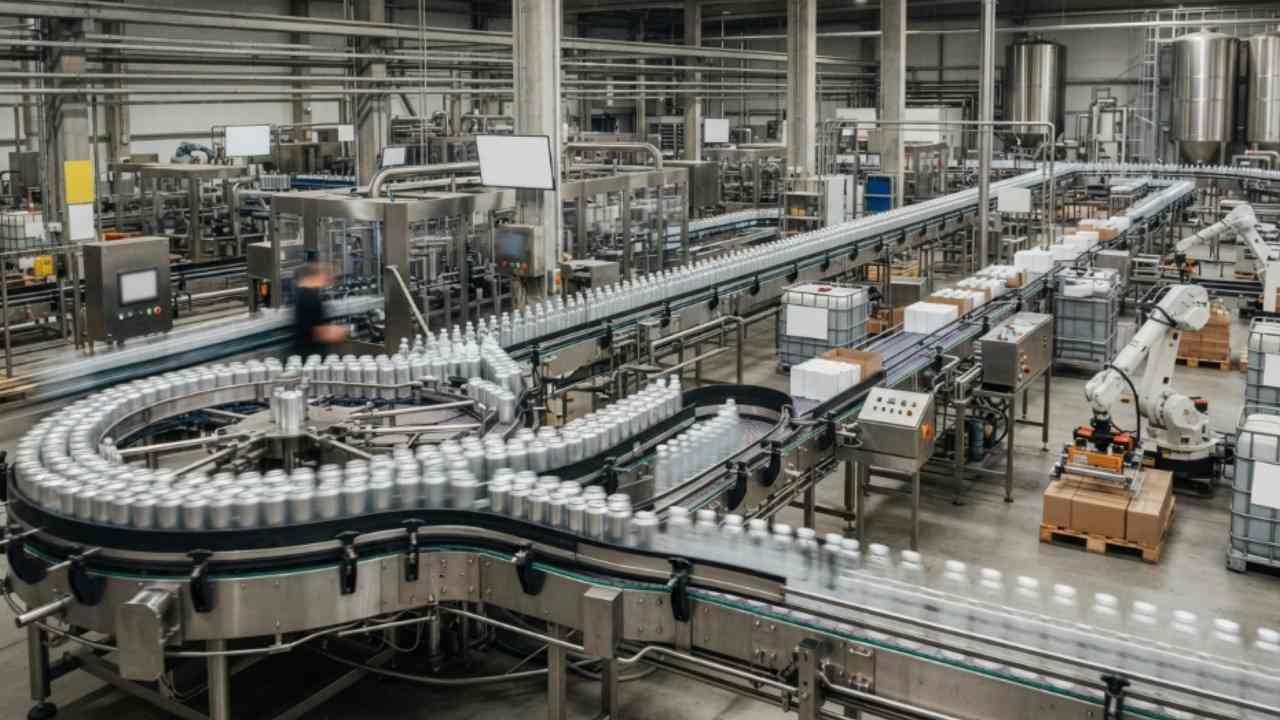
The global functional beverage industry is the primary force shaping taurine demand, with energy drinks4 accounting for over sixty percent of total annual consumption. Because of this high market concentration, the production schedules and procurement strategies of major global beverage brands directly influence international taurine pricing. During peak spring and summer beverage bottling seasons, global demand surges as drink manufacturers ramp up production to meet hot-weather consumer demand. This seasonal surge can tighten available spot-market supply, as top-tier taurine factories prioritize shipments for their largest, pre-contracted beverage clients.
Furthermore, because these massive beverage conglomerates negotiate high-volume annual contracts, they often lock up the production capacity of leading factories for months at a time. This reduces the inventory available on the open spot market, driving up prices for medium-sized supplement brands and smaller buyers who rely on transactional purchases. When major beverage brands undergo global formula revisions or adjust their inventory levels, the sudden shift in demand can cause rapid price drops or spikes in the international spot market. Sourcing partners like FINETECH help buyers navigate this beverage-driven market volatility by monitoring factory capacity bookings, enabling clients to secure cargo before seasonal demand spikes drive up open-market pricing.
| Consumption Driver | Target Market Share | Price Influence Type | Sourcing Strategy Impact |
|---|---|---|---|
| Seasonal Bottling | Over 60% of total use | Triggers summer price spikes | Secure stocks before spring |
| Conglomerate Contracts | Bulk raw material buy | Limits standard spot volume | Restricts options for small brands |
| Formula Revisions | Global market shifts | Causes sudden price drops | Adjust inventory buffer sizes |
| Global Expansion | Growing emerging markets | Long-term upward price pull | Plan multi-year volume contracts |
What Procurement Factors Affect the Total Cost of Taurine Imports?
Relying solely on ex-works pricing sheets ignores high shipping tariffs, port demurrage fees, and local custom clearing surcharges. Unanalyzed landed costs create unexpected financial deficits.
The total landed cost of taurine imports is heavily affected by global ocean freight rates, import customs tariffs, local warehouse delivery logistics, and third-party laboratory quality testing fees.
Dive Deeper into Ocean Freight Volatility, Import Tariffs, and Port Demurrage Surcharges
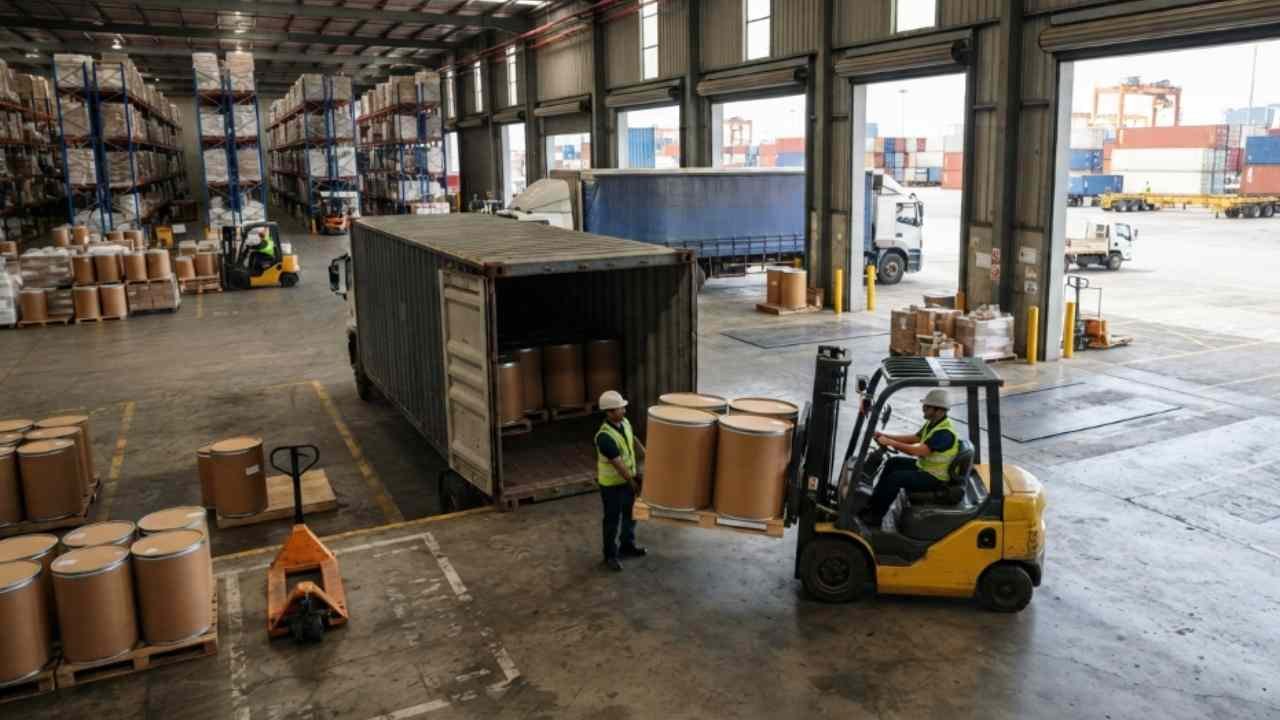
When purchasing taurine from international markets, procurement managers must evaluate the total landed cost rather than relying solely on the manufacturer’s Ex-Works (EXW) or Free on Board (FOB) pricing. Because taurine is a dense crystalline powder packaged in heavy twenty-five-kilogram fiber drums, shipping costs make up a significant portion of the final landed price. Changes in ocean freight rates, container availability, fuel surcharges, and shipping route disruptions can rapidly increase import costs, even if factory-level prices remain stable.
Import tariffs and customs duties are other critical factors that vary significantly by destination country. For instance, US buyers importing Chinese taurine must account for ongoing Section 301 tariffs5, which add a substantial percentage to the base import price. Additionally, buyers must factor in local port handling fees, custom broker fees, and potential demurrage charges if cargo clearance is delayed. Finally, third-party laboratory testing fees to verify pharmacopoeia compliance contribute to the final cost. Sourcing partners like FINETECH help buyers optimize these procurement costs by offering comprehensive shipping coordination, organizing consolidated container shipments with other raw materials, and managing customs documentation to prevent expensive delays at destination ports.
| Import Surcharges | Relative Cost Level | Underlying Operational Driver | Logistics Mitigation Step |
|---|---|---|---|
| Ocean Freight | High impact | Dense 25 kg fiber drum weight | Book full containers (FCL) |
| Import Tariffs | Moderate to High | Regional political trade policies | Utilize legal origin codes |
| Port Demurrage | Low (if managed) | Customs clearing document delays | Organize documents prior to port |
| Quality Testing | Low | Third-party laboratory assays | Rely on pre-shipment testing |
How Can Buyers Reduce Long-Term Taurine Purchasing Costs?
Executing short-term spot purchases during volatile market cycles exposes supplement brands to inflated raw material costs. Reactive buying hurts operating margins. Strategic contracting secures financial savings.
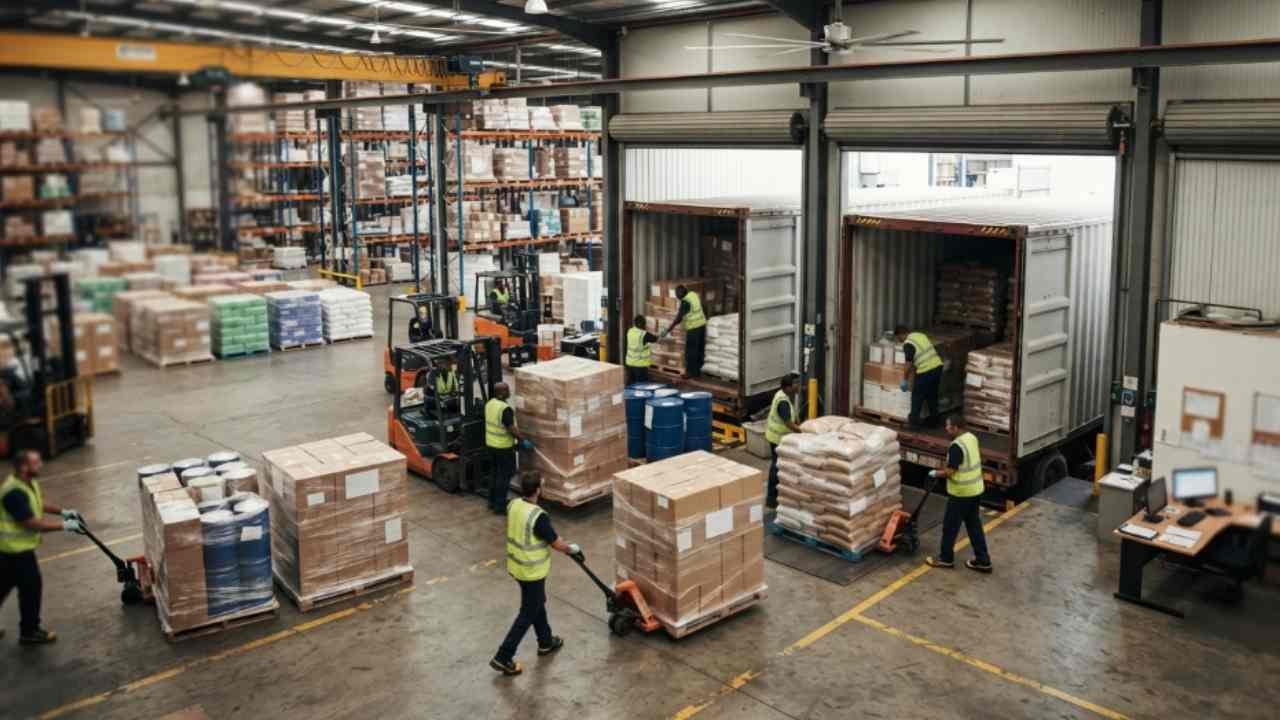
Buyers can reduce long-term taurine purchasing costs by establishing annual blanket volume contracts, qualifying secondary backup manufacturers, consolidating ingredient shipments, and partnering with local sourcing agents.
Dive Deeper into Annual Blanket Orders, Dual-Supplier Integration, and Local Consolidation
To protect operating margins from international market volatility, buyers must move away from short-term spot purchasing and adopt a proactive, structured procurement strategy. The most effective way to reduce long-term taurine purchasing costs is to establish annual blanket volume contracts. Under this arrangement, buyers commit to a specific annual volume in exchange for a discounted, stable price, with shipments scheduled for release at regular intervals throughout the year. This guarantees material availability while insulating the buyer from sudden seasonal price spikes.
Additionally, buyers should implement a dual-supplier integration strategy, qualifying and sourcing from at least two separate, certified manufacturing plants. This dual-sourcing model creates healthy price competition and ensures supply chain continuity in case one facility experiences environmental or operational shutdowns. Consolidated shipping represents another highly effective cost-reduction tool. By blending taurine purchases with other active ingredients—such as L-Theanine, caffeine, or vitamin complexes—buyers can fill full container loads (FCL), reducing ocean freight rates compared to less-than-container-load (LCL) shipments. Sourcing partners like FINETECH help buyers execute these strategies by identifying compatible, high-quality Chinese suppliers, auditing factory compliance, and managing consolidated shipments to deliver significant long-term savings.
| Sourcing Strategy | Actionable Sourcing Step | Long-Term Budget Benefit | Operational Security Outcome |
|---|---|---|---|
| Blanket Contracts | Agree to annual volume plans | Secures fixed bulk discounts | Insulates from market price spikes |
| Dual-Supplier | Qualify two separate plants | Drives competitive pricing | Prevents shutdown supply gaps |
| Consolidated Cargo | Combine different raw materials | Lowers sea shipping cost per kg | Maximizes container weight limits |
| Sourcing Partners | Work with agents like FINETECH | Reduces quality rejection risk | Verifies drum seals at factory |
Conclusion
Taurine prices fluctuate in the international market due to raw material precursor volatility, energy and wastewater compliance costs, quality grade differences, seasonal demand from global functional beverage brands, ocean freight adjustments, and the need for blanket volume contracts.
-
This EU SME Centre compliance guide outlines administrative frameworks, GB 2760-2024 standards, and environmental requirements for chemical and food additive producers in China. ↩
-
This official U.S. Pharmacopeia (USP) portal outlines standard food safety frameworks, analytical verification methods, and Food Chemicals Codex (FCC) monograph updates. ↩
-
This official FDA guidance details good manufacturing practices (Q7) for Active Pharmaceutical Ingredients, clarifying requirements for testing, processing, and documentation. ↩
-
This Grand View Research report analyzes the global market structure, growth trends, and consumer demand drivers for the energy drinks industry. ↩
-
This official USTR portal details the background, investigations, exclusion processes, and current status of Section 301 tariffs on Chinese imports. ↩