Shifting health regulations and changing consumer diet preferences can leave raw material buyers unprepared for sudden supply deficits. Misunderstanding market growth leads to missed revenue. Analyzing global demand solves this.
Global demand for the Vitamin D3 series continues to grow due to expanding livestock feed applications, rising consumer awareness of bone and immune health, a booming healthy aging population, and increased fortification of daily functional foods and plant-based beverages.
Commercial buyers must trace market growth drivers to anticipate raw material price shifts and secure adequate bulk volumes. Sourcing partners like FINETECH simplify factory checks, oversee production, and manage quality directly in China to secure bulk deliveries. This comprehensive analysis details the key factors behind the growing global demand for Vitamin D3.
Which Industries Consume the Most Vitamin D3 Series?
Concentrating sales efforts on slow-growing industry sectors limits business expansion and leaves sales targets unmet. Unbalanced focus limits profits. Assessing multi-industry consumption opens new revenue pathways.
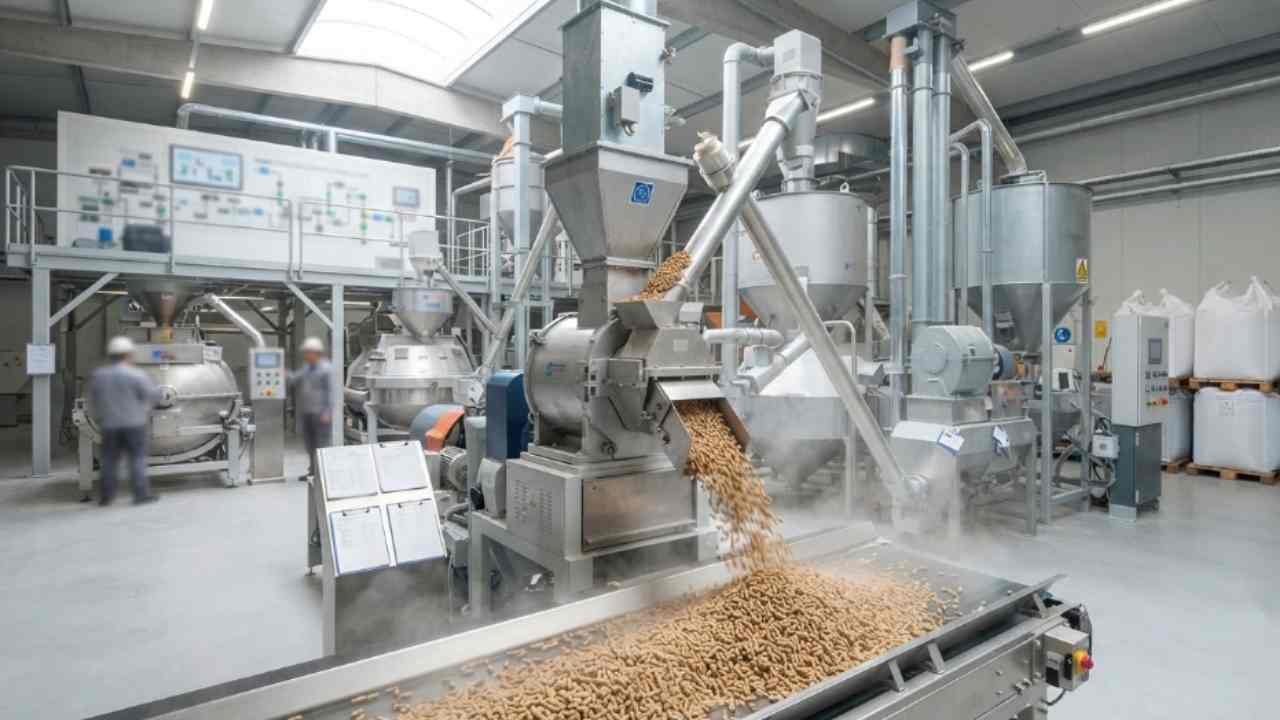
The animal feed industry is the largest consumer, using approximately 80% of global Vitamin D3 volume. The remaining volume is consumed by the dietary supplement, food and beverage fortification, and pharmaceutical sectors for human health applications.
Dive Deeper into Global Industry Volume Splits
To evaluate the Vitamin D3 series market, buyers must understand the volume requirements of its consuming sectors. The global agricultural feed sector is historically the largest consumer, using feed-grade cholecalciferol to prevent metabolic bone diseases in livestock. Animals raised in closed facilities lack direct sunlight exposure and cannot synthesize Vitamin D3 naturally, making feed fortification mandatory. Swine, poultry, and aquaculture farming sectors consume massive volumes of feed beadlets annually to maintain livestock bone structure and eggshell strength.
Conversely, the dietary supplement sector consumes a smaller volume of Vitamin D3, but this sector represents the highest market value. This high value is driven by premium, high-purity crystalline grades used in softgels, daily tablets, and liquid drops for human health. Functional food and beverage fortification represents a smaller, specialized segment. Food processors utilize microencapsulated, cold-water-soluble (CWS) powders to fortify dairy, juices, and cereal products. Sourcing managers must evaluate which grade matches their target industry's strict regulations. Sourcing partners like FINETECH help B2B buyers navigate these industrial requirements, ensuring that each purchased batch matches regional food, feed, or pharmaceutical standards.
| Consuming Industry | Global Volume Share | Typical Form Used | Technical Role in Formulation |
|---|---|---|---|
| Animal Feed | ~80% of total volume | 500,000 IU/g Beadlets | Prevents metabolic bone issues |
| Dietary Supplements | ~15% of total volume | 1,000,000 IU/g Oil | Boosts immune and daily health |
| Food & Beverage | ~5% of total volume | 100,000 IU/g CWS | Nutritional fortifier in drinks |
How Is the Healthy Aging Trend Driving Vitamin D3 Series Demand?
Neglecting the nutritional needs of an aging global population can cause your wellness brand to lose market share to proactive competitors. Ignoring demographic shifts limits growth. Fortifying formulas with bone-supporting vitamins secures sales.
The healthy aging trend is accelerating Vitamin D3 demand as elderly populations require daily supplementation to improve calcium absorption, maintain bone density, prevent osteoporosis, and support muscle mass and cardiovascular health, reducing age-related fracture risks.

Dive Deeper into Geriatric Nutrition and Bone Health
The global demographic shift toward an older population is a powerful, long-term driver of Vitamin D3 consumption. Countries in North America, Western Europe, and East Asia are experiencing rapid population aging. As individuals age, their skin loses the capacity to synthesize Vitamin D3 from sunlight, and their kidneys become less efficient at converting the nutrient into its active hormonal form. This decline makes older adults highly vulnerable to severe vitamin deficiencies, which can lead to osteoporosis1, sarcopenia, and a higher risk of physical falls.
To mitigate these health risks, healthcare providers globally recommend daily Vitamin D3 supplementation for seniors. Clinical research shows that combining Vitamin D3 with calcium2 dramatically improves bone mineral density and reduces hip fractures in geriatric patients. This medical consensus has sparked a wave of new product developments in the supplement industry, including easy-to-swallow oil drops, softgels, and elderly-focused liquid nutrition formulas. Sourcing partners like FINETECH assist supplement brands in securing high-purity, pharmaceutical-grade Vitamin D3 oils and powders. They audit factories to ensure strict compliance with USP or EP standards, helping brands deliver premium geriatric wellness products to mature markets.
| Age-Related Health Risk | Physiological Cause | Vitamin D3 Benefit | Recommended Product Form |
|---|---|---|---|
| Osteoporosis | Reduced calcium absorption | Enhances calcium transport | High-potency softgel oil |
| Sarcopenia | Muscle fiber atrophy | Supports muscle synthesis | Tablet-grade dry beadlet |
| Seniors' Sun Avoidance | Limited UV skin synthesis | Provides vital daily cholecalciferol | Liquid drops or CWS powder |
Why Is Vitamin D3 Series Becoming More Popular in Functional Foods?
Traditional food items are losing consumer appeal as shoppers demand active health benefits in their daily meals. Selling unfortified food products restricts revenue. Adding stable microencapsulated vitamins satisfies modern consumer expectations.
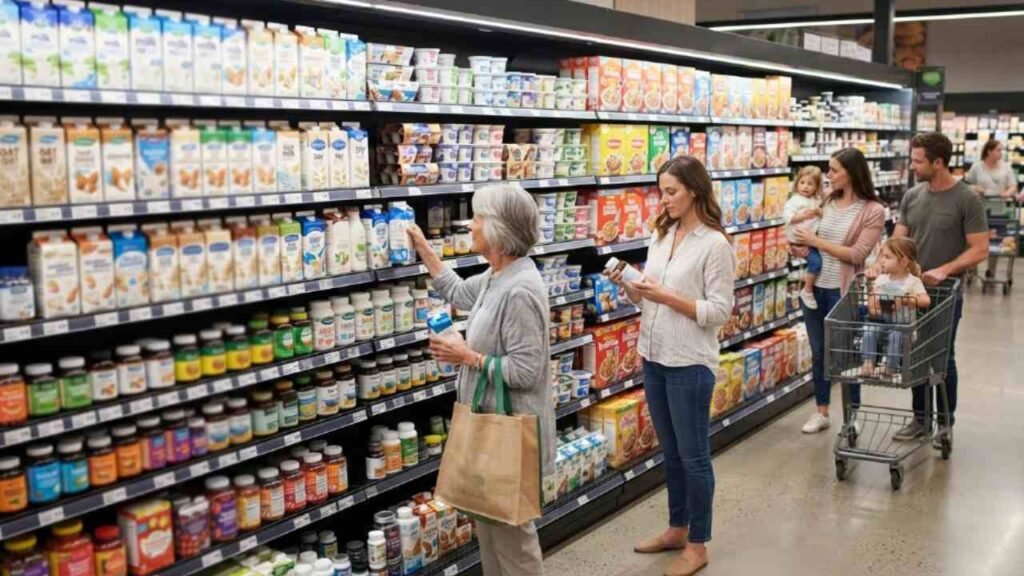
Vitamin D3 is growing in functional foods because consumers seek convenient wellness solutions beyond pills. Food processors easily fortify dairy, plant-based milks, and breakfast cereals using water-dispersible, cold-water-soluble (CWS) starch powders that do not alter flavor or texture.

Dive Deeper into Food Fortification Technology
The rise of the functional food sector is shifting Vitamin D3 from a simple medical supplement into a daily food ingredient. Modern consumers prefer a "food-first" approach to nutrition, choosing fortified grocery items over traditional pills or capsules. This trend has led food manufacturers to add Vitamin D3 to everyday staples, such as cow's milk, orange juice, ready-to-eat cereals, and margarine. Furthermore, the rapid growth of plant-based dairy alternatives, including oat, almond, and soy milks, has created a massive new market for vitamin fortification to match the nutritional profile of dairy.
To successfully fortify these foods, processors require specialized raw material formats. Standard Vitamin D3 oil is water-insoluble, which can cause separation in liquid products. To prevent this, manufacturers utilize starch-based, cold-water-soluble (CWS) Vitamin D3 powders. This microencapsulation technology wraps the vitamin droplets in a water-soluble carbohydrate shell, allowing the ingredient to disperse clearly in beverages without changing the food's taste, odor, or shelf stability. Sourcing partners like FINETECH work closely with certified manufacturers to supply allergen-free, non-GMO CWS powders that meet strict food safety certifications, allowing functional food brands to deliver premium, stable products to global consumers.
| Functional Food Type | Target Fortification Need | Preferred Vitamin D3 Form | Technical Processing Benefit |
|---|---|---|---|
| Plant-Based Milks | Replicates dairy nutrition | Vegan-grade CWS powder | Disperses clearly without sediment |
| Breakfast Cereals | Enhances children's bone health | Heat-resistant beadlets | Survives high-temperature baking |
| Margarine / Spreads | Fat-soluble enrichment | Food-grade MCT oil | Blends smoothly into fat phases |
Which Export Markets Are Growing the Fastest for Vitamin D3 Series?
Focusing your export plans solely on slow-growth markets can stall your company's revenue expansion and leave your inventory unsold. Ignoring high-growth regions limits business potential. Shifting resources to fast-growing hubs increases sales.
The fastest-growing export markets for the Vitamin D3 series are Southeast Asia, driven by agricultural expansion, and the Middle East, where high rates of sun-avoidance behaviors generate strong demand for government-supported food fortification and daily supplements.

Dive Deeper into Emerging Geographic Demands
Evaluating geographic growth reveals critical opportunities for international B2B buyers and exporters. While North America and Europe remain large, mature markets for Vitamin D3, emerging economies are demonstrating the fastest growth rates. In Southeast Asia, countries like Vietnam, Indonesia, and Thailand are rapidly modernizing their agricultural sectors. The expansion of large-scale poultry and aquaculture farms is generating huge demand for feed-grade Vitamin D3 beadlets to improve livestock bone density and disease resistance in tropical climates.
The Middle East is another high-growth export destination, particularly Saudi Arabia, the UAE, and Qatar. Despite enjoying abundant year-round sunshine, these regions exhibit surprisingly high rates of Vitamin D deficiency. Intense summer heat forces residents to spend most of their time indoors and wear protective clothing, which prevents natural skin synthesis. To address this public health issue, local governments are implementing mandatory food fortification3 programs for wheat flour and dairy products. Sourcing partners like FINETECH help buyers capitalize on these regional shifts. They arrange direct shipping routes, ensure compliance with Halal regulations, and manage customs documentation to secure a cost-effective, reliable supply chain for emerging market buyers.
| Growth Region | Dominant Market Segment | Primary Growth Driver | Strategic Sourcing Action |
|---|---|---|---|
| Southeast Asia | Swine, poultry, & aqua feed | Modernization of livestock farms | Secure bulk feed-grade beadlets |
| Middle East | Fortified staples & supplements | Sun avoidance and health policies | Verify active Halal certifications |
| Latin America | Poultry feed & infant formula | Rising middle-class food spend | Focus on cost-effective sea freight |
What Opportunities Will Shape the Future Vitamin D3 Series Market?
Relying on cheap, generic commodity vitamins can leave your product line exposed to aggressive competitor price cuts and low profit margins. Commodity lines limit profits. Adopting premium specialty ingredients unlocks new markets.
Future opportunities in the Vitamin D3 market are shaped by vegan cholecalciferol sourced from lichens or algae, synergistic Vitamin D3 and K2 combinations for advanced cardiovascular health, premium pet food fortification, and microencapsulated slow-release supplement formulas.

Dive Deeper into Next-Generation Vitamin Innovations
The evolution of the Vitamin D3 market is creating premium, high-margin opportunities for forward-thinking manufacturers. The most significant shift is the rising demand for vegan-friendly cholecalciferol. Traditional Vitamin D3 is synthesized from sheep's wool lanolin, which does not satisfy the requirements of strict vegan or vegetarian consumers. To capture this expanding market segment, chemical processors have developed plant-derived Vitamin D3 sourced from organic lichens4 or algae. This plant-based option allows supplement brands to charge a premium for animal-free wellness products.
Another powerful market trend is the formulation of synergistic combinations, particularly pairing Vitamin D3 with Vitamin K25 (menaquinone). This combination ensures that the calcium absorbed via Vitamin D3 is directed to the bones rather than accumulating in the arteries, supporting both skeletal and cardiovascular health. Furthermore, the premiumization of pet food is driving the use of high-grade vitamins in dog and cat kibbles to support pet bone structure. Sourcing partners like FINETECH help B2B buyers navigate these emerging trends. They identify certified factories, secure competitive pricing, and arrange low MOQs, allowing buyers to import innovative, high-margin vitamin formats safely and cost-effectively.
| Emerging Opportunity | Target Market Segment | Applied Formulation | Strategic Sourcing Focus |
|---|---|---|---|
| Vegan Vitamin D3 | Vegetarian and vegan consumers | Lichen-derived powder or oil | Audit certified plant-origin chains |
| Synergistic Blends | Advanced cardiovascular support | Vitamin D3 + K2 liquid oil | Confirm active isomer ratios in oil |
| Premium Pet Food | Pet wellness and longevity | Coated feed-grade beadlets | Verify microencapsulation stability |
Conclusion
Global Vitamin D3 demand continues to grow due to livestock farming expansion, healthy aging demographics, and functional food trends. Partnering with a reliable sourcing team keeps supply chains consistent.
-
International Osteoporosis Foundation – Clinical and epidemiological resource detailing the pathology of osteoporosis, bone density decline in aging populations, and preventive nutritional strategies. ↩
-
Harvard Health Publishing – Insights into the biological synergy between calcium and Vitamin D3, explaining absorption pathways and bone maintenance requirements. ↩
-
Global Fortification Data Exchange – An interactive data tracking portal that monitors mandatory food legislation, compliance metrics, and health outcomes of national nutrient fortification programs worldwide. ↩
-
Healthline – A comparison review of plant-derived versus animal-derived Vitamin D sources, highlighting lichen-based cholecalciferol as a highly bioavailable, vegan-friendly alternative. ↩
-
PubMed Central (NIH) – Narrative review explaining the functional synergy between Vitamin D3 and Vitamin K2 on calcium metabolism, bone quality, and cardiovascular health. ↩