
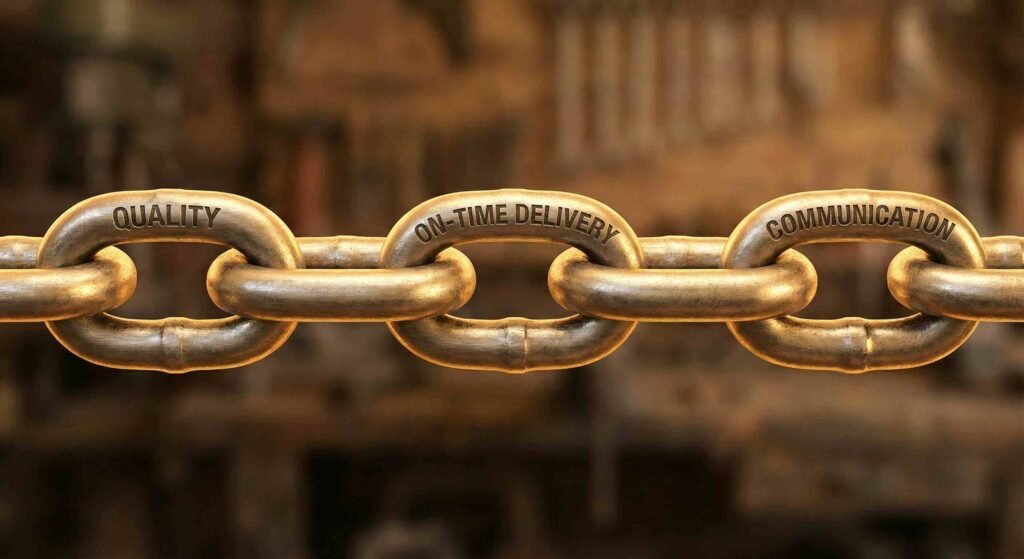
Are you tired of broken promises from your suppliers? An unreliable partner can cause production chaos, destroy your budget, and put your customer relationships at risk.
Supplier reliability is the foundation of a stable supply chain. For Vitamin E, it means consistent quality and on-time delivery. This is essential to prevent costly production shutdowns, manage inventory effectively, and protect your own company's reputation as a dependable business.
I have learned one simple truth: price gets you the first order, but reliability gets you the partnership. An experienced buyer knows that the biggest pain points are the very real costs of late deliveries and inconsistent quality. A supplier's promise is worthless until it is tested. Reliability is the proof.
How to evaluate Vitamin E supplier performance?
All suppliers promise "good quality and fast delivery." How can you tell who will actually deliver on that promise?
You evaluate a supplier's performance using objective Key Performance Indicators (KPIs). The most critical metrics are On-Time Delivery (OTD) rate, Quality Acceptance Rate (zero defects), and Communication Responsiveness. These numbers provide a true, data-driven picture of their reliability.
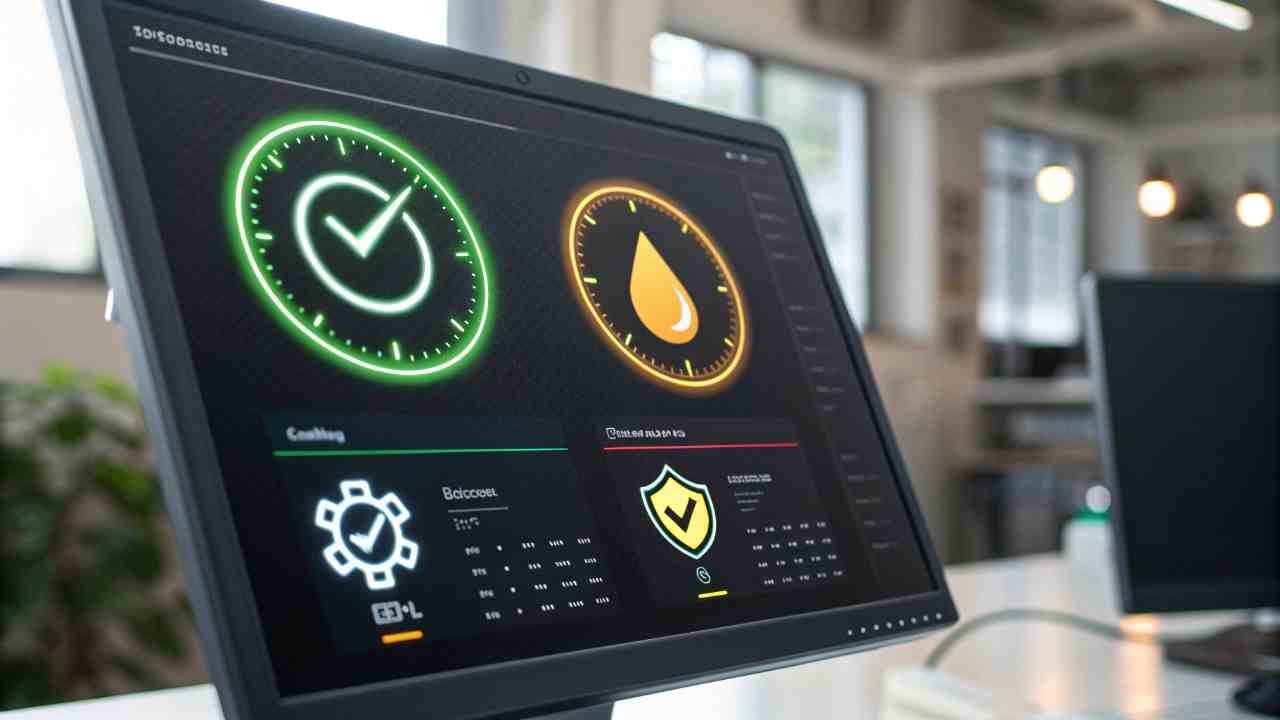
Evaluating a supplier should be a scientific process. You must measure what matters. The most important KPIs are On-Time Delivery (OTD)1, which shows if they can plan and execute logistics, and the Quality Acceptance Rate2, which should be 100% for a professional supplier. Finally, evaluate their Communication: are they proactive and honest, or slow and reactive?
Supplier KPI Scorecard:
| Key Performance Indicator (KPI) | Excellent Supplier | Poor Supplier | Business Impact of a Poor Supplier |
|---|---|---|---|
| On-Time Delivery (OTD) | > 98% | < 90% | Constant production disruptions. |
| Quality Acceptance Rate | 100% | < 100% | Risk of product recalls and brand damage. |
| Communication | Proactive, fast, honest | Reactive, slow, vague | Wasted time, anxiety, and surprises. |
Why is communication important in Vitamin E trade?
Your supplier goes silent for weeks after you have paid the deposit. Are you left feeling anxious and in the dark?
Communication is vital for transparency and trust. Proactive updates on production and shipping status prevent surprises and allow for confident planning. Honest communication about problems enables collaborative solutions, turning a crisis into a manageable event.

A partner provides updates before you have to ask. A constant flow of information on production status, photos of the cargo, and a tracking link builds confidence. The true test is how a supplier communicates bad news. A reliable partner will call you immediately if there is a problem, explain the situation honestly, and start working with you on a solution. This transparency is the fastest way to build lasting trust.
Communication Style: Transaction vs. Partnership:
| Aspect | Transactional Supplier | Partner Supplier |
|---|---|---|
| Updates | Reactive (waits for you to ask). | Proactive (sends regular updates). |
| Problem Solving | Hides problems, makes excuses. | Communicates problems early, offers solutions. |
How to build trust with Vitamin E clients?
You have found a new supplier, but you are hesitant to send that first deposit. How can you be sure they are reliable?
Suppliers build trust through transparency, consistency, and a willingness to reduce the client's initial risk. This means providing verifiable documents, welcoming inspections, delivering on promises repeatedly, and being flexible on first-order terms.

It is my job as the supplier to earn your trust. We do this through transparency3, proactively sharing all our company documents and quality certificates. We reduce your initial risk by being flexible on first-order payment terms and encouraging third-party inspections. Most importantly, we build trust through consistency. Delivering the same high quality and on-time performance again and again is the only true proof of reliability.
Trust-Building Checklist for Buyers:
| Action from Supplier | What it Signals to the Buyer |
|---|---|
| Welcomes a third-party inspection. | Confidence in their own product quality. |
| Offers flexible deposit on the first order. | Willingness to share risk and build a partnership. |
| Delivers on promises consistently over time. | They are a truly reliable long-term partner. |
How do supplier delays impact Vitamin E supply?
Your supplier is a few days late. It seems like a minor problem, but what is the real, cascading impact on your business?
Supplier delays directly halt production in a lean manufacturing environment. This causes immediate financial losses from downtime. It also damages your company's reputation when you cannot fulfill your own customer orders, leading to lost sales and a permanent loss of trust.
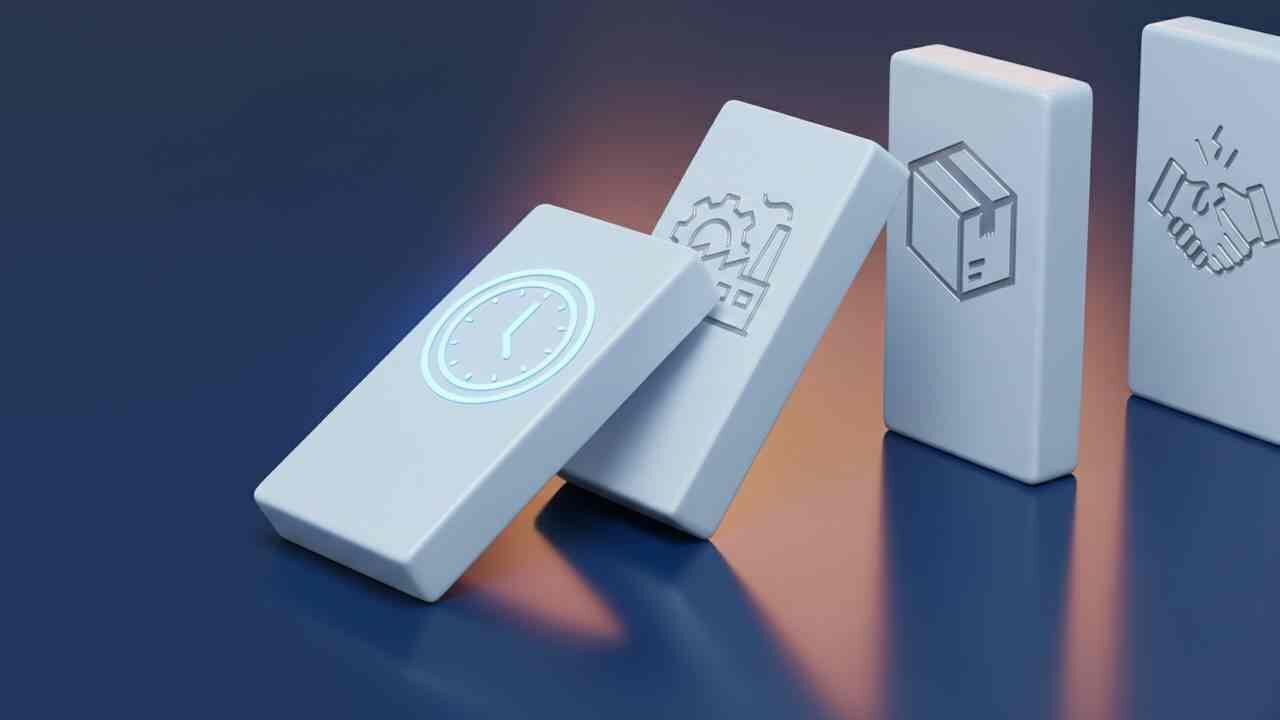
A supplier delay creates a painful chain reaction. The operational cost4 is the most direct, as a production halt means you are paying for idle resources. This leads to commercial costs, as you cannot fulfill your own customer orders, resulting in lost revenue. The most dangerous is the strategic cost5: the damage to your reputation. A late delivery from your supplier makes you look unreliable to your own customers.
The Cascade of Costs from a Supplier Delay:
| Cost Type | Business Impact |
|---|---|
| Operational Costs | Immediate and measurable financial loss. |
| Commercial Costs | Lost revenue and potential loss of customers. |
| Strategic Costs | Loss of future business and market share. |
How to ensure a reliable Vitamin E supply chain?
Are you tired of being vulnerable to a single supplier? There are proven strategies to build a truly resilient supply chain.
You ensure a reliable supply chain by moving from a transactional to a strategic approach. This involves using long-term contracts to secure priority, maintaining a strategic safety stock as a buffer, and diversifying with at least two qualified suppliers.

Building a resilient supply chain requires three core strategies. Long-term contracts move you from being just another customer to a priority partner, especially during shortages. A strategic safety stock acts as a buffer, protecting your production from unexpected delays. Finally, supplier diversification (having at least two qualified suppliers) is your ultimate insurance policy against any single point of failure.
Fragile vs. Resilient Supply Chain:
| Characteristic | Fragile Supply Chain | Resilient Supply Chain |
|---|---|---|
| Sourcing Strategy | Single Supplier | Diversified (2+ qualified suppliers) |
| Inventory Strategy | Just-in-Time (no buffer) | Strategic Safety Stock |
| Supplier Relationship | Transactional (Spot Buys) | Partnership (Long-Term Contracts) |
Conclusion
Supplier reliability is not a feature; it is the core of a professional supply chain. It protects your production, your budget, and your reputation, forming the foundation of a true strategic partnership.
-
Understanding OTD is crucial for evaluating supplier performance and ensuring timely logistics. ↩
-
Measuring Quality Acceptance Rate helps ensure suppliers meet your standards, leading to better product quality. ↩
-
Exploring this link will provide insights into how transparency fosters trust and strengthens business partnerships. ↩
-
Understanding operational costs can help businesses optimize resources and improve profitability. ↩
-
Exploring strategic costs can reveal how reputation impacts customer trust and long-term success. ↩