
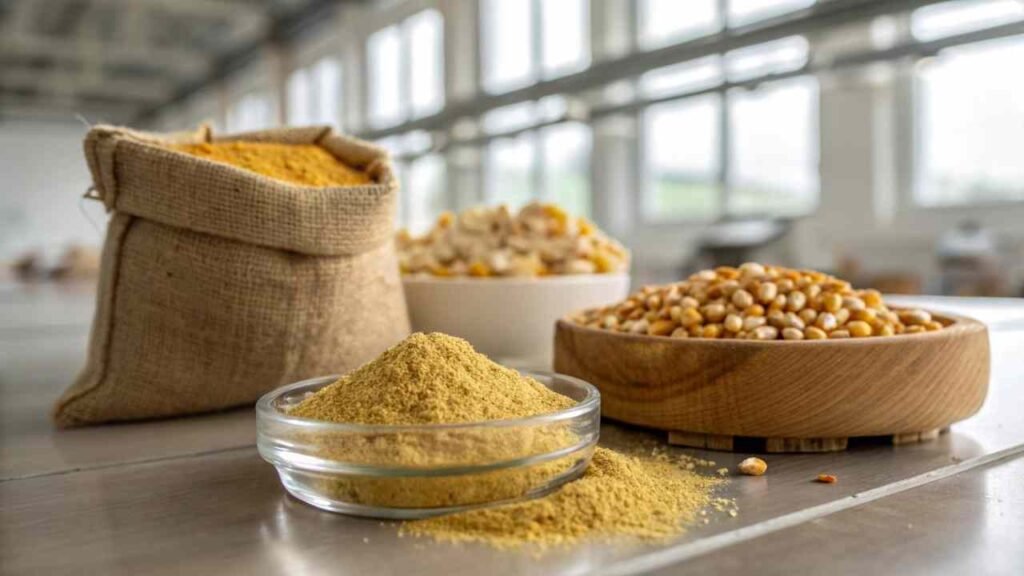
Poor livestock growth and weak immunity ruin your farm profits. This metabolic failure wastes your expensive feed investment. I provide high-purity Vitamin B9 to ensure your animals reach peak performance.
Vitamin B9 (Folic Acid) is critical in animal nutrition for DNA synthesis, cell division, and red blood cell production. It supports fetal development in breeding swine and improves growth rates in poultry. Proper folate levels prevent anemia and promote efficient protein metabolism across all commercial livestock.
I manage factory selection and quality oversight for my B2B partners at FINETECH. Understanding the technical role of Vitamin B9 in livestock is essential to formulate effective feed and grow your wholesale business in the global market.
How Does Vitamin B9(Folic Acid) Improve Animal Health?
Anemic livestock grow slowly and die easily. This physical loss destroys your business reputation and profit. I supply bulk Folic Acid to build strong immunity and metabolic health in your animals.
Vitamin B9 improves animal health by acting as a coenzyme in amino acid and nucleic acid metabolism. It is essential for forming white blood cells, which strengthens the immune system. It also produces red blood cells to prevent anemia and support oxygen transport in tissues.
Cellular Growth and Metabolic Support
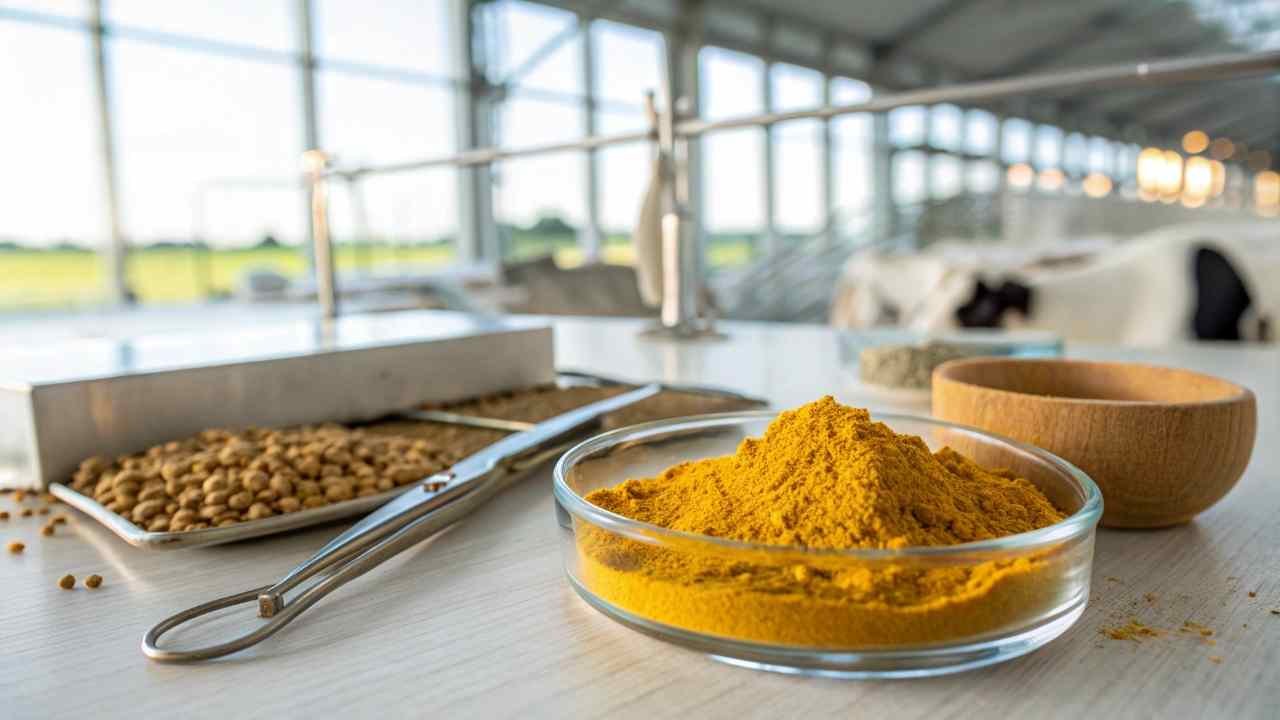
I see that animal health starts at the cellular level. Vitamin B9 is a technical requirement for DNA and RNA synthesis. When animals grow fast, their cells must divide rapidly. If they lack folate, cell division slows down. This is why young chicks and piglets need high levels of B9. I provide 97% to 102% assay material to ensure your feed provides the necessary potency. I check every batch in China to confirm the chemical identity. This oversight ensures the animal's body can build new tissue and repair damage effectively.
Immunity is another key area. White blood cells are the first line of defense against disease. Vitamin B9 is vital for the production of these cells. A healthy immune system reduces the need for expensive antibiotics. I help my buyers in Southeast Asia and the Middle East source Folic Acid that is free from heavy metals. Lead and arsenic must be below 2 ppm for safety. Pure B9 supports the gut health of the animal too. This leads to a better feed conversion ratio (FCR)1. A lower FCR means you use less feed to produce one kilogram of meat. This efficiency is how I help you stay profitable.
Deficiency Symptoms in Livestock
| Performance Area | Signs of Deficiency | Benefits of Optimal B9 | Business Impact |
|---|---|---|---|
| Blood Health | Macrocytic Anemia | High red blood cell count | High energy levels |
| Growth Rate | Stunted / Poor weight gain | Rapid muscle development | Faster market turnover |
| Immunity | Frequent infections | Strong antibody response | Lower veterinary costs |
| Reproduction | Small litter size / Weakness | Healthy fetal development | Higher piglet survival |
| Skin / Coat | Dull feathers / Hair loss | Vibrant skin and coat | Higher market value |
How Is Vitamin B9(Folic Acid) Used in Feed Premixes?
Uneven mixing leads to inconsistent animal growth across the barn. This problem results in wasted nutrients and unhappy customers. I provide the right mesh size for Folic Acid to ensure perfect blending in your premixes.
In feed premixes, Vitamin B9 is concentrated with carriers like corn cob or calcium carbonate. Using an 80-100 mesh fine powder ensures even distribution. This prevents segregation during transport and ensures every animal receives the correct daily dose of folate for optimal health.
Blending Homogeneity and Carrier Selection
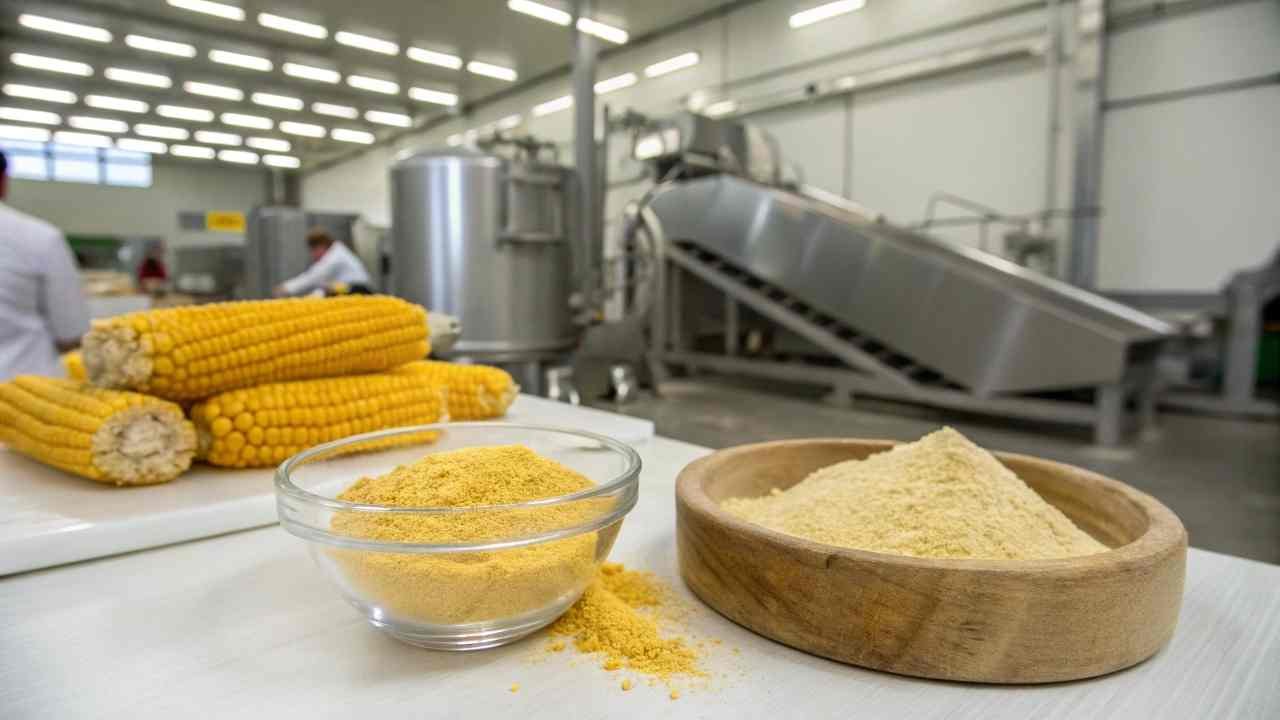
I work with many premix manufacturers in Russia and Indonesia. I see that "homogeneity2" is their main goal. Vitamin B9 is an orange-yellow powder. If the particles are too large, they will not mix well with the carrier. They will sink to the bottom of the bag. This is called segregation. I manage the particle size at the factory in China. I ensure 95% of the powder passes through a 100-mesh screen. This fine powder binds better to carriers like rice husks or calcium. It ensures that every gram of the premix has the same amount of vitamin.
I also check the moisture of the carriers. If the carrier is damp, the Vitamin B9 will start to degrade. I ensure our Folic Acid has a moisture level (LOD) below 8.0%. This dry state keeps the powder free-flowing. It also prevents the vitamins from reacting with trace minerals in the premix. Minerals like copper and iron can oxidize vitamins. I pack our B9 in double-layer PE liners inside fiber drums. This blocks moisture and light. My focus on these technical facts ensures your premix stays stable for 12 to 24 months. This reliability is vital for wholesalers who sell to large commercial farms.
Premix Quality Control Metrics
| Quality Factor | Target Standard | Eric's Control Method | Strategic Value |
|---|---|---|---|
| Particle Size | 80 - 100 Mesh | Sieve analysis in lab | Perfect mixing / No spots |
| Moisture (LOD) | < 8.0% | Drying oven test | Prevents caking in bags |
| Color | Orange-yellow | Visual batch match | Proof of fresh material |
| Assay Level | 97.0% - 102.0% | HPLC verification | Guaranteed potency |
| Contaminants | Lead < 2 ppm | Atomic absorption | Consumer safety |
How Stable Is Vitamin B9(Folic Acid) During Feed Processing?
High heat in feed mills destroys your vitamin investment instantly. This waste leaves your feed nutritionally empty. I manage stable Folic Acid sources that survive industrial pelleting and extrusion processes for your manufacturing needs.
Vitamin B9 is moderately stable in feed processing. It resists pelleting temperatures up to 80°C. However, it is sensitive to light, moisture, and acidic environments. Proper formulation and moisture-proof packaging maintain its potency throughout the industrial manufacturing and storage cycle.
Surviving the Pellet Mill
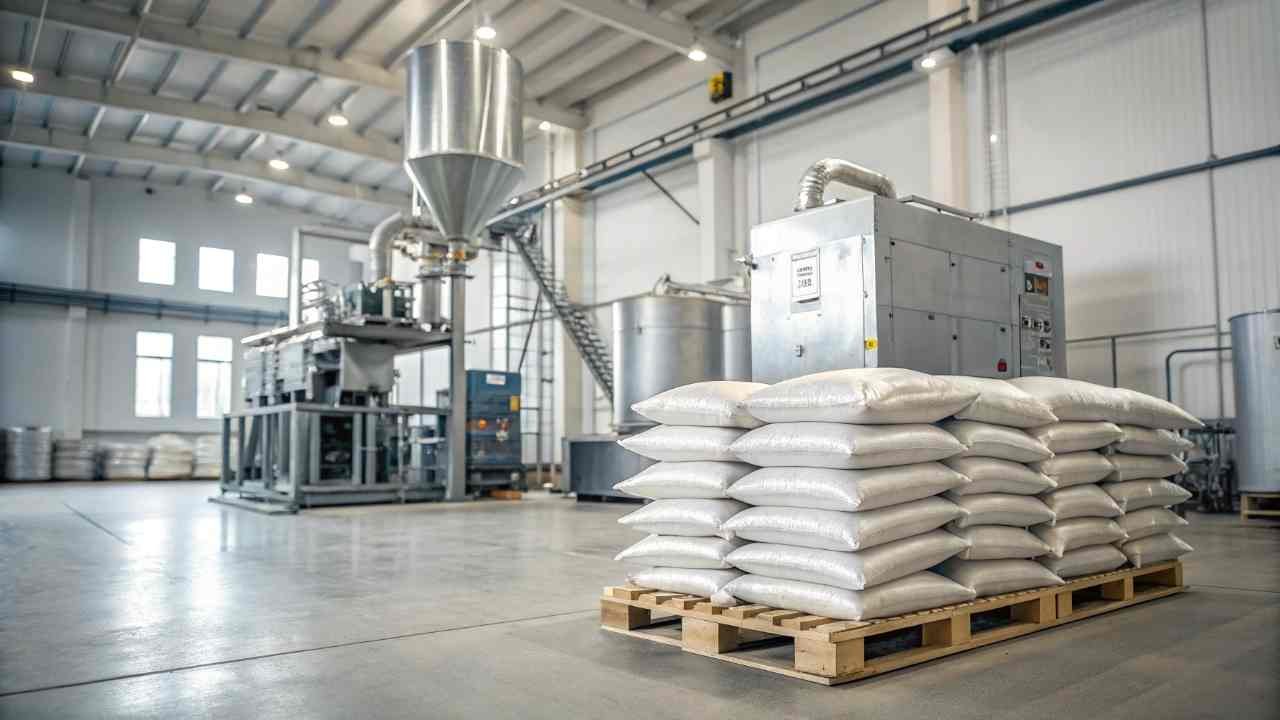
I want you to understand that heat is the enemy of vitamins. Feed mills use steam and pressure to make pellets3. This process is very aggressive. Folic Acid is more stable than Vitamin A or C, but it still faces risks. In my experience, about 85% to 90% of the Vitamin B9 remains active after a standard pelleting run. I select factories that produce a stable crystalline structure to maximize this resistance. I also advise my buyers to add a small "overage" to their recipe. For example, if you need 1.0 mg, add 1.15 mg. This ensures the final pellet meets the label claim after the heat of the die.
Processing time also matters. If the feed stays in the conditioner too long with high moisture, the B9 will break down. I oversee the moisture testing of every batch in China. I ensure the powder is dry and free from residual solvents4. Solvents can weaken the vitamin molecule. I also use opaque fiber drums to block UV light during transport. Light is a catalyst for oxidation. If the drum is left in the sun, the B9 starts to fail. I manage the logistics to keep the cargo in a dark and cool environment. By focusing on these technical details, I help you produce high-performance feed that stays effective for the farmer.
Retention Rates in Manufacturing
| Process Type | Temp Range | Estimated Retention | Main Risk Factor |
|---|---|---|---|
| Mash Mixing | 20°C - 30°C | 99% | Dusting / Segregation |
| Pelleting | 70°C - 85°C | 85% - 92% | Steam and Heat |
| Extrusion | 90°C - 120°C | 75% - 80% | High Pressure |
| Premix Storing | Ambient | 90% (after 6 mo) | Trace Mineral Oxidation |
| Liquid Spray | Variable | 80% | PH instability |
What Dosage Levels Are Used for Vitamin B9(Folic Acid) in Feed?
Incorrect dosing leads to poor animal performance or wasted budget. This technical error hurts your bottom line. I help you follow global standards for Vitamin B9 inclusion in different animal diets for your business.
Dosage levels for Vitamin B9 vary by species and life stage. Poultry usually require 0.5 to 1.5 mg/kg, while breeding sows need 5 to 15 mg/kg for optimal reproduction. Intensive farming cycles often require increased supplementation to maintain immune health and prevent metabolic disorders.
Species-Specific Nutritional Needs
I see that dosage is a technical fact that changes with the animal. Poultry are very sensitive to folate levels. Breeding hens need extra B9 to ensure their eggs hatch into healthy chicks. If the level is too low, the embryos will die. I work with mills in Saudi Arabia and Malaysia to ensure they calculate these levels correctly. Swine also have high requirements, especially pregnant sows. Folic Acid is vital for the development of the piglet's nervous system. I provide 98% feed-grade material that is easy to dose accurately in large mixing machines.
I also observe that the environment affects the dosage. In hot regions, animals eat less feed. When their intake drops, you must increase the concentration of vitamins. This ensures they still get their daily requirement. I suggest my buyers in the Middle East use a higher dosage during the summer months. Also, modern genetics play a role. Faster-growing animals need more nutrients to support their rapid cell division. I monitor these livestock trends in China to give you the best advice. My goal is to make your feed formulas more efficient. Proper dosing is the only way to lead your local market with better results.
| Animal Type | Life Stage | Dosage (mg/kg) | Primary Benefit |
|---|---|---|---|
| Broiler Chicken | Starter | 1.0 - 1.5 | Cell division / Weight |
| Laying Hen | Breeding | 1.2 - 2.0 | Hatchability |
| Swine / Pig | Pregnant Sow | 5.0 - 15.0 | Fetal development |
| Swine / Pig | Finishing | 0.5 - 1.0 | General metabolism |
| Aquaculture | Juvenile | 5.0 - 10.0 | Immunity / Growth |
How Does Feed Industry Growth Affect Vitamin B9(Folic Acid) Demand?
Sudden demand spikes cause shortages and high prices. This market volatility disrupts your procurement and sales. I track feed industry trends in China to help you secure Vitamin B9 stock before market prices rise.
Global feed industry growth, especially in poultry and swine sectors in Asia and Brazil, directly drives Vitamin B9 demand. Increased meat consumption and intensive farming practices create a stable and rising market for bulk Folic Acid, making strategic sourcing essential for wholesalers.

Market Cycles and Regional Drivers
I want you to understand that the feed market is the price setter for Vitamin B9. China has the largest pig and chicken population. When the meat price in China is high, farmers grow more animals. They buy more feed and more vitamins. This huge demand can empty factory warehouses in weeks. I track the "Meat-to-Grain Ratio" in China every week. This data tells me when the demand for B9 will spike. I tell my regular buyers in Europe and the Middle East to buy their stock early. This proactive management is how I save my clients from price peaks.
I also see new demand in the aquaculture5 sector. Fish and shrimp farming is growing very fast in Southeast Asia. These animals need high levels of Folic Acid for their immune systems. I manage the supply of water-stable B9 for these clients. Also, the "China Factor" is always there. Most of the world's B9 is made in China. If the government closes factories for environmental audits, the supply drops instantly. I act as your eyes on the ground in China. I tell you when to increase your safety stock before an audit. This foresight is a key part of my service. It ensures you always have material when your competitors are empty.
| Demand Factor | Origin Region | Impact on Supply | Growth Trend |
|---|---|---|---|
| Poultry Expansion | SE Asia / Brazil | High | Very High |
| Swine Production | China / EU | High | Steady |
| Aquafeed Growth | SE Asia / China | Moderate | Rising |
| Env. Audits | China Hubs | Sudden Tightness | Unpredictable |
| Meat Demand | Global | Long-term Rise | Positive |
Conclusion
Vitamin B9 is essential for animal growth, immunity, and efficient feed conversion in livestock. I manage the technical quality and supply chain at FINETECH to keep your business profitable and safe.
-
Engormix – A technical article explaining the economic and nutritional significance of the Feed Conversion Ratio in modern livestock production. ↩
-
FeedNavigator – An industry analysis on the importance of micro-ingredient distribution and mixing uniformity in animal feed premixes. ↩
-
WATT Global Media – A specialized resource covering the mechanical and thermal stresses involved in the feed pelleting process and how they affect nutrient stability. ↩
-
ICH Quality Guidelines – International standards for residual solvents (Q3C) which define the safety and purity requirements for chemical and pharmaceutical ingredients. ↩
-
Food and Agriculture Organization (FAO) – The global authority on aquaculture development, providing resources on nutritional standards and immune support for aquatic species. ↩