
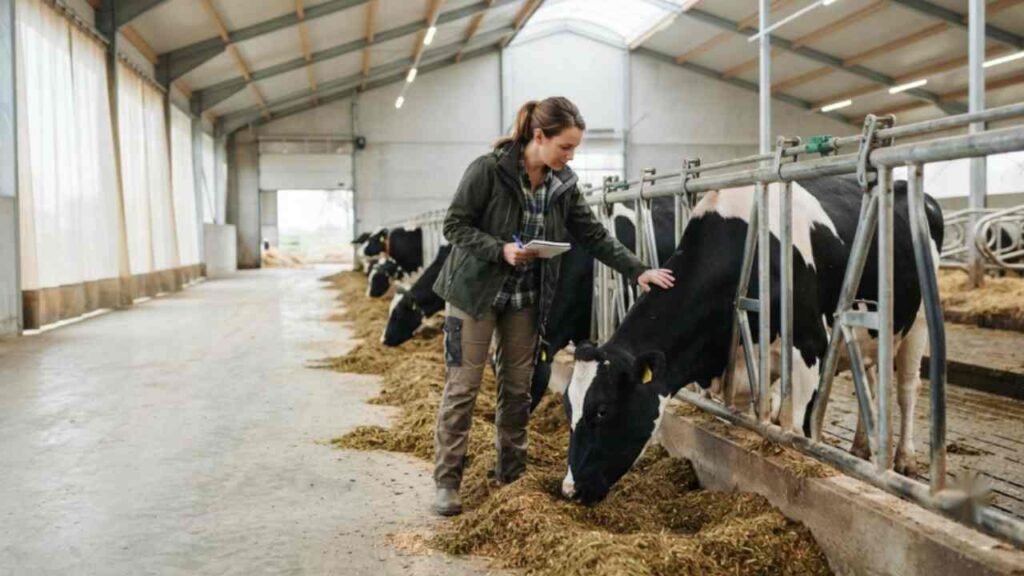
Ignoring essential micro-ingredients in livestock feed formulas leads to widespread lameness, poor growth rates, and severe financial losses for commercial farms. Deficient diets reduce profitability.
The Vitamin H series is essential in animal nutrition to support hoof integrity, prevent foot lesions, optimize reproductive performance in swine, protect poultry from dermatitis, and enhance glucose metabolism for higher milk production in dairy cattle.
Modern commercial farming requires highly precise nutritional inputs to maximize livestock health and processing yields. Feed mills must utilize targeted vitamin additives to prevent expensive deficiency diseases in large herds. Sourcing partners like FINETECH simplify factory checks, verify production compliance, and secure competitive pricing directly in China to guarantee bulk deliveries. This analysis explains why Vitamin H is critical in animal nutrition.
Which Livestock Species Require Vitamin H Series?
Developing broad feed formulas without addressing species-specific vitamin requirements results in poor hoof development, slow weight gain, and lower breeding yields. General diets reduce performance.
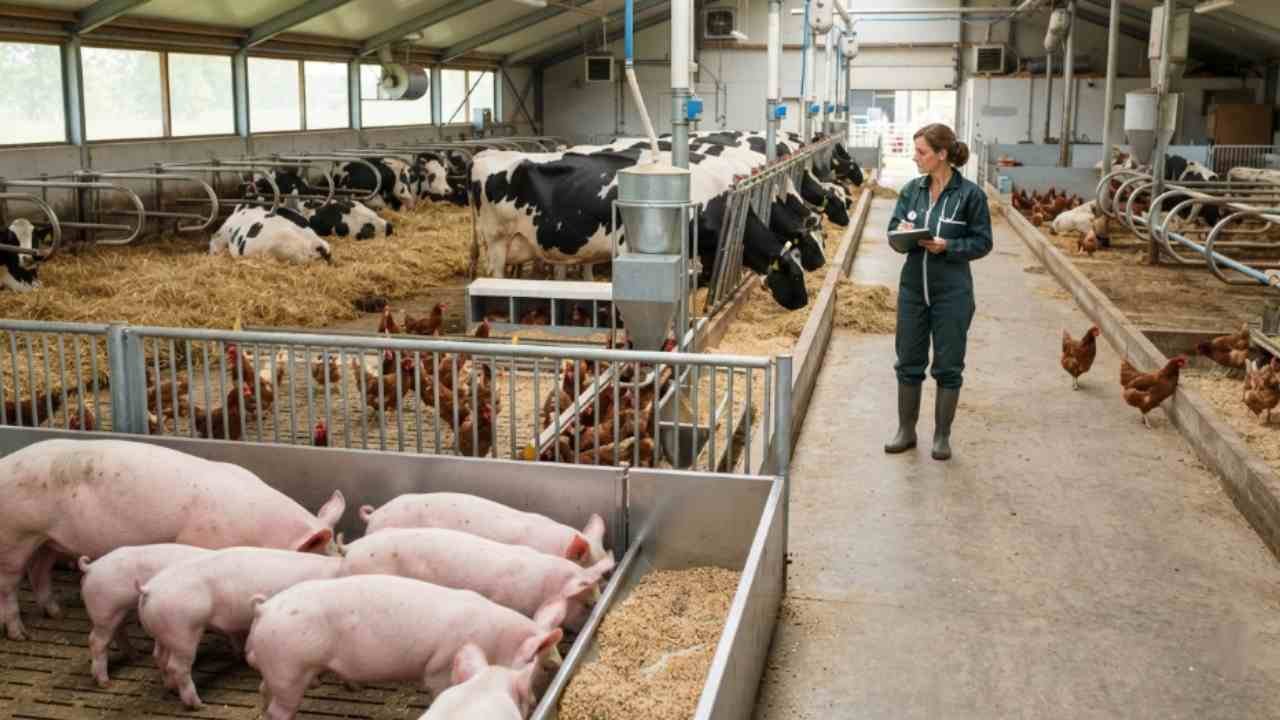
Swine, poultry, and dairy cattle require Vitamin H. Pigs need it to prevent painful hoof cracks; poultry require it to avoid footpad dermatitis and fatty liver syndrome; and dairy cows consume it to improve hoof hardness and milk yields.
Dive Deeper into Species-Specific Physiological Needs
The biological requirement for Vitamin H (D-Biotin) varies across different livestock species, but its primary role in keratin synthesis makes it essential for all modern farming systems. In swine production, Biotin is a crucial factor in maintaining structural integrity. Breeding sows require sufficient dietary levels to prevent painful hoof cracks1, heel lesions, and skin dermatitis, which can cause lameness and premature culling. Additionally, adequate Biotin intake optimizes reproductive performance, increasing average litter sizes and shortening the weaning-to-estrus interval.
In poultry operations, specifically broiler chickens and turkeys, Biotin is essential to prevent Foot Pad Dermatitis (FPD)2. FPD causes painful lesions on bird claws, reducing mobilities and degrading meat quality at processing. Broilers also require Biotin to prevent Fatty Liver and Kidney Syndrome (FLKS)3, a metabolic disorder that can cause sudden mortality in fast-growing flocks. For dairy cattle, although rumen microbes can synthesize some B-vitamins, modern high-yielding cows require supplemental Biotin to strengthen hooves and prevent sole ulcers. Biotin acts as a cofactor in liver enzymes, enhancing glucose synthesis and leading to higher daily milk production. Sourcing partners like FINETECH help buyers select the exact feed-grade Biotin specifications in China to satisfy these diverse animal physiological requirements.
| Livestock Category | Primary Physiological Benefit | Deficiency Symptom | Production Impact |
|---|---|---|---|
| Sows & Swine | Strengthens hoof structures | Hoof cracks and lesions | Higher culling rates of sows |
| Broilers & Poultry | Prevents skin inflammation | Footpad dermatitis & FLKS | Lower meat yields and bird weight |
| Dairy Cattle | Boosts energy metabolism | Sole ulcers & soft hooves | Reduced milk yield & lameness |
| Aquaculture Species | Supports carbohydrate intake | Poor growth and survival | Inefficient feed conversion |
How Is Vitamin H Series Added to Feed Premixes?
Attempting to blend high-potency pure crystals directly into bulk feed lines causes dangerous dosing hotspots and wasted active ingredients. Inefficient processing threatens quality. Multi-stage diluting secures uniform distribution.
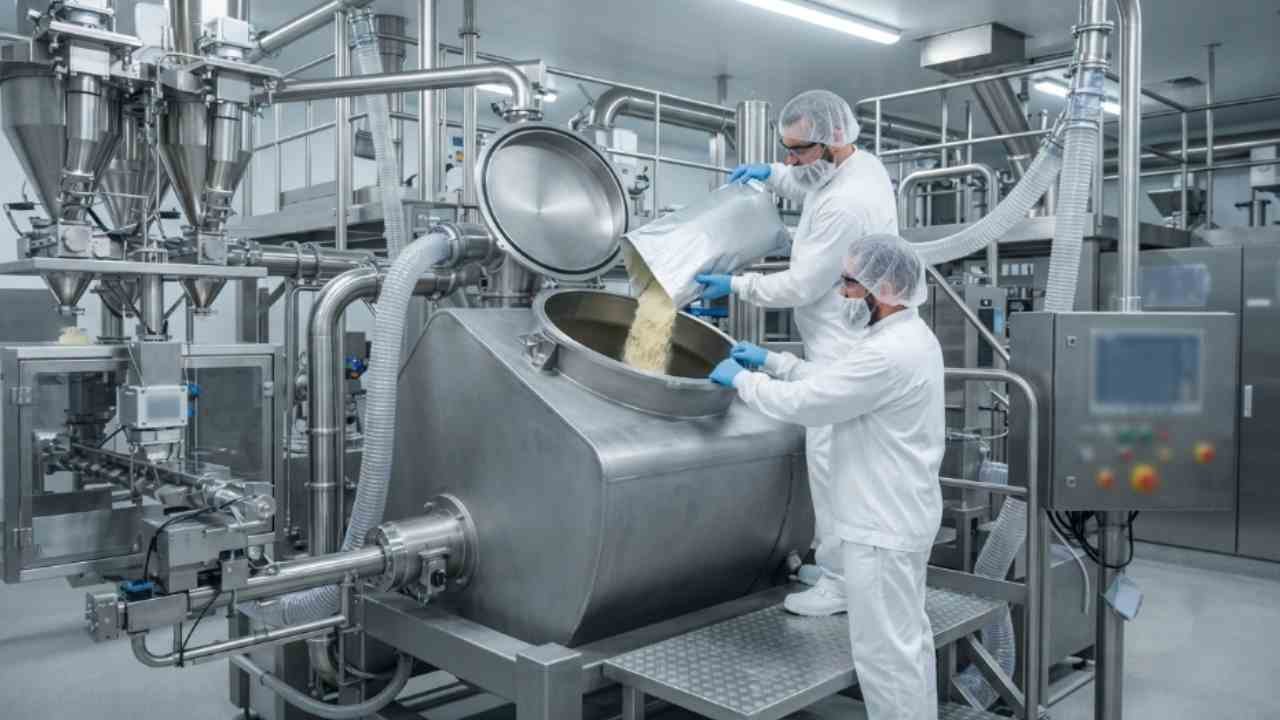
Vitamin H is added to feed premixes using pre-diluted forms, typically D-Biotin 2% powder. This powder is blended with carrier excipients like calcium carbonate or silica, then processed through multi-stage dilutions before mixing with complete feed.
Dive Deeper into Dilution Techniques and Premix Processing
Because animals require Vitamin H in microscopic amounts, typically measured in micrograms per kilogram of feed, directly adding pure D-Biotin crystals to commercial mixers is practically impossible. If a feed mill attempted to weigh and mix pure crystalline Biotin (98%+) into a ten-ton batch of feed, the active particles would clump, causing some animals to receive toxic doses while leaving others deficient. To prevent this operational risk, feed manufacturers utilize a multi-stage dilution4 process.
First, factories purchase D-Biotin in a pre-diluted two percent format. This two percent active powder is blended with inorganic carrier materials like calcium carbonate, dicalcium phosphate, or silica, which match the density of agricultural feed. Second, the feed mill blends this two percent powder with other micro-ingredients to create a concentrated micro-premix. This micro-premix is then blended with macro-ingredients, such as soybean meal or corn, to formulate the final complete feed. Sourcing partners like FINETECH assist feed manufacturers by sourcing high-quality D-Biotin 2% feed grade directly from certified Chinese plants. They verify the active concentration and carrier moisture levels, ensuring that the imported powder disperses cleanly and evenly throughout the bulk manufacturing line.
| Dilution Stage | Concentration Level | Primary Carrier Used | Blending Machinery |
|---|---|---|---|
| Raw Sourcing | Pure D-Biotin (98%+) | None (active crystals) | High-precision micro-scales |
| Feed Grade | 2.0% Active D-Biotin | Calcium carbonate / Silica | Industrial ribbon blenders |
| Micro-Premix | 0.01% to 0.1% active | Rice hulls or wheat middlings | Twin-shaft paddle mixers |
| Complete Feed | 100 to 300 mcg/kg | Bulk agricultural grain | Large-scale feed mill mixers |
Why Is Mixing Uniformity Critical for Vitamin H Series?
Feeding livestock unevenly mixed vitamin portions causes localized deficiencies, high flock mortality rates, and failed farm quality standards. Uneven blending reduces animal growth. Verifying homogeneity stabilizes performance.
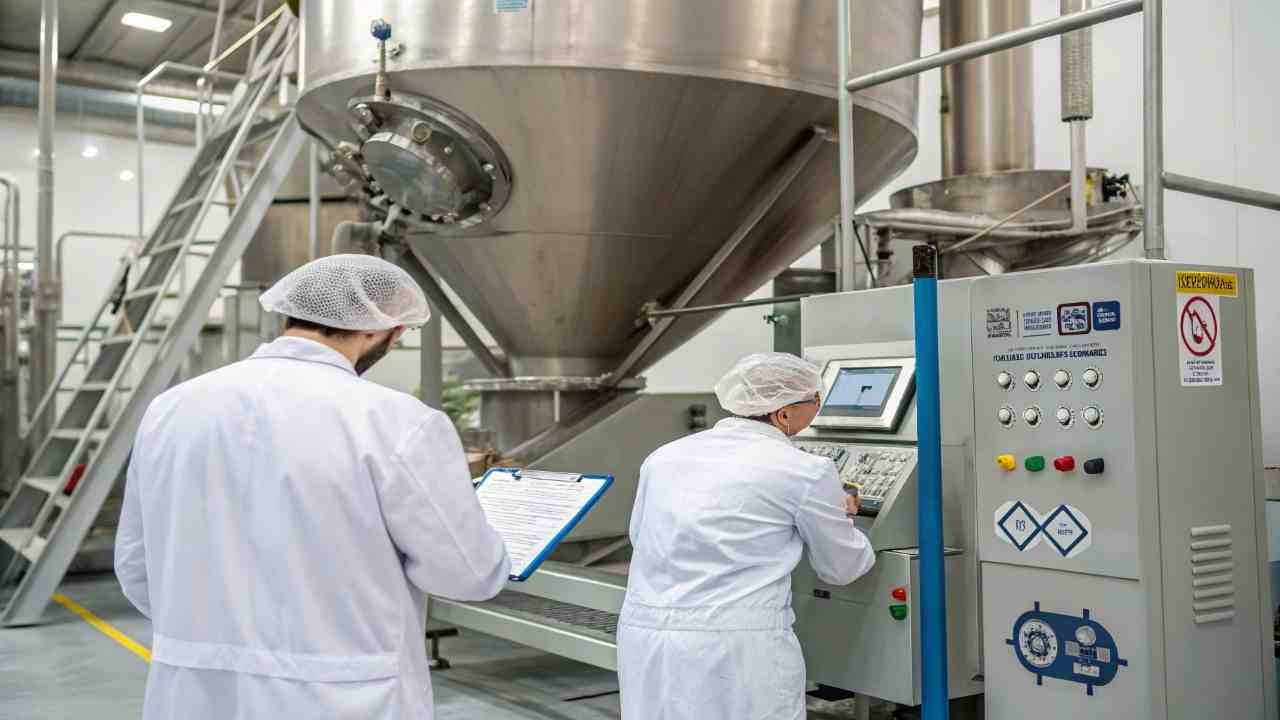
Mixing uniformity is critical because animal diets require Biotin in parts-per-billion levels. Poor homogeneity creates deficient "cold spots" that trigger lameness and dermatitis, and concentrated "hot spots" that waste expensive active ingredients.
Dive Deeper into Particle Homogeneity and Dosing Hazards
Achieving complete mixing uniformity is the most challenging task in animal feed manufacturing. Vitamin H is a highly active micronutrient, with recommended poultry and swine dietary requirements ranging from one hundred to three hundred micrograms per kilogram of finished feed. This represents a concentration ratio of parts-per-billion. If the mixing line lacks sufficient homogeneity, the active D-Biotin will segregate, forming concentrated hotspots in some feed bags while leaving other portions completely deficient.
Animals consuming deficient feed from "cold spots" will rapidly develop clinical deficiency symptoms. Broiler flocks will show increased rates of painful foot lesions, while dairy herds will suffer from soft hooves and lameness, reducing overall milk yields. Conversely, hotspots waste expensive active ingredients without providing any biological benefit. Feed mills monitor mixing homogeneity using the Coefficient of Variation (CV)5 test. A compliant mixing cycle must achieve a CV of less than five percent in the premix and less than ten percent in the finished feed. Sourcing partners like FINETECH help buyers reduce these processing risks by auditing Chinese plants. They verify that the D-Biotin 2% feed-grade powders possess consistent particle size and low static charge, ensuring uniform dispersion in bulk mixers.
| Blend Uniformity Level | Tested Coefficient (CV) | Production Animal Impact | Quality Control Action |
|---|---|---|---|
| Excellent (Target) | Less than 5.0% CV | Optimal animal health & growth | Maintain current mixer run times |
| Acceptable | 5.0% to 10.0% CV | Stable feed conversion | Monitor particle size distribution |
| Poor (Substandard) | Greater than 10.0% CV | Localized lameness and dermatitis | Check for mixer wear & carrier clumping |
| Critical Risk | Greater than 15.0% CV | High mortality in poultry flocks | Halted production & scale recalibration |
What Quality Standards Apply to Feed-Grade Vitamin H Series?
Sourcing feed additives without verifying strict safety standards leads to chemical contamination, customs seizures, and expensive border clearances. Uncertified imports disrupt logistics. Verifying feed standards ensures safety.
Feed-grade Vitamin H must comply with FAMI-QS guidelines, clear EFSA and FDA safety thresholds, maintain strict heavy metal limits, verify active ingredient assay stability, and guarantee the absence of microbiological pathogens like Salmonella.

Dive Deeper into Feed Safety and Heavy Metal Limits
Because feed additives directly enter the human food chain through meat, dairy, and eggs, international regulatory bodies enforce strict quality standards for feed-grade Vitamin H. The primary global certification standard is FAMI-QS6 (the European Feed Additives and Pre-Mixtures Quality System). FAMI-QS audits manufacturing facilities to verify that their production lines minimize the risk of chemical cross-contamination, maintain hygiene, and trace raw ingredients to their origin.
Additionally, feed-grade Biotin must meet strict chemical purity limits. While it does not require the expensive crystallization processes of pharmaceutical-grade USP Biotin, it must maintain low trace levels of heavy metals, including lead, arsenic, cadmium, and mercury. Heavy metal contamination can accumulate in animal tissues, creating severe health hazards for human consumers. The raw material must also pass strict microbiological screening to guarantee the absolute absence of harmful pathogens, such as Salmonella and E. coli. Sourcing partners like FINETECH play a key role in verifying these regulatory standards. They inspect batch-specific Certificates of Analysis (COAs) and coordinate third-party testing at accredited laboratories (SGS or Eurofins), ensuring that imported feed-grade Biotin clears regional customs and feed safety inspections.
| Regulatory Authority | Key Certification Standard | Primary Focus Area | Sourcing Import Impact |
|---|---|---|---|
| European Union (EFSA) | FAMI-QS certification | Traceability & sanitation | Mandatory for clearing European customs |
| United States (FDA) | FDA registration & GMPs | Heavy metal and solvent limits | Prevents import detentions at ports |
| Global Agencies | ISO 9001 / ISO 22000 | Manufacturing management | Confirms standardized quality control |
| Third-Party Labs | SGS / Eurofins testing | Active assay & pathogen checks | Confirms product matches COA data |
How Can Feed Manufacturers Select the Right Vitamin H Series?
Purchasing cheap, unverified feed-grade specifications leads to carrier clumping, particle separation, and failed nutritional dosing in bulk feed. Substandard sourcing wastes funds. Selecting structured grades ensures safety.
Feed manufacturers can select the right Vitamin H by matching carrier density to their mixers, choosing low-dust granulated beadlets, verifying FAMI-QS certifications, and utilizing trusted sourcing partners to inspect factory quality directly in China.

Dive Deeper into Supplier Vetting and Physical Specifications
Selecting the correct Vitamin H series specification requires a systematic evaluation of technical parameters and supplier credentials. Feed manufacturers must first evaluate the physical properties of the powder carrier. Because mineral feed premixes are highly dense, buying Biotin with a matching heavy carrier like calcium carbonate is essential to prevent particle separation. Conversely, if the feed mill uses organic carriers, they should specify a starch-coated granulated powder.
Second, manufacturers should evaluate powder flowability and dust generation. Untreated, fine crystalline Biotin generates static charge, causing active particles to stick to industrial hoppers and create worker inhalation hazards. To resolve this, feed mills should select free-flowing, low-dust granulated beadlets. Sourcing partners like FINETECH simplify this complex vetting process for B2B buyers. They handle factory audits in China, verify cleanroom logs, check active certificate registration numbers, and manage direct maritime logistics. This comprehensive support allows feed manufacturers to purchase stable, highly consistent raw materials, reducing inventory storage risks while keeping their international agricultural supply pipeline highly secure and cost-effective.
| Selection Parameter | Technical Specification | Best Operational Option | Sourcing Value |
|---|---|---|---|
| Carrier Material | Mineral vs. Organic carrier | Calcium carbonate / Silica | Prevents density-related segregation |
| Dust Level | Fine powder vs. Granules | Coated granulated beadlets | Protects workers and reduces static cling |
| Safety Standard | Certified feed grade | FAMI-QS certified supplier | Guarantees compliance for customs |
| Sourcing Security | In-person quality auditing | Use partners like FINETECH | Secures competitive pricing & low MOQs |
Conclusion
Vitamin H supports hoof integrity, prevents dermatitis, and optimizes livestock growth. Partnering with a dedicated sourcing team ensures consistent, compliant, and highly cost-effective feed-grade imports.
-
Purdue University Extension – Technical guide on livestock hoof anatomy, care, and management, detailing how supplemental biotin and zinc structurally harden hoof horns to prevent cracks. ↩
-
PubMed – Peer-reviewed study by Shepherd and Fairchild (2010) on the etiology, animal welfare impact, and dietary management of footpad dermatitis in poultry. ↩
-
The Poultry Site – Comprehensive disease index entry explaining the pathology of Fatty Liver and Kidney Syndrome (FLKS) in chicks and the role of biotin deficiency under stress. ↩
-
FEFAC – Official guide on animal feed premixes, outlining why specialized micro-ingredients require intermediate dilution steps to achieve complete homogeneous integration with macro-ingredients. ↩
-
ICCF – Global harmonized guidance document defining standardized homogeneity testing and quantitative methods for calculating the Coefficient of Variation (CV) of feed ingredients. ↩
-
FAMI-QS – Official system documentation outlining the Good Manufacturing Practices (GMP) and specialty ingredient safety codes required to minimize feed-chain hazards. ↩